



What are Semi Truck Winter Fronts?

A semi-truck winter front is a heavy-duty, weather-resistant cover designed to mount directly over a truck’s front grille.
Typically manufactured from reinforced vinyl, canvas, or quilted fabric, it serves as a cold-weather barrier for your engine compartment.
Modern next-gen semi trucks are tech-heavy machines with integrated climate systems.
The old-school classic big rigs don't. In freezing temps, they need a winter front.
Key Takeaways
- Winter fronts help retain engine heat, improve cab warmth, and reduce cold-weather fuel waste.
- Use them below about 30°F, then open or remove them near 40°F to prevent overheating.
- Choose full-coverage designs for extreme cold and adjustable designs for changing climates.
- Match the cover to the truck’s year, make, model, grille, and mounting system.
- Monitor temperatures, fan activity, fasteners, and hood clearance during use.
What Does a Winter Front Do?
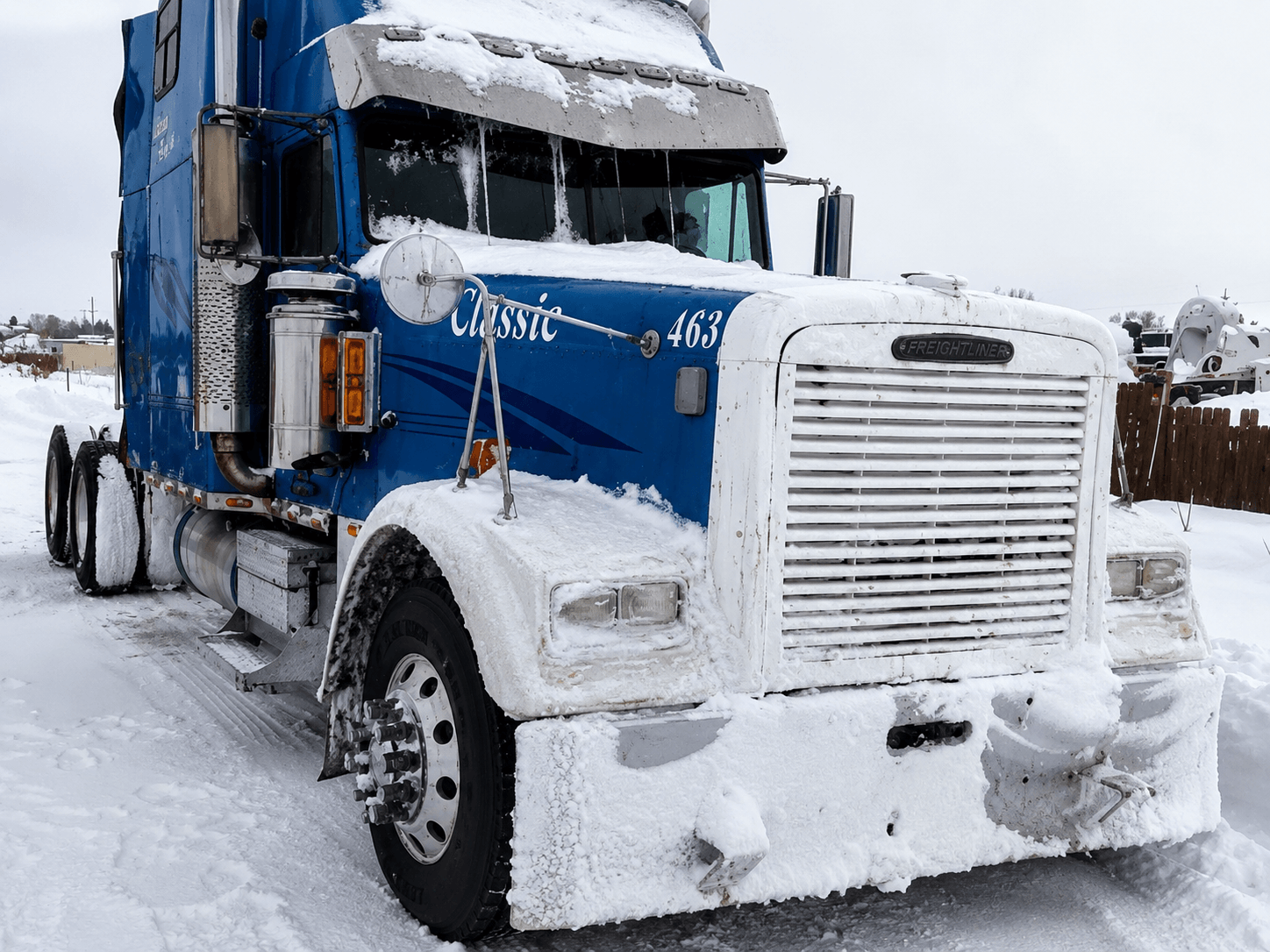
During extreme cold, a winter front blocks the freezing ambient air from directly blasting your radiator.
By restricting this airflow, it helps your diesel engine achieve and maintain its optimal operating temperature.
For owner-operators, this delivers three critical mechanical advantages:
- Emissions Protection: Helps prevent incomplete combustion, reducing soot buildup in your DPF (Diesel Particulate Filter).
- Fuel Efficiency: Prevents the engine ECM (Electronic Control Module) from over-fueling to compensate for low operating temperatures.
- Cab Comfort: Ensures the cabin sleeper heater functions efficiently by maintaining stable coolant temperatures.
When Should You Use a Winter Front?
You need a winter front when your truck operates in temperatures that consistently drop below 30°F (-1°C).
Why Use a Winter Front?
#1. Fuel Efficiency
When the engine temperature is colder and not running at a normal range, between 190 and 201 degrees, the engine computer dumps more fuel to the engine to try to get to the right temperature.
Self Reported: drivers witness a 1-3 MPG loss for every mile driving below optimal engine temps.
#2. Engine Protection
Hauling payloads at highway speed while in sub-zero temperatures can mean premature liner wear on the engine and sludge buildup. A winter front stops all that.
Ice road trucking crews are known for braving these harsh winter temperatures, ranging between -20°F or -40°F.
These drivers will usually buy a single layer non-quilted or heavy-duty quilted winter front from Robert James Enterprises.
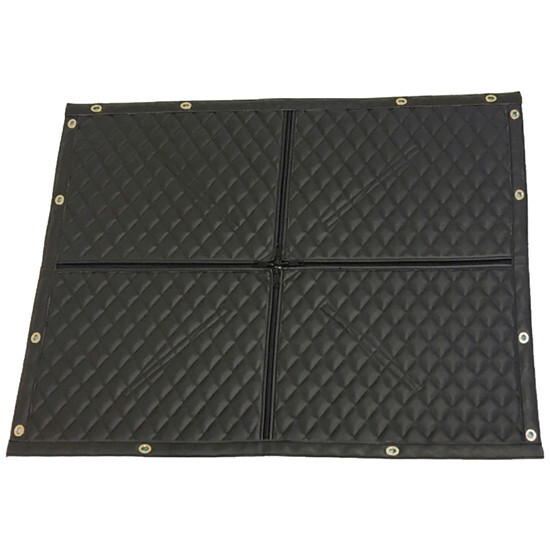
These winter fronts come with a heavy-duty zipper that will work even under ice and snow.
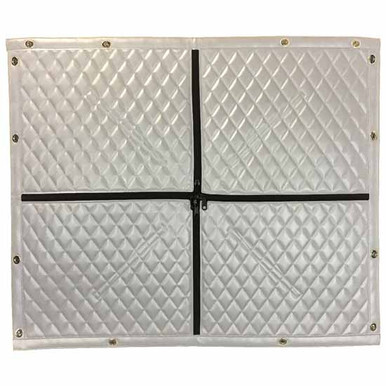
This brand offers made-to-fit winter fronts for older 1960s and 1970s truck models that you wouldn’t think have a matching fit.
Winter Front Hardware Options from Robert James
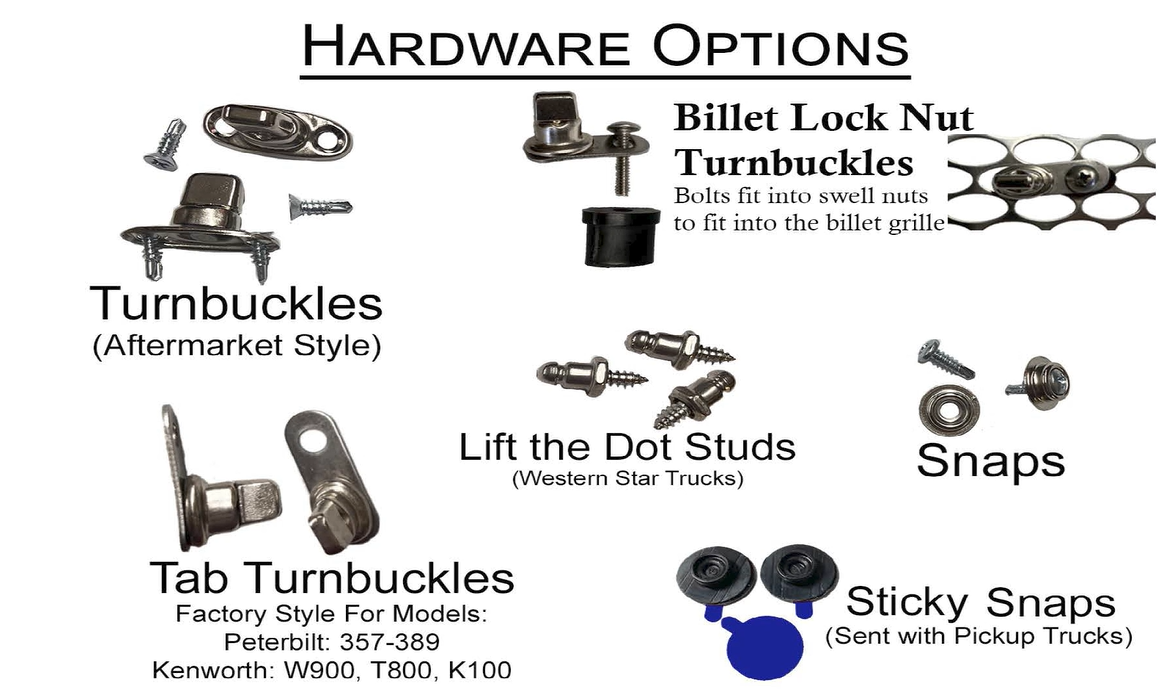
Robert James also offers all of the hardware needed to secure a winter front.
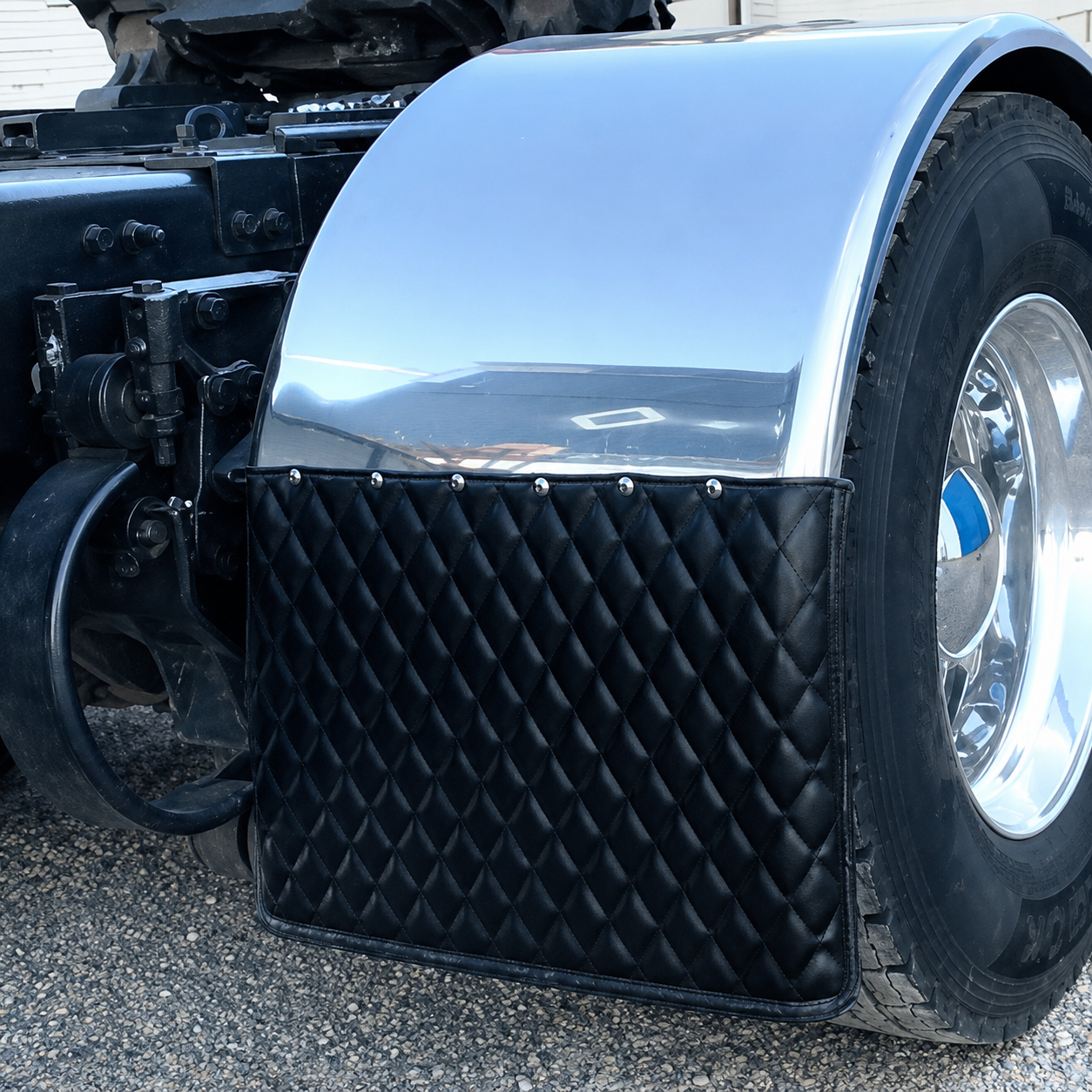
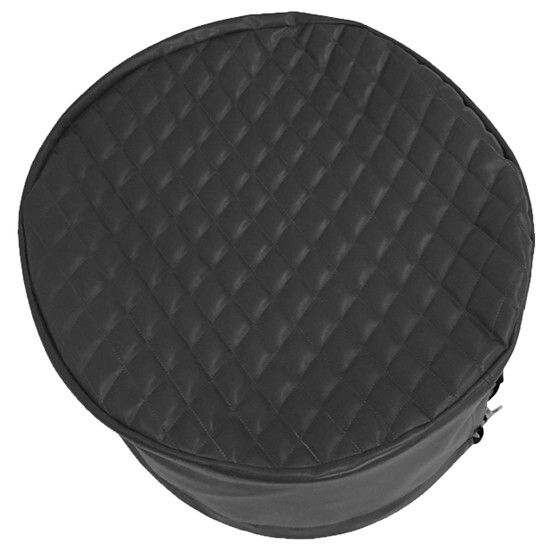

You can find related winter-ready quilted covers for your fenders, fuel tank end caps, gear shifter stick, and more.
Best Winter Front Styles to Buy: Quilted, Non-Quilted, Zipper

Standard Vinyl Winter Fronts
Multiple color options. Simple to set up. Affordable. Easy to pack. Classic vinyl winter fronts are a great starter choice.
Find the Right ColorWinter Front + Bug Screen Combo
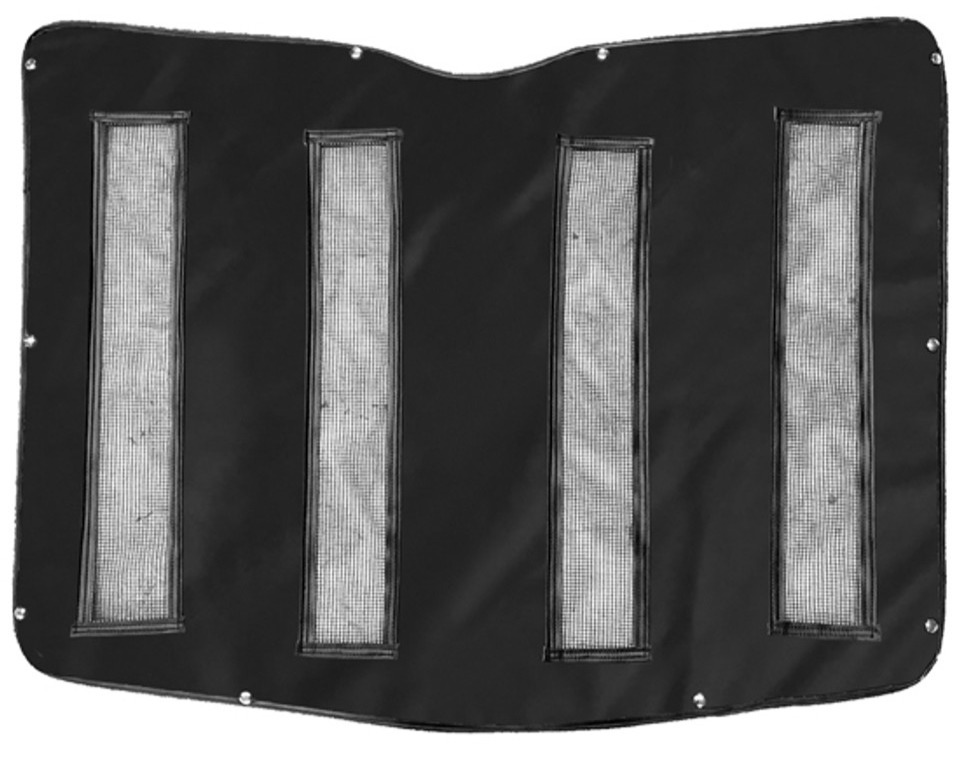
Keep the insects and ice-cold temperatures out with a two-for-one combo product package exclusively for Volvo VNL Gen II truck models.
Snag a Deal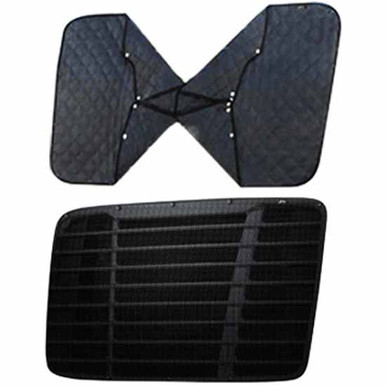
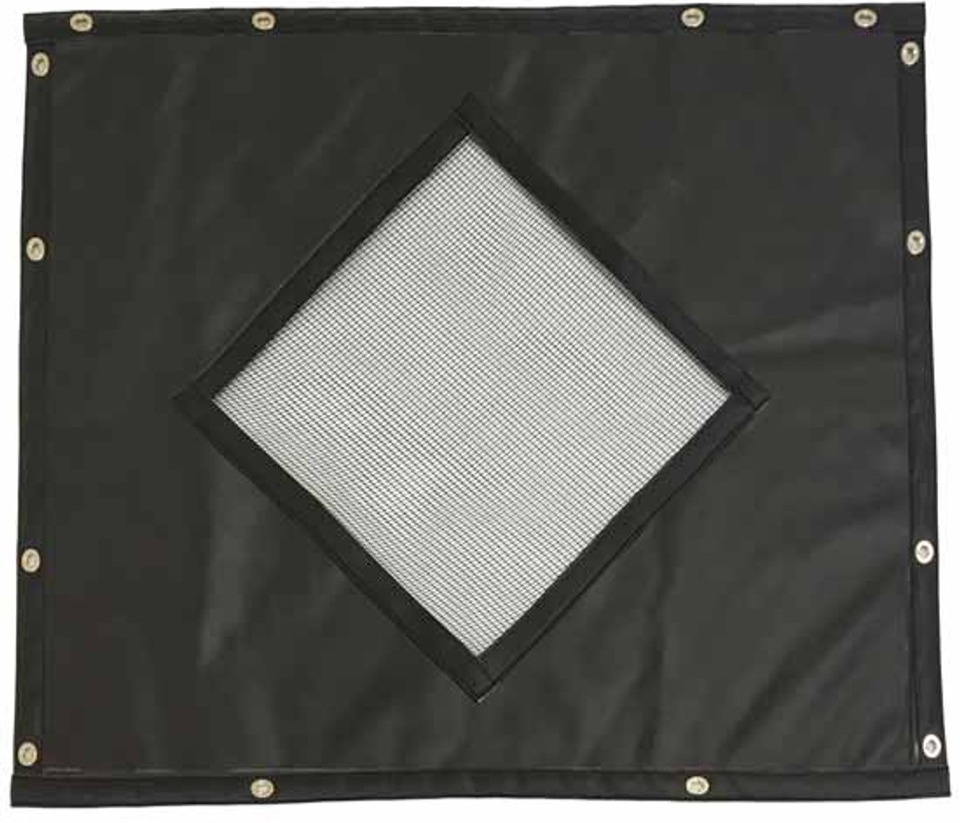
Choose From Various Designs
When Should You Remove or Open a Winter Front?
You should open or completely remove your winter front the moment ambient temperatures rise above 40°F (4°C).
Leaving a winter front fully closed in mild weather suffocates the engine. This restricts airflow to the CAC (Charge Air Cooler), spiking intake manifold temperatures.
As a result, your engine fan clutch will lock on continuously—robbing you of up to 30 horsepower and wasting fuel—and eventually triggering a severe engine derate (an automated safety mode that limits engine power to prevent thermal damage).
Full Coverage vs Adjustable Winter Fronts
Selecting the right style depends entirely on how volatile your winter routes are:
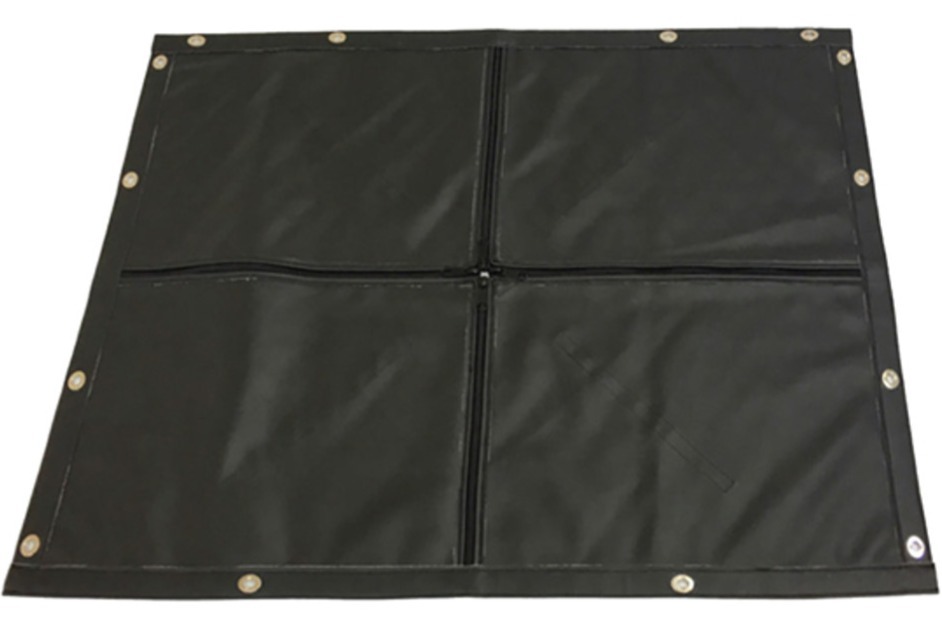
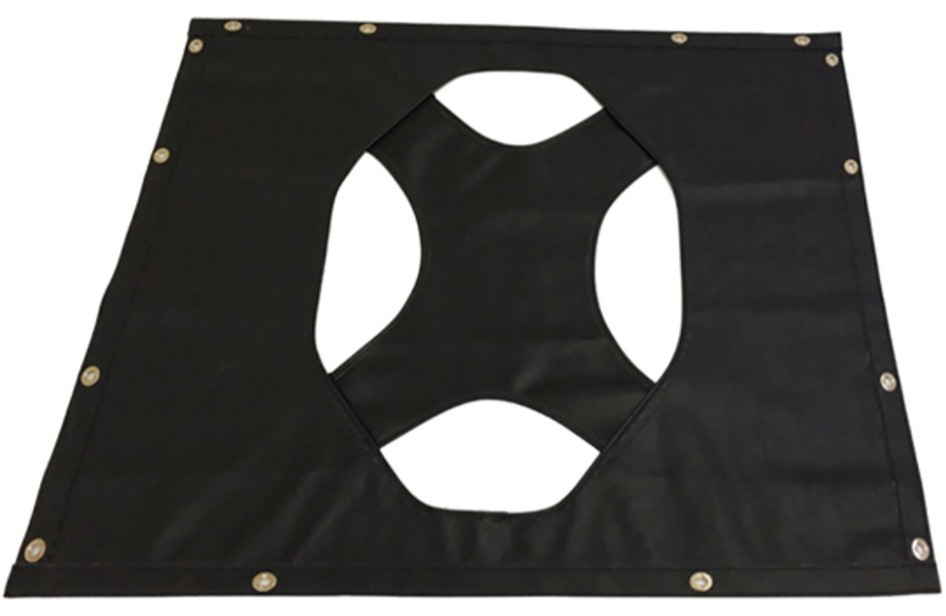
- Full Coverage Fronts: Solid panels with no openings. They are ideal for dedicated arctic or deep-winter regional routes where temperatures never rise toward freezing.
- Adjustable Fronts: Feature built-in zippered flaps, center drop-downs, or interchangeable "dog ear" corners. These are highly recommended for long-haul owner-operators who cross multiple climate zones daily, allowing you to quickly adjust airflow without removing the entire cover.
| Material Type | Pros | Cons | Best For |
|---|---|---|---|
| Quilted (Padded) | Maximum heat retention; cushions against kicked-up road ice. | Heavier; takes longer to dry when wet. | Extreme, sustained sub-zero climates. |
| Heavy-Duty Vinyl | Easy to wipe clean; windproof; lightweight. | Becomes stiff or brittle during deep sub-zero conditions. | Standard winter conditions and variable climates. |
Winter Front vs Bug Screen
A bug screen uses a porous mesh design meant exclusively to filter out insects and small road debris during spring and summer without blocking airflow.
A winter front uses a solid, impermeable barrier meant explicitly to trap heat.
How to Choose the Right Winter Front for Your Truck
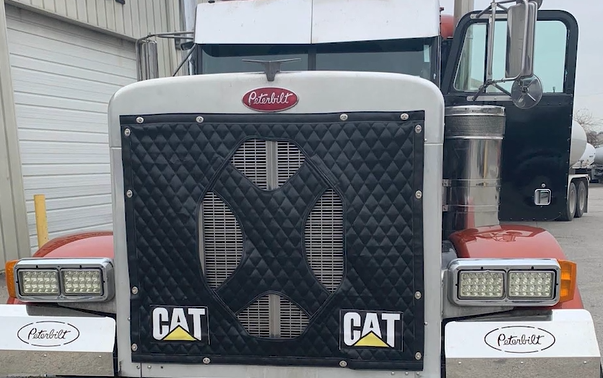
Winter fronts are not universal.
Because semi-truck grilles vary wildly by aerodynamic sloping, width, and manufacturer trim packages, you must purchase a winter front tailored to your truck’s specific year, make, and model (e.g., Peterbilt 389 vs. Kenworth T680).
Before purchasing, verify your mounting type.
If your grille does not have pre-installed factory snaps or turn button studs, you will need to choose between drilling hardware into your grille surround or selecting a hardware-free, no-drill bracket style cover.
How to Install a Winter Front on a Semi Truck
Follow these procedural steps to ensure a secure installation that won't tear loose at highway speeds:
- Clean the Grille Surround: Do not skip this step if using adhesive mounts.
Thoroughly wash and dry the chrome or fiberglass grille surround to remove road salt, grease, and road film.
- Align and Center the Cover: Ensure proper orientation.
Hold the winter front up to the grille to align the factory holes or snaps with your truck’s configuration. Ensure any adjustable zipper flaps open outward and clear the hood latch mechanisms.
- Fasten from the Center Outward: Prevents wrinkling and uneven tension.
Secure the center top fasteners first, then move symmetrically to the left and right edges. Finish by securing the bottom fasteners.
- Verify Hood Clearance: Safety check before driving.
Slowly unlatch and tilt the hood forward to ensure the winter front does not pinch, bind, or rub against the bumper or headlights.
Winter Front Safety Tips
Winter fronts are safe for modern EPA-compliant engines, but they require strict driver oversight. Newer engines rely heavily on precision airflow to keep exhaust gas recirculation (EGR) systems and turbochargers cool.
When running a winter front on a newer truck, follow these rules:
- Monitor the Gauge Cluster: Watch your intake manifold temperature and oil temperature gauges, not just the primary coolant gauge.
- Listen to the Fan: If you hear your engine fan cycling constantly on a flat highway, pull over and open a zipper or section of the front immediately.
- Keep the Center Clear: When opening an adjustable front, always open the center sections first to preserve direct airflow to the engine fan clutch sensor.
Cleaning and Storing Winter Fronts
Road salt and liquid de-icer will quickly degrade vinyl and rot fabric stitching if left uncleaned.
At the end of the season, scrub the winter front down with mild dish soap and warm water.
Do not fold a stiff, freezing winter front, as this permanently cracks the vinyl backing.
Allow it to air-dry completely, then lay it perfectly flat or roll it loosely for summertime storage.
Alternatives: Block Heaters, Active Grille Shutters, and Smart Idle Systems
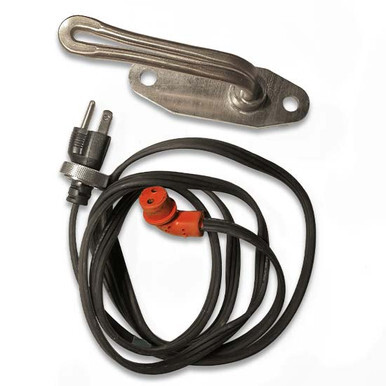
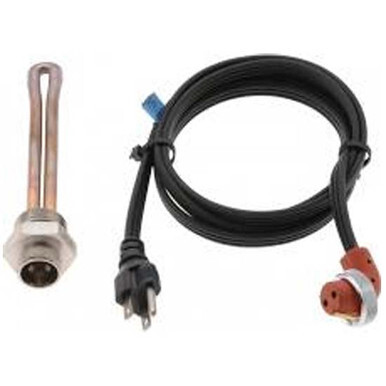
1500 Watt (Plug included) Engine Block Heater for Cummins Signature 600 ISX & QSX - used on Freightliner, Kenworth, Peterbilt and Volvo truck models. Plate-mounted and runs on 120 Volts.
1500 Watt (Plug included) Block Heater for CAT & Detroit Engines - used International/Navistar, Perkins, Detroit, and Caterpillar Engines.
Here are some alternatives to a vinyl winter front:
- Engine Block Heaters: An electric heating element frost-plugged directly into the engine block. Essential for effortless cold-morning starts, but it only works while parked and plugged into shore power—it cannot maintain engine heat while driving down the highway.
- Active Grille Shutters: Automated, factory-installed internal slats that open and close electronically based on live ECM temperature data. This is the ultimate hands-free alternative, though it is usually a factory-ordered option rather than an aftermarket add-on.
- Smart Idle Systems / APUs: Auxiliary Power Units (APUs) automatically cycle the truck's engine or run an independent diesel heater to maintain coolant temperature while you are off-duty, eliminating the need to leave a winter front on overnight while parked.
Get Your Truck Winter-Ready with 4 State Trucks Accessories
Winter prep your truck with semi truck accessories from 4 State Trucks. Located in Joplin, Missouri, off Highway I44, our team offers custom aftermarket fabrications, a massive replacement parts inventory, and an installation shop to get your new chrome fitted right then and there. For product information, call today.
Recent Posts
-
What is Dummy Exhaust on a Semi Truck?
 A lot of modern Next-Gen semi trucks use horizontal exhaust outlets instead of vertical stacks to ro …2nd Oct 2026
 -
Chrome vs Stainless Steel Exhaust Stacks
 Wondering whether to purchase a stainless steel or chrome exhaust stack kit? Here's a breakdown of t …28th Sep 2026
 -
How to Source Semi Truck Parts Online
 Scambling for the right parts at the last minute can get costly. Here are the best tips to consider …25th Sep 2026
 -
Haul of Fame: J&L Contracting's Award-Winning Truck
 Kenworths: Never Satisfied & Devilish Ways When you talk about Midwest trucking, heavy hauling, and …17th Sep 2026
 -
Semi Truck Exhaust Systems: Parts, Materials, Fitment & Repair Guide
 How a Semi Truck Exhaust System Works A heavy-duty exhaust system has three main jobs: route burned …16th Sep 2026
 -
Diesel Truck Engine Maintenance Guide
 Semi truck engines can last up to one million miles, or more, before they need to be rebuilt or repl …4th Sep 2026
 -
How to Buy the Right Peterbilt 379 Radiator
 If you want to keep your diesel engine from overheating you need a well-functioning replacement Pete …28th Aug 2026
 -
Adapt to the Diesel Fuel Crisis Using These 10 Truck Mods
 Small aftermarket semi truck accessories and performance upgrades save more money over time than the …21st Aug 2026
 -
Seasonal Semi Truck Maintenance Checklist
 Freezing winter weather temperatures, heavy snow, ice, and road salt take an unseen toll on your sem …14th Aug 2026
 -
Haul of Fame: Richard Bonner’s 1996 Peterbilt 379 — Bringing a Classic Trucker’s Truck Back to Life
 Every truck has a story, but some are worth taking a closer look at. Richard Bonner’s 1996 Peterbilt …14th Aug 2026