



Peterbilt 352 Radiator Tubes, Gaskets & Hoses
- Product
- Qty in Cart
- Quantity
- Price
- Subtotal
-
On SaleFREE SHIPPING OVER $249Limited Quantity Available

BESTfit Stainless Steel Lined Hose Clamp
BESTFIT TRUCK PARTS
$1.02 - $4.09Secure coolant and air system connections with the reliable BESTfit Stainless Steel Lined Hose Clamp 0.812?1.75 Inch. This high-quality aftermarket hose clamp is made from stainless steel and...PPR_202709- SKU:
- PPR_202709
- Truck Class:
- Heavy Duty
- Material Options:
- Stainless Steel
- Make:
- Universal Items
- Product Type:
- Engine Parts
- Ready To Ship:
- Yes
$1.02 - $4.09Qty in Cart: 0Price:$1.02 - $4.09Subtotal: -
On SaleLimited Quantity Available

RigMaster Upper Radiator Hose For Caterpillar, Perkins Engines
RIGMASTER
Now: $16.35Was: $24.09Upper Radiator Hose - LG5-001* High Quality Radiator Hose * Upper * Sold Individually * Warranty On Radiator Hoses Against Defects In Workmanship & Material From Date Of Purchase*** High Quality...LG5001- SKU:
- LG5001
- Position:
- Upper
- Material Options:
- Rubber
- Truck Class:
- Heavy Duty
- Make:
- Universal Items
- Product Type:
- Engine Parts
- Ready To Ship:
- Yes
Now: $16.35Was: $24.09Qty in Cart: 0Price:Now: $16.35Was: $24.09Subtotal: -
On SaleLimited Quantity Available

RigMaster Lower Radiator Hose For Caterpillar, Perkins Engines
RIGMASTER
Now: $7.85Was: $25.61Lower Radiator Hose - LG5-002v* High Quality Radiator Hose * Lower * Sold Individually * Warranty On Radiator Hoses Against Defects In Workmanship & Material From Date Of Purchase*** High Quality...LG5002- SKU:
- LG5002
- Truck Class:
- Heavy Duty
- Material Options:
- Rubber
- Position:
- Lower
- Make:
- Universal Items
- Product Type:
- Engine Parts
- Ready To Ship:
- Yes
Now: $7.85Was: $25.61Qty in Cart: 0Price:Now: $7.85Was: $25.61Subtotal: -
On SaleLimited Quantity Available
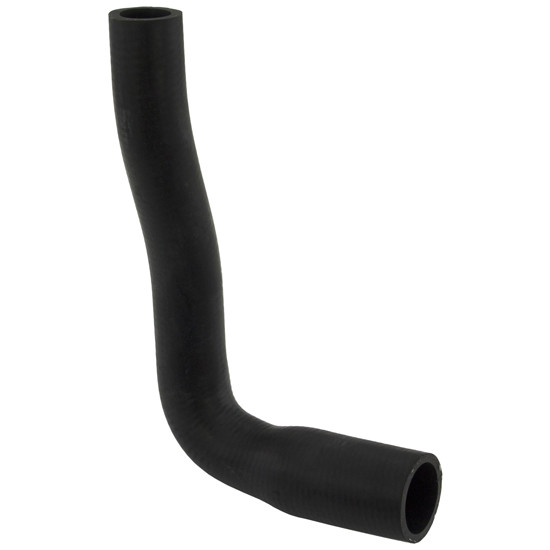
RigMaster Upper Radiator Hose For Kohler Engine
RIGMASTER
Now: $17.14Was: $24.48Kohler Top Radiator Hose - KL5-001* High Quality Radiator Hose * Upper * Sold Individually * Warranty On Radiator Hoses Against Defects In Workmanship & Material From Date Of Purchase*** High Quality...KL5001- SKU:
- KL5001
- Truck Class:
- Heavy Duty
- Material Options:
- Rubber
- Make:
- Universal Items
- Product Type:
- Engine Parts
- Ready To Ship:
- Yes
Now: $17.14Was: $24.48Qty in Cart: 0Price:Now: $17.14Was: $24.48Subtotal: -
On SaleLimited Quantity Available
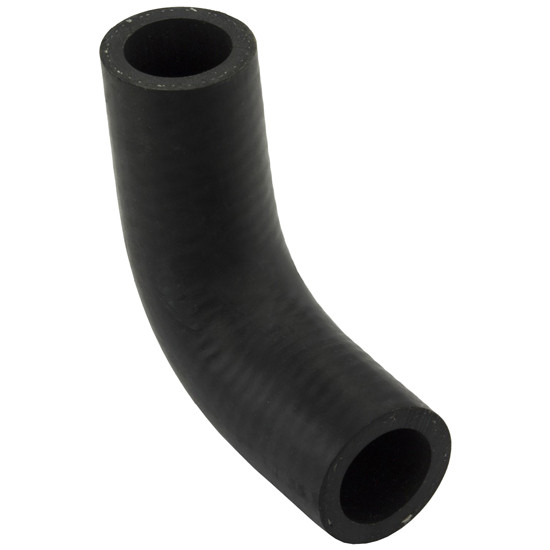
RigMaster Small Lower Radiator Hose For Kohler Engine
RIGMASTER
Now: $3.63Was: $9.50Kohler Small Lower Radiator Hose - KL5-003* High Quality Radiator Hose * Lower* Small * Sold Individually * Warranty On Radiator Hoses Against Defects In Workmanship & Material From Date Of...KL5003- SKU:
- KL5003
- Truck Class:
- Heavy Duty
- Material Options:
- Rubber
- Make:
- Universal Items
- Product Type:
- Engine Parts
- Ready To Ship:
- Yes
Now: $3.63Was: $9.50Qty in Cart: 0Price:Now: $3.63Was: $9.50Subtotal: -
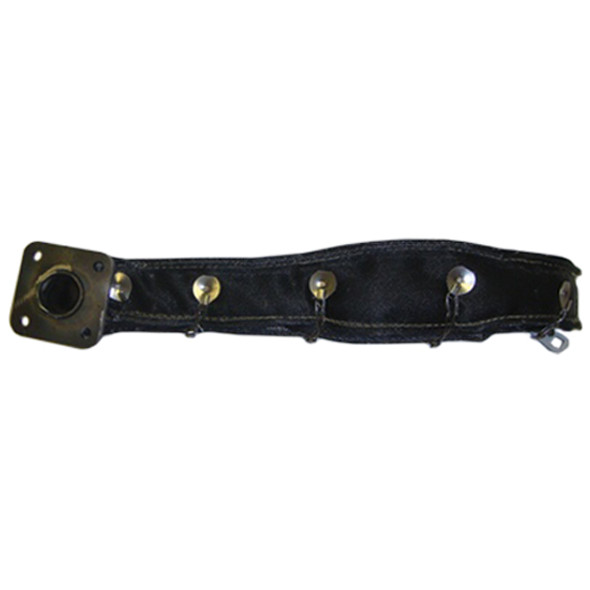
RigMaster APU Exhaust Flex Pipe Assembly For Caterpillar, Perkins LG200
RIGMASTER
$202.99RigMaster Exhaust Flex Pipe Assembly For Caterpillar & Perkins LG200* High Quality Flexible Pipe Assembly* Sold Individually* Warranty On Flexible Pipe Assemblies Against Defects In Workmanship &...LG6003K- SKU:
- LG6003K
- Material Options:
- Aluminum
- Truck Class:
- Heavy Duty
- Location:
- Made In USA
- Make:
- Universal Items
- Product Type:
- Engine Parts
$202.99Qty in Cart: 0Price:$202.99Subtotal: -

RigMaster Coolant Level Sensor Kit - Bottom Mounted
RIGMASTER
$48.09Bottom Mounted Coolant Level Sensor Kit - RP5-1011KKeep your equipment running smoothly with this bottom-mounted Coolant Level Sensor Kit. Easily detect coolant levels, prevent downtime, and ensure...RP51011K- SKU:
- RP51011K
- Material Options:
- Plastic/Poly
- Truck Class:
- Heavy Duty
- Make:
- Universal Items
- Product Type:
- Engine Parts
$48.09Qty in Cart: 0Price:$48.09Subtotal: -

Radiator Mount Bushing 1.95 X 1 Inch
AUTOMANN USA
$20.34Radiator Mount Bushing Replaces 200203801, J462433* High Quality Radiator Mount Bushing* Dimensions: - Threads- 1/4 Inch-20 - Overall Length- 1.95 Inch - Length- 0.75 Inch - Diameter- 1.00 Inch ...09-16020146- SKU:
- 09-16020146
- Truck Class:
- Heavy Duty
- Diameter Options:
- 1 Inch
- Make:
- Universal Items
- Length Options:
- 2 Inch
- Product Type:
- Engine Parts
$20.34Qty in Cart: 0Price:$20.34Subtotal: -
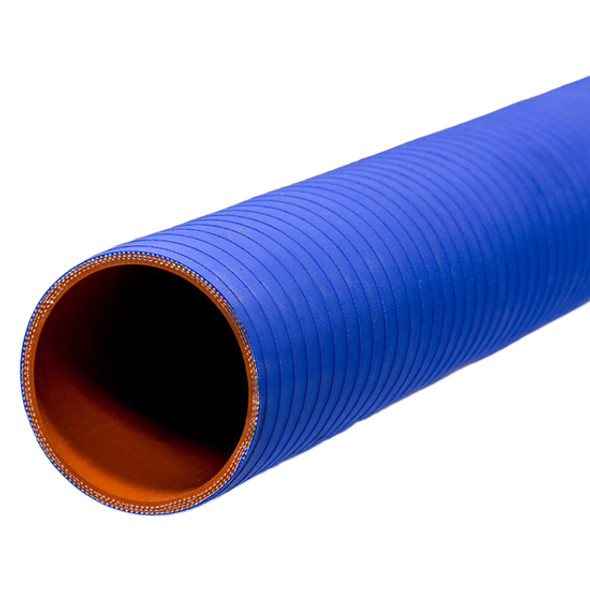
3 Ply Silicone Coolant Hose 1.50 ID X 12 Ft
FLEXFAB
$259.99Heavy Duty Silicone Rubber Blue Coolant HoseThis heavy-duty silicone coolant hose has an inside diameter of 1.50 inches and measures 12 feet in length. It meets or exceeds the operating requirements...09-070201812- SKU:
- 09-070201812
- Length Options:
- 144 Inch
- Truck Class:
- Universal
- Make:
- Universal Items
- Product Type:
- Engine Parts
$259.99Qty in Cart: 0Price:$259.99Subtotal: -
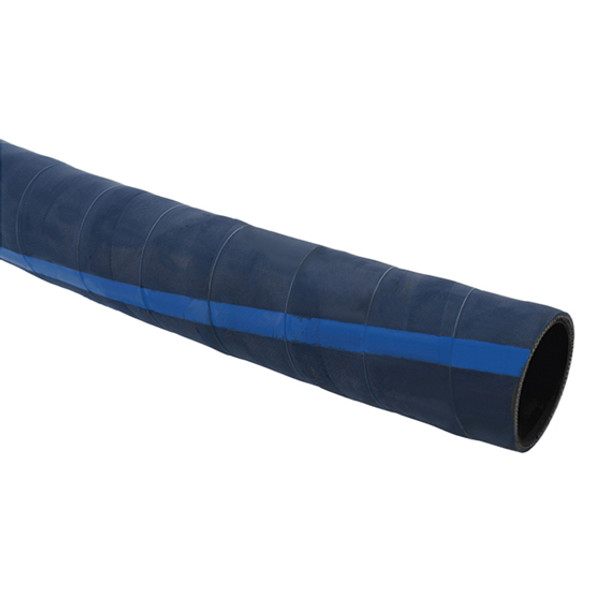
EPDM Blue Radiator Hose 2.25 ID X 36 Inch
AFTERMARKET
$155.99Replacement EPDM Blue Radiator Hose 2.25 Inch ID* High Quality Radiator Hose* EPDM* Blue* Dimensions: - 2.25 Inch ID - 36 Inch Length* Operating Temperature -40 To 300 Fahrenheit* Allows For Working...09-07020026- SKU:
- 09-07020026
- Diameter Options:
- 2 1/4 Inch
- Length Options:
- 36 Inch
- Truck Class:
- Universal
- Material Options:
- Rubber
- Make:
- Universal Items
- Product Type:
- Engine Parts
$155.99Qty in Cart: 0Price:$155.99Subtotal: -
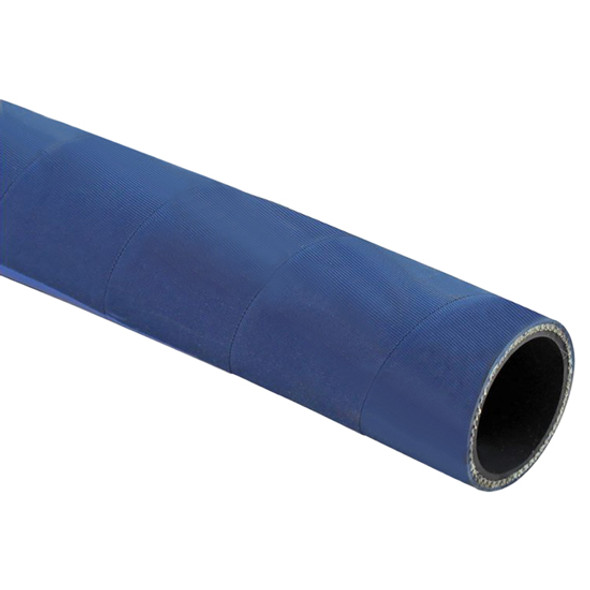
EPDM Blue Radiator Hose 36 Inch
AFTERMARKET
$120.99Replacement EPDM Blue Radiator Hose 1.5 Inch ID* High Quality Radiator Hose* EPDM* Blue* Dimensions: - 1.50 Inch ID - 36 Inch Length* Operating Temperature -40 To 300 Fahrenheit* Allows For Working...09-07020024- SKU:
- 09-07020024
- Color:
- Blue
- Truck Class:
- Universal
- Diameter Options:
- 1 1/2 Inch
- Length Options:
- 36 Inch
- Material Options:
- Rubber
- Make:
- Universal Items
- Product Type:
- Engine Parts
$120.99Qty in Cart: 0Price:$120.99Subtotal: -

EDPM Coolant Branch Hose - 62854 For Continental
AFTERMARKET
$77.99Continental Molded Radiator Coolant Hose Replaces OE 62854* High Quality Continental Coolant Branch Hose* EDPM* Dimensions: - 4 Inch Length - 8 Inch Width - 11 Inch Height - 0.75 Inch Inner...29-07020003- SKU:
- 29-07020003
- Material Options:
- Rubber
- Truck Class:
- Heavy Duty
- Make:
- Universal Items
- Product Type:
- Engine Parts
$77.99Qty in Cart: 0Price:$77.99Subtotal: -

EPDM Blue Radiator Hose 3 ID X 36 Inch Replaces 57248 & 24848
AFTERMARKET
$202.99Replacement EPDM Blue Radiator Hose 3 Inch ID* High Quality Radiator Hose* EPDM* Blue* Dimensions: - 3.00 Inch ID - 36 Inch Length* Operating Temperature -40 To 300 Fahrenheit* Allows For Working...09-07020029- SKU:
- 09-07020029
- Diameter Options:
- 3 Inch
- Length Options:
- 36 Inch
- Material Options:
- Rubber
- Truck Class:
- Universal
- Make:
- Universal Items
- Product Type:
- Engine Parts
$202.99Qty in Cart: 0Price:$202.99Subtotal: -
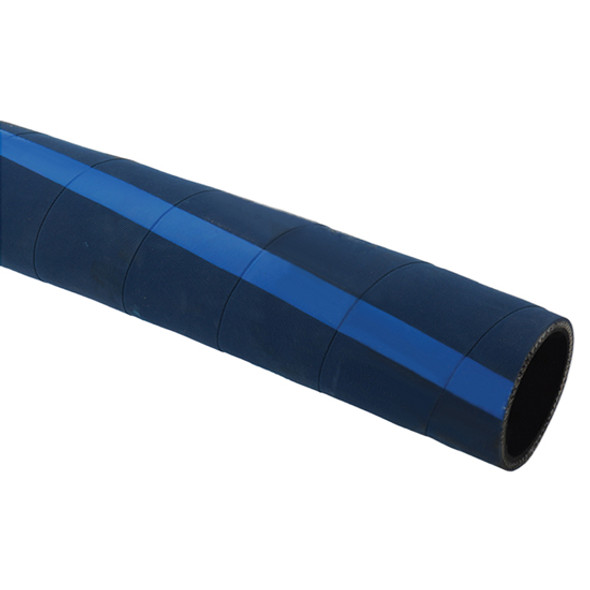
Blue Radiator Hose 36 Inch
AFTERMARKET
$135.99Replacement Blue Radiator Hose 1.75 Inch IDThis heater hose is tough and durable, featuring a strong EPDM construction and dual spiral aramid reinforcement to handle high temperatures. It operates at...09-07020023- SKU:
- 09-07020023
- Diameter Options:
- 1 3/4 Inch
- Material Options:
- Rubber
- Length Options:
- 36 Inch
- Truck Class:
- Universal
- Color:
- Blue
- Make:
- Universal Items
- Product Type:
- Engine Parts
$135.99Qty in Cart: 0Price:$135.99Subtotal: -

3.78 X 4.57 Inch Stainless Steel Super Seal Clamp
AUTOMANN USA
$9.90Super Seal Worm Drive Clamp* High Quality Clamp* 304 Stainless Steel* Dimensions: - 3.78 Inch To 4.57 Inch Diameter - 0.570 Inch Wide - 5/16 Inch hex Screw* Meets SAE J1508* Corrosion Resistance*...09-07020018- SKU:
- 09-07020018
- Product Type:
- Engine Parts
- Make:
- Universal Items
- Material Options:
- Stainless Steel
$9.90Qty in Cart: 0Price:$9.90Subtotal: -
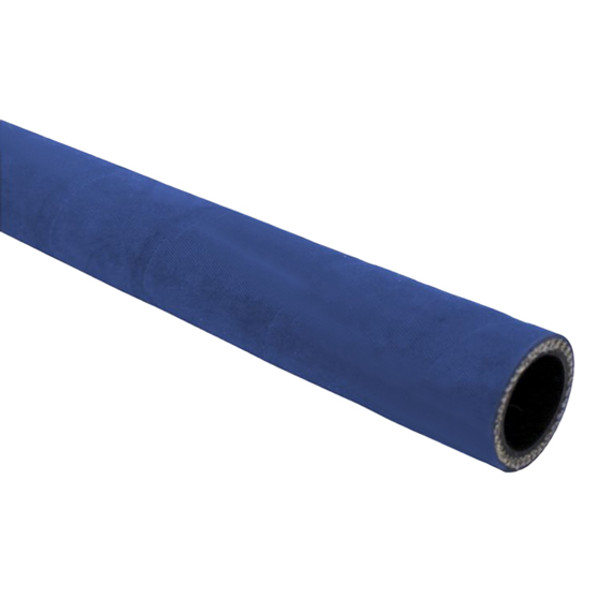
0.875 ID X 36 Inch Radiator Hose Replaces 24814 & 57214
AFTERMARKET
$92.99Radiator Hose 0.875in X 36in Replaces 24814 & 57214* High Quality Radiator Hose * EPDM* Blue* Dimensions: - 0.875 Inch ID - 36 Inch Length* Operating Temperature -40 To 300 Fahrenheit* Allows For...09-07020022- SKU:
- 09-07020022
- Color:
- Blue
- Material Options:
- Rubber
- Truck Class:
- Universal
- Make:
- Universal Items
- Product Type:
- Engine Parts
$92.99Qty in Cart: 0Price:$92.99Subtotal: -
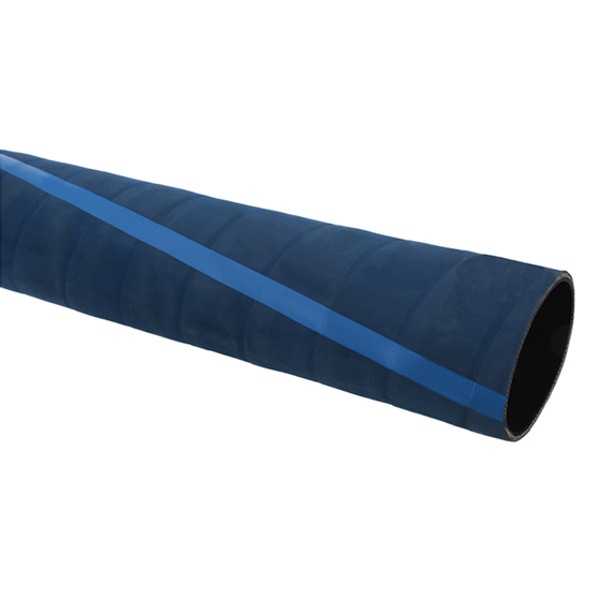
EPDM Blue Radiator Hose 2.75 ID X 36 Inch
AFTERMARKET
$190.99Replacement EPDM Blue Radiator Hose 2.75 ID* High Quality Radiator Hose* EPDM* Blue* Dimensions: - 2.75 Inch ID - 36 Inch Length* Operating Temperature -40 To 300 Fahrenheit* Allows For Working...09-07020027- SKU:
- 09-07020027
- Diameter Options:
- 2 3/4 Inch
- Material Options:
- Rubber
- Length Options:
- 36 Inch
- Truck Class:
- Universal
- Make:
- Universal Items
- Product Type:
- Engine Parts
$190.99Qty in Cart: 0Price:$190.99Subtotal: -

RigMaster Lower Radiator Hose For T4-6 Models W/ Caterpillar Or Perkins Engine
RIGMASTER
$21.44Lower Radiator Hose - RP5-027* High Quality Radiator Hose * Lower* May Need To Cut To Fit* Sold Individually * Warranty On Radiator Hoses Against Defects In Workmanship & Material From Date Of...RP5027- SKU:
- RP5027
- Position:
- Lower
- Truck Class:
- Heavy Duty
- Material Options:
- Rubber
- Make:
- Universal Items
- Product Type:
- Engine Parts
$21.44Qty in Cart: 0Price:$21.44Subtotal: -

RigMaster Big Lower Radiator Hose For Kohler Engine
RIGMASTER
$21.41Kohler Big Lower Radiator Hose - KL5-002* High Quality Radiator Hose * Lower* Big* Sold Individually * Warranty On Radiator Hoses Against Defects In Workmanship & Material From Date Of Purchase***...KL5002- SKU:
- KL5002
- Truck Class:
- Heavy Duty
- Material Options:
- Rubber
- Make:
- Universal Items
- Product Type:
- Engine Parts
- Ready To Ship:
- Yes
$21.41Qty in Cart: 0Price:$21.41Subtotal: -
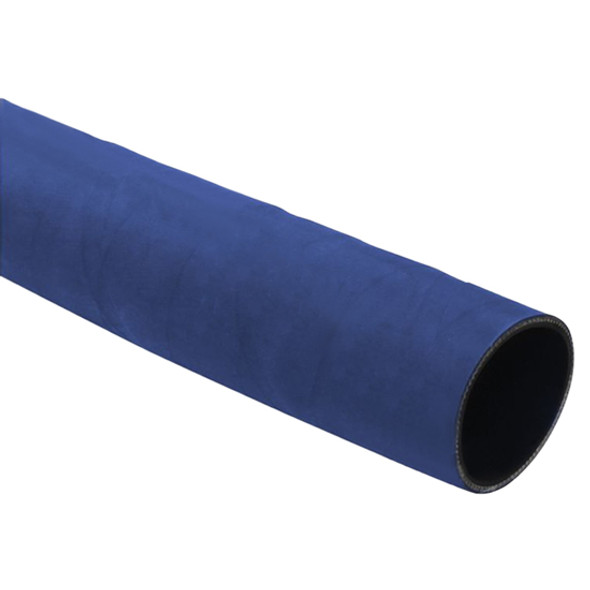
EPDM Blue Radiator Hose 2.50 ID X 36 Inch
AFTERMARKET
$185.99Replacement Blue Radiator Hose 2.5 IDProtect your engine from overheating with the 2.50 ID X 36 Inch EPDM Blue Radiator Hose. Built from durable EPDM material, it handles temperatures from -40 to...09-07020028- SKU:
- 09-07020028
- Diameter Options:
- 2 1/2 Inch
- Length Options:
- 36 Inch
- Truck Class:
- Universal
- Material Options:
- Rubber
- Make:
- Universal Items
- Product Type:
- Engine Parts
$185.99Qty in Cart: 0Price:$185.99Subtotal: -

RigMaster Upper Radiator Hose 10 1/2 Inch For T4-6 Models W/ Caterpillar Or Perkins Engine
RIGMASTER
$16.0310 1/2 Inch Radiator Upper Hose - RP5-024Check out this quality 10.5 inch top radiator long hose at 4 State Trucks for T4-6 models with Caterpillar and Perkins engines! It's built to last and keep...RP5024- SKU:
- RP5024
- Truck Class:
- Universal
- Length Options:
- 10 1/2 Inch
- Material Options:
- Rubber
- Make:
- Universal Items
- Product Type:
- Engine Parts
$16.03Qty in Cart: 0Price:$16.03Subtotal: -
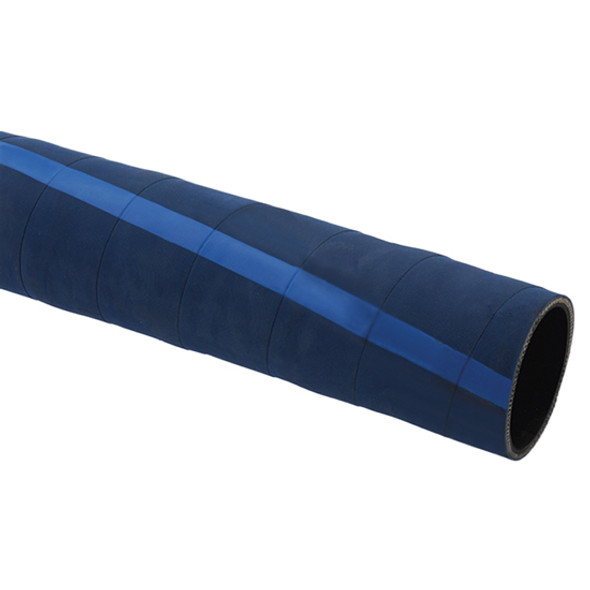
EPDM Blue Radiator Hose 36 X 2.375 Inch ID
AFTERMARKET
$145.99Replacement EPDM Blue Radiator Hose 2.375 Inch ID* High Quality Radiator Hose* EPDM* Blue* Dimensions: - 2.375 Inch ID - 36 Inch Length* Operating Temperature -40 To 300 Fahrenheit* Allows For...09-07020025- SKU:
- 09-07020025
- Diameter Options:
- 2 1/4 Inch
- Truck Class:
- Universal
- Material Options:
- Rubber
- Make:
- Universal Items
- Product Type:
- Engine Parts
$145.99Qty in Cart: 0Price:$145.99Subtotal: