



Peterbilt 375/377 Fuel Tanks
- Product
- Qty in Cart
- Quantity
- Price
- Subtotal
-
FREE SHIPPING OVER $249

Black Neoprene Rubber Fuel Tank Bib
AFTERMARKET
$18.61Fuel Tank Protector Fits Most Tanks* High Quality Fuel Tank Bib* Made Of Black 3/16 Inch Neoprene Rubber* Protect Your Tanks, Save Your Shine.* Designed To Keep Your Fuel Cap From Rubbing or...09-060307- SKU:
- 09-060307
- Truck Class:
- Universal
- Material Options:
- Rubber
- Make:
- Universal Items
- Product Type:
- Fuel Tanks
- Color:
- Black
- Ready To Ship:
- Yes
$18.61Qty in Cart: 0Price:$18.61Subtotal: -
FREE SHIPPING OVER $249

High Flow Return Flow Splitter For Peterbilt, Freightliner, International, Mack, Volvo & Ford
VELVAC
$55.99Return Flow Splitters-High FlowThis high-flow return flow splitter is perfect for dual draw/dual return diesel fuel systems. It evenly distributes fuel to both left and right tanks, eliminating the...29-060305- SKU:
- 29-060305
- Truck Class:
- Heavy Duty
- Material Options:
- Steel
- Make:
- Freightliner
- Make:
- Volvo
- Make:
- Ford
- Make:
- Peterbilt
- Make:
- International
- Make:
- Western Star
- Make:
- Mack
- Product Type:
- Fuel Tanks
- Ready To Ship:
- Yes
$55.99Qty in Cart: 0Price:$55.99Subtotal: -
FREE SHIPPING OVER $249

Diesel Fuel Tank Safety Vent, 1/2 In. NPT, 5/16 In. Hose Barb
VELVAC
$32.431/2 Inch Fuel Tank Safety Vent* High Quality Fuel Tank Safety Vent* Patented Anti-Spill Protection* Vents Meet All Applicable DOT Requirements* Diesel Only* Dimensions: - 1.468 Inch Height - 0.187...09-060302- SKU:
- 09-060302
- Diameter Options:
- 1/2 Inch
- Truck Class:
- Universal
- Make:
- Universal Items
- Product Type:
- Fuel Tanks
- Ready To Ship:
- Yes
$32.43Qty in Cart: 0Price:$32.43Subtotal: -
FREE SHIPPING OVER $249

Standard Flow Return Flow Splitter For Peterbilt, Kenworth, Ford, Sterling & Freightliner
VELVAC
$48.65Return Flow Splitter- Standard FlowImprove fuel distribution with the Standard Flow Return Flow Splitter, engineered for Peterbilt, Kenworth, Ford, Sterling, and Freightliner trucks. This...29-060304- SKU:
- 29-060304
- Truck Class:
- Heavy Duty
- Style Options:
- Standard
- Material Options:
- Steel
- Make:
- Kenworth
- Make:
- Freightliner
- Make:
- Peterbilt
- Make:
- Ford
- Make:
- Sterling
- Product Type:
- Fuel Tanks
- Ready To Ship:
- Yes
$48.65Qty in Cart: 0Price:$48.65Subtotal: -
FREE SHIPPING OVER $249

Fuel Tank Safety Vent 1.25 In. Hose I.D. 1/4 In. PTF SAE Short For Peterbilt Replaces 11-03930
VELVAC
$55.991.25 Inch Fuel Tank Safety Vent Replaces 11-03930 Fits PeterbiltPrevent damage caused by to much pressure in your diesel tank with this fuel tank safety vent. It features anti-spill protection and...01-060302- SKU:
- 01-060302
- Truck Class:
- Heavy Duty
- Product Type:
- Fuel Tanks
- Material Options:
- Plastic/Poly
- Color:
- Black
- Make:
- Peterbilt
- Ready To Ship:
- Yes
$55.99Qty in Cart: 0Price:$55.99Subtotal: -
FREE SHIPPING OVER $249
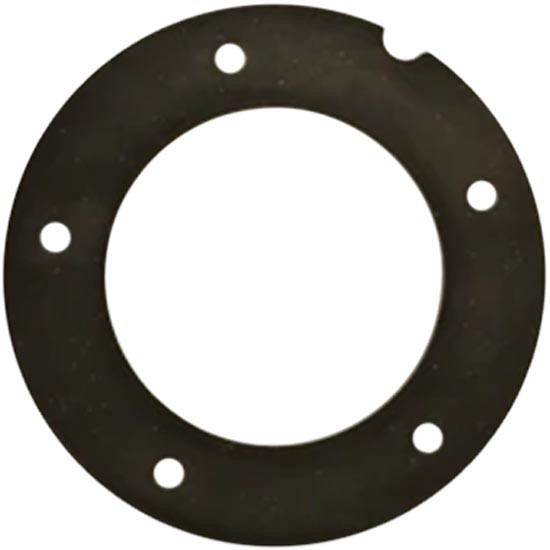
Isspro Fuel Sender Rubber Gasket
ISSPRO
$13.96Fuel Tank Sending Unit Gasket By IssproThe Isspro Fuel Tank Sending Unit Gasket fits many standard SAE 5-hole fuel senders and gauges. Isspro gauges, sensors, and sending units are trusted worldwide...09-0603027- SKU:
- 09-0603027
- Truck Class:
- Universal
- Shape Options:
- Round
- Material Options:
- Rubber
- Make:
- Universal Items
- Product Type:
- Fuel Tanks
- Ready To Ship:
- Yes
$13.96Qty in Cart: 0Price:$13.96Subtotal: -

Stainless Steel 4 Inch Fuel Tank Strap Cover
AFTERMARKET
$56.994 Inch Fuel Tank Strap Cover Stainless Steel* High Quality Fuel Tank Strap Cover* Made Of 20 Gauge 304 Stainless Steel* #8 Mirror Finish* 4 Inch Width* Sold Individually* Warranty On Fuel Tank Strap...29-06010023- SKU:
- 29-06010023
- Product Type:
- Fuel Tanks
- Finish Options:
- Polished
- Width Options:
- 4 Inch
- Size Options:
- 20 Gauge
- Material Options:
- Stainless Steel
- Location:
- Made In USA
- Make:
- Universal Items
$56.99Qty in Cart: 0Price:$56.99Subtotal: -
FREE SHIPPING OVER $249
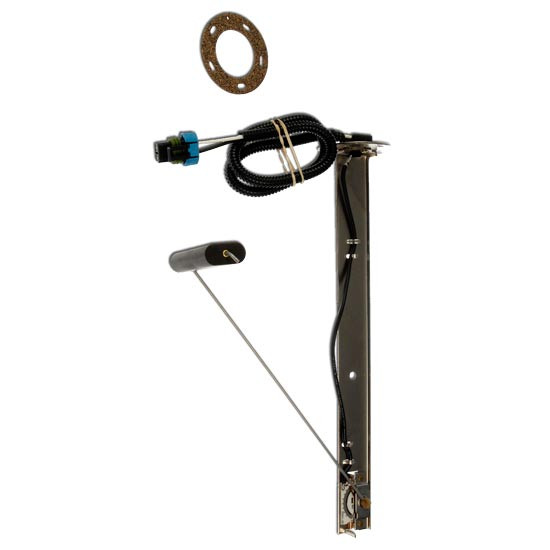
Fuel Sender W/ Gasket & OE Style Plug For Peterbilt W/ 23 Inch Diameter Tank Replaces K21-6001-585
DAYTON / DORMAN
$192.99Fuel Sender W/ Gasket & OE Style Plug Replaces K21-6001-585 Fits Peterbilt W/ 23 Inch Diameter TankRestore Proper Fuel Gauge Readings With Our Fuel Tank Sending Unit. All Units Include The Necessary...01-060305- SKU:
- 01-060305
- Truck Class:
- Heavy Duty
- Product Type:
- Fuel Tanks
- Make:
- Peterbilt
- Diameter Options:
- 23 Inch
- Material Options:
- Steel
- Ready To Ship:
- Yes
- Location:
- Made In USA
$192.99Qty in Cart: 0Price:$192.99Subtotal: -
On SaleFREE SHIPPING OVER $249Limited Quantity Available

Fuel Sender W/ Gaskets & 2 Spade Terminals For Peterbilt W/ 26 Inch Diameter Tank Replaces K21-6001-661
DAYTON / DORMAN
Now: $139.99Was: $174.99Fuel Sender W/ Gaskets & 2 Spade Terminals Replaces K21-6001-661 Fits Peterbilt W/ 26 Inch Diameter TankReplace your worn-out fuel sender with this reliable fuel sender designed for 26-inch diameter...01-060304- SKU:
- 01-060304
- Material Options:
- Steel
- Location:
- Made In USA
- Product Type:
- Fuel Tanks
- Truck Class:
- Heavy Duty
- Make:
- Peterbilt
- Diameter Options:
- 26 Inch
- Ready To Ship:
- Yes
Now: $139.99Was: $174.99Qty in Cart: 0Price:Now: $139.99Was: $174.99Subtotal: -

Turnpike Truck Trim 26 Inch Stainless Steel Fuel Tank Strap W/ 6 Inch Optional Straight Or Slotted Cut For Peterbilt
TURNPIKE TRUCK TRIM
$198.97 - $199.99Choose Option(s) to see description.Fitment* Fits Peterbilt 330 1995 thru 2005* Fits Peterbilt 335 2005 thru 2010* Fits Peterbilt 337 2011 thru 2023* Fits Peterbilt 352 1972 thru 1980* Fits Peterbilt...PPR_301038- SKU:
- PPR_301038
- Product Type:
- Fuel Tanks
- Ready To Ship:
- Yes
- Diameter Options:
- 26 Inch
- Width Options:
- 6 Inch
- Length Options:
- 62 Inch
- Finish Options:
- Polished
- Style Options:
- Straight Cut Design
- Material Options:
- Stainless Steel
- Height Options:
- 6 Inch
- Style Options:
- Slotted
- Make:
- Peterbilt
$198.97 - $199.99Qty in Cart: 0Price:$198.97 - $199.99Subtotal: -

BESTfit Aluminum 26 X 33 1/2 Inch Fuel Tank Step Assembly Brackets For Peterbilt
BESTFIT TRUCK PARTS
$364.99Aluminum 26 X 33 1/2 Inch Fuel Tank Step Assembly Brackets By BESTfit Fits PeterbiltDesigned for Peterbilt trucks, this BESTfit Aluminum Fuel Tank Step Assembly Bracket offers a durable and reliable...01-06010028- SKU:
- 01-06010028
- Ready To Ship:
- Yes
- Height Options:
- 33 1/2 Inch
- Finish Options:
- Mill Finish
- Material Options:
- Aluminum
- Width Options:
- 26 Inch
- Make:
- Peterbilt
- Product Type:
- Fuel Tanks
$364.99Qty in Cart: 0Price:$364.99Subtotal: -
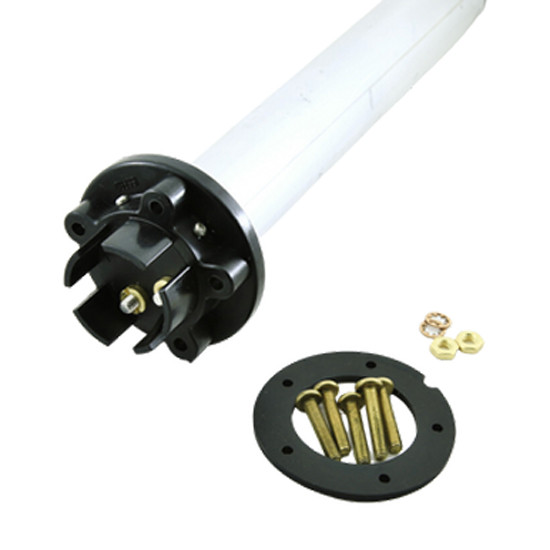
12 Inch Cylindrical Fuel Sender 240-33 Ohm Range For Rectangular And D-Shaped Tanks
ISSPRO
$93.99Cylindrical Fuel Sender 12 Inch W/ 240-33 Ohm RangeEnsure accurate fuel level readings with the 12 Inch Cylindrical Fuel Sender, designed for dependable performance in compatible heavy-duty fuel...29-060338- SKU:
- 29-060338
- Length Options:
- 12 Inch
- Location:
- Made In USA
- Product Type:
- Fuel Tanks
- Make:
- Universal Items
$93.99Qty in Cart: 0Price:$93.99Subtotal: -
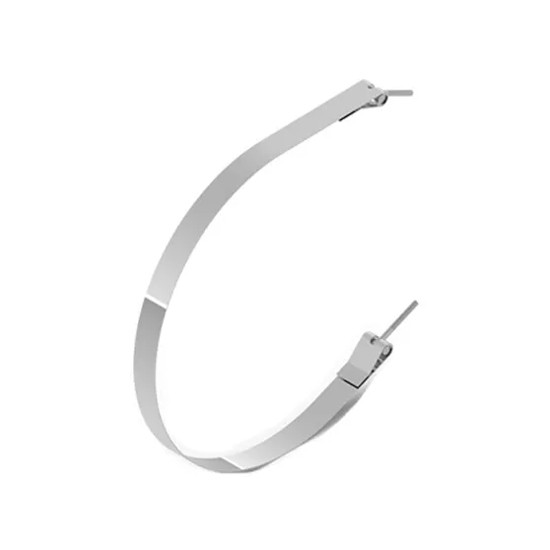
Stainless Steel Hydraulic Tank Strap For 24 Inch Tanks
AFTERMARKET
$56.39Hydraulic Tank Strip Stainless Steel Fits 24 Inch TanksSecure your hydraulic system with the Stainless Steel Hydraulic Tank Strap, designed for strength, durability, and long-lasting performance in...09-06010017- SKU:
- 09-06010017
- Length Options:
- 24 Inch
- Product Type:
- Fuel Tanks
- Material Options:
- Stainless Steel
- Make:
- Universal Items
$56.39Qty in Cart: 0Price:$56.39Subtotal: -
FREE SHIPPING OVER $249
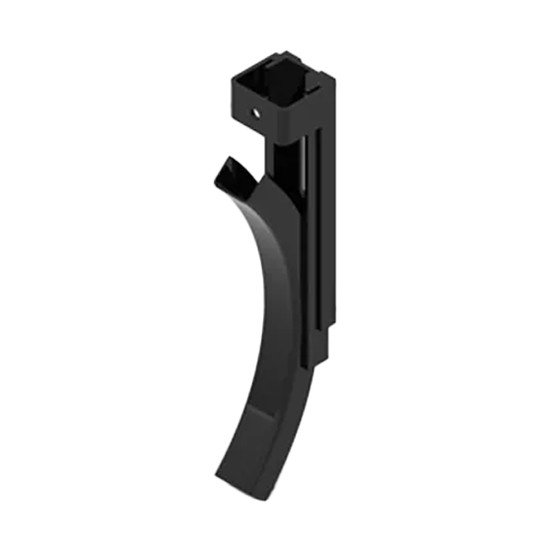
Black Painted Steel Mounted Bracket For 24 Inch Saddlemount Hydraulic Tank
AFTERMARKET
$134.39Mounted Bracket Black Painted Steel Fits 24 Inch Saddlemount Hydraulic TankSecure your hydraulic system with the Stainless Steel Hydraulic Tank Strap, designed for strength, durability, and...09-06010018- SKU:
- 09-06010018
- Material Options:
- Steel
- Color:
- Black
- Product Type:
- Fuel Tanks
- Make:
- Universal Items
$134.39Qty in Cart: 0Price:$134.39Subtotal: -
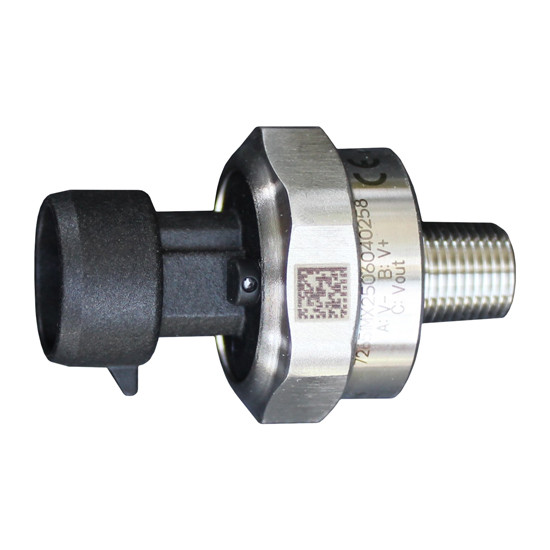
Teltek Fuel Pressure PSI Sensor 0 to 150 PSI, 1/8 Inch NPT Thread
TELTEK
$121.990 To 150 PSI Fuel Pressure Sensor W/ 1/8 Inch NPT ThreadEnsure accurate fuel system monitoring with the Teltek Fuel Pressure PSI Sensor, designed for dependable performance in heavy-duty truck and...09-071000108- SKU:
- 09-071000108
- Location:
- Made In USA
- Product Type:
- Fuel Tanks
- Make:
- Universal Items
$121.99Qty in Cart: 0Price:$121.99Subtotal: -
FREE SHIPPING OVER $249

Vent Plug W/ 40 Micron Filter, Steel, 3/4 Inch NPT Thread
BUYERS PRODUCTS
$16.53Hydraulic Tank Steel Vent Plug W/ 40 Micron Filter, Steel, 3/4 Inch NPT ThreadImprove hydraulic system protection and reliability with this high-quality Vent Plug, designed for heavy-duty hydraulic...09-02500274- SKU:
- 09-02500274
- Product Type:
- Cargo Control
- Height Options:
- 3 Inch
- Material Options:
- Steel
- Diameter Options:
- 3 Inch
- Make:
- Universal Items
- Ready To Ship:
- Yes
$16.53Qty in Cart: 0Price:$16.53Subtotal: -

Iowa Customs Stainless Steel Fuel Tank I-Panel 5 4 Inch Light Holes In Body W/ 4 4 Inch Light Holes In Back Panel For Peterbilt
IOWA CUSTOMS
$853.99Stainless Steel Fuel Tank I-Panel 5 4 Inch Light Holes In Body W/ 4 4 Inch Light Holes In Back Panel By Iowa Customs Fits PeterbiltUpgrade your truck's exterior styling with this high-quality Iowa...01-06020022- SKU:
- 01-06020022
- Light Options:
- Without Lights
- Size Options:
- 14 Gauge
- Material Options:
- Stainless Steel
- Location:
- Made In USA
- Product Type:
- Fuel Tanks
- Make:
- Peterbilt
$853.99Qty in Cart: 0Price:$853.99Subtotal: -

BESTfit Aluminum Fuel Tank 80 Gallon- 26 X 38 Inch- Center Fill W/ Early Style Manifold For Peterbilt
BESTFIT TRUCK PARTS
$627.9980 Gallon 26 X 38 Inch Aluminum Fuel Tank- Center Fill W/ Early Style Manifold By BESTfit* High Quality Fuel Tank* Made Of 11 Gauge Aluminum* Welded Seams To Prevent Leakage* CNC Laser Technology For...01-06008000- SKU:
- 01-06008000
- Material Options:
- Aluminum
- Product Type:
- Fuel Tanks
- Truck Class:
- Heavy Duty
- Length Options:
- 38 Inch
- Shape Options:
- Cylindrical
- Diameter Options:
- 26 Inch
- Capacity:
- 80 Gallons
- Position:
- Center Fill
- Make:
- Peterbilt
- Ready To Ship:
- Yes
- Type Options:
- Center Fill
- Size Options:
- 11 Gauge
$627.99Qty in Cart: 0Price:$627.99Subtotal: -
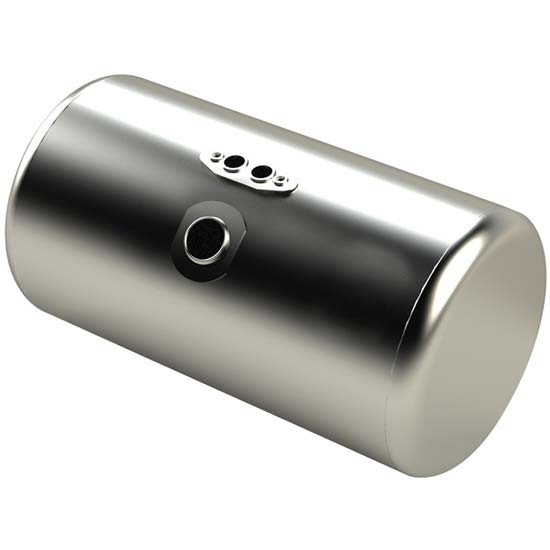
BESTfit Aluminum Fuel Tank 100 Gallon- 23 X 60 Inch- Center Fill W/ Early Style Manifold For Peterbilt
BESTFIT TRUCK PARTS
$959.99100 Gallon 23 X 60 Inch Aluminum Fuel Tank- Center Fill W/ Early Style Manifold By BESTfitWhen it's time to replace a worn or damaged fuel tank, the BESTfit Aluminum 100 Gallon Fuel Tank with Early...01-060010000- SKU:
- 01-060010000
- Ready To Ship:
- Yes
- Product Type:
- Fuel Tanks
- Material Options:
- Aluminum
- Length Options:
- 55 Inch
- Shape Options:
- Cylindrical
- Truck Class:
- Heavy Duty
- Position:
- Center Fill
- Capacity:
- 100 Gallons
- Make:
- Peterbilt
- Type Options:
- Center Fill
- Size Options:
- 11 Gauge
- Diameter Options:
- 24 1/2 Inch
$959.99Qty in Cart: 0Price:$959.99Subtotal: -

BESTfit Cummins DEF Doser Injector Replaces 5506855, A050S599, 4377650 For Cummins
BESTFIT TRUCK PARTS
$715.99Diesel Exhaust Fluid Doser Injector By BESTfit Replaces 5506855, A050S599, 4377650 Fits CumminsMaintain peak emissions system performance with the BESTfit Cummins DEF Doser Injector, a reliable...29-06070040- SKU:
- 29-06070040
- Product Type:
- Fuel Tanks
- Style Options:
- Cummins
- Make:
- Universal Items
$715.99Qty in Cart: 0Price:$715.99Subtotal: -

BESTfit DEF Sensor Head Assembly Replaces 5932338, AP65153, T434814
BESTFIT TRUCK PARTS
$914.99Diesel Exhuast Fluid Sensor Head Assembly By BESTfit Replaces 5932338, AP65153, T434814Maintain DEF system reliability with the BESTfit DEF Sensor Head Assembly. Designed for accurate monitoring of...29-06070037- SKU:
- 29-06070037
- Height Options:
- 13 Inch
- Product Type:
- Fuel Tanks
- Make:
- Universal Items
$914.99Qty in Cart: 0Price:$914.99Subtotal: -

BESTfit DEF Sensor Head Assembly Replaces 231064, 5066895, 85A7476
BESTFIT TRUCK PARTS
$1,778.99Diesel Exhaust Fluid Sensor Head Assembly By BESTfit Replaces 231064, 5066895, 85A7476Maintain precise emissions system performance with the BESTfit DEF Sensor Head Assembly, a premium replacement...29-06070039- SKU:
- 29-06070039
- Height Options:
- 22 Inch
- Product Type:
- Fuel Tanks
- Make:
- Universal Items
$1,778.99Qty in Cart: 0Price:$1,778.99Subtotal: -

BESTfit DEF Sensor Head Assembly Replaces 2515990C3, 601965, 5511564
BESTFIT TRUCK PARTS
$1,065.99Diesel Exhaust Fluid Sensor Head Assembly By BESTfit Replaces 2515990C3, 601965, 5511564Trust the BESTfit DEF Sensor Head Assembly to restore proper emissions monitoring. This high-quality component...29-06070033- SKU:
- 29-06070033
- Product Type:
- Fuel Tanks
- Height Options:
- 11 1/2 Inch
- Make:
- Universal Items
$1,065.99Qty in Cart: 0Price:$1,065.99Subtotal: -

BESTfit DEF Sensor Head Assembly Replaces AP65151, 5511561, GA111561
BESTFIT TRUCK PARTS
$1,572.99Diesel Exhaust Fluid Sensor Head Assembly By BESTfit Replaces AP65151, 5511561, GA111561Restore accuracy to your DEF system with the BESTfit DEF Sensor Head Assembly. Engineered for CAT C4.4-style...29-06070035- SKU:
- 29-06070035
- Product Type:
- Fuel Tanks
- Height Options:
- 22 Inch
- Make:
- Universal Items
$1,572.99Qty in Cart: 0Price:$1,572.99Subtotal: -

BESTfit DEF Sensor Head Assembly Replaces 3329295, 4812011099, 501740
BESTFIT TRUCK PARTS
$1,345.99Diesel Exhuast Fluid Sensor Head Assembly By BESTfit Replaces 3329295, 4812011099, 501740Maintain peak emissions system performance with the BESTfit DEF Sensor Head Assembly. Designed for Diesel...29-06070038- SKU:
- 29-06070038
- Height Options:
- 18 Inch
- Product Type:
- Fuel Tanks
- Make:
- Universal Items
$1,345.99Qty in Cart: 0Price:$1,345.99Subtotal: -

BESTfit DEF Pump 2.2 For Cummins Replaces 1819797, 2880158, A662102
BESTFIT TRUCK PARTS
$1,145.99Exhaust Fluid Pump 2.2 By BESTfit Replaces 1819797, 2880158, A662102 Fits CumminsOptimize your emissions system with the BESTfit DEF Pump 2.2, a dependable replacement for 1819797, 2880158, and...29-06070029- SKU:
- 29-06070029
- Product Type:
- Fuel Tanks
- Style Options:
- Cummins
- Make:
- Universal Items
$1,145.99Qty in Cart: 0Price:$1,145.99Subtotal: -

BESTfit DEF Sensor Head Assembly Replaces 4623219, 82196511, T434824
BESTFIT TRUCK PARTS
$891.99Diesel Exhaust Fluid Sensor Head Assembly By BESTfitStrengthen emissions system reliability with the BESTfit DEF Sensor Head Assembly, a high-quality replacement for 4623219, 82196511, and T434824...29-06070031- SKU:
- 29-06070031
- Product Type:
- Fuel Tanks
- Height Options:
- 11 Inch
- Make:
- Universal Items
$891.99Qty in Cart: 0Price:$891.99Subtotal: -

BESTfit DEF Sensor Head Assembly Replaces 82217519, 918161618, APP41422
BESTFIT TRUCK PARTS
$1,057.99Diesel Exhaust Fluid Sensor Head Assembly By BESTfit Replaces 82217519, 918161618, APP41422Count on accurate DEF monitoring with the BESTfit DEF Sensor Head Assembly, replacing 82217519, 918161618,...29-06070034- SKU:
- 29-06070034
- Height Options:
- 18 Inch
- Product Type:
- Fuel Tanks
- Make:
- Universal Items
$1,057.99Qty in Cart: 0Price:$1,057.99Subtotal: -
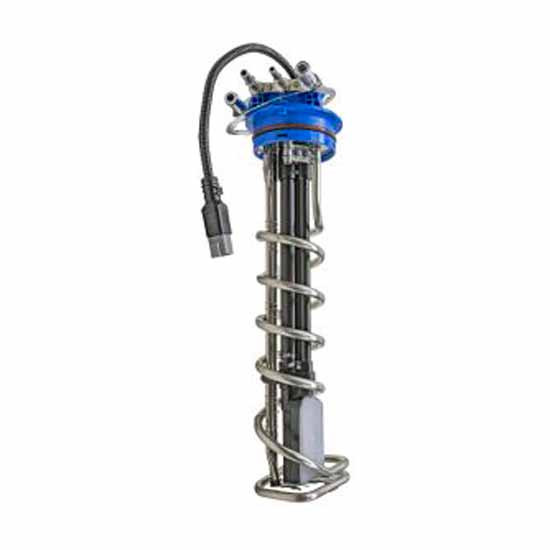
BESTfit DEF Sensor Head Assembly Replaces 3600932, 5913429, 714898
BESTFIT TRUCK PARTS
$887.99Diesel Exhaust Fluid Sensor Head Assembly By BESTfitEnsure consistent emissions performance with the BESTfit DEF Sensor Head Assembly. Built for CAT C3.6 and C4.4 engines, this assembly accurately...29-06070020- SKU:
- 29-06070020
- Product Type:
- Fuel Tanks
- Height Options:
- 18 Inch
- Make:
- Universal Items
$887.99Qty in Cart: 0Price:$887.99Subtotal: -
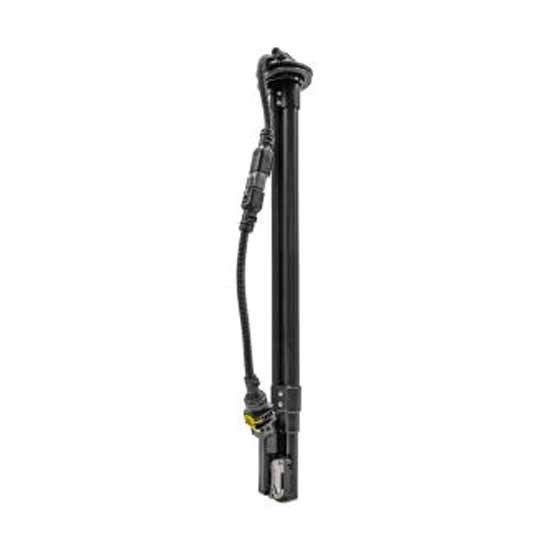
BESTfit DEF Fluid Level & Temperature Sensor For Paccar Replaces AP65148, GA617002, 216127002
BESTFIT TRUCK PARTS
$286.99DEF Fluid Level & Temperature Sensor By BESTfit Replaces AP65148, GA617002, 216127002 Fits PaccarSupport optimal SCR emissions performance with the BESTfit DEF Fluid Level & Temperature Sensor, a...29-06070030- SKU:
- 29-06070030
- Product Type:
- Fuel Tanks
- Make:
- Universal Items
$286.99Qty in Cart: 0Price:$286.99Subtotal: -
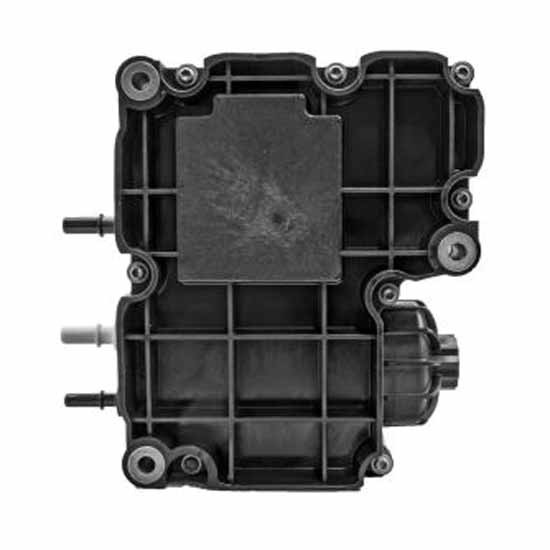
BESTfit DEF Pump 2.2 For Cummins Replaces 098644D207, 2P0131113B, 5EL056
BESTFIT TRUCK PARTS
$1,138.99Diesel Exhaust Fluid Pump 2.2 By BESTfit Replaces 098644D207, 2P0131113B, 5EL056 Fits CumminsMaximize the efficiency of your emissions system with the BESTfit DEF Pump 2.2, a reliable replacement for...29-06070027- SKU:
- 29-06070027
- Style Options:
- Cummins
- Product Type:
- Fuel Tanks
- Make:
- Universal Items
$1,138.99Qty in Cart: 0Price:$1,138.99Subtotal: -

BESTfit Doser Injector Mounting Hardware Kit For Cummins
BESTFIT TRUCK PARTS
$89.99Doser Injector Mounting Hardware Kit By BESTfit Replaces 2120750011, 4376837, NMD4376837 Fits Cummins EngineKeep your doser injector securely mounted with the BESTfit Doser Injector Mounting Hardware...29-06070021- SKU:
- 29-06070021
- Product Type:
- Fuel Tanks
- Material Options:
- Stainless Steel
- Style Options:
- Cummins
- Make:
- Universal Items
$89.99Qty in Cart: 0Price:$89.99Subtotal: -
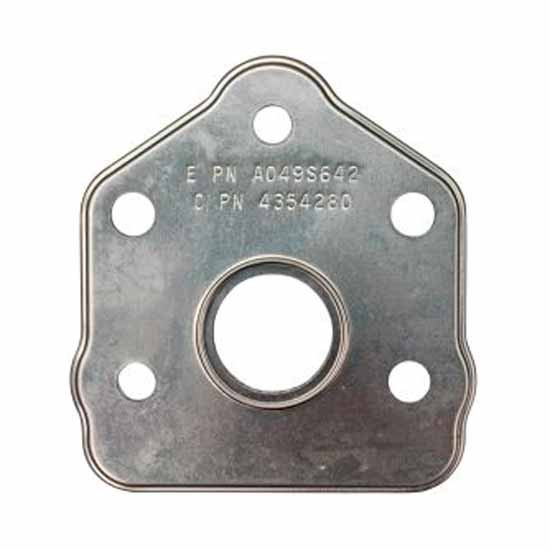
BESTfit Doser Injector Gasket For Cummins Engine Replaces 4354280, 2885890, A029Y977
BESTFIT TRUCK PARTS
$50.99Doser Injector Gasket Gasket By BESTfit Replaces 4354280, 2885890, A029Y977 Fits Cummins EngineMaintain proper injector sealing with the BESTfit Doser Injector Gaske for Cummins engines. Constructed...29-06070023- SKU:
- 29-06070023
- Product Type:
- Fuel Tanks
- Material Options:
- Stainless Steel
- Style Options:
- Cummins
- Make:
- Universal Items
$50.99Qty in Cart: 0Price:$50.99Subtotal: -
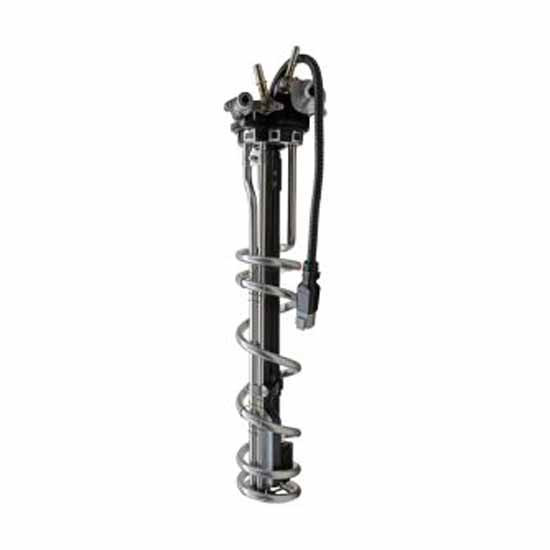
BESTfit DEF Sensor Head Assembly Replaces 2515991C2, 4378048, 5510447
BESTFIT TRUCK PARTS
$1,160.99Diesel Exhaust Fluid Sensor Head Assembly By BESTfitKeep your emissions system running efficiently with the BESTfit DEF Sensor Head Assembly, a direct replacement for part numbers 2515991C2, 4378048,...29-06070026- SKU:
- 29-06070026
- Height Options:
- 17 1/2 Inch
- Product Type:
- Fuel Tanks
- Make:
- Universal Items
$1,160.99Qty in Cart: 0Price:$1,160.99Subtotal: -
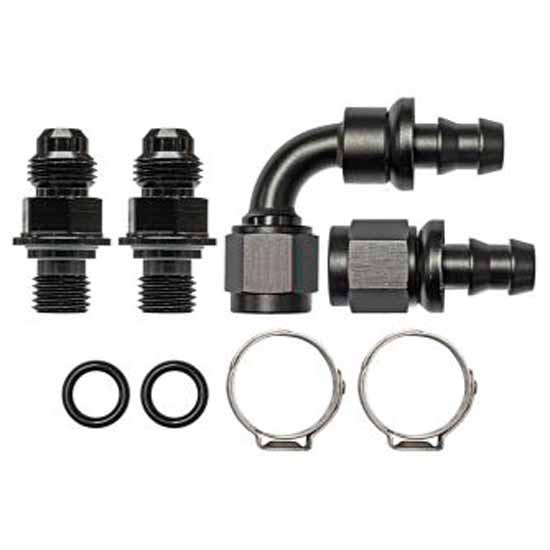
BESTfit DEF Doser Injector Kit For Cummins Engine Replaces 2121301002
BESTFIT TRUCK PARTS
$131.99Diesel Exhuast Fluid Injector Kit By BESTfit Replaces 2121301002 Fits Cummins EngineKeep your DEF system performing reliably with the BESTfit DEF Doser Injector Kit a replacement for Cummins engines...29-06070022- SKU:
- 29-06070022
- Product Type:
- Fuel Tanks
- Make:
- Universal Items
$131.99Qty in Cart: 0Price:$131.99Subtotal: -
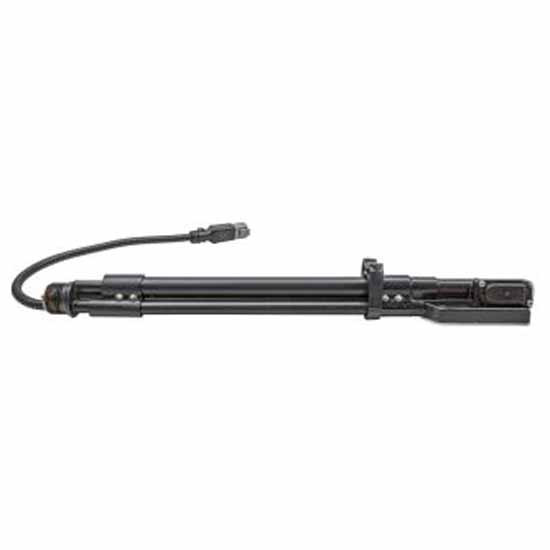
BESTfit DEF Fluid Level & Temperature Sensor Replaces 30B1514, 46850454, 621246
BESTFIT TRUCK PARTS
$1,263.99Diesel Exhaust Fluid Fluid Level & Temperature Sensor By BESTfitKeep your DEF system functioning properly with the BESTfit DEF Fluid Level & Temperature Sensor, replacing 30B1514, 46850454, and...29-06070019- SKU:
- 29-06070019
- Product Type:
- Fuel Tanks
- Height Options:
- 18 Inch
- Make:
- Universal Items
$1,263.99Qty in Cart: 0Price:$1,263.99Subtotal: -
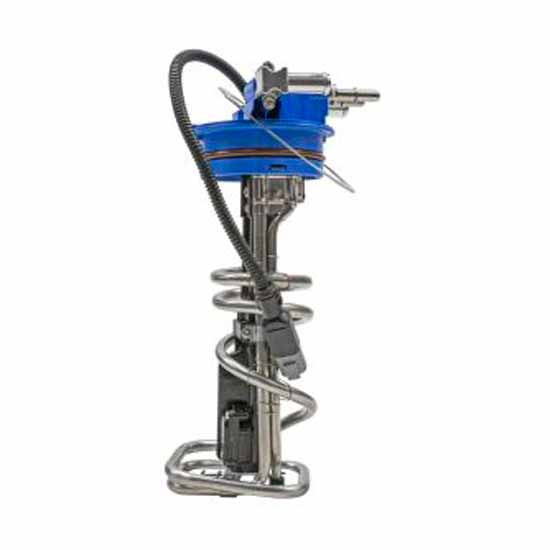
BESTfit DEF Sensor Head Assembly Replaces 077905V01501, 21640012, 46699859
BESTFIT TRUCK PARTS
$887.99Diesel Exhaust Fluid Sensor Head Assembly By BESTfitDepend on the BESTfit DEF Sensor Head Assembly for reliable DEF system performance. Designed for CAT C3.6 and C4.4 engines, it monitors diesel...29-06070018- SKU:
- 29-06070018
- Product Type:
- Fuel Tanks
- Height Options:
- 11 Inch
- Make:
- Universal Items
$887.99Qty in Cart: 0Price:$887.99Subtotal: -
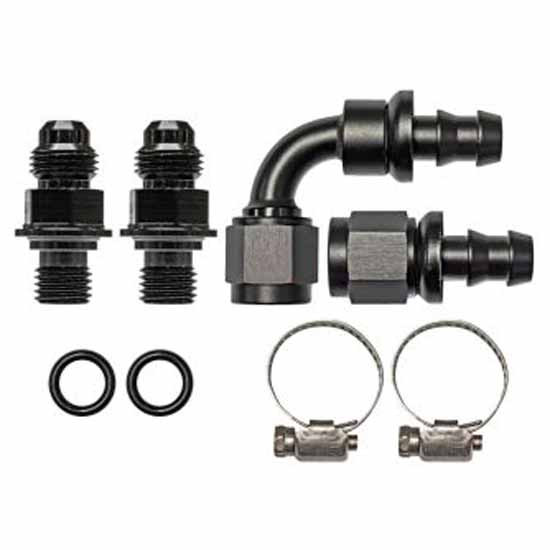
BESTfit DEF Doser Injector Kit Replaces 043028, 2121300002 For Cummins
BESTFIT TRUCK PARTS
$131.99Diesel Exhaust Fluid Doser Injector Kit By BESTfit Replaces 043028, 2121300002 Fits CumminsKeep emissions systems performing efficiently with the BESTfit DEF Doser Injector Kit, a direct replacement...09-06070004- SKU:
- 09-06070004
- Product Type:
- Fuel Tanks
- Make:
- Universal Items
$131.99Qty in Cart: 0Price:$131.99Subtotal: -
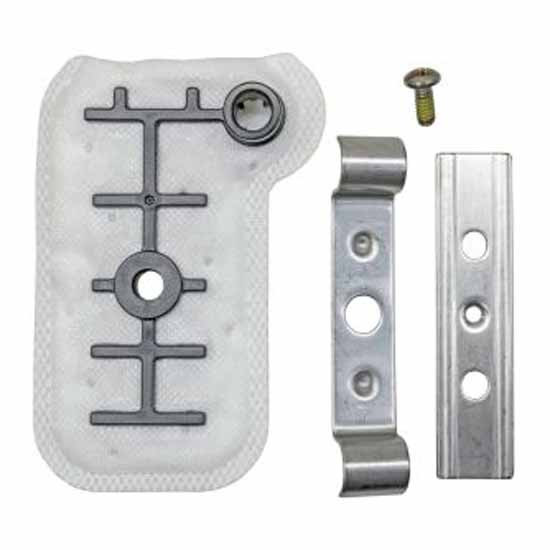
BESTfit DEF Filter Replaces 37332, 5002862, AP65142
BESTFIT TRUCK PARTS
$144.99Diesel Exhaust Fluid Filter By BESTfitKeep your DEF system operating cleanly and efficiently with the BESTfit DEF Filter, designed as a replacement for 37332, 5002862, and AP65142 in heavy-duty...09-06070001- SKU:
- 09-06070001
- Product Type:
- Fuel Tanks
- Make:
- Universal Items
$144.99Qty in Cart: 0Price:$144.99Subtotal: -
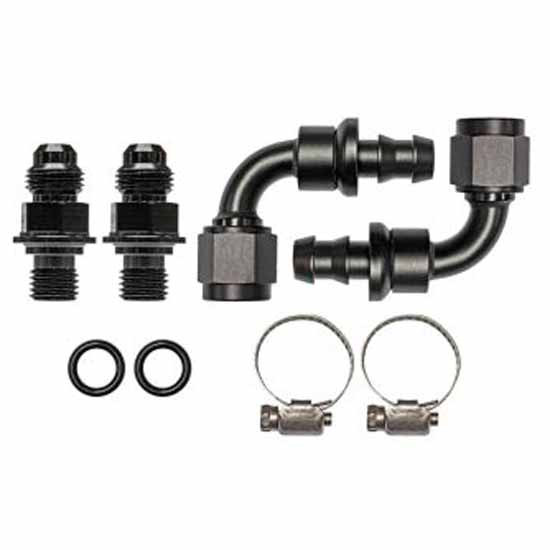
BESTfit DEF Doser Injector Kit For Cummins Replaces 043027, 2121300003, 321353
BESTFIT TRUCK PARTS
$131.99Diesel Exhaust Fluid Doser Injector Kit By BESTfit Replaces 043027, 2121300003, 321353 Fits CumminsMaintain accurate emissions dosing with the BESTfit DEF Doser Injector Kit, replacing 043027,...09-06070002- SKU:
- 09-06070002
- Product Type:
- Fuel Tanks
- Make:
- Universal Items
$131.99Qty in Cart: 0Price:$131.99Subtotal: -
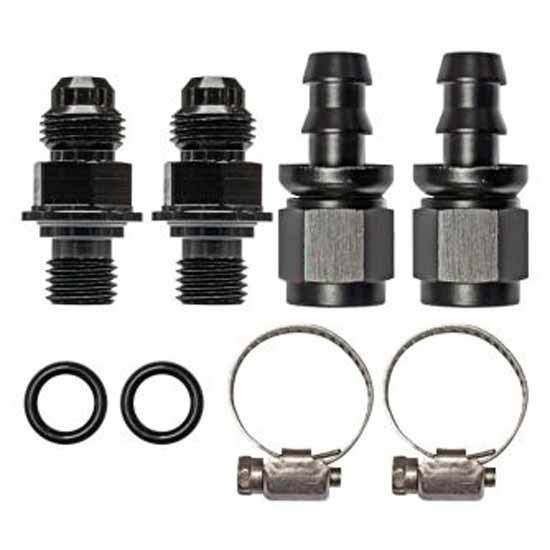
BESTfit DEF Doser Injector Kit Replaces 2121300001 For Cummins
BESTFIT TRUCK PARTS
$131.99Diesel Exhaust Fluid Doser Injector Kit By BESTfit Fits CumminsDepend on strong emissions system performance with the BESTfit DEF Doser Injector Kit, a replacement for 2121300001. Designed for...09-06070003- SKU:
- 09-06070003
- Position:
- Kit Full
- Product Type:
- Fuel Tanks
- Make:
- Universal Items
$131.99Qty in Cart: 0Price:$131.99Subtotal: -
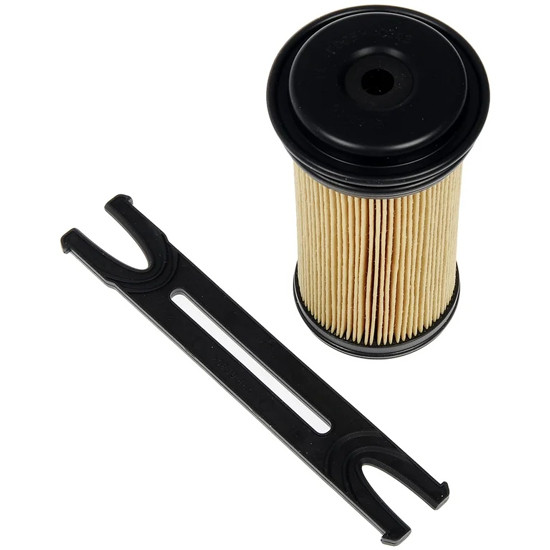
DEF Urea Filter Kit For Cummins ISL, ISB, ISC & PACCAR PX-6, PX-7, PX-9 Engine Replaces 1927474PE, 2014774PE, 21496419
DAYTON / DORMAN
$55.99Diesel Exhaust Fluid Urea Filter Kit Replaces 1927474PE, 2014774PE, 21496419 Fits Cummins & PACCAR EngineImprove emissions system reliability with this DEF Urea Filter Kit for Cummins and PACCAR...29-06070017- SKU:
- 29-06070017
- Style Options:
- Paccar
- Product Type:
- Fuel Tanks
- Make:
- Universal Items
$55.99Qty in Cart: 0Price:$55.99Subtotal: -
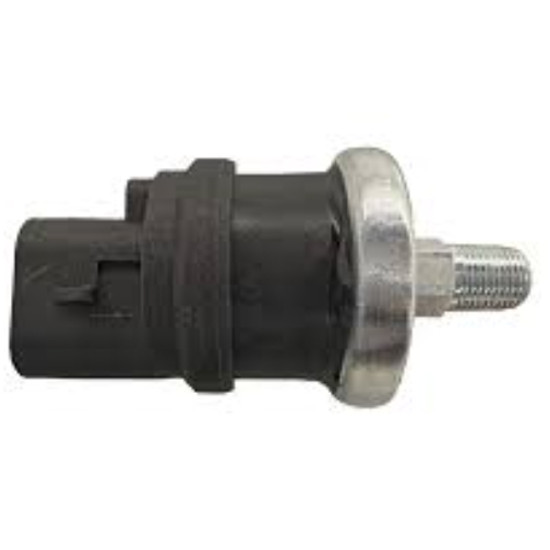
AirDog Fuel Pressure Switch W/ 5 PSI Activation Rating For FPII Fuel System
AIRDOG HD
$98.99Fuel Pressure Switch W/ 5 PSI Activation Rating By AirDog Fits FPII Fuel SystemUpgrade your FPII Fuel Air Separation System with the AirDog Fuel Pressure Switch, built for precision and durability...29-070300052- SKU:
- 29-070300052
- Product Type:
- Fuel Tanks
- Make:
- Universal Items
$98.99Qty in Cart: 0Price:$98.99Subtotal: -

Stainless Steel Fuel Tank Filler Panel For Peterbilt 2024 & Older
ARANDA TRUCK ACCESSORIES
$524.99 - $556.99Choose Option(s) to see description.Fitment* Fits Peterbilt 330 1995 thru 2005* Fits Peterbilt 335 2005 thru 2010* Fits Peterbilt 337 2011 thru 2022* Fits Peterbilt 352 1972 thru 1980* Fits Peterbilt...PPR_300588- SKU:
- PPR_300588
- Material Options:
- Stainless Steel
- Location:
- Made In USA
- Product Type:
- Fuel Tanks
- Light Options:
- Without Lights
- Make:
- Peterbilt
$524.99 - $556.99Qty in Cart: 0Price:$524.99 - $556.99Subtotal: -

Twelve Ga. Stainless Steel Fuel Tank Strap- 7 Inch For Peterbilt W/ 26 Inch Fuel Tank
TWELVE GAUGE
$573.997 Inch Stainless Steel Fuel Tank Strap By Twelve Ga.Keep your 26-inch tank firmly in place with this 7-inch stainless strap kit by Twelve Ga. Crafted from stainless steel, these straight-style straps...01-060100024- SKU:
- 01-060100024
- Material Options:
- Stainless Steel
- Width Options:
- 7 Inch
- Product Type:
- Fuel Tanks
- Make:
- Peterbilt
- Size Options:
- 11 Gauge
$573.99Qty in Cart: 0Price:$573.99Subtotal: -

Polished Fuel Tank Guard Cover And Latch W/ 4.25 Inch Neck Opening For Peterbilt
AFTERMARKET
$167.99Lock On Fuel Tank Guard Cover And Latch W/ 4.25 Inch Neck OpeningProtect what powers your truck with this Polished Fuel Tank Guard Cover and Latch built for Peterbilt. The 4.25-inch neck opening...01-060315- SKU:
- 01-060315
- Material Options:
- Steel
- Finish Options:
- Polished
- Product Type:
- Fuel Tanks
- Make:
- Peterbilt
$167.99Qty in Cart: 0Price:$167.99Subtotal: -
FREE SHIPPING OVER $249

BESTfit 4 Inch Non-Locking Lever Style Fuel Cap For Peterbilt
BESTFIT TRUCK PARTS
$75.99 - $689.99Choose Option(s) to see description.Fitment* Fits Peterbilt 330 1995 thru 2005* Fits Peterbilt 335 2005 thru 2010* Fits Peterbilt 337 2011 thru 2022* Fits Peterbilt 352 1972 thru 1980* Fits Peterbilt...PPR_300546- SKU:
- PPR_300546
- Truck Class:
- Heavy Duty
- Product Type:
- Fuel Tanks
- Material Options:
- Aluminum
- Diameter Options:
- 4 Inch
- Style Options:
- Non Vented
- Make:
- Peterbilt
- Ready To Ship:
- Yes
$75.99 - $689.99Qty in Cart: 0Price:$75.99 - $689.99Subtotal: -
FREE SHIPPING OVER $249
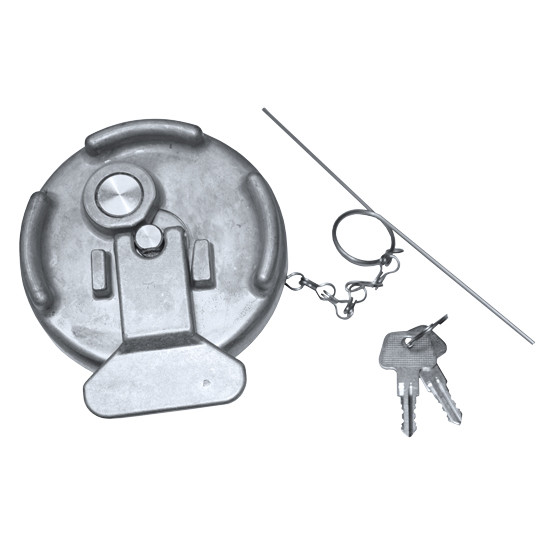
BESTfit 4 Inch Aluminum Non-Vented Lever-Style Locking Fuel Cap With Pressure Relief For Peterbilt
BESTFIT TRUCK PARTS
$100.99 - $883.99Choose Option(s) to see description.Fitment* Fits Peterbilt 330 1995 thru 2005* Fits Peterbilt 335 2005 thru 2010* Fits Peterbilt 337 2011 thru 2022* Fits Peterbilt 352 1972 thru 1980* Fits Peterbilt...PPR_300549- SKU:
- PPR_300549
- Material Options:
- Aluminum
- Style Options:
- Non Vented
- Truck Class:
- Heavy Duty
- Product Type:
- Fuel Tanks
- Make:
- Peterbilt
- Ready To Ship:
- Yes
- Location:
- Made In USA
- Diameter Options:
- 4 Inch
$100.99 - $883.99Qty in Cart: 0Price:$100.99 - $883.99Subtotal: -
On SaleLimited Quantity AvailableFREE SHIPPING OVER $249
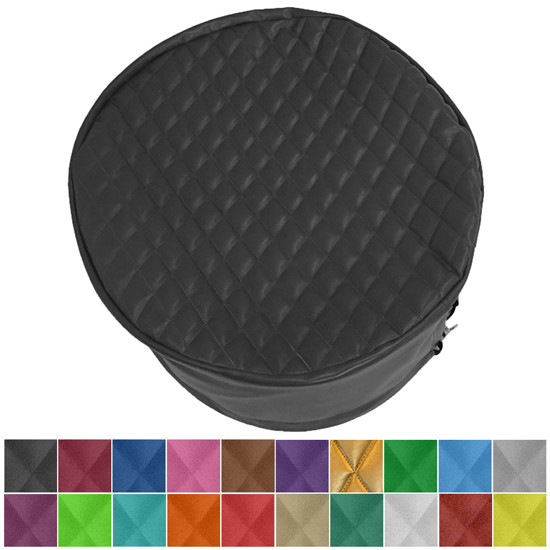
W/ SkirtRobert James 26 Inch Quilted Vinyl Tank Covers For Peterbilt
ROBERT JAMES ENTERPRISES
$171.49 - $247.99Shroud your fuel tanks with the 26 Inch Quilted Vinyl Fuel Tank Covers, perfectly crafted for a variety of Peterbilt models, including the Peterbilt 330, 335, 359, 379, and 389. Manufactured by...PPR_300550- SKU:
- PPR_300550
- Location:
- Made In USA
- Diameter Options:
- 26 Inch
- Material Options:
- Vinyl
- Product Type:
- Fuel Tanks
- Truck Class:
- Heavy Duty
- Make:
- Peterbilt
- Ready To Ship:
- Yes
- Diameter Options:
- 24 1/2 Inch
- Style Options:
- Quilted
- Color:
- Black
- Width Options:
- 9 Inch
- Width Options:
- 4 Inch
$171.49 - $247.99Qty in Cart: 0Price:$171.49 - $247.99Subtotal: -
FREE SHIPPING OVER $249

BESTfit Aluminum Fuel Tank End Cap For Peterbilt
BESTFIT TRUCK PARTS
$222.99 - $422.99Choose Option(s) to see description.Fitment* Fits Peterbilt 330 1995 thru 2005* Fits Peterbilt 335 2005 thru 2010* Fits Peterbilt 337 2011 thru 2022* Fits Peterbilt 352 1972 thru 1980* Fits Peterbilt...PPR_300548- SKU:
- PPR_300548
- Truck Class:
- Heavy Duty
- Diameter Options:
- 26 Inch
- Material Options:
- Aluminum
- Product Type:
- Fuel Tanks
- Diameter Options:
- 23 Inch
- Make:
- Peterbilt
- Ready To Ship:
- Yes
- Location:
- Made In USA
$222.99 - $422.99Qty in Cart: 0Price:$222.99 - $422.99Subtotal: -
FREE SHIPPING
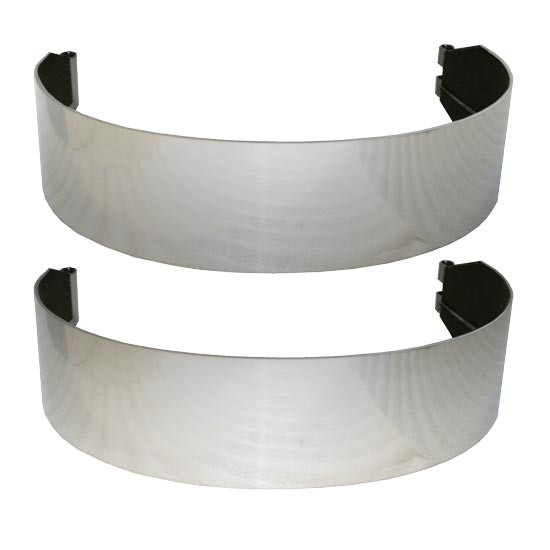
CSM 6 Inch Stainless Steel Fuel Tank Strap Kit For Peterbilt W/ 23 Inch Diameter Tanks
CHROME SHOP MAFIA
$597.99 - $612.99Choose Option(s) to see description.Fitment* Fits Peterbilt 330 1995 thru 2005* Fits Peterbilt 335 2005 thru 2010* Fits Peterbilt 375 1990 thru 1995* Fits Peterbilt 377 1990 thru 2000* Fits Peterbilt...PPR_300543- SKU:
- PPR_300543
- Length Options:
- 54 Inch
- Truck Class:
- Heavy Duty
- Location:
- Made In USA
- Width Options:
- 6 Inch
- Length Options:
- 52 Inch
- Material Options:
- Stainless Steel
- Product Type:
- Fuel Tanks
- Make:
- Peterbilt
- Ready To Ship:
- Yes
- Diameter Options:
- 26 Inch
- Finish Options:
- Polished
$597.99 - $612.99Qty in Cart: 0Price:$597.99 - $612.99Subtotal: -
FREE SHIPPING
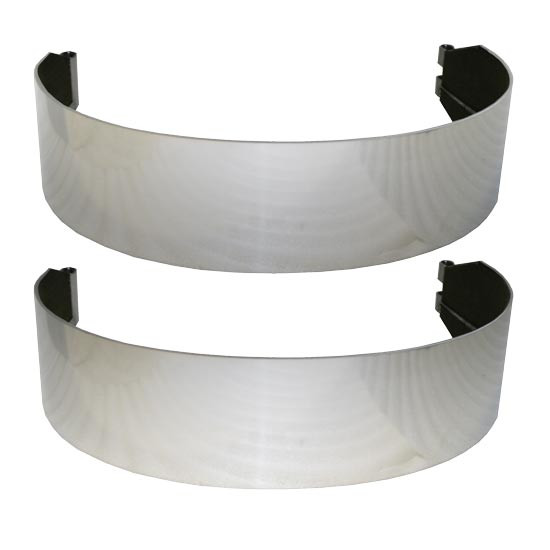
CSM Stainless Steel Fuel Tank Strap Kit For Peterbilt W/ 26 Inch Diameter Tanks
CHROME SHOP MAFIA
$411.99 - $679.99Secure and protect your Peterbilt's 26-inch diameter fuel tank with the CSM Stainless Steel Fuel Tank Strap Kit by Chrome Shop Mafia. Available in two sizes-8-inch and 4-inch-these high-quality strap...PPR_300542- SKU:
- PPR_300542
- Location:
- Made In USA
- Truck Class:
- Heavy Duty
- Material Options:
- Stainless Steel
- Width Options:
- 4 Inch
- Finish Options:
- Polished
- Position:
- Kit Full
- Product Type:
- Fuel Tanks
- Width Options:
- 8 Inch
- Make:
- Peterbilt
- Ready To Ship:
- Yes
- Diameter Options:
- 26 Inch
$411.99 - $679.99Qty in Cart: 0Price:$411.99 - $679.99Subtotal: -
FREE SHIPPING

Turnpike Truck Trim Polished Stainless Steel Tank Saddle Cover For Peterbilt 300 Series
TURNPIKE TRUCK TRIM
$368.99 - $377.99Choose Option(s) to see description.Fitment* Fits Peterbilt 330 1995 thru 2005* Fits Peterbilt 335 2005 thru 2006* Fits Peterbilt 352 1972 thru 1980* Fits Peterbilt 359 1967 thru 1986* Fits Peterbilt...PPR_300218- SKU:
- PPR_300218
- Diameter Options:
- 26 Inch
- Product Type:
- Fuel Tanks
- Style Options:
- Full Radius
- Material Options:
- Stainless Steel
- Truck Class:
- Heavy Duty
- Finish Options:
- Polished
- Make:
- Peterbilt
- Ready To Ship:
- Yes
$368.99 - $377.99Qty in Cart: 0Price:$368.99 - $377.99Subtotal: -

Small Stainless Steel DEF Tank Cover For 11.8 Gallon Tanks For Peterbilt
ROADWORKS
$592.99Choose Option(s) to see description.Fitment* Fits Peterbilt 330 1995 thru 2005* Fits Peterbilt 335 2005 thru 2010* Fits Peterbilt 337 2011 thru 2022* Fits Peterbilt 352 1972 thru 1980* Fits Peterbilt...PPR_300210- SKU:
- PPR_300210
- Finish Options:
- Paintable
- Truck Class:
- Heavy Duty
- Product Type:
- Fuel Tanks
- Finish Options:
- Polished
- Location:
- Made In USA
- Material Options:
- Stainless Steel
- Make:
- Peterbilt
$592.99Qty in Cart: 0Price:$592.99Subtotal: -

Stainless Steel Tank Saddle Covers - 1 Full, 1 Partial Radius For Peterbilt W/ 26 Inch Diameter Tanks
ROADWORKS
$336.99 - $362.99Choose Option(s) to see description.Fitment* Fits Peterbilt 330 1995 thru 2005* Fits Peterbilt 335 2005 thru 2010* Fits Peterbilt 337 2011 thru 2022* Fits Peterbilt 352 1972 thru 1980* Fits Peterbilt...PPR_300189- SKU:
- PPR_300189
- Material Options:
- Stainless Steel
- Location:
- Made In USA
- Style Options:
- Curve Turn
- Style Options:
- Miter Cut
- Product Type:
- Fuel Tanks
- Make:
- Peterbilt
- Diameter Options:
- 26 Inch
$336.99 - $362.99Qty in Cart: 0Price:$336.99 - $362.99Subtotal: -

Robert James 22 Inch Black Quilted Vinyl Fuel Tank End Cover W/ Skirt Size Options
ROBERT JAMES ENTERPRISES
$136.99 - $152.99Choose Option(s) to see description.Fitment** Fits Makes & Models W/ 22" X 16" Or 22" X 10" Fuel TanksRobert James 22 Inch Black Quilted Vinyl Fuel Tank End Covers W/ 10 Inch SkirtBlack Quilted Vinyl...PPR_300010- SKU:
- PPR_300010
- Color:
- Black
- Material Options:
- Vinyl
- Product Type:
- Fuel Tanks
- Length Options:
- 22 Inch
- Style Options:
- Quilted
- Width Options:
- 16 Inch
- Location:
- Made In USA
- Make:
- Universal Items
$136.99 - $152.99Qty in Cart: 0Price:$136.99 - $152.99Subtotal: -

Dosing Pump Urea Injection Replaces 2871879, 0444042132, 4387657 For Cummins & PACCAR Engines
AFTERMARKET
$776.995.5 X 8.09 Inch Dosing Pump Urea Injection- 10 PinEnsure precise DEF delivery with this high-quality Dosing Pump Urea Injection for Cummins and PACCAR engines. The 2.2 Type Supply Module features a...29-08060023- SKU:
- 29-08060023
- Product Type:
- Exhaust
- Height Options:
- 5 Inch
- Make:
- Universal Items
$776.99Qty in Cart: 0Price:$776.99Subtotal: -

4.813 X 40.25 Inch Aluminum Fuel Tank Step For Peterbilt, Kenworth
AFTERMARKET
$195.994.813 X 40.25 Inch Fuel Tank Step Replaces K229-1169-3, K22911693Upgrade your truck's accessibility with a corrosion-resistant aluminum fuel tank step. This 40.25 x 4.813 x 1.930-inch step fits...29-06010002- SKU:
- 29-06010002
- Product Type:
- Fuel Tanks
- Material Options:
- Aluminum
- Length Options:
- 40 Inch
- Width Options:
- 4 3/4 Inch
- Make:
- Peterbilt
- Make:
- Kenworth
- Ready To Ship:
- Yes
$195.99Qty in Cart: 0Price:$195.99Subtotal: -
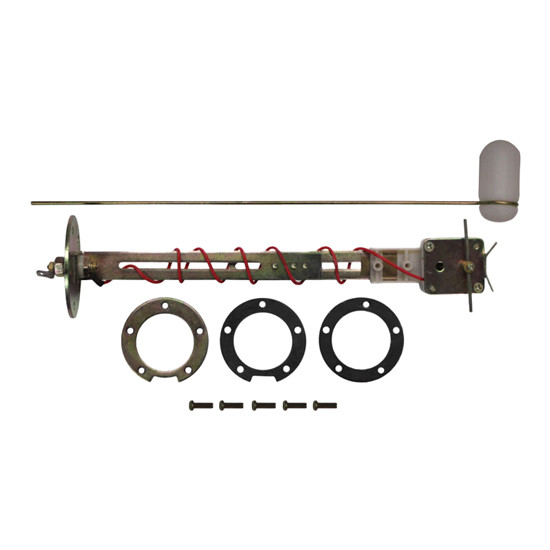
Fuel Level Sending Unit Replaces 391CD W/ Tank Depth Options
AUTOMANN USA
$32.61 - $37.11Choose Option(s) to see description.Fitment** Fits Multiple Models of Freightliner, International, Kenworth, Ford, Mack, Sterling, Western Star, Peterbilt, & Volvo TrucksFuel Level Sending Unit...PPR_299478- SKU:
- PPR_299478
- Product Type:
- Fuel Tanks
- Make:
- Universal Items
$32.61 - $37.11Qty in Cart: 0Price:$32.61 - $37.11Subtotal: -
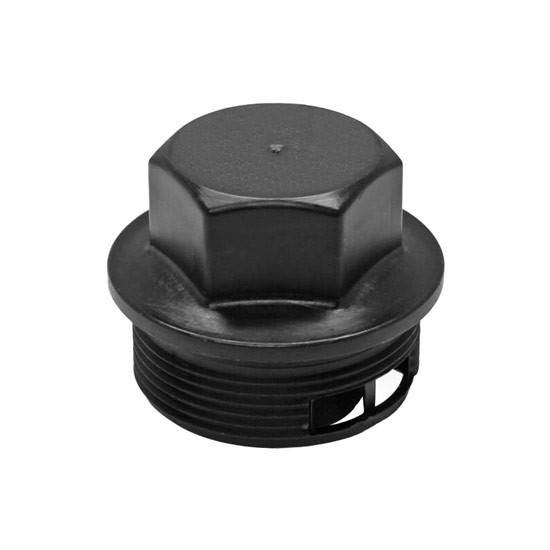
Engine Fuel Filter Cap Replaces A4720920008. DDEA4720920008 For Detroit Diesel DD15 Engine
AUTOMANN USA
$37.092.16 Inch Detroit Diesel DD15 Engine Fuel Filter CapUpgrade your fuel system with this premium Engine Fuel Filter Cap for Detroit Diesel DD15 engines, designed to replace A4720920008 and...29-06010001- SKU:
- 29-06010001
- Width Options:
- 1 3/4 Inch
- Product Type:
- Fuel Tanks
- Diameter Options:
- 2 Inch
- Style Options:
- Detroit
- Make:
- Universal Items
$37.09Qty in Cart: 0Price:$37.09Subtotal: -
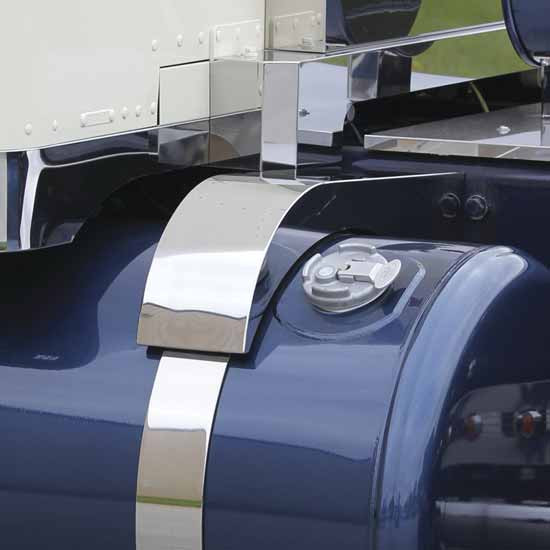
Stainless Steel Full Radius Upper Fuel Tank Bracket Cover W/ Sanded Finish For Peterbilt W/ 26 Inch Diameter Tanks
ROADWORKS
$326.99Sanded Full Radius Upper Fuel Tank Bracket Cover For 26 Inch Diameter Fuel TanksAdd durability and style to your Peterbilt with a pair of Stainless Steel Full Radius Tank Saddle Covers designed for...01-0601026- SKU:
- 01-0601026
- Product Type:
- Fuel Tanks
- Truck Class:
- Heavy Duty
- Material Options:
- Stainless Steel
- Make:
- Peterbilt
- Diameter Options:
- 26 Inch
$326.99Qty in Cart: 0Price:$326.99Subtotal: -

50 GPM 1.25 Inch Return Line Filter W/ 10 Micron & 25 PSI Bypass
BUYERS PRODUCTS
$60.9950 GPM 1.25 Inch Return Line FilterDeliver superior hydraulic protection with the 50 GPM 1.25 Inch Return Line Filter, a durable, high-performance solution for high-demand systems. With a 10-micron...09-02500266- SKU:
- 09-02500266
- Product Type:
- Cargo Control
- Make:
- Universal Items
$60.99Qty in Cart: 0Price:$60.99Subtotal: -

26 GPM 1 Inch In- Tank Filter W/ 25 Micron & 25 PSI Bypass
BUYERS PRODUCTS
$138.9926 GPM 1 Inch In- Tank FilterRely on the 26 GPM 1 Inch In-Tank Filter to keep your fuel system clean and operating efficiently. With 25-micron filtration, 25 PSI bypass, and a 26 GPM flow rate, it...09-02500264- SKU:
- 09-02500264
- Product Type:
- Cargo Control
- Make:
- Universal Items
$138.99Qty in Cart: 0Price:$138.99Subtotal: -

35 Gallon Aluminum Side Mount Cylindrical Reservoir- 24 X 19 Inch
BUYERS PRODUCTS
$1,069.9935 Gallon Side Mount Cylindrical ReservoirBuilt for strength and reliability, the 35 Gallon Aluminum Side Mount Cylindrical Reservoir offers a premium hydraulic fluid storage solution. Constructed...09-02500265- SKU:
- 09-02500265
- Capacity:
- 35 Gallons
- Product Type:
- Cargo Control
- Diameter Options:
- 24 Inch
- Material Options:
- Aluminum
- Shape Options:
- Cylindrical
- Length Options:
- 19 Inch
- Type Options:
- Side Mount
- Make:
- Universal Items
$1,069.99Qty in Cart: 0Price:$1,069.99Subtotal: