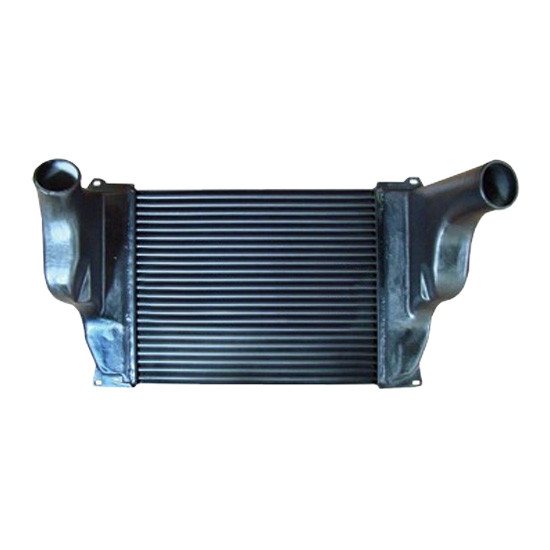
Kenworth Cabover Charge Air Coolers: Keep your cabover running cool with durable, lightweight charge air coolers made for K100C/E, T300, and T450 models. Built for top-notch airflow and heat dissipation, these tube-and-fin coolers handle heavy loads with ease. Perfect for replacements or upgrades, they’re a reliable, direct fit to keep your engine performing at its best.
Frequently Asked Questions About Kenworth Cabover Charge Air Coolers
What does a charge air cooler do on a Kenworth cabover?
A charge air cooler, also known as an intercooler, cools the compressed air coming from the turbocharger before it enters the engine. Cooler, denser air improves combustion efficiency, which helps the engine produce power more effectively and can reduce strain on internal components.
How do I know if my charge air cooler needs to be replaced?
Common signs include a noticeable loss of engine power, increased black smoke from the exhaust, higher fuel consumption, visible cracks or leaks in the cooler fins or end tanks, and oil residue around the unit. If you notice boost pressure warnings or check engine lights related to intake air temperature, it is worth inspecting the cooler for damage.
Will a charge air cooler for a Kenworth cabover fit my specific model and year?
Fitment can vary between Kenworth cabover models and production years due to differences in mounting points, hose connections, and overall cooler dimensions. Always check the listed year, make, and model compatibility for each product before ordering, and compare part numbers with your original unit if you are unsure.
Are these charge air coolers new, used, or reconditioned?
Availability depends on the specific product listing. Some charge air coolers are new aftermarket replacements, while others may be used take-offs from salvaged trucks. Be sure to review the condition listed on each product page, including any details about testing or inspection, before making a purchase.
What should I check before installing a replacement charge air cooler?
Before installation, inspect all mounting brackets, hose connections, and clamps for wear or damage, since these are often reused with the new cooler. It is also a good practice to check the surrounding hoses and seals for cracks, and to pressure test the system after installation to confirm there are no leaks before returning the truck to service.