



Peterbilt 330/335/337 Air Springs & Level Valves
- Product
- Qty in Cart
- Quantity
- Price
- Subtotal
-
FREE SHIPPING OVER $249

Air Ride Suspension Leveling Valve - Replaces HV9990 For Kenworth, Peterbilt
AFTERMARKET
$78.99Suspension Leveling ValveMaintain precise ride height and optimal performance on your Kenworth or Peterbilt with the Air Ride Suspension Leveling Valve. Designed for air ride suspensions, this...29-051803- SKU:
- 29-051803
- Truck Class:
- Heavy Duty
- Make:
- Universal Items
- Product Type:
- Frame & Chassis
- Ready To Ship:
- Yes
$78.99Qty in Cart: 0Price:$78.99Subtotal: -
FREE SHIPPING OVER $249
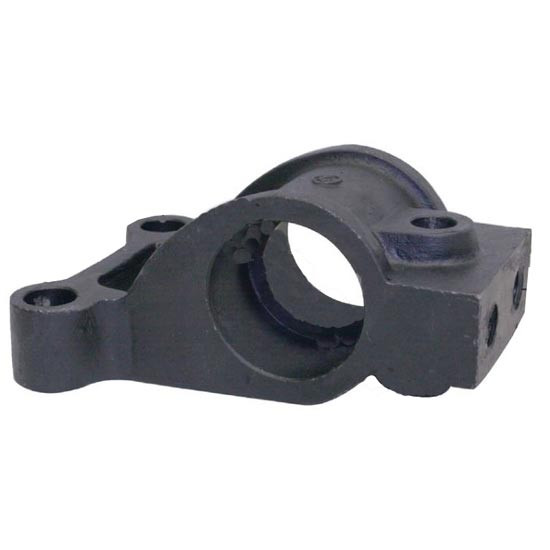
Peterbilt Rear Spring Bushing Mount For Low Air Leaf Suspension by BESTfit
BESTFIT TRUCK PARTS
$62.99BESTfit Rear Spring Bushing Mount Fits PeterbiltDo you need a low air leaf spring bushing mount for your Peterbilt? We carry this mount which is an aftermarket replacement part specifically for OE...01-051018- SKU:
- 01-051018
- Truck Class:
- Heavy Duty
- Product Type:
- Frame & Chassis
- Material Options:
- Plastic/Poly
- Make:
- Peterbilt
- Ready To Ship:
- Yes
$62.99Qty in Cart: 0Price:$62.99Subtotal: -
FREE SHIPPING OVER $249
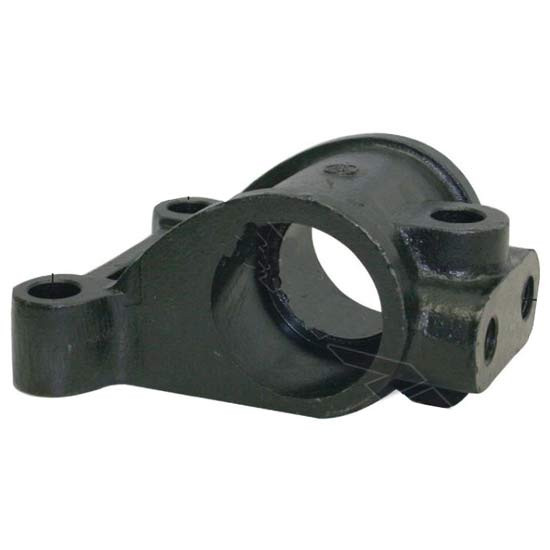
Peterbilt Air Leaf Housing by BESTfit
BESTFIT TRUCK PARTS
$36.74BESTfit Air Leaf Spring Fits PeterbiltThe BESTfit Peterbilt Air Leaf Housing is engineered to provide unmatched durability and precise fit for your truck's suspension system. Designed for 4.000-inch...01-051017- SKU:
- 01-051017
- Truck Class:
- Heavy Duty
- Product Type:
- Frame & Chassis
- Make:
- Peterbilt
- Ready To Ship:
- Yes
$36.74Qty in Cart: 0Price:$36.74Subtotal: -

40K Cast Steel Air Spring Pedestal For Peterbilt Rear Air Leaf & Air Trac Suspensions
AFTERMARKET
$428.99Reinforce your Peterbilt's rear suspension with the BESTfit 40K Cast Steel Air Spring Pedestal, designed for Air Leaf and Air Trac systems. Built from high-strength cast steel, this pedestal offers...PPR_201134- SKU:
- PPR_201134
- Truck Class:
- Heavy Duty
- Material Options:
- Steel
- Make:
- Peterbilt
- Product Type:
- Frame & Chassis
- Ready To Ship:
- Yes
$428.99Qty in Cart: 0Price:$428.99Subtotal: -

46K Cast Steel Air Spring Pedestal For Peterbilt Rear Air Leaf & Air Trac Suspension
AFTERMARKET
$554.99Reinforce your Peterbilt's rear suspension with the BESTfit 46K Cast Steel Air Spring Pedestal, built for both Air Leaf and Air Trac suspension systems. Constructed from rugged cast steel, this...PPR_201135- SKU:
- PPR_201135
- Truck Class:
- Heavy Duty
- Material Options:
- Steel
- Make:
- Peterbilt
- Product Type:
- Frame & Chassis
$554.99Qty in Cart: 0Price:$554.99Subtotal: -
FREE SHIPPING OVER $249

Air Bag For Steer Axle Kit-Replaces W01-358-6926
AUTOMANN USA
$146.99Double Convoluted Air BagUpgrade your vehicle's steer axle system with this premium Air Bag, designed to replace OEM W01-358-6926. Featuring a double convoluted design, it delivers exceptional load...29-051006- SKU:
- 29-051006
- Truck Class:
- Heavy Duty
- Style Options:
- Double Convolute
- Make:
- Universal Items
- Product Type:
- Frame & Chassis
- Ready To Ship:
- Yes
$146.99Qty in Cart: 0Price:$146.99Subtotal: -
FREE SHIPPING OVER $249

BESTfit Height Control Valve, Short Delay Replaces 12144, TTN12144,
BESTFIT TRUCK PARTS
$76.99Height Control Valve Hadley Style With 2 Levers And 2 Mounting Brackets By BESTfitMaintain precise suspension control with the BESTfit Height Control Valve, Short Dela. This versatile valve can...09-051010- SKU:
- 09-051010
- Truck Class:
- Universal
- Style Options:
- Hadley Style
- Make:
- Universal Items
- Product Type:
- Frame & Chassis
- Ready To Ship:
- Yes
$76.99Qty in Cart: 0Price:$76.99Subtotal: -
FREE SHIPPING OVER $249

TPHD Leveling Valve Rod Linkage Kit Replaces OE 03-05180 03-06224 For Peterbilt Rear Air Leaf, Low Air Leaf & Rear Air Trac Suspensions
TPHD
$14.04Leveling Valve Rod Linkage Kit W/ 18 Inch Rod With Ends & Hardware By TPHD Fits Peterbilt Rear Air Leaf, Low Air Leaf & Rear Air Trac SuspensionsKeep your suspension system operating at peak...01-051800K01- SKU:
- 01-051800K01
- Product Type:
- Frame & Chassis
- Length Options:
- 18 Inch
- Truck Class:
- Heavy Duty
- Make:
- Peterbilt
- Ready To Ship:
- Yes
- Position:
- Kit Full
$14.04Qty in Cart: 0Price:$14.04Subtotal: -
FREE SHIPPING OVER $249

BESTfit Rolling Lobe Air Bag For Peterbilt Low Air Leaf, Kenworth AG210L, AG400L Suspensions
BESTFIT TRUCK PARTS
$152.99BESTfit Rolling Lobe Air Bag - Replaces W01-358-8852Maintain precise ride control on Peterbilt low air leaf and Kenworth AG210L/AG400L suspensions with the BESTfit Rolling Lobe Air Bag. Its rolling...29-0510012- SKU:
- 29-0510012
- Height Options:
- 24 Inch
- Truck Class:
- Heavy Duty
- Rating:
- 100 PSI
- Diameter Options:
- 12 Inch
- Style Options:
- Rolling Lobe
- Material Options:
- Plastic/Poly
- Make:
- Kenworth
- Make:
- Peterbilt
- Product Type:
- Frame & Chassis
$152.99Qty in Cart: 0Price:$152.99Subtotal: -

BESTfit Air Spring Rolling Lobe Style W/ Plastic Base, Replaces C81-1013 For Peterbilt New Low Spring
BESTFIT TRUCK PARTS
$193.99Air Spring 7.8 To 25.2 Inch By BESTfit Replaces C81-1013 Fits Peterbilt New Low SpringThe BestFit Air Spring is a premium replacement designed to fit and replace part number C81-1013. Engineered for...01-051032K01- SKU:
- 01-051032K01
- Rating:
- 100 PSI
- Diameter Options:
- 12 Inch
- Height Options:
- 25 Inch
- Truck Class:
- Heavy Duty
- Style Options:
- Rolling Lobe
- Material Options:
- Plastic/Poly
- Make:
- Peterbilt
- Product Type:
- Frame & Chassis
$193.99Qty in Cart: 0Price:$193.99Subtotal: -

TPHD Air Ride Suspension Height Control Leveling Valve - Midland Type
AFTERMARKET
$120.99Height Control Leveling Valve Midland Replacement By TPHDKeep your air suspension system properly balanced with the TPHD Air Ride Suspension Height Control Leveling Valve, Midland type. Constructed...09-051007- SKU:
- 09-051007
- Truck Class:
- Universal
- Make:
- Universal Items
- Product Type:
- Frame & Chassis
$120.99Qty in Cart: 0Price:$120.99Subtotal: -
FREE SHIPPING OVER $249

BESTfit Premium Rubber Bushing 2.55 OD X 5.672 Inch For Peterbilt Rear Spring Air Ride Kits
BESTFIT TRUCK PARTS
$65.99Leaf Spring Poly Bushing 5.688 Inch C To C By BESTfit Fits Peterbilt Rear Spring Air Ride KitsDesigned for strength and endurance, the BESTfit 2.55" x 5.672" Premium Rubber Bushing is perfect for...01-0510111K01- SKU:
- 01-0510111K01
- Length Options:
- 7 Inch
- Product Type:
- Frame & Chassis
- Truck Class:
- Heavy Duty
- Material Options:
- Rubber
- Make:
- Peterbilt
- Ready To Ship:
- Yes
- Position:
- Kit Full
$65.99Qty in Cart: 0Price:$65.99Subtotal: -
FREE SHIPPING OVER $249

BESTfit Adjustable Leveling Valve Linkage Kit W/ Hose Clamps & Hardware, Replaces E3760A R303760 R303760A For Peterbilt New Low Air Leaf Suspension
BESTFIT TRUCK PARTS
$38.333.625 To 19.625 Inch Adjustable Leveling Valve Linkage Kit W/ Rubber Grommets & Seal By BESTfit Replaces E3760A R303760 R303760A Fits Peterbilt New Low Air Leaf SuspensionThe BESTfit 3.625 to 19.625...01-051057K01- SKU:
- 01-051057K01
- Truck Class:
- Heavy Duty
- Product Type:
- Frame & Chassis
- Make:
- Peterbilt
- Length Options:
- 19 5/8 Inch
- Position:
- Kit Full
$38.33Qty in Cart: 0Price:$38.33Subtotal: -
FREE SHIPPING OVER $249

BESTfit Leveling Valve W/ 1/8 NPT & 1/4 Inch Fittings For Peterbilt Replaces 10464, 121288B
BESTFIT TRUCK PARTS
$84.99Leveling Valve W/ 1/8 NPT & 1/4 Inch Fittings By BESTfit Replaces 10464, 121288B Fits PeterbiltReplace your worn or faulty leveling valve with this reliable BESTfit Neway Replacement, compatible with...01-051001K01- SKU:
- 01-051001K01
- Truck Class:
- Heavy Duty
- Product Type:
- Frame & Chassis
- Make:
- Peterbilt
- Ready To Ship:
- Yes
- Position:
- Kit Full
$84.99Qty in Cart: 0Price:$84.99Subtotal: -
FREE SHIPPING OVER $249
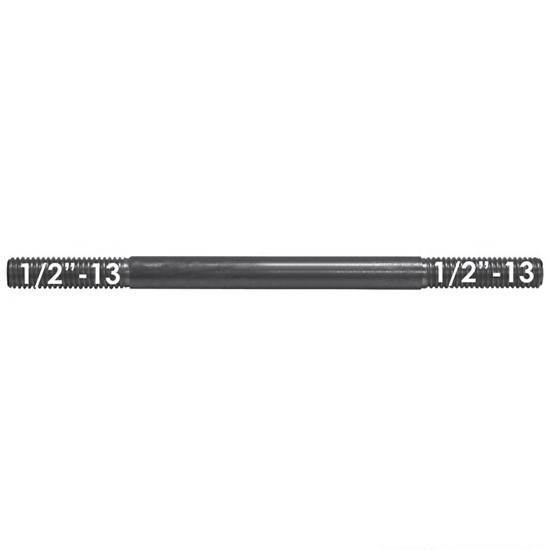
BESTfit 8.04 Inch OAL Air Spring Stud Replaces 27-01746 For Peterbilt New Low Air Leaf Suspension
BESTFIT TRUCK PARTS
$9.35BESTfit Air Spring Stud Fits Peterbilt New Low Air Leaf SuspensionThe BESTfit 8.04 Inch Overall Length Air Spring Stud is a premium replacement component designed to perfectly match OEM part number...01-051054K01- SKU:
- 01-051054K01
- Diameter Options:
- 1/2 Inch
- Length Options:
- 8 Inch
- Truck Class:
- Heavy Duty
- Make:
- Peterbilt
- Product Type:
- Frame & Chassis
$9.35Qty in Cart: 0Price:$9.35Subtotal: -

Air Bag Bracket Replaces 3897, 6030, WC13583897, 2012301
AUTOMANN USA
$19.083.00 X 2.44 Inch Air Bag Bracket W/ 0.59 Inch Mounting HoleDesigned for durability and performance, this Air Bag Bracket ensures rear suspension stability on Reyco/Transpro-equipped trucks. It helps...29-05100195- SKU:
- 29-05100195
- Product Type:
- Frame & Chassis
- Width Options:
- 3 Inch
- Make:
- Universal Items
$19.08Qty in Cart: 0Price:$19.08Subtotal: -

Air Spring Rolling Lobe Replaces 9033, 1R12-351, 64430, 90044198, 90557012
AFTERMARKET
$170.99Replacement Air Spring Rolling Lobe* High Quality Air Spring* Rolling Lobe Type* 5700 Load At 80 PSI* 7200 Load At 100 PSI* 81 CPM Natural Frequency* Plastic Bottom Plate* With Bumper* Dimensions: -...29-05100039- SKU:
- 29-05100039
- Product Type:
- Frame & Chassis
- Material Options:
- Plastic/Poly
- Make:
- Universal Items
- Diameter Options:
- 9 Inch
- Height Options:
- 12 1/2 Inch
- Style Options:
- Rolling Lobe
$170.99Qty in Cart: 0Price:$170.99Subtotal: -

Spacer Washer, 3 Inch ID
AUTOMANN USA
$13.87Spacer Washer Bushing For Rear Drive Air* High Quality Spacer Washer* Dimensions: - 4.225 Inch O.D. - 3.000 Inch I.D. - 0.306 Inch Thickness* Sold Individually* Warranty On Spacer Washers Against...29-05250044- SKU:
- 29-05250044
- Diameter Options:
- 3 Inch
- Truck Class:
- Universal
- Make:
- Universal Items
- Product Type:
- Frame & Chassis
$13.87Qty in Cart: 0Price:$13.87Subtotal: -

Parking Valve W/ 2 Way Check Valve 401029
AFTERMARKET
$71.99Tractor Trailer Park Valve W/2-Way Check ValveThe Parking Valve with a Two-Way Check Valve is used in air brake systems for heavy-duty vehicles. It has a 1/4 inch NPT inlet for connecting air lines,...09-05170058- SKU:
- 09-05170058
- Product Type:
- Frame & Chassis
- Truck Class:
- Universal
- Make:
- Universal Items
$71.99Qty in Cart: 0Price:$71.99Subtotal: -

Paralift Beam Assembly For Hendrickson
AFTERMARKET
$506.99Choose Option(s) to see description.Paralift Beam Assembly - Replaces D147841 For HendricksonHendrickson Beam Assembly For Driver Side Inboard or Passenger Outboard* High Quality Beam Assembly*...PPR_298967- SKU:
- PPR_298967
- Truck Class:
- Heavy Duty
- Material Options:
- Plastic/Poly
- Make:
- Universal Items
- Product Type:
- Frame & Chassis
$506.99Qty in Cart: 0Price:$506.99Subtotal: -
FREE SHIPPING OVER $249
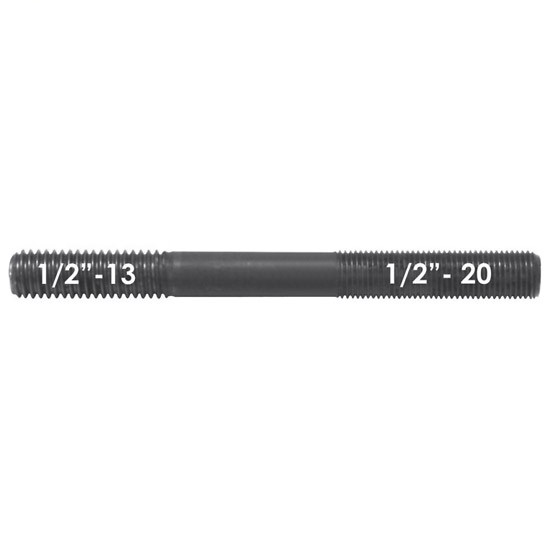
BESTfit Air Spring Stud Replaces 03-02425, 27-00173, D8400-7754 For Peterbilt Flex Air & Air Trac
BESTFIT TRUCK PARTS
$8.25BESTfit 5.0625 Inch OAL Air Spring Stud Fits Peterbilt Flex Air & Air Trac SuspensionEngineered to endure the pressure and motion of the air spring, this threaded metal stud ensures a secure and...01-051043K01- SKU:
- 01-051043K01
- Length Options:
- 5 Inch
- Truck Class:
- Heavy Duty
- Make:
- Peterbilt
- Product Type:
- Frame & Chassis
$8.25Qty in Cart: 0Price:$8.25Subtotal: -
FREE SHIPPING OVER $249

Air Bag Nut For Top Mounting Stud
AUTOMANN USA
$1.13Air Bag Nut* High Quality Air Bag Nut* For Top Mounting Stud On Air Bags* Dimensions - 0.750-16 ID TPI - 1.125 OD HEX - 0.625 HT* Sold Individually* Warranty On Air Bag Nuts Against Defects In...09-051011- SKU:
- 09-051011
- Diameter Options:
- 3/4 Inch
- Truck Class:
- Universal
- Make:
- Universal Items
- Product Type:
- Interior
$1.13Qty in Cart: 0Price:$1.13Subtotal: -
FREE SHIPPING OVER $249
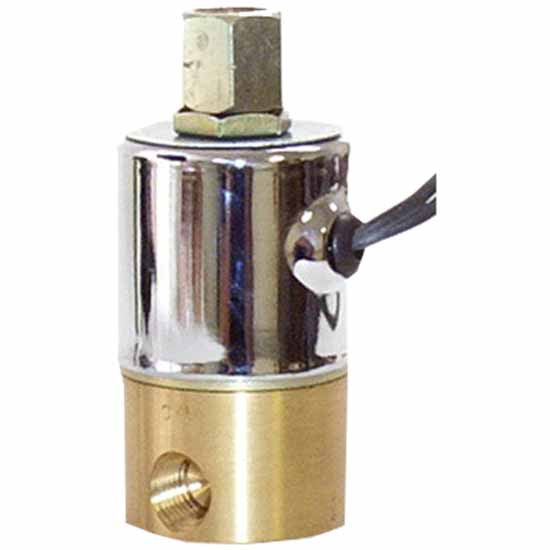
Air Solenoid Valve 1/4 Inch Threads Replaces Neway Part 90021075, Normally Open
VELVAC
$94.99Normally Open 12 VDC Air Solenoid Valve* High Quality Air Solenoid Valve* Controls the Flow Of Air* Normally Open* Direct Replacement for Neway 90054075* 12 VDC, 10 Watts* Intermittent Use Only* 100...09-051800- SKU:
- 09-051800
- Truck Class:
- Universal
- Make:
- Universal Items
- Product Type:
- Frame & Chassis
$94.99Qty in Cart: 0Price:$94.99Subtotal: -

Height Control Valve Hadley Type Replaces G90-1099-095, G901099095, 90555375, 90555121
AFTERMARKET
$168.99PR Plus Height Control ValveThe Height Control Valve Hadley Type is engineered to provide reliable, precise suspension control for heavy-duty trucks. Built to withstand demanding driving conditions,...09-0510003- SKU:
- 09-0510003
- Truck Class:
- Universal
- Length Options:
- 4 Inch
- Width Options:
- 4 Inch
- Make:
- Universal Items
- Product Type:
- Frame & Chassis
$168.99Qty in Cart: 0Price:$168.99Subtotal: -
FREE SHIPPING OVER $249

Rolling Lobe Air Bag 13.5 Inch W/ 9 Inch Top Plate & 10.28 Inch Bottom Plate For Peterbilt W/ Low Air Leaf Suspension Replaces 03-06213, 03-07111, W01-358-9026
AUTOMANN USA
$166.9913.5 Inch Rolling Lobe Air Bag W/ 9 Inch Top Plate & 10.28 Inch Bottom Plate Replaces 03-06213, 03-07111, W01-358-9026 Fits Peterbilt W/ Low Air Leaf SuspensionEnsure smooth, reliable ride...01-05100911- SKU:
- 01-05100911
- Truck Class:
- Heavy Duty
- Product Type:
- Frame & Chassis
- Material Options:
- Rubber
- Make:
- Peterbilt
- Ready To Ship:
- Yes
- Diameter Options:
- 12 1/2 Inch
- Style Options:
- Rolling Lobe
- Rating:
- 7000 LBS
- Height Options:
- 13 1/2 Inch
- Location:
- Made In USA
$166.99Qty in Cart: 0Price:$166.99Subtotal: -
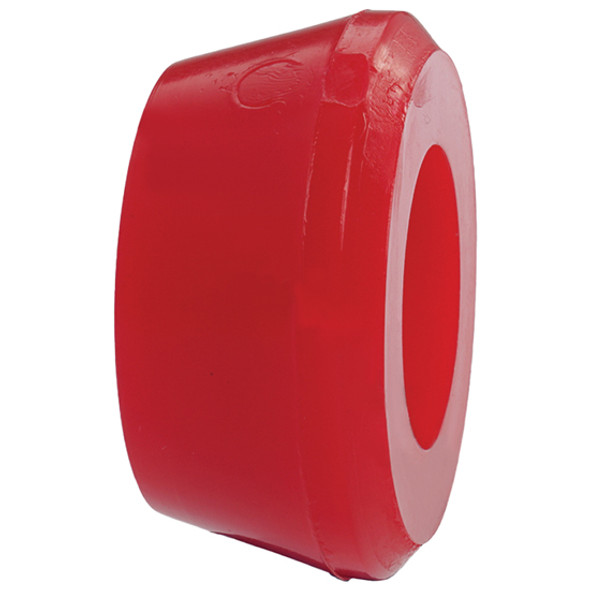
Gabriel Shock Mounting Bushing For 2.39 Inch OD Eye Ring
GABRIEL
$3.29Urethane Bushing For Mounting Gabriel Shock* High Quality Mounting Accessory* 1.859 Inch * Urethane Bushing* Sold Individually* Warranty On Mounting Accessories Against Defects In Workmanship &...09-05000000- SKU:
- 09-05000000
- Diameter Options:
- 1 Inch
- Truck Class:
- Heavy Duty
- Material Options:
- Plastic/Poly
- Make:
- Universal Items
- Product Type:
- Frame & Chassis
$3.29Qty in Cart: 0Price:$3.29Subtotal: -

BESTfit Air Spring Replaces 8864, 1R12-1097, 66666, AB1DK23L-8864 For Kenworth AG400L Suspension
BESTFIT TRUCK PARTS
$193.99BESTfit Air Spring For Kenworth AG400L Suspension* High Quality Air Spring* Rolling Lobe Type* Plastic Base* Without Bumper* 5600 Lb Load At 80 PSI* 7100 Lb Load At 100 PSI* 65 CPM Natural Frequency*...02-051032K01- SKU:
- 02-051032K01
- Height Options:
- 25 Inch
- Truck Class:
- Heavy Duty
- Rating:
- 100 PSI
- Diameter Options:
- 12 Inch
- Style Options:
- Rolling Lobe
- Material Options:
- Plastic/Poly
- Make:
- Kenworth
- Product Type:
- Frame & Chassis
$193.99Qty in Cart: 0Price:$193.99Subtotal: -
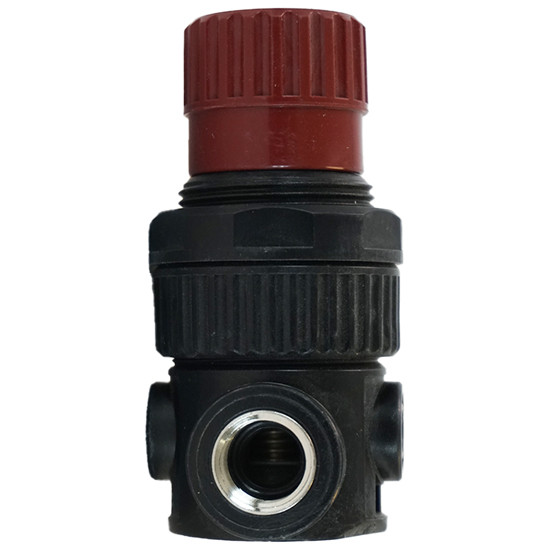
Load-Share Regulator For Air Control Kit
LOAD-SHARE SUSPENSIONS
$54.99Regulator For Load-Share Air Control KitLooking for a regulator for your Load-Share Air Control Kit? This handy tool helps manage airflow to keep everything running smoothly and efficiently. Think of...09-050901- SKU:
- 09-050901
- Truck Class:
- Universal
- Make:
- Universal Items
- Product Type:
- Frame & Chassis
$54.99Qty in Cart: 0Price:$54.99Subtotal: -
FREE SHIPPING
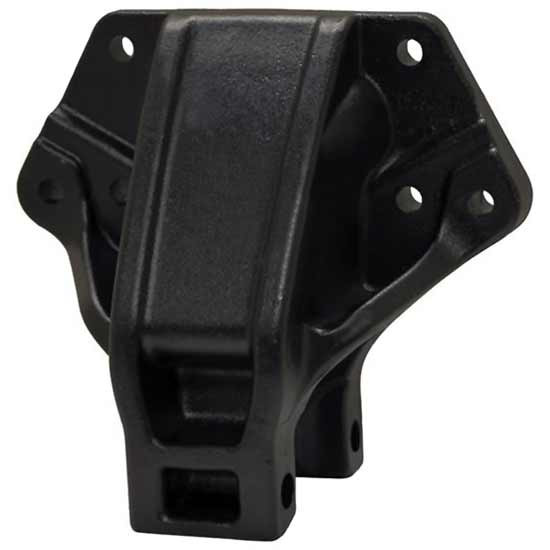
BESTfit Aluminum Front of Rear Suspension Hanger Replaces 01-52743 & C11-1124 For Peterbilt New Low Air Leaf
BESTFIT TRUCK PARTS
$659.99BESTfit Front Of Rear Hanger Fits Peterbilt New Low Air Leaf Suspension - Replaces 04088CAThe BESTfit Aluminum Front of Rear Suspension Hanger is a premium replacement part designed to fit OEM...01-051051K01- SKU:
- 01-051051K01
- Product Type:
- Frame & Chassis
- Material Options:
- Aluminum
- Truck Class:
- Heavy Duty
- Make:
- Peterbilt
$659.99Qty in Cart: 0Price:$659.99Subtotal: -
FREE SHIPPING OVER $249

BESTfit Rolling Lobe Air Spring 18.9 X 12.6 Inch Max For Peterbilt Flex Air Suspension Replaces W01-358-8813
BESTFIT TRUCK PARTS
$206.99Rolling Lobe Air Spring 18.9 X 12.6 Inch Max By BESTfit Replaces W01-358-8813 Fits Peterbilt Flex Air SuspensionThe BESTfit Air Spring is engineered to replace worn or damaged air springs on...01-051014K01- SKU:
- 01-051014K01
- Product Type:
- Frame & Chassis
- Height Options:
- 18 Inch
- Style Options:
- Rolling Lobe
- Material Options:
- Plastic/Poly
- Truck Class:
- Heavy Duty
- Diameter Options:
- 12 Inch
- Rating:
- 100 PSI
- Make:
- Peterbilt
$206.99Qty in Cart: 0Price:$206.99Subtotal: -

Air Spring Rolling Lobe Replaces 9501, 1R12-552, 69662, 90557212, 9055721 For Neway/Holland Suspension
AFTERMARKET
$284.99Air Spring Rolling Lobe For Neway/ Holland Rear Suspension* High Quality Air Spring* Continental Brand* Rolling Lobe* Load At 80 PSI - 5600 Lbs* Load At 100 PSI - 7100 Lbs* Natural Frequency 64 CPM...29-05100143- SKU:
- 29-05100143
- Product Type:
- Frame & Chassis
- Material Options:
- Plastic/Poly
- Diameter Options:
- 9 Inch
- Height Options:
- 16 Inch
- Style Options:
- Rolling Lobe
- Make:
- Universal Items
- Ready To Ship:
- Yes
$284.99Qty in Cart: 0Price:$284.99Subtotal: -

BESTfit 2 Leaf Spring Replaces 03-02432, C81-6007 For Peterbilt Air Trac Suspension
BESTFIT TRUCK PARTS
$265.99BESTfit 2 Leaf Spring Fits Peterbilt Air Trac SuspensionThe BESTfit 2-Leaf Spring is a reliable replacement designed to fit OEM parts 03-02432 and C81-6007. Manufactured to meet high standards, this...01-051053- SKU:
- 01-051053
- Product Type:
- Frame & Chassis
- Width Options:
- 4 Inch
- Truck Class:
- Heavy Duty
- Make:
- Peterbilt
$265.99Qty in Cart: 0Price:$265.99Subtotal: -

Single Convolute Air Spring Replaces 354-7462, 7462, ABSP1B1507462, FS7462, W01-358-7462, W013587462
AFTERMARKET
$113.99Single Convolute Air SpringMaintain reliable suspension performance with the Econoride Single Convolute Air Spring. Constructed with a single convoluted design, durable rubber lift bags, and a...09-05100145- SKU:
- 09-05100145
- Style Options:
- Single Convolute
- Product Type:
- Frame & Chassis
- Material Options:
- Rubber
- Make:
- Universal Items
$113.99Qty in Cart: 0Price:$113.99Subtotal: -

Air Spring Rolling Lobe Replaces 64321. 69653. 910-16P547. 9496. W01-358-9496. W01-675-9496. 90557208 For SAF Holland/Neway Suspension
AFTERMARKET
$244.99Rolling Lobe Air Spring For Neway/ Holland Rear Drive Air Suspension* High Quality Air Spring* Automann Phoenix Brand* Rolling Lobe* Load At 80 PSI - 5500 Lbs* Load At 100 PSI - 7000 Lbs* Natural...29-05100287- SKU:
- 29-05100287
- Product Type:
- Frame & Chassis
- Diameter Options:
- 9 Inch
- Style Options:
- Rolling Lobe
- Height Options:
- 13 1/2 Inch
- Material Options:
- Plastic/Poly
- Make:
- Universal Items
$244.99Qty in Cart: 0Price:$244.99Subtotal: -
FREE SHIPPING OVER $249

BESTfit Barksdale Type Replacement Leveling Valve Kit For Peterbilt New Low Air Leaf Suspension
BESTFIT TRUCK PARTS
$138.99BESTfit New Low Air Leaf Suspension Leveling Valve Kit Includes Mounting Bracket & HardwareThe BESTfit Barksdale Type Replacement Leveling Valve Kit provides dependable replacement for aging or...01-051056K01- SKU:
- 01-051056K01
- Truck Class:
- Heavy Duty
- Product Type:
- Frame & Chassis
- Make:
- Peterbilt
$138.99Qty in Cart: 0Price:$138.99Subtotal: -

Double Convoluted Air Spring Replaces FD 200-25 428. . SC2127. S8701. W01-358-6947 1003586947C. 2B9255. 2B9258. 3546947. 57006947. 578923206 For Henrickson Trailer, Ridewell Suspension
AUTOMANN USA
$141.99Double Convoluted Air Spring For Hendrickson Trailer & Ridewell Suspension* High Quality Air Spring* Continental Brand* Double Convoluted* Load At 80 PSI - 2750 Lbs* Load At 100 PSI - 3450 Lbs*...29-0510113- SKU:
- 29-0510113
- Height Options:
- 10 Inch
- Product Type:
- Frame & Chassis
- Material Options:
- Plastic/Poly
- Diameter Options:
- 6 1/4 Inch
- Style Options:
- Double Convolute
- Make:
- Universal Items
$141.99Qty in Cart: 0Price:$141.99Subtotal: -

Air Spring Rolling Lobe 1DK23F
AFTERMARKET
$237.99Trailer Air Spring Rolling Lobe* High Quality Air Spring* Rolling Lobe Type* 5500 Load At 80 PSI* 7000 Load At 100 PSI* 81 CPM Natural Frequency* Plastic Bottom Plate* With Bumper* Dimensions: - 7...29-05100018- SKU:
- 29-05100018
- Product Type:
- Frame & Chassis
- Make:
- Universal Items
- Height Options:
- 13 1/2 Inch
- Style Options:
- Rolling Lobe
$237.99Qty in Cart: 0Price:$237.99Subtotal: -

Air Spring Rolling Lobe Replaces 68675. 9 9-12 P 937. W01-358-9584. W01-675-9584. W01-675-9613. 905-57-224. 905-57-250. 905-57-411 For SAF Holland/Neway Suspension
AFTERMARKET
$229.99Rolling Lobe Air Spring With Plastic Base- 2 Top Plate Holes & 1 Bottom Plate HolesBoost your truck's suspension durability with the Rolling Lobe Air Spring, engineered for SAF Holland/Neway systems...29-05100297- SKU:
- 29-05100297
- Diameter Options:
- 9 Inch
- Height Options:
- 8 Inch
- Style Options:
- Rolling Lobe
- Material Options:
- Plastic/Poly
- Product Type:
- Frame & Chassis
- Make:
- Universal Items
$229.99Qty in Cart: 0Price:$229.99Subtotal: -
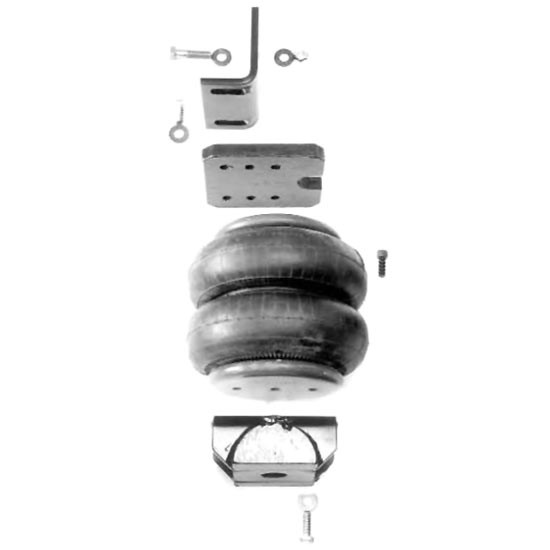
Load-Share Single Side Air Bag Replacement Kit for 4 Inch Round Top U Bolt & Double Convolute
LOAD-SHARE SUSPENSIONS
$585.99Single Side Air Bag Replacement Kit for 4 Inch Round Top U Bolt & Double Convolute* High Quality Air Bag Replacement Kit* Single Side * Replacement Kit For 4 Inch Round Top U Bolt* Sold Individually*...29-051013- SKU:
- 29-051013
- Truck Class:
- Heavy Duty
- Make:
- Universal Items
- Product Type:
- Frame & Chassis
$585.99Qty in Cart: 0Price:$585.99Subtotal: -

Double Convoluted Air Spring Replaces 70658. FD 200-19 894. 1002B09614G For Ridewell Suspension
AFTERMARKET
$195.99Double Convoluted Air Spring For Ridewell Suspension* High Quality Air Spring* Continental Brand* Double Convoluted* Load At 80 PSI - 2560 Lbs* Load At 100 PSI - 3200 Lbs* Natural Frequency 108 CPM...29-05200002- SKU:
- 29-05200002
- Height Options:
- 8 Inch
- Product Type:
- Frame & Chassis
- Material Options:
- Plastic/Poly
- Diameter Options:
- 6 1/4 Inch
- Style Options:
- Double Convolute
- Make:
- Universal Items
$195.99Qty in Cart: 0Price:$195.99Subtotal: -

Single Convoluted Air Spring Replaces 64595. FS330-11468. 7009. W01-358-7009. 1B12-301. 90557002. 1003587009C For Holland/Neway Suspension
AFTERMARKET
$177.99Single Convoluted Air Spring With Plastic BaseExperience superior ride control with the Single Convoluted Air Spring for Holland/Neway suspensions. It provides robust load support and vibration...29-05100224- SKU:
- 29-05100224
- Height Options:
- 5 Inch
- Material Options:
- Plastic/Poly
- Diameter Options:
- 9 Inch
- Product Type:
- Frame & Chassis
- Style Options:
- Single Convolute
- Make:
- Universal Items
$177.99Qty in Cart: 0Price:$177.99Subtotal: -
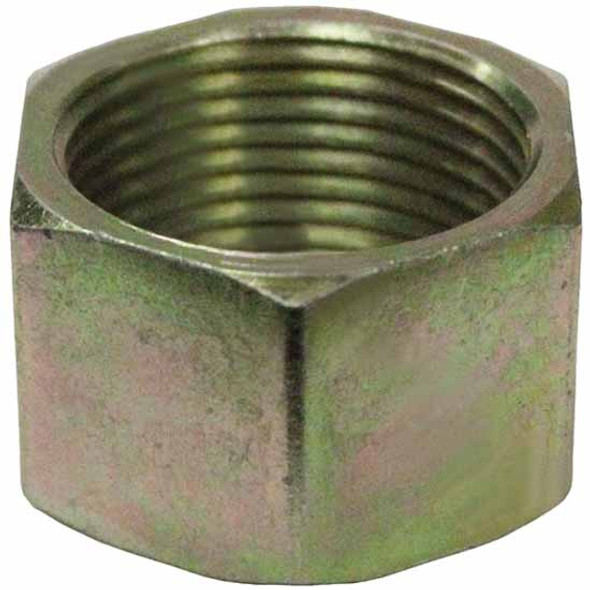
1-5/16 Inch ID -12 TPI Nut For 9541 & 9547 Air Springs
AUTOMANN USA
$16.521 1/2 OD, 1-5/16 ID Air Spring NutStrengthen your air spring assemblies with this 1-5/16 Inch ID -12 TPI Nut, designed for 9541 and 9547 air springs. With a 1.5-inch outer diameter and 0.925-inch...09-05250073- SKU:
- 09-05250073
- Truck Class:
- Universal
- Material Options:
- Brass
- Make:
- Universal Items
- Product Type:
- Frame & Chassis
$16.52Qty in Cart: 0Price:$16.52Subtotal: -

Air Spring Rolling Lobe - S13163, 1DK23K9194 For Peterbilt
AFTERMARKET
$222.99Peterbilt Air Spring Rolling LobeGet smoother rides and enhanced stability with this Rolling Lobe Air Spring S13163, engineered to replace 1DK23K9194. Built for tough road conditions and high...01-05100035- SKU:
- 01-05100035
- Material Options:
- Plastic/Poly
- Truck Class:
- Heavy Duty
- Make:
- Peterbilt
- Product Type:
- Frame & Chassis
- Ready To Ship:
- Yes
$222.99Qty in Cart: 0Price:$222.99Subtotal: -

Bar Pin Assembly Replaces 12477594, E9326, E-9326, 3401388, 34013088, 34013-088, 34013088L, 34013-088L, 50160, 50160000, 50160-000, 1691140C91, 1685931C91, R309326 For Hendrickson, Meritor & Ridewell Suspension
AFTERMARKET
$152.99Bar Pin AssemblyThis premium Bar Pin Assembly is a perfect replacement for Hendrickson, Meritor, and Ridewell suspensions, covering OEM numbers 12477594, E9326, 3401388, and more. The kit includes a...29-05100160- SKU:
- 29-05100160
- Product Type:
- Frame & Chassis
- Make:
- Universal Items
$152.99Qty in Cart: 0Price:$152.99Subtotal: -

Air Spring Rolling Lobe Replaces 9504, 1R12-486, 69654, 90557216, 90557348 For Holland/Neway Suspension
AFTERMARKET
$268.99Air Spring Rolling Lobe- 16.00 Inch Design HeightRestore control and load balance to your truck with this Continental Rolling Lobe Air Spring. This premium air spring delivers robust performance with...29-05100145- SKU:
- 29-05100145
- Material Options:
- Plastic/Poly
- Height Options:
- 16 Inch
- Style Options:
- Rolling Lobe
- Product Type:
- Frame & Chassis
- Diameter Options:
- 9 Inch
- Make:
- Universal Items
- Ready To Ship:
- Yes
$268.99Qty in Cart: 0Price:$268.99Subtotal: -

Double Convoluted Air Spring For Freightliner Rear Fas Airliner I & Hendrickson Turner Lift Axle Suspension For Hendrickson, Holland/Neway Suspension
AFTERMARKET
$177.99Double Convoluted Air Spring- 9.50 Inch Design Height* High Quality Air Spring* Automann Phoenix Brand* Double Convoluted* Load At 80 PSI - 4720 Lbs* Load At 100 PSI - 5900 Lbs* Natural Frequency 102...29-05100242- SKU:
- 29-05100242
- Diameter Options:
- 9 Inch
- Style Options:
- Double Convolute
- Height Options:
- 9 Inch
- Product Type:
- Frame & Chassis
- Material Options:
- Plastic/Poly
- Make:
- Universal Items
$177.99Qty in Cart: 0Price:$177.99Subtotal: -

Parking Valve W/ 2 Way Check Valve 401084
AFTERMARKET
$71.99Parking Valve W/2 Way Check ValveThe parking valve with a 2-way check valve lets you use either the primary or secondary air supply to operate the spring brakes on your tractor and trailer...09-05170056- SKU:
- 09-05170056
- Product Type:
- Frame & Chassis
- Truck Class:
- Universal
- Make:
- Universal Items
$71.99Qty in Cart: 0Price:$71.99Subtotal: -

Air Spring Rolling Lobe Includes Top Plate Brackets For Hendrickson Suspension
AFTERMARKET
$291.99Air Spring Rolling Lobe Includes Top Plate Brackets With Plastic Base* High Quality Air Spring* Rolling Lobe Type* 5900 Load At 80 PSI* 7500 Load At 100 PSI* 57 CPM Natural Frequency* Plastic Bottom...29-05100109- SKU:
- 29-05100109
- Style Options:
- Rolling Lobe
- Product Type:
- Frame & Chassis
- Diameter Options:
- 9 Inch
- Material Options:
- Plastic/Poly
- Height Options:
- 12 1/2 Inch
- Make:
- Universal Items
$291.99Qty in Cart: 0Price:$291.99Subtotal: -

Pressure Protection Valve 3/8 Inlet 85 To 67 PSI
AUTOMANN USA
$34.51Replacement Pressure Protection ValvesThis pressure protection valve is designed to regulate air flow within your truck's brake or air system. It features a compact housing with clearly labeled...VV-032217- SKU:
- VV-032217
- Product Type:
- Air, Electrical, & Safety
- Make:
- Universal Items
$34.51Qty in Cart: 0Price:$34.51Subtotal: -
FREE SHIPPING OVER $249

BESTfit 1/2-13 & 1/2-20 X 6 Inch Air Spring Stud Replaces 27-00972 For Peterbilt Low Mount Air Leaf Suspension
BESTFIT TRUCK PARTS
$8.15BESTfit Air Spring Stud Fits Peterbilt Low Air Leaf SuspensionKeep your low mount air leaf suspension functioning at peak performance with the BESTfit 1/2-13 & 1/2-20 x 6 Inch Air Spring Stud. This...01-051051- SKU:
- 01-051051
- Length Options:
- 6 Inch
- Diameter Options:
- 1/2 Inch
- Truck Class:
- Heavy Duty
- Product Type:
- Frame & Chassis
- Make:
- Peterbilt
$8.15Qty in Cart: 0Price:$8.15Subtotal: -

BESTfit Reyco Torque Arm Bolt Assembly Kit For Peterbilt With Air Trac Spring Hangers
BESTFIT TRUCK PARTS
$53.99BESTfit Torque Arm Bolt Kit Fits Peterbilt Air Trac SuspensionThe BestFit Reyco Torque Arm Bolt Assembly Kit provides all the essential hardware needed to properly secure Reyco torque arms on...01-051000004- SKU:
- 01-051000004
- Truck Class:
- Heavy Duty
- Length Options:
- 4 Inch
- Make:
- Peterbilt
- Product Type:
- Frame & Chassis
$53.99Qty in Cart: 0Price:$53.99Subtotal: -

Air Spring Rolling Lobe Replaces 5298, 68135, 0837209000N For Gillig Suspension
AFTERMARKET
$290.99Air Spring Rolling Lobe With Steel Base* High Quality Air Spring* Automann Phoenix Brand* Rolling Lobe* Load At 100 PSI - 3400 Lbs* Natural Frequency 91 CPM (Cycles Per Minute)* Includes: - (2) Top...29-05100288- SKU:
- 29-05100288
- Material Options:
- Steel
- Product Type:
- Frame & Chassis
- Diameter Options:
- 6 1/4 Inch
- Style Options:
- Rolling Lobe
- Height Options:
- 8 1/2 Inch
- Make:
- Universal Items
$290.99Qty in Cart: 0Price:$290.99Subtotal: -

Air Spring Rolling Lobe Replaces 64367. 99-12P479. 9387. W01-358-9387. 1R11-159. 1R11-203. 1003589387C For Ridewell Suspension
AFTERMARKET
$194.99Air Spring Rolling Lobe For Ridewell Suspension* High Quality Air Spring* Automann Phoenix Brand* Rolling Lobe* Load At 80 PSI - 5100 Lbs* Load At 100 PSI - 6400 Lbs* Natural Frequency 80 CPM (Cycles...29-05100159- SKU:
- 29-05100159
- Product Type:
- Frame & Chassis
- Material Options:
- Plastic/Poly
- Height Options:
- 14 1/2 Inch
- Diameter Options:
- 9 Inch
- Style Options:
- Rolling Lobe
- Make:
- Universal Items
$194.99Qty in Cart: 0Price:$194.99Subtotal: -
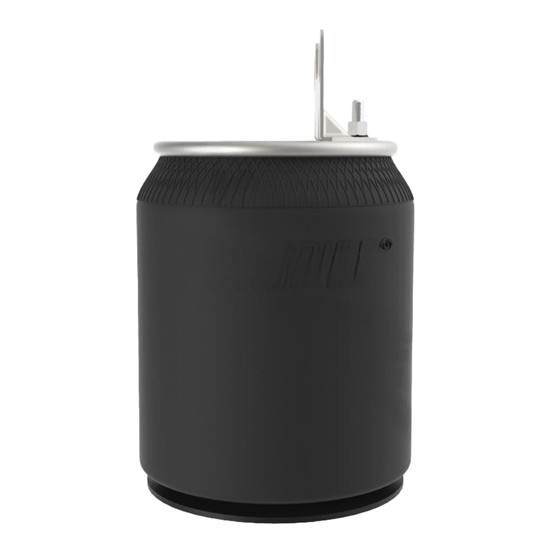
Air Spring Rolling Lobe Replaces 9373, 1R12-403, 64265, AB1DK23M-9373 For Hendrickson, Ford Rear Suspension
AFTERMARKET
$171.99Rolling Lobe Air Spring For Hendrickson & Ford Rear Suspension* High Quality Air Spring* Econoride Brand* Rolling Lobe* Load At 80 PSI - 5900 Lbs* Load At 100 PSI - 7500 Lbs* Natural Frequency 57 CPM...29-05100203- SKU:
- 29-05100203
- Diameter Options:
- 9 Inch
- Height Options:
- 12 1/2 Inch
- Style Options:
- Rolling Lobe
- Product Type:
- Frame & Chassis
- Material Options:
- Plastic/Poly
- Make:
- Universal Items
$171.99Qty in Cart: 0Price:$171.99Subtotal: -

BESTfit Leaf Spring Eye Bushing For Peterbilt Air Leaf Suspension
BESTFIT TRUCK PARTS
$8.71BESTfit Spring Eye Bushing Fits Peterbilt Air Leaf SuspensionsLooking for a reliable Peterbilt spring eye bushing replacement? The BESTfit 01-051012 Spring Eye Bushing Kit is designed for Air-Leaf...01-051012- SKU:
- 01-051012
- Material Options:
- Rubber
- Truck Class:
- Heavy Duty
- Product Type:
- Frame & Chassis
- Make:
- Peterbilt
$8.71Qty in Cart: 0Price:$8.71Subtotal: -

Air Spring Rolling Lobe Replaces OE 68617. 9 9K-12 P 100, 8959, W01-358-8959
AFTERMARKET
$266.99Heavy Duty Semi Truck Air Spring* High Quality Air Spring* Rolling Lobe Type* 5000 Load At 80 PSI* 6250 Load At 100 PSI* Plastic Bottom Plate* With Bumper* Dimensions: - 10.00 Inch Design Height -...29-0510023- SKU:
- 29-0510023
- Product Type:
- Frame & Chassis
- Material Options:
- Plastic/Poly
- Make:
- Universal Items
- Style Options:
- Rolling Lobe
- Height Options:
- 15 1/2 Inch
- Make:
- Trailer
$266.99Qty in Cart: 0Price:$266.99Subtotal: -

Double Convoluted Air Spring Replaces 64501. FD330-22500. 7344. W01-358-7344. 2B12-304 For Load Air Suspension
AFTERMARKET
$176.99Double Convoluted Air Spring W/ 2 Top Plate Holes & 1 Bottom Plate Hole* High Quality Air Spring* Automann Phoenix Brand* Double Convoluted* Load At 80 PSI - 4720 Lbs* Load At 100 PSI - 5900 Lbs*...29-05100245- SKU:
- 29-05100245
- Height Options:
- 9 Inch
- Material Options:
- Plastic/Poly
- Product Type:
- Frame & Chassis
- Diameter Options:
- 9 Inch
- Style Options:
- Double Convolute
- Make:
- Universal Items
$176.99Qty in Cart: 0Price:$176.99Subtotal: -

Air Spring Rolling Lobe Replaces 11105-15A751. 64689. 21100027. 211-00-027
AFTERMARKET
$308.99Air Spring Rolling Lobe With Aluminum Base* High Quality Air Spring* Automann Phoenix Brand* Rolling Lobe* Load At 80 PSI - 8000 Lbs* Load At 100 PSI - 10,000 Lbs* Natural Frequency 83 CPM (Cycles...29-05100121- SKU:
- 29-05100121
- Style Options:
- Rolling Lobe
- Product Type:
- Frame & Chassis
- Diameter Options:
- 11 1/2 Inch
- Material Options:
- Aluminum
- Height Options:
- 10 Inch
- Make:
- Universal Items
$308.99Qty in Cart: 0Price:$308.99Subtotal: -

Air Spring Double Convoluted 65640. FD 120-20 767. FD120-20767
AFTERMARKET
$180.99Replacement Air Spring Double Convoluted* High Quality Air Spring* Double Convoluted* 2100 Load At 80 PSI* 2600 Load At 100 PSI* 100 CPM Natural Frequency* Without Bumper* Dimensions: - 7.50 Inch...29-05100098- SKU:
- 29-05100098
- Product Type:
- Frame & Chassis
- Make:
- Universal Items
$180.99Qty in Cart: 0Price:$180.99Subtotal: -

Air Spring Rolling Lobe Replaces 9321, 1R12-335, 64715, AB1DK23N-9321 For Hendrickson Turner Lift, Watson & Chalin Lift Suspension
AFTERMARKET
$202.99Rolling Lobe Air Spring For Hendrickson Turner and Watson & Chalin Lift Axle Suspension* High Quality Air Spring*Econoride Brand* Rolling Lobe* Includes: - (2) Top Plate Holes - (4) Bottom Plate...29-05200019- SKU:
- 29-05200019
- Style Options:
- Rolling Lobe
- Material Options:
- Plastic/Poly
- Diameter Options:
- 9 Inch
- Product Type:
- Frame & Chassis
- Make:
- Universal Items
$202.99Qty in Cart: 0Price:$202.99Subtotal: -

Double Convoluted Air Spring Replaces 64499. FD330-22471. W01-358-7183. UCA-0112. UCA-0112-B. 2B12-412. 554795C1. SC2019. 57007183. 1003587183C. AS214-7183 For Fruehauf Suspension
AFTERMARKET
$210.99Double Convoluted Air Spring With Plastic Base & Internal Bumper* High Quality Air Spring* Automann Phoenix Brand* Double Convoluted* Load At 80 PSI - 4720 Lbs* Load At 100 PSI - 5900 Lbs* Natural...29-05100262- SKU:
- 29-05100262
- Height Options:
- 9 Inch
- Material Options:
- Plastic/Poly
- Product Type:
- Frame & Chassis
- Diameter Options:
- 9 Inch
- Style Options:
- Double Convolute
- Make:
- Universal Items
$210.99Qty in Cart: 0Price:$210.99Subtotal: -

Air Spring Rolling Lobe Replaces 64317. 910-16P500. RA 1954-11. 9474. W01-358-9474. 20966-01 For Reyco Granning Suspension
AFTERMARKET
$229.99Rolling Lobe Air Spring With Plastic Base- 2 Top Plate Holes & 4 Bottom Plate Holes* High Quality Air Spring* Automann Phoenix Brand* Rolling Lobe* Load At 80 PSI - 5500 Lbs* Load At 100 PSI - 7000...29-05100278- SKU:
- 29-05100278
- Product Type:
- Frame & Chassis
- Diameter Options:
- 9 Inch
- Style Options:
- Rolling Lobe
- Height Options:
- 13 Inch
- Material Options:
- Plastic/Poly
- Make:
- Universal Items
$229.99Qty in Cart: 0Price:$229.99Subtotal: -
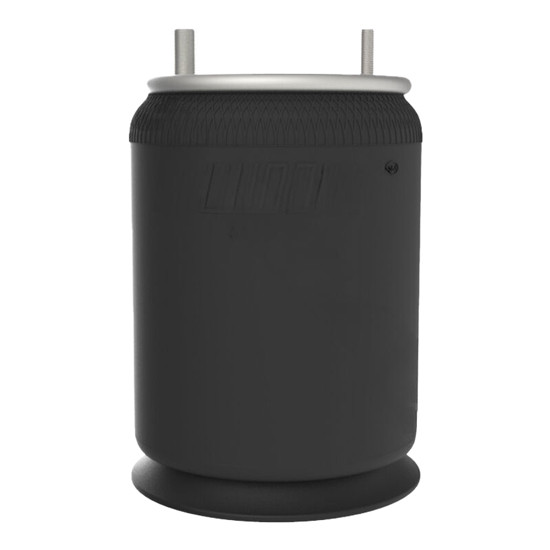
Air Spring Rolling Lobe Replaces 9370, 1R12-580, 64383, AB1DK23N-9370, W01-358-9370 For Watson & Chalin Lift Suspension, Trailer Suspension
AFTERMARKET
$177.99Rolling Lobe Air Spring For Watson & Chalin Lift and Trailer SuspensionExperience superior suspension support with the Econoride Air Spring Rolling Lobe, built for Watson & Chalin lift suspensions...29-05200018- SKU:
- 29-05200018
- Diameter Options:
- 9 Inch
- Material Options:
- Plastic/Poly
- Style Options:
- Rolling Lobe
- Height Options:
- 18 Inch
- Product Type:
- Frame & Chassis
- Make:
- Trailer
- Make:
- Universal Items
$177.99Qty in Cart: 0Price:$177.99Subtotal: -
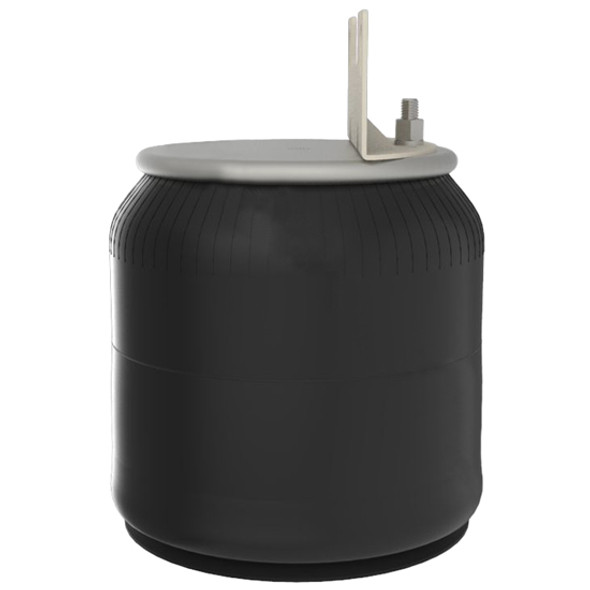
Air Spring Rolling Lobe With Plastic Base - 9643, 69658, 58995002 For Hendrickson
AFTERMARKET
$285.99Hendrickson Rolling Lobe Air SpringExperience a smooth ride with the Rolling Lobe Air Spring With Plastic Base. Engineered to keep trucks moving smoothly, it minimizes vibration and maintains ride...29-05100238- SKU:
- 29-05100238
- Material Options:
- Plastic/Poly
- Truck Class:
- Heavy Duty
- Make:
- Universal Items
- Product Type:
- Frame & Chassis
- Ready To Ship:
- Yes
$285.99Qty in Cart: 0Price:$285.99Subtotal: