What Does a Semi Truck Coolant Reservoir (Surge Tank) Do?
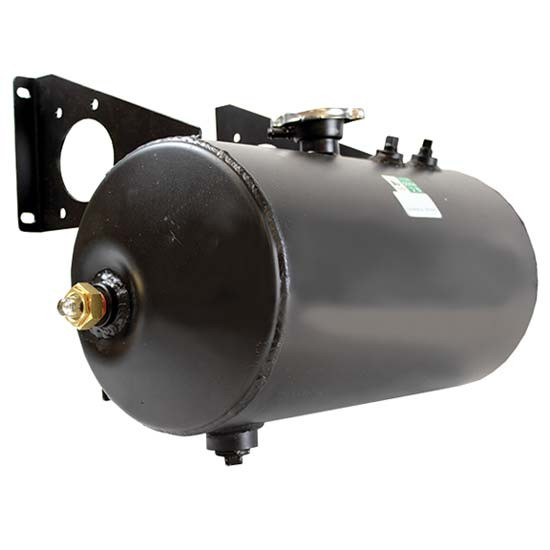
A reliable coolant reservoir, also known as a radiator surge tank, is essential for keeping your Peterbilt truck's engine cool and running strong. If your coolant tank is leaking, cracked, or discolored, it's time for a replacement. Our aftermarket coolant reservoirs for semi trucks are built to meet or exceed OEM specs giving you the durability and performance your rig demands.
Your surge tank plays a vital role in your engine's cooling system. It's not just a container it manages pressure, monitors coolant levels, and keeps your system functioning efficiently mile after mile.
Here's how it works:
- Manages Expansion & Contraction: As engine temps rise, coolant expands. The surge tank gives that coolant space to go preventing over-pressurization that can blow hoses or crack radiators.
- Maintains System Pressure: A properly sealed coolant reservoir helps the system build and maintain pressure, which raises the boiling point and improves heat transfer.
- Refills the Radiator Automatically: When the engine cools, the tank supplies coolant back to the
semi-truck radiator with
silicone radiator tubes keeping levels consistent and preventing air pockets.
- Purges Air from the System: Most surge tanks are mounted at the highest point in the system to help vent trapped air for optimal cooling efficiency.
- Shows Coolant Levels at a Glance: Clear plastic construction with visible level markings makes it easy to check coolant levels during pre-trip inspections.
Why Should You Replace Your Peterbilt 379 Coolant Reservoir?
- Over time, coolant tanks can fail especially in heavy-duty trucks logging serious miles:
- Cracks from heat, pressure, or vibration
- Leaking fittings or caps that cause coolant loss
- Sediment buildup or discoloration that makes inspections harder
- Damaged caps that fail to regulate pressure
A faulty coolant reservoir puts your entire engine at risk. Low coolant levels can lead to overheating, while pressure loss affects system efficiency. Replacing a failing surge tank protects the engine, improves fuel efficiency, and helps prevent breakdowns that cost time and money.
Here are the benefits of getting a high-quality replacement coolant reservoir part.
- Prevents Overheating: Protects against coolant loss and air pockets two major causes of engine overheating.
- Extends Engine Life: Keeps temperatures stable and reduces stress on internal components.
- Protects the Whole System: Helps prevent premature failure of hoses, water pumps, and radiators.
- Simplifies Maintenance: Clear tanks with readable MIN and MAX levels make daily checks quick and easy.
- Minimizes Downtime: Stay ahead of failures and avoid costly roadside repairs.
Whether you're running a single classic Pete 379 or you're managing a fleet of late-model trucks, we carry aftermarket coolant reservoirs designed to fit a wide range of semi-truck makes and models. These tanks are engineered for long life, high heat resistance, and rock-solid durability. Consider adding a
replacement radiator fan blade or shroud for efficient cooling.
Shop replacement coolant reservoirs and surge tanks today and protect your truck from one of the most common causes of engine failure overheating. Stay cool, stay efficient, and keep those wheels turning.
Frequently Asked Questions About Peterbilt 379 Coolant Reservoirs
Will a replacement coolant reservoir fit my Peterbilt 379 without modification?
Most coolant reservoirs designed for the Peterbilt 379 are built to match the factory mounting points, hose fittings, and cap style for that model year range. However, the 379 was produced over many years with some variation in cooling system layout, so it is important to compare the reservoir's mounting bracket pattern, inlet and outlet sizes, and overall dimensions to your existing unit before ordering to avoid fitment issues.
What material are these coolant reservoirs made from, and does it affect durability?
Coolant reservoirs for the 379 are typically made from either translucent or opaque high-density polyethylene (HDPE) or a similar durable plastic designed to withstand engine bay heat and constant exposure to coolant. Translucent versions allow you to visually check fluid levels without removing the cap, while opaque versions tend to resist UV discoloration over time. Both are built to handle normal pressure and temperature cycles of the cooling system.
How do I know if my coolant reservoir needs to be replaced versus just resealed?
Common signs that a reservoir needs replacement include visible cracks, warping from heat exposure, a cap that no longer seals properly, or coolant leaking from the seams. If the reservoir is intact but losing coolant, check the cap gasket and hose connections first, since these are often the actual source of a leak rather than the tank itself.
What is involved in installing a new coolant reservoir on a Peterbilt 379?
Installation generally involves draining or containing residual coolant, disconnecting the inlet and overflow hoses, unbolting the reservoir from its mounting bracket, and reversing the process with the new unit. Always allow the engine to cool completely before starting, and inspect hose clamps and grommets for wear since these are often reused during installation.
Do these reservoirs come with the cap, sensor, or mounting hardware included?
This varies by product, so check the listing details carefully. Some reservoirs are sold as a tank only, while others include the cap, low-coolant level sensor, or mounting bracket hardware. If your truck uses a coolant level sensor, confirm the replacement reservoir has a compatible port or that your existing sensor will transfer over cleanly.