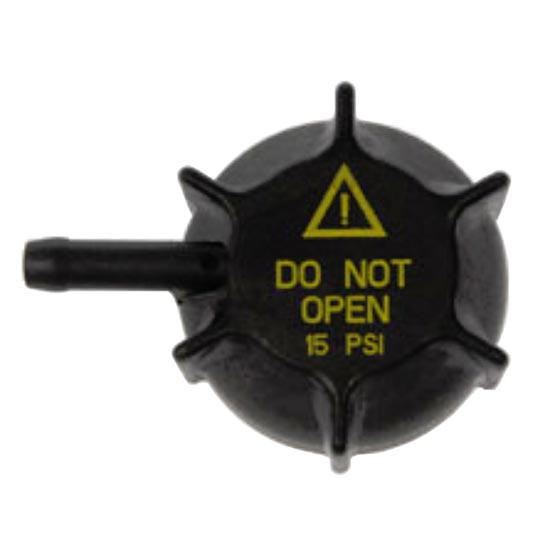
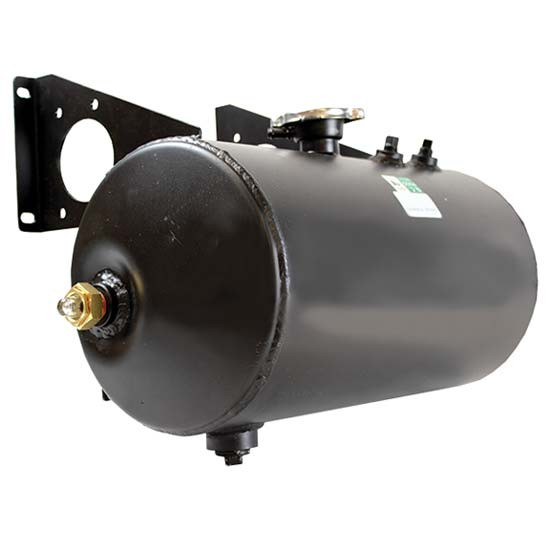
Peterbilt 357/378 Coolant Reservoirs offer a comprehensive solution for your truck's cooling system needs. Designed to fit Peterbilt and Kenworth trucks, these high-quality coolant reservoirs provide reliable overflow storage and easy access for maintenance. With a sturdy black plastic construction and a convenient nipple for hose attachment, these reservoirs ensure optimal coolant levels and efficient engine cooling. Whether you need to replace a worn-out cap or add a remote-mounted surge tank, the Peterbilt 357/378 Coolant Reservoirs deliver the performance and durability your semi truck demands. Enhance your vehicle's cooling system and maintain peak engine operation with these top-of-the-line Peterbilt and Kenworth compatible parts.
Frequently Asked Questions About Peterbilt 357/378 Coolant Reservoirs
Will this coolant reservoir fit my specific Peterbilt 357 or 378 model year?
Coolant reservoirs can vary by model year, cab configuration, and engine setup, so it's important to check the fitment details listed on each product page before ordering. If you're unsure whether a reservoir matches your truck, compare the mounting hole pattern, inlet/outlet fitting locations, and overall dimensions to your existing unit, or contact our parts team with your VIN for confirmation.
What material are these coolant reservoirs made from, and how durable are they?
Most coolant reservoirs in this category are made from heavy-duty plastic or polyethylene designed to withstand engine bay heat, vibration, and exposure to coolant chemicals over time. While these materials hold up well under normal operating conditions, exposure to prolonged UV rays or physical impact can eventually lead to cracking, which is why many buyers replace worn units with a factory-style replacement.
How do I know if my coolant reservoir needs to be replaced?
Common signs include visible cracks, coolant leaks around the base or seams, discoloration from age or heat exposure, or a reservoir that no longer holds pressure properly. If you're topping off coolant frequently without an obvious external leak elsewhere in the system, the reservoir itself is a good place to check.
Is installation something I can do myself, or does it require a mechanic?
Replacing a coolant reservoir is generally a straightforward job for anyone comfortable with basic hand tools. It typically involves draining any remaining coolant, disconnecting the hose fittings and mounting hardware, and transferring them to the new reservoir. If your truck has additional sensors or level switches integrated into the reservoir, take care when disconnecting and reconnecting those components.
Do these reservoirs come with the cap, hoses, or mounting hardware included?
This varies by listing, so always check the product description and included parts list before purchasing. Some reservoirs are sold as a standalone tank, while others may include the cap or mounting brackets. If your existing hardware is still in good condition, it can often be reused with a new reservoir even if it isn't included in the box.