How to Prep Your Truck for a Truck Show
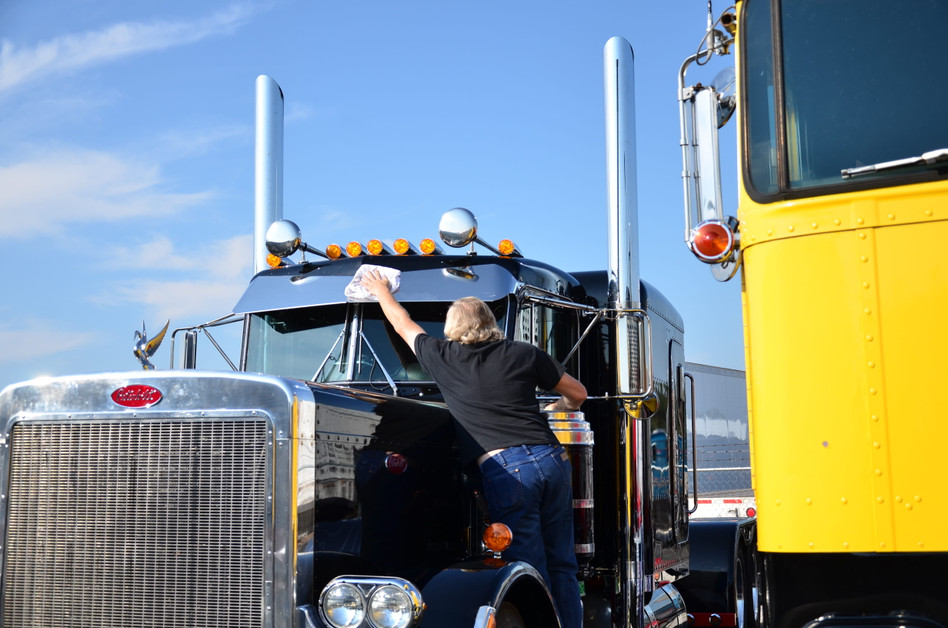
Getting a working semi-truck ready for a show is a massive undertaking that goes far beyond a standard weekend wash.
A winning presentation separates immediate show preparation from long-term customization, focusing heavily on meticulous cleaning, metal polishing, and uncovering hidden dirt.
Before you touch a buffer or a bucket, review the event rules and judging standards.
GBATS Rules vs Other Truck Shows
At GBATS, we don't do standard competition judging. Instead, we have competitor's choice and people's choice awards.
Drivers and attendees can vote for their favorite truck within various categories, like their favorite bobtail or heavy hauler truck.
We've set the standard in this regard. Traditional truck show competitions are dying.
In order to adapt with the times, many other truck shows have begun to follow this model.
With that said, if you're entering into a standard truck show competition in America, this prep guide is for you!
The Basic Preparation Strategy
A working truck entering a daily-driver class requires a different strategy than a full custom build.
Judges typically scrutinize overall cleanliness, paint condition, polished metal, engine appearance, wheel presentation, and theme consistency.
Here is your blueprint for bringing home the hardware.
HeavyDuty Cleaning and Paint Correction
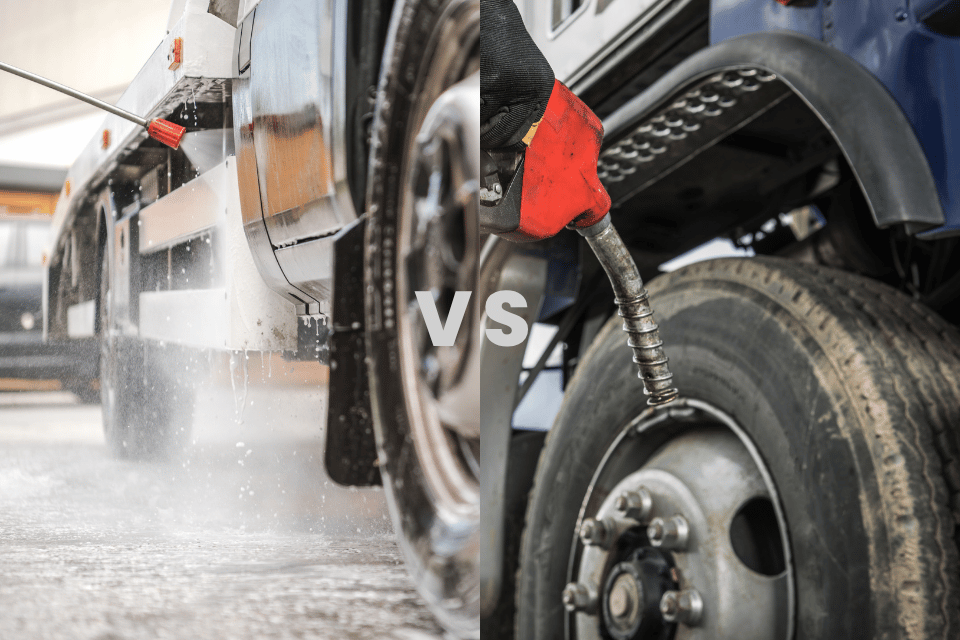
A rushed wash creates more polishing work later. Start by removing excess road film, grease, salt, tar, and embedded contamination before attempting to correct paint or polish metal.
The Washing Sequence:
- Rinse away loose dirt first.
- Wash from the top downward, starting with stacks and upper surfaces.
- Degrease heavily contaminated areas (never let degreaser dry on the surface).
- Use soft wash mitts to reduce paint damage; stiff brushes leave scratch marks.
- Dry the truck completely and inspect the paint under direct light.
Paint Correction
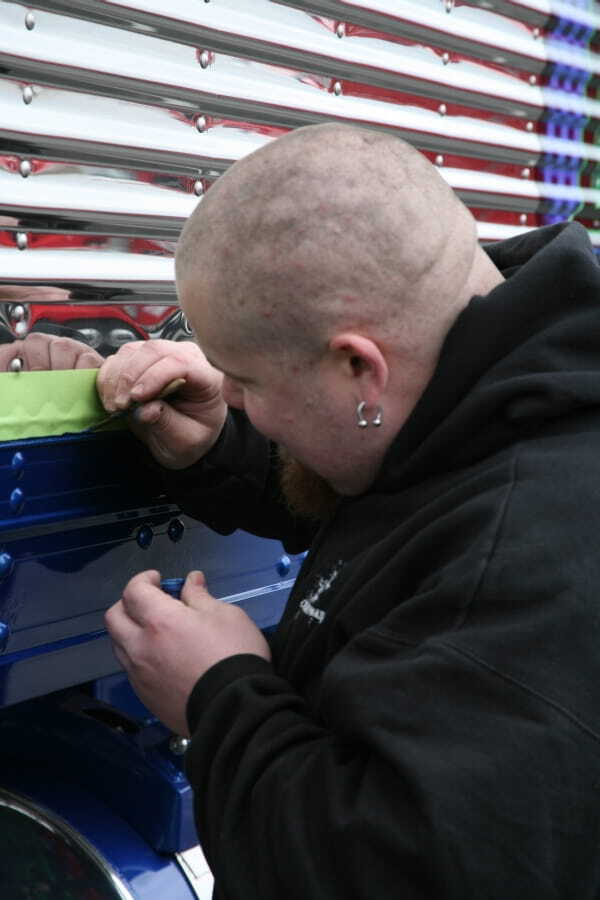
Clean paint does not always look show-ready.
After the truck is washed, use a clay treatment to remove bonded contamination.
Machine polishing will help correct swirl marks, reduce oxidation, and restore a deep gloss.
Finish with a high-quality wax, sealant, or ceramic coating to make dust removal easier during the event.
Polishing Metal to a Mirror Finish
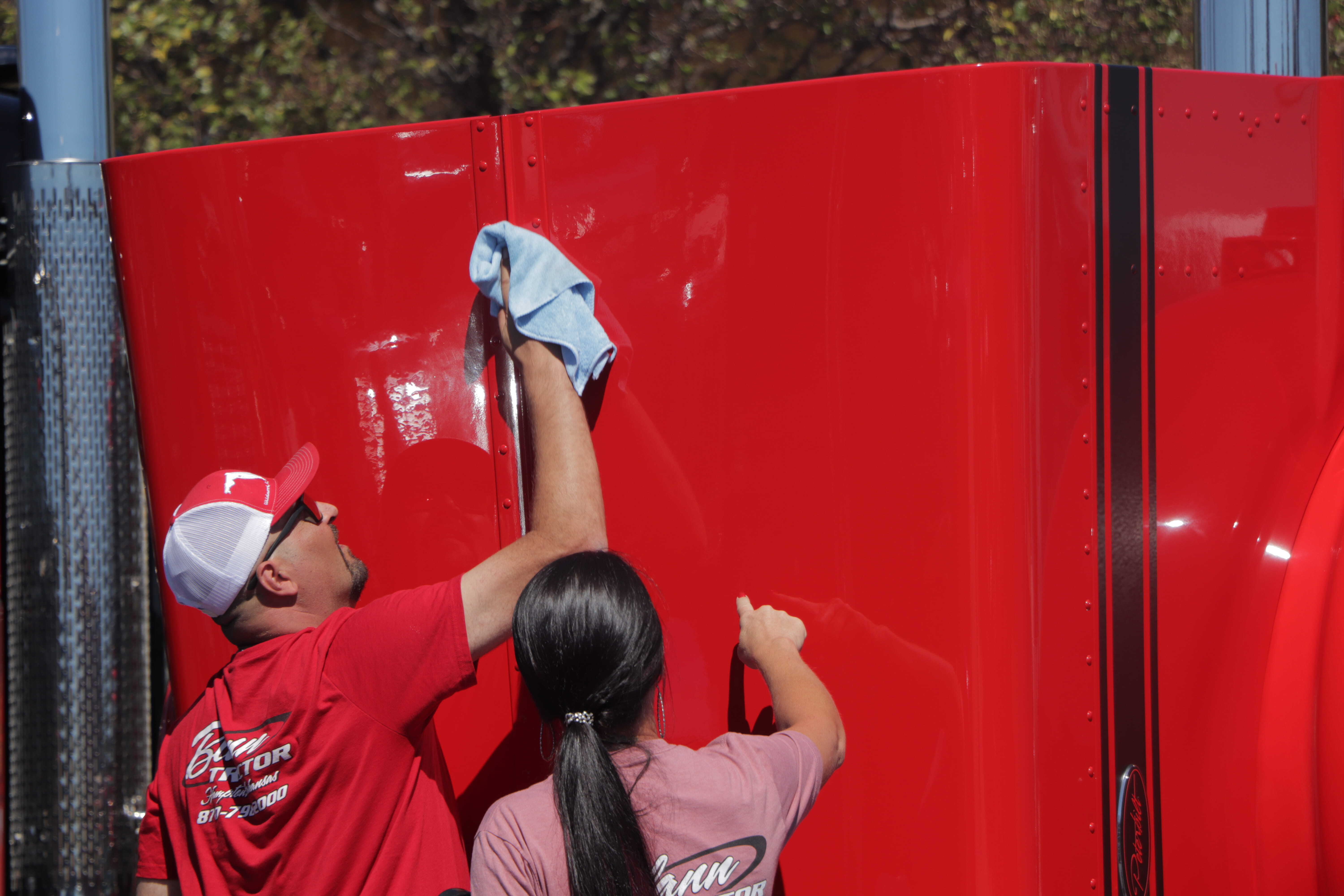
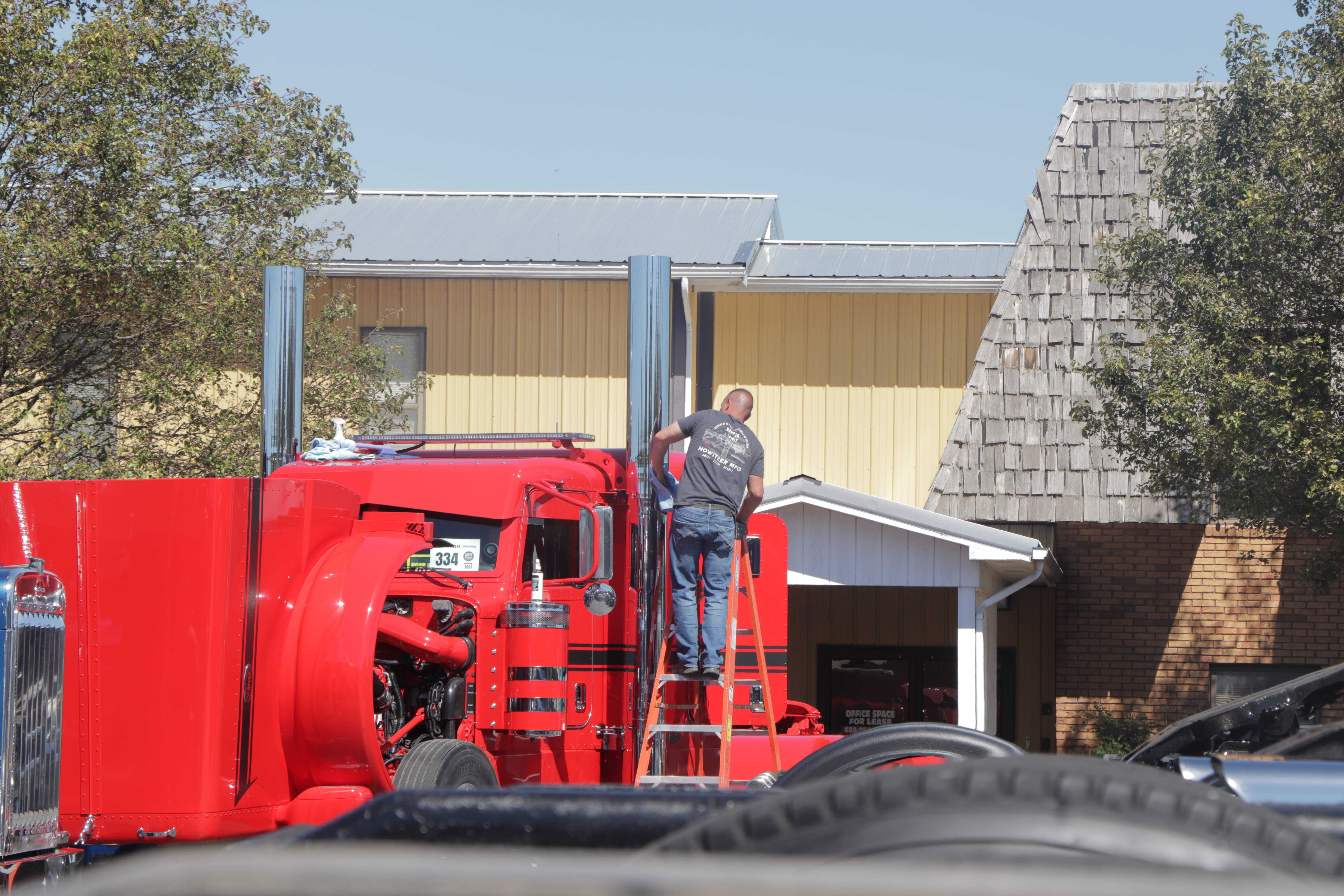
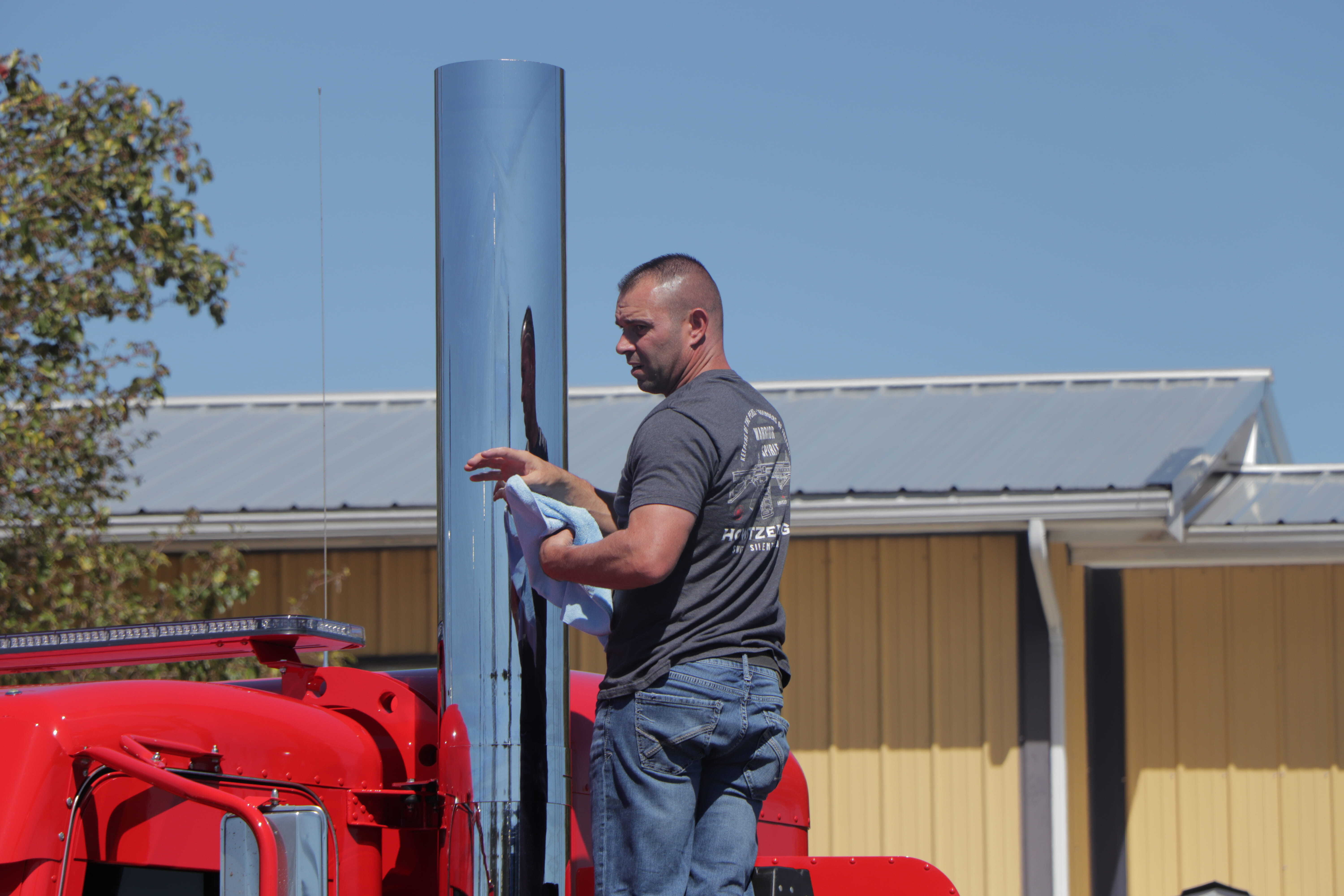
Brightwork is the hallmark of a great show truck.
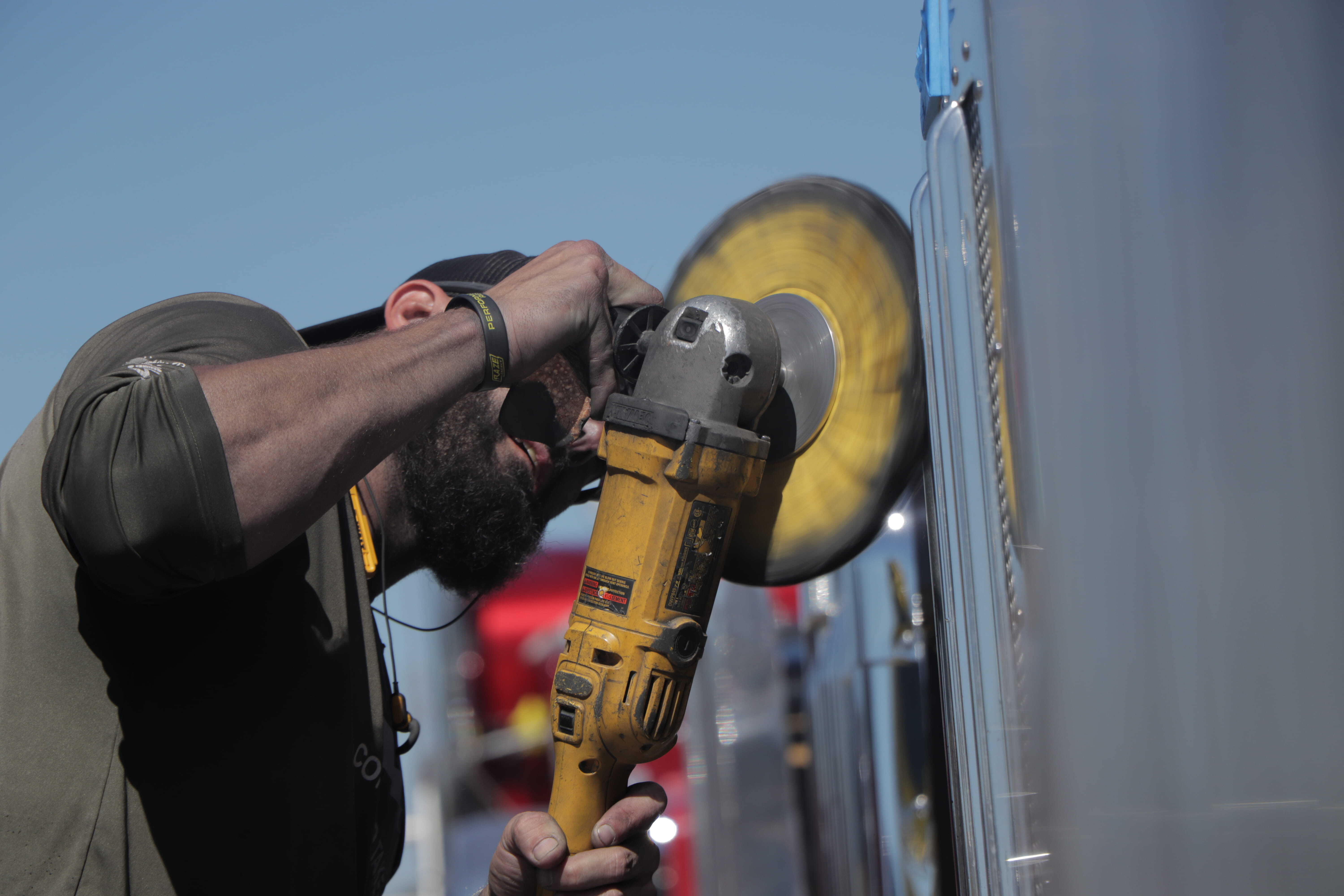
Aluminum fuel tanks, wheels, stainless stacks, chrome bumpers, grilles, and battery boxes all need careful attention.
Polishing must be done in stages to create an even reflection across the entire truck.
One mirror-finished tank beside a dull step box will ruin your presentation.
| Standard Polishing Rouge Progression | |
|---|---|
| Compound Color | Primary Purpose |
| Red Rouge | Heavy oxidation removal and initial surface cutting. |
| Green Rouge | Refinement and removal of coarse polishing marks. |
| White Rouge | Final smoothing and mirror-finish polishing. |
Note: Tool speed matters. High speeds can overheat the compound and create a stubborn residue, while low speeds slow down your correction time.
Nailing the Details: Engine, Wheels, and Hidden Areas
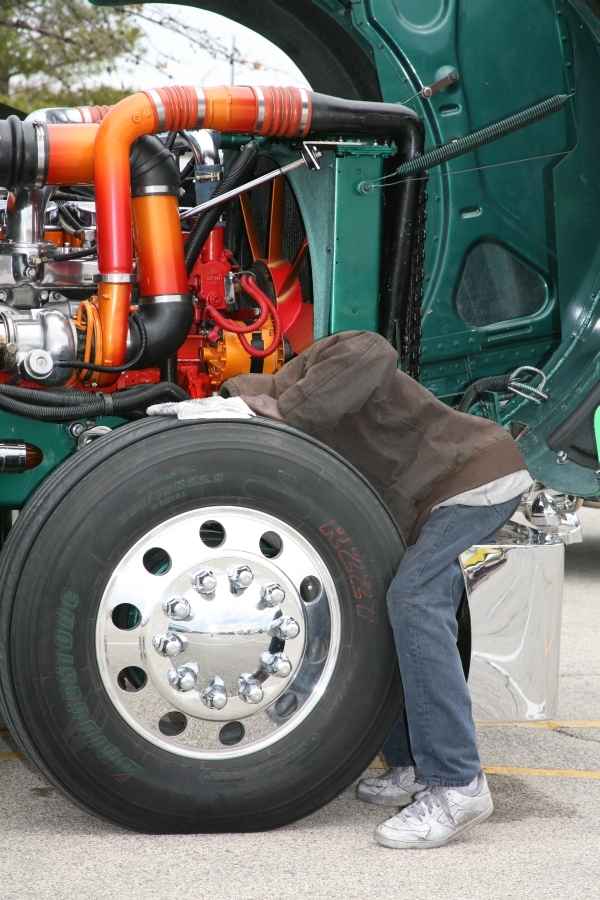
Judges actively look for the areas most owners neglect. A truck often loses points through dirty hidden surfaces rather than obvious paint defects.
Hidden Areas to Clean:
- Inside frame rails and behind bumpers.
- Rear sides of fuel tanks.
- Suspension components, axles, and brake drums.
- The fifth-wheel area and the back sides of wheels.
Engine Compartment
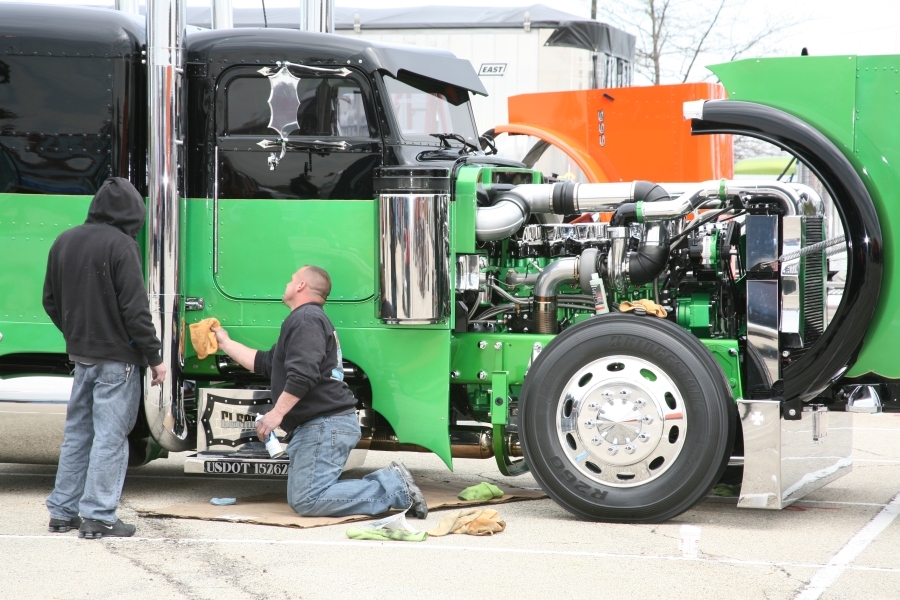
The engine bay must be clean, dry, organized, and free of leaks. Wipe down all hoses and wiring, and touch up any chipped paint.
Crucially, protect sensitive components. Cover alternators, exposed filters, electrical connectors, and air intakes before applying water. Avoid using aggressive, high-pressure water near seals and wiring.
Wheels and Tires
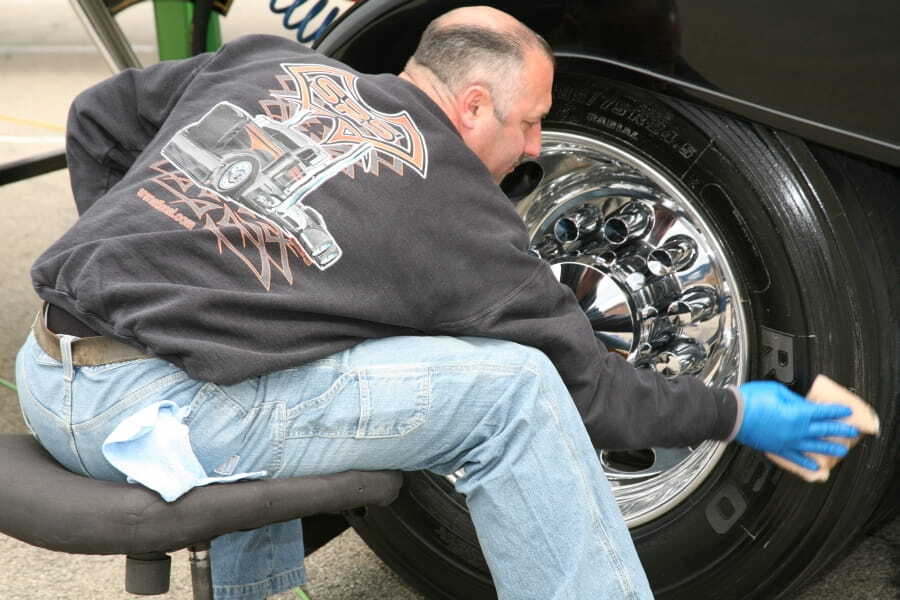
Wheel prep is more than polishing aluminum. Remove small stones from the tire tread, clean around the lug nuts, and wipe away all polish residue.
Apply tire dressing evenly with a satin finish to reduce sling, ensuring it stays off the tread surfaces and braking components.
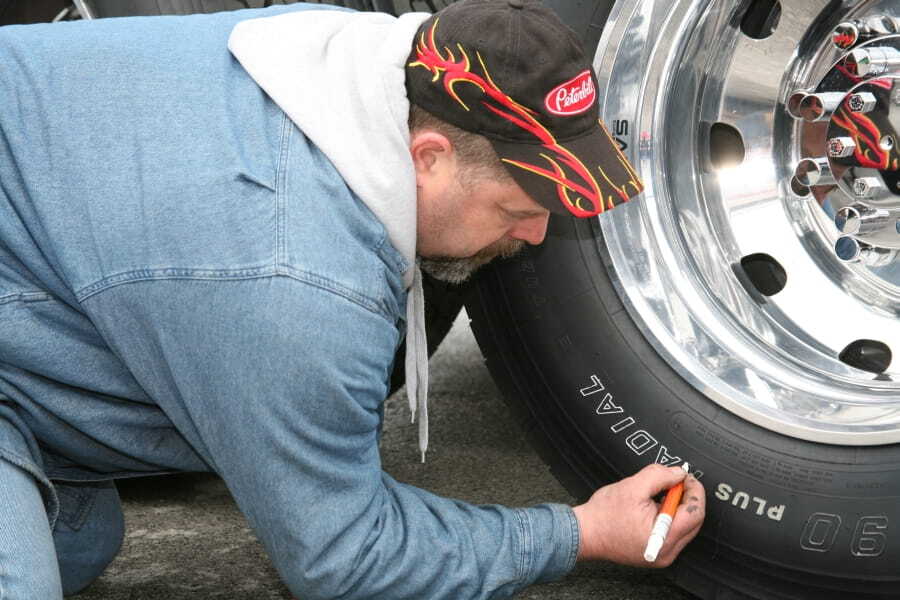
Let's not forget the finishing touch: tire sidewall detailing.
Using an oil-based tire paint pen to create high contrast. This lets the branding stand out in bright white by adding a clean, professional "pop" against the black rubber of the tire.
Interior and Sleeper Presentation
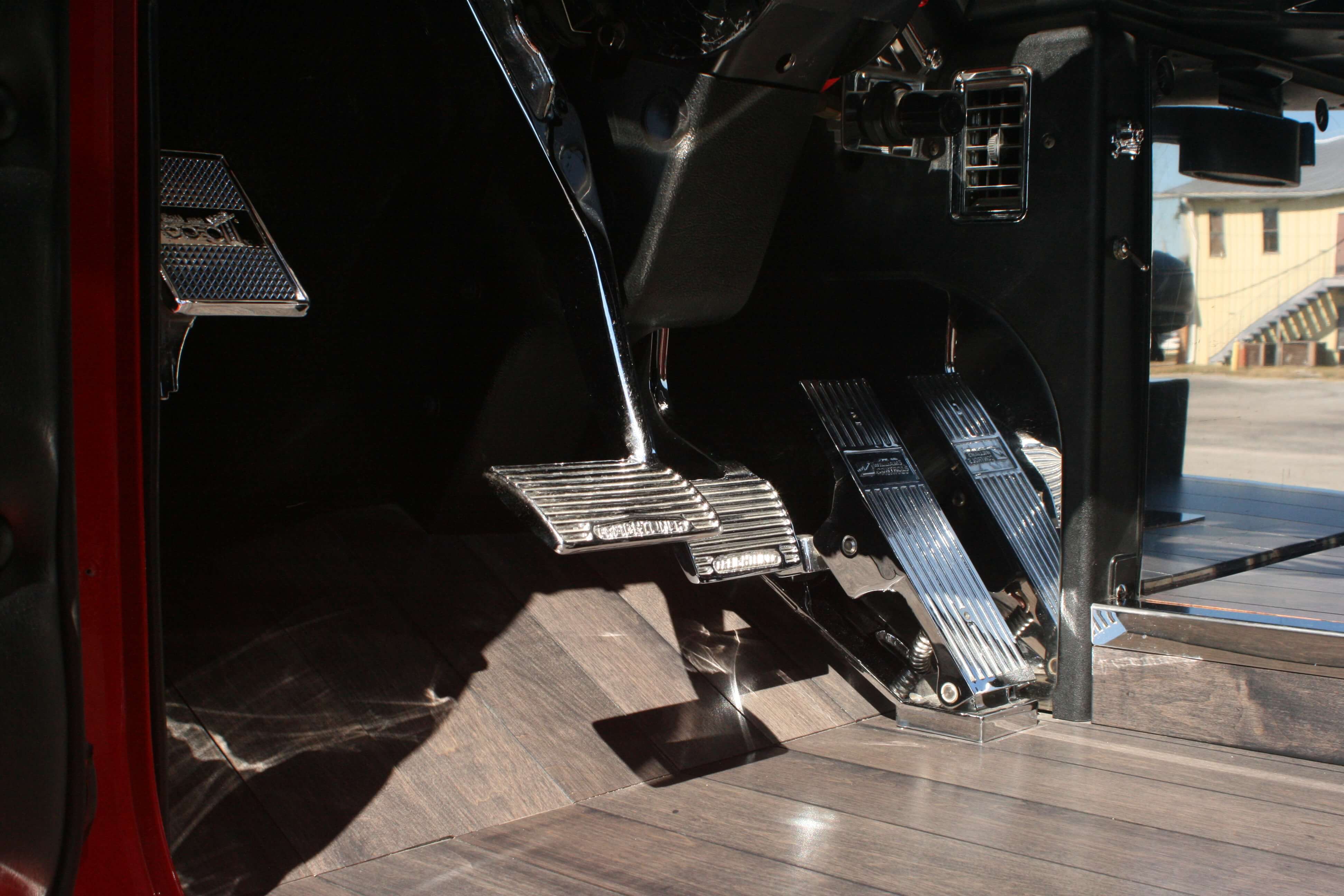
Interior accessories only impress judges after the cab is flawlessly clean and organized. Treat the sleeper as a core part of the display.
Interior Prep Checklist:
- Vacuum carpets, clean floor mats, and shampoo stained fabrics.
- Wipe down dashboard surfaces, gauges, and the steering wheel.
- Remove dust from around all switches and door panels.
- Put fresh bedding on the mattress and arrange pillows evenly.
- Hide all personal items and clear out clutter.
Interior upgrades should support a single visual direction. Repeated materials, matching upholstery, and coordinated lighting create a much stronger impression than a random assortment of bolt-on accessories.
Unified Themes, Lighting, and Custom Work
A visually balanced truck repeats a limited group of colors, materials, shapes, and lighting styles. Concentrating all your chrome in one area creates an uneven, bottom-heavy appearance.
Lighting Upgrades
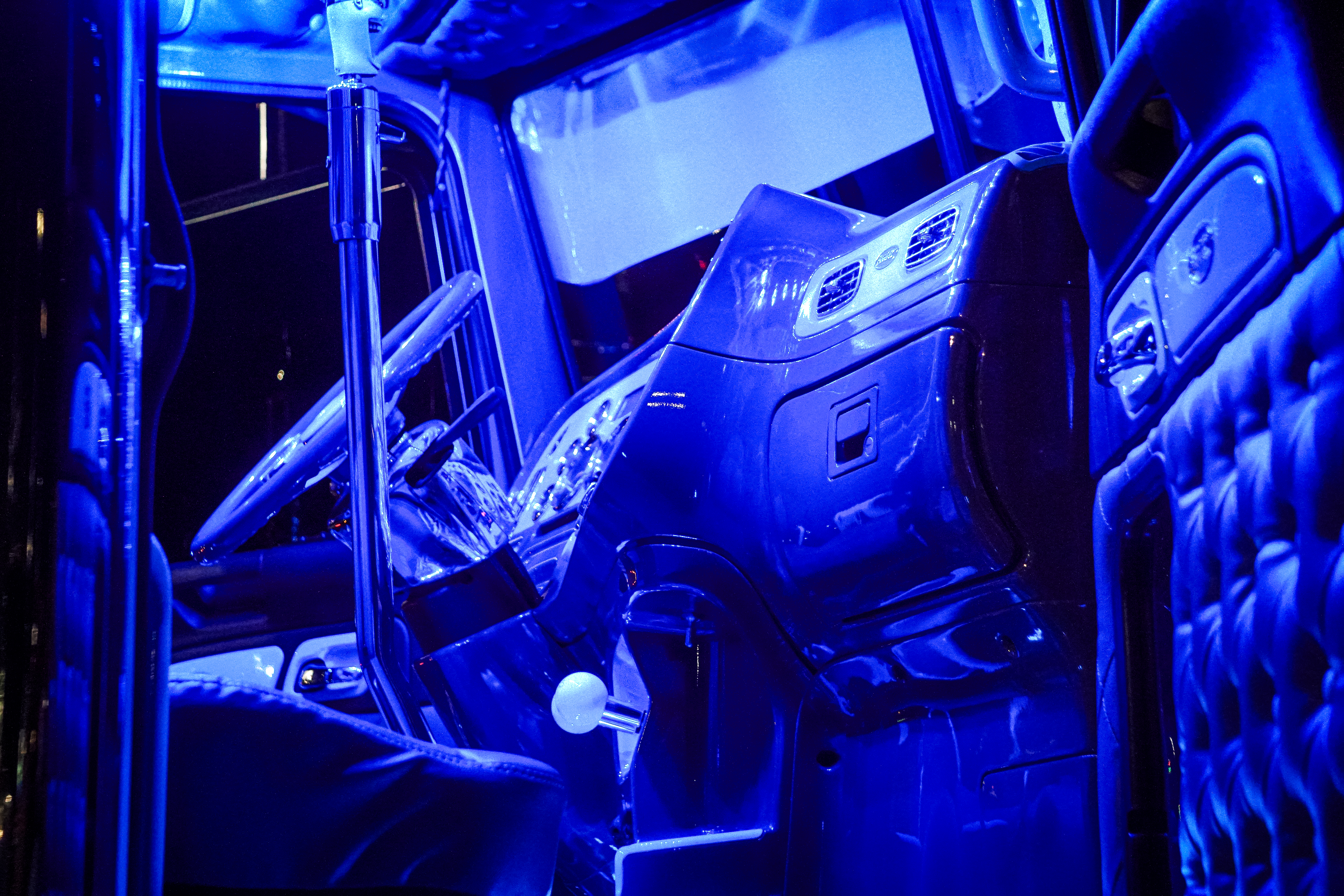
Custom lighting, whether interior or exterior, is vital for evening displays.
Before the Show:
- Test every single light, replace failed LEDs, and ensure lens colors and brightness levels match perfectly.
- Remove any moisture from housings and secure all exposed wiring.
Custom Work and Protective Upgrades
Major custom work—like paint, wraps, and fabrication—requires planning well in advance to account for part lead times and curing processes.
Prioritize protective upgrades like bug shields, stone guards, and proper mud flaps to preserve your expensive paint and polished metal on the drive to the show.
The Final Walk-Around and Display Setup
The truck is only one part of the presentation.
Your display area must remain clean, organized, and free from discarded towels, ladders, or open toolboxes. Display boards and awards should support the truck, not compete with it for attention.
Before the judges arrive, complete a final walk-around with a quick-detail spray, glass cleaner, and clean microfiber towels in hand.
Look for:
- Fingerprints and smudged glass.
- Dust, bugs, or rain spots.
- Dried polish residue or tire sling.
- Missed frame spots or dirty door sills.
Inspect the truck from standing height, kneeling height, and multiple side angles to ensure every inch is flawless before the clipboards come out.
The Show Prep Timeline
Four Weeks Before
- Inspect paint and body damage
- Order missing trim
- Repair lighting problems
- Replace worn exterior hardware
- Schedule polishing
- Test custom electrical systems
One Week Before
- Wash and decontaminate
- Polish paint
- Polish chrome and aluminum
- Detail the engine compartment
- Deep-clean the interior
- Inspect wheel ends
Show Day
- Remove road dust
- Clean glass
- Dress tires
- Check light operation
- Remove fingerprints
- Organize display materials
Shop Custom Accessories & Parts to Build a Custom Show Truck
Completely transform the look and function of your big rig. We stock the largest selection of replacement parts, alongside a unique selection of exterior chrome accessories, aftermarket lighting styles, and system performance upgrades. Shop online, use the mobile app, or drop by our truck parts shop in Joplin, Missouri.
Recent Posts
-
Haul of Fame: J&L Contracting's Award-Winning Truck
 Kenworths: Never Satisfied & Devilish Ways When you talk about Midwest trucking, heavy hauling, and …17th Sep 2026
 -
Semi Truck Exhaust Systems: Parts, Materials, Fitment & Repair Guide
 How a Semi Truck Exhaust System Works A heavy-duty exhaust system has three main jobs: route burned …16th Sep 2026
 -
Diesel Truck Engine Maintenance Guide
 Semi truck engines can last up to one million miles, or more, before they need to be rebuilt or repl …4th Sep 2026
 -
How to Buy the Right Peterbilt 379 Radiator
 If you want to keep your diesel engine from overheating you need a well-functioning replacement Pete …28th Aug 2026
 -
10 Essential Cost-Per-Mile Truck Upgrades that Pay for Themselves
 Small aftermarket semi truck accessories and performance upgrades save more money over time than the …21st Aug 2026
 -
Seasonal Semi Truck Maintenance Checklist
 Freezing winter weather temperatures, heavy snow, ice, and road salt take an unseen toll on your sem …14th Aug 2026
 -
Haul of Fame: Richard Bonner’s 1996 Peterbilt 379 — Bringing a Classic Trucker’s Truck Back to Life
 Every truck has a story, but some are worth taking a closer look at. Richard Bonner’s 1996 Peterbilt …14th Aug 2026
 -
Surviving the Scale: How to Pass Your DOT Inspection & Avoid Crippling Fees
 DOT semi truck inspections can make anyone nervous. There are multiple levels that start from a quic …7th Aug 2026
 -
Semi Truck Brake System Maintenance Guide
 Semi-truck brake defects account for 30% of out-of-service violations, according to CVSA’s 2025 Inte …4th Aug 2026
 -
How to Build a Semi Truck Emergency Kit (A Complete Checklist)
 Semi-truck breakdowns cost money and time; but they aren't inevitable. With the right emergency acce …30th Jul 2026