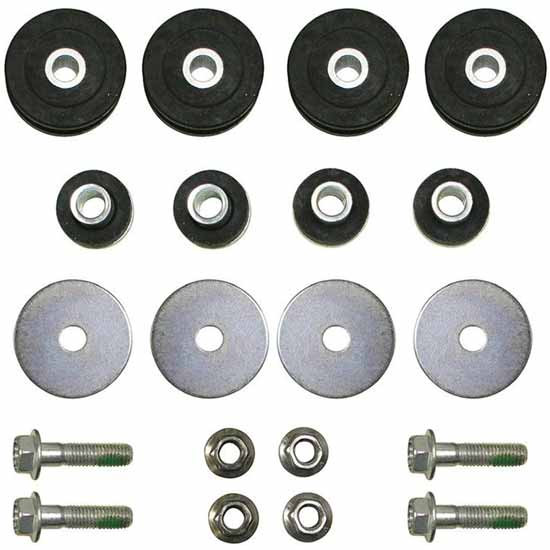
Essential for Peterbilt 567/579 and Kenworth models, these charge air coolers lower intake air temperature to enhance combustion, horsepower, and fuel efficiency. Reliable and designed for a perfect fit, they ensure your truck operates at peak performance, whether for replacement or upgrade.
Frequently Asked Questions About Peterbilt 567/579 Charge Air Coolers
What does a charge air cooler do, and why does it matter for my Peterbilt 567 or 579?
A charge air cooler, also called an intercooler, cools the compressed air coming from the turbocharger before it enters the engine. Cooler, denser air improves combustion efficiency, helps the engine run at proper operating temperatures, and supports better fuel economy and power output. A damaged or leaking charge air cooler can lead to reduced performance, increased emissions, and potential engine strain, so keeping it in good condition is important for reliable operation.
Will this charge air cooler fit my specific Peterbilt 567 or 579 model?
Charge air coolers can vary based on engine type, model year, and cab configuration, even within the 567 and 579 lineup. Before purchasing, check the part number against your truck's specifications or reach out to our team with your VIN or engine details. We want to help you confirm fitment before you buy so you get a cooler that installs correctly the first time.
Should I buy a new, used, or reconditioned charge air cooler?
Each option has its place depending on your budget and needs. New units offer the most consistent quality and longest expected service life. Used units, when inspected properly, can be a cost-effective option for older trucks. Reconditioned or remanufactured coolers are pressure tested and repaired to address common failure points like seam leaks or damaged fins. We recommend asking about inspection and testing details for any used or reconditioned unit before purchase so you know what to expect.
How do I know if my charge air cooler needs to be replaced?
Common signs include visible cracks, bent or damaged cooling fins, oil residue around the unit, loss of boost pressure, black smoke, reduced fuel economy, or a check engine light related to boost or airflow. A pressure test performed by a qualified technician is the most reliable way to confirm a leak or failure before replacing the part.
What should I know about installing a charge air cooler myself versus having a shop do it?
Installation involves removing the front grille or hood components, disconnecting boost tubing and mounting hardware, and properly securing the new cooler to avoid vibration damage or leaks. If you have mechanical experience and the right tools, this is a job many owner-operators handle themselves. If you are unsure about torque specs, tubing connections, or leak testing after installation, having a qualified technician complete the job can help avoid comebacks and ensure a proper seal.