
How to Build a Semi Truck Emergency Kit (A Complete Checklist)
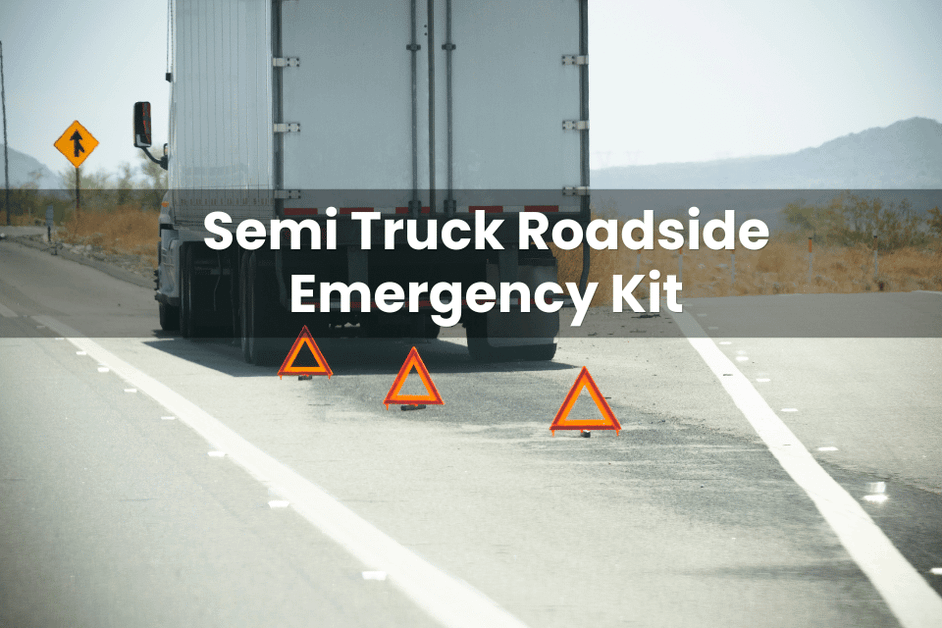
Semi-truck breakdowns cost money and time; but they aren't inevitable.
With the right emergency accessories, drivers can minimize costly delays, tackle minor repairs on the fly, and safely power through severe weather.
Here's how to build a semi truck emergency kit with the accessories you need.
How to Build a Semi Truck Emergency Kit in 5 Sections
#1. Prioritize Roadside Safety Items
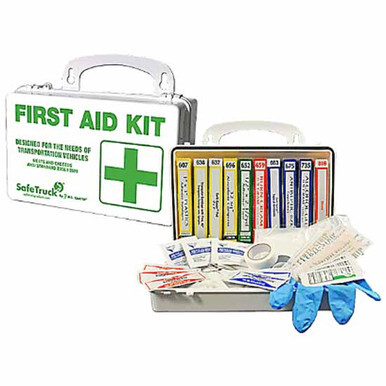
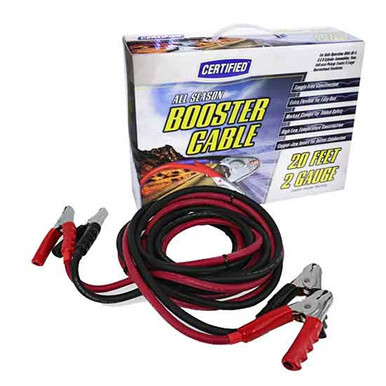
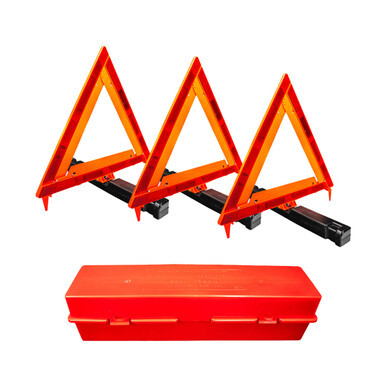
Keep the critical items within reach: first aid kits, charging cables, work gloves, reflective triangles, etc.
#2. Add Driver Survival Supplies
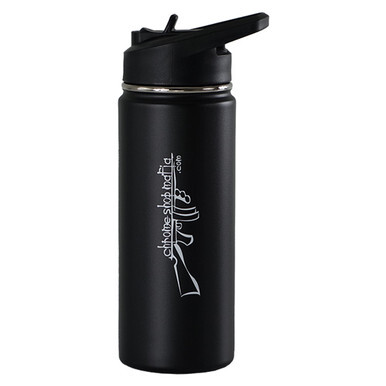

Prepare for 12-24 hours without outside help: water, blanket, extra clothes, hygeine items, and cash.
#3. Store Truck Repair & Recovery Gear
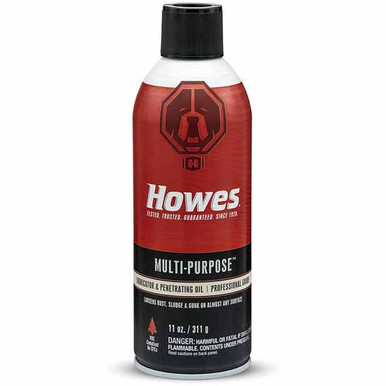
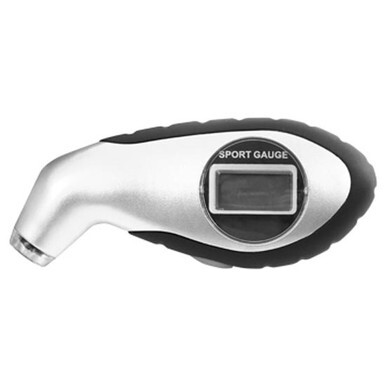
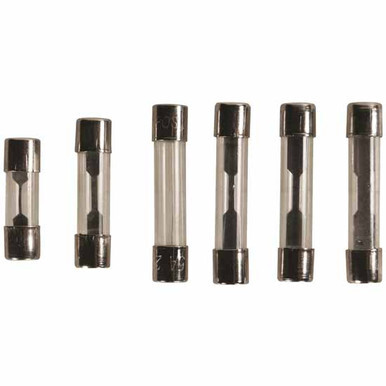
Focus on the truck's critical recovery components, like tire pressure gauges, air line hoses, serpentine belts, light bulbs, fuses, replacement fluids, lubricant/anti-seize spray, etc.
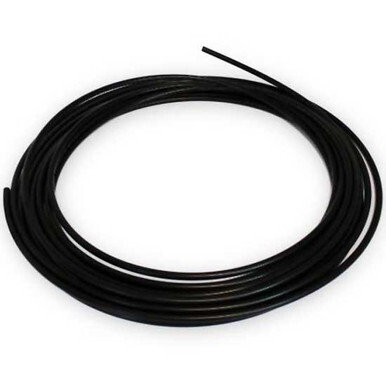
Air Hose Repair Kit (3/8 Inch and 1/2 Inch Variants)
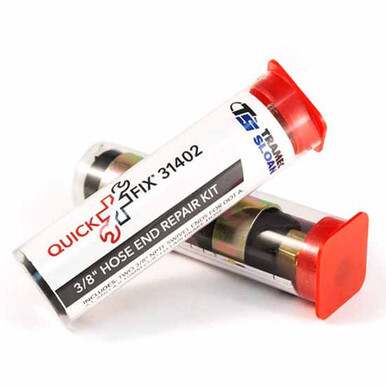
If an air brake hose gets damaged it can lead to a loss of braking power or just brake failure. This hiccup can set you way behind schedule during a load run, missed time and missed earnings.
Always have an air hose repair kit on hand. These kits are great for repairing a damaged air brake line quickly so you can get back on the road until you can make some more intensive repairs.
Depending on the size of your setup and your airflow needs, there are a variety of kit options, from an ⅜ inch repair kit to an ½ inch kit.
Tire Equalizer Kit
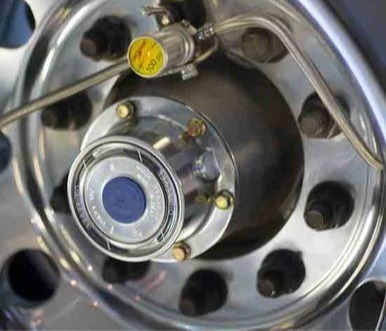
Need to prevent a blow out on the road? A tire equalizer kit can help maintain balanced air pressure in the tire.
Related Post: The Most Critical Spare Truck Parts that Drivers Should Always Have on Hand
#4. Create Seasonal Modules
Build separate, dedicated emergency kits for summertime and wintertime.
Diesel Fuel Anti-gel Additive

A diesel additive can help boost fuel economy, reduce emissions, and horsepower improvement. This additive synthetic formula improves your rig's overall performance. When it comes to emergency preventative accessories, fuel additives are at the top of the list.
To winter-prep your rig, you might consider a de-gel fuel additive.
Single Snow Tire Chains (e.g., Get Go Tire Chains)\

Another great option for when your truck gets stuck in harsh road conditions is to have a pair of snow tire chains.
Brands like Get Go Tire Chains feature a simple installation and over 10,000 lb-resistance strength.
Heavy Duty Tire Chain Wrench

If you’re stuck on the side of the road and need to install an emergency mud tire chain, a heavy-duty tire chain wrench is a life-saving item to have in your inventory.
Here's how it helps:
- Tightening chains securely around tires
- Connecting or disconnecting link chains
- Provides leverage for working with tires
- Faster removal and installation of tires
Steel Tire Chain Carrier (Aluminum/Steel options)

You’ll need to carry those chains somewhere on your rig. A Tire chain carrier is another must-have, low-cost accessory to install on your truck.
There are plenty of different options to choose from, coming in different materials, like aluminum or steel, and some coming with lockable frame mount covers.
#5. Build an Inspection System
Use an inventory sheet with these columns:
- Item - Quality - Storage Location - Expiration Date - Last Inspected - Replacement Needed
Final Tips on Building an Emergency Kit
Label storage containers. Create simple labels with a tape and sharpie to identify things quickly.
Test equipment before you travel. Check power banks, gauges, tire-chain fitment, and more (beforehand).
| Semi Truck Emergency Kit Checklist | |||
|---|---|---|---|
| Item | Qty | Purpose | Maintenance & Inspection |
| Warning Triangles | 3-pack | Warns traffic and marks a disabled truck. | Check for cracked cases and missing stands. |
| Fire Extinguisher | 1 | Responds to small electrical, fuel, or engine fires. | Inspect the mounting bracket, pressure gauge, pin, and service date. |
| First Aid Kit | 1 | Treats minor cuts, burns, and sprains. | Replace expired, opened, or wet supplies. |
| Reflective Vest | 1 per driver | Improves driver visibility near traffic. | Replace faded, torn, or soiled vests. |
| Wheel Chocks | 2 | Prevents truck movement during emergencies. | Inspect for cracks and worn tread. |
| Charged Cell Phone | 1 per driver | Provides access to emergency services and dispatch. | Charge before each trip. |
| Phone Power Bank | 1 to 2 | Provides backup power during an electrical failure. | Recharge monthly and before long trips. |
| LED Flashlight | 1 | Provides visibility inside the cab, engine bay, and roadside area. | Test monthly and replace weak batteries. |
| LED Headlamp | 1 | Keeps both hands free during inspections and repairs. | Test monthly and carry spare batteries. |
| Drinking Water | 1 gallon per driver | Supports hydration during breakdowns and heat exposure. | Replace after prolonged heat exposure or when date limits expire. |
| Accident Report Kit | 1 | Organizes insurance, carrier, vehicle, and witness information. | Review documents twice per year. |
High & Medium Priority Support Gear
The remaining supplies support roadside inspections, temporary mechanical fixes, spills, and extreme weather.
First Aid & Medical
Prescription medications, bandages, gauze, medical tape, antiseptic wipes, antibiotic ointment, nitrile gloves, CPR mask, tweezers, and trauma scissors.
Personal Protection & Survival
Heavy-duty work gloves, safety glasses, rain jacket, emergency blankets, sleeping bag, spare clothing, winter gloves and hat, hand warmers, electrolyte mix, sunscreen, and non-perishable food.
Communication & Lighting
Spare batteries, charging cables, 12-volt adapter, laminated emergency contacts, two-way or CB radio, and a red warning flag.
Inspection & Tire Service
Pre-trip inspection tool, tire pressure gauge, tread depth gauge, valve core tool and caps, heavy-duty air hose, tire chains, and traction mats.
Electrical & Battery
Jumper cables, portable jump starter, spare fuses, primary wire, heat-shrink connectors, electrical tape, wire strippers, crimpers, digital multimeter, and test light.
Mechanical Tools
Screwdrivers, wrenches, socket set, slip-joint pliers, needle-nose pliers, locking pliers, hammer, utility knife, heavy-duty duct tape, zip ties, and bungee cords.
Fluids & Spill Response
Engine oil, premixed coolant, DEF, washer fluid, oil-only spill kit, absorbent pads and socks, and disposal bags.
Hygiene & Sanitation
Hand sanitizer, wet wipes, paper towels, trash bags, toilet tissue, and sanitation bags.
Winter-Ready Semi Truck Emergency Kit
A winter emergency kit should protect the driver, support roadside recovery, and help keep the truck operational during freezing conditions.
Cold-Weather Survival
Insulated sleeping bag, layered clothing, hand warmers, non-perishable food, drinking water, first aid supplies, and prescription medications.
Roadside Visibility
Reflective warning triangles, a high-lumen flashlight, a hands-free headlamp, and Class 3 insulated high-visibility outerwear.
Winter Recovery
Properly fitted tire chains, chain tensioners, repair links, a snow shovel, ice scraper, traction material, and heavy-duty jumper cables.
Diesel and Air System Protection
Diesel fuel anti-gel, spare fuel filters, a filter wrench, and manufacturer-approved air brake line antifreeze.
Truck-Specific Supplies
Winter-rated washer fluid, basic hand tools, a brass or rubber mallet, portable power bank, battery-powered radio, and paper road atlas.
Summer-Ready Semi Truck Emergency Kit
Prepare for heat exposure, cooling-system trouble, tire pressure changes, severe weather, and extended roadside delays.
Heat Protection
Extra drinking water, electrolyte packets, cooling towels, sunscreen, UV sleeves, a brimmed hat, and heat-sensitive medications stored within their approved temperature range.
Cab Cooling Backup
Reflective windshield shade, sleeper curtains, rechargeable fan, phone power bank, and an insulated cooler.
Add a portable power station for extended parking or longer electrical outages.
Cooling-System Repairs
One to two gallons of manufacturer-approved premixed heavy-duty coolant, silicone repair tape, hose clamps, heat-resistant gloves, and truck-specific spare belts or hoses.
Tire Safety
Commercial tire pressure gauge, tread depth gauge, valve tool, spare sealing valve caps, and an air hose with a dual-foot chuck.
Storm and Roadside Protection
Class 3 high-visibility rain gear, weather radio, hands-free headlamp, spill kit, insect repellent, and waterproof storage bags.
Semi Truck Emergency Kit Storage Guide
Organize emergency supplies by access priority so drivers reach critical gear without searching through the truck.
Emergency Kit Inspection Schedule
Use this schedule to keep emergency supplies accessible, functional, and properly stocked.
Before Every Trip
- Confirm your phone is fully charged.
- Test flashlights and headlamps.
- Check your drinking water supply.
- Confirm warning triangles are present and accessible.
- Make sure the fire extinguisher is secure and easy to reach.
- Confirm the first aid kit is accessible.
- Pack weather-appropriate gear.
Monthly
- Test spare batteries.
- Recharge power banks.
- Inspect the fire extinguisher.
- Check the spill kit seal and contents.
- Review your tool inventory.
- Replace expired food and water.
- Inspect tire service equipment.
Seasonally
- Rotate winter gear and heat-response supplies.
- Update spare clothing.
- Check washer fluid and coolant.
- Inspect tire chains.
- Clean and inspect the sleeping bag.
- Add route-specific equipment.
After Each Use
Replace used, damaged, or depleted supplies:
- Medical supplies
- Absorbent pads and spill materials
- Electrical connectors
- Emergency fluids
- Food and water
- Batteries
- Zip ties
- Tape
- Personal protective equipment
Twice Per Year
- Update accident report documents.
- Verify insurance information.
- Review roadside assistance contacts.
- Replace outdated emergency instruction cards.
- Update printed maps.
Shop for Emergency Kit Accessories at 4 State Trucks
4 State Trucks stock every semi truck accessory you need to build your own year-round emergency kit. Shop using our mobile app today, or drop by the truck parts shop in Joplin, Missouri.
Recent Posts
-
Haul of Fame: J&L Contracting's Award-Winning Truck
 Kenworths: Never Satisfied & Devilish Ways When you talk about Midwest trucking, heavy hauling, and …17th Sep 2026
 -
Semi Truck Exhaust Systems: Parts, Materials, Fitment & Repair Guide
 How a Semi Truck Exhaust System Works A heavy-duty exhaust system has three main jobs: route burned …16th Sep 2026
 -
Diesel Truck Engine Maintenance Guide
 Semi truck engines can last up to one million miles, or more, before they need to be rebuilt or repl …4th Sep 2026
 -
How to Buy the Right Peterbilt 379 Radiator
 If you want to keep your diesel engine from overheating you need a well-functioning replacement Pete …28th Aug 2026
 -
10 Essential Cost-Per-Mile Truck Upgrades that Pay for Themselves
 Small aftermarket semi truck accessories and performance upgrades save more money over time than the …21st Aug 2026
 -
Seasonal Semi Truck Maintenance Checklist
 Freezing winter weather temperatures, heavy snow, ice, and road salt take an unseen toll on your sem …14th Aug 2026
 -
Haul of Fame: Richard Bonner’s 1996 Peterbilt 379 — Bringing a Classic Trucker’s Truck Back to Life
 Every truck has a story, but some are worth taking a closer look at. Richard Bonner’s 1996 Peterbilt …14th Aug 2026
 -
Surviving the Scale: How to Pass Your DOT Inspection & Avoid Crippling Fees
 DOT semi truck inspections can make anyone nervous. There are multiple levels that start from a quic …7th Aug 2026
 -
Semi Truck Brake System Maintenance Guide
 Semi-truck brake defects account for 30% of out-of-service violations, according to CVSA’s 2025 Inte …4th Aug 2026