
Spare Semi Truck Parts Every Owner-Operator Should Keep
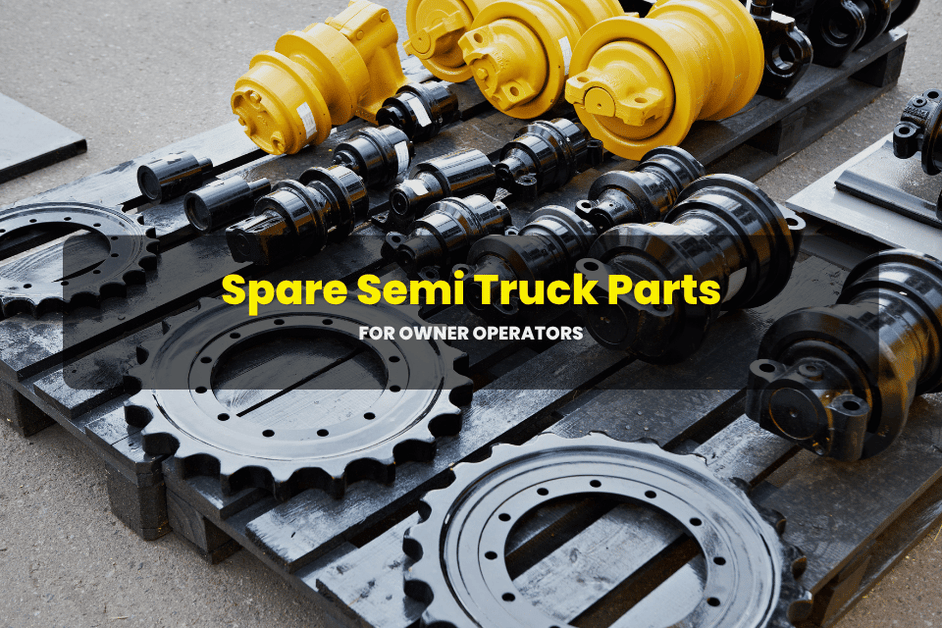
For owner-operators, having the right spare parts on hand is the difference between experiencing devastating downtime and productive uptime.
You don’t want to be caught on the side of the road waiting for a parts delivery or mobile mechanic to show.
Here are the most important spare parts that you should store on your truck.
The Absolute Bare Minimum


There’s the bare minimum, and there’s the owner-operator standard.
For pretty much any truck driver, it’s important to have:
- Filters: fuel filter, engine air filter, and oil service filter.
- Filter Ring (O-Ring)
- Fluids: Antifreeze, washer fluid, brake line anti-freeze, and more.
Working Truckers Should Heavily Prioritize These Spare Parts
- Airline repair kit, fittings, and gladhand seals
- Fuel filters
- Serpentine belts
- Coolant, hose clamps, and common coolant hoses
- Headlight, taillight, and marker light replacements
- Fuses, relays, wire connectors, and electrical repair supplies
- Tire pressure and inflation equipment
- Basic hand tools
- Zip ties, tape, spare hardware, and temporary repair materials
- Roadside safety and emergency supplies
- Valve caps and valve-core tool
- Tire inflation hose and plug kit for minor repairs
- Wheel chocks
The Consequences of Not Keeping Spare Parts as an Owner-Operator
If you’re an owner-operator, you’ll need to pack more than just the essentials.
Roadside breakdowns are expensive.
Unlike a truck driver who works for a company, owner-operators shoulder all the repair costs alone.
The smallest, seemingly trivial, mechanical issue can and will cost you boatloads of money, especially if you’re pulled to the side of the road waiting on a service truck.
It’s not just the price of service.
You’ve got to consider the downtime. Downtime can snowball into a potentially business-ending circumstance for owner-operators who need to be on the road to stay profitable.
Simply calling a service truck to show up on the side of the road will cost a few thousand dollars – oftentimes, that’s the base price quote – not to perform repairs or installations, but to just check on things.
Crazy, right?
That bill goes up higher once there’s a mechanical problem that needs to be fixed.
To avoid all of this, store a little bit of everything.
Roadside Maintenance Inventory to Stock Up On
Storing extra belts, hoses, patchwork repair tools, a wide variety of electrical components, and airline connectors are critical for drivers that want to mitigate risky downtime.
Complete Roadside Maintenance Parts for Owner-Operators
- Brake chambers
- Brake shoes and pads
- Brake drums and rotors
- Slack adjusters
- Wheel bearings
- Wheel seals
- U-joints
- Starter motors
- Solenoids
- Belt tensioners
- Idler pulleys
- Air springs
- Leveling valves
- Tie rods
- Drag links
- Alternators
- Water pumps
Air Brake Repair Parts

- Airline repair kit
- Spare air hoses
- Air fittings and connectors
- Hose clamps
- Gladhand seals
- Spare fuses for ABS circuits
The Warning Signs
- Falling air pressure
- Hissing sounds
- Cracked hoses
- Slow or uneven braking
Start Here: Stock a Full Set Basic Repair Tools
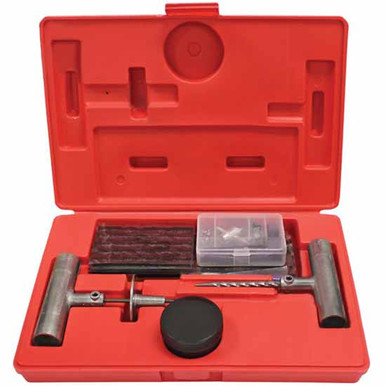
An owner-operator must keep a full set of basic tools to DIY-fix most problems that spring up.
A basic tool kit should include:
- Socket and Ratchet Set
- Combination Wrench Set
- Adjustable Wrenches
- Pliers Set
- Screwdriver and Driver-Bit Set
- Heavy-Duty Breaker Bar
- Torque Wrench
- Wire Cutters & Crimpers
- Utility Knife
- Tire Pressure Gauge
- Jumper Cables or Battery Booster
Essential Electrical Repair Tools:
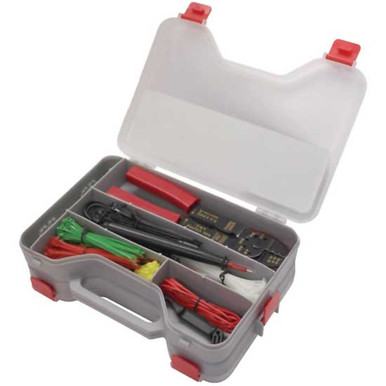
Wire Strippers: strip the insulation and prep the wire for a clean repair.
Terminal Crimper: secure connectors, terminals, and butt splices tight to the wire.
Wire Cutters: remove damaged wiring and trim the replacement wire to the right size.
Digital Multimeter: measure voltage, resistance, and continuity to find dead circuits, weak connections or charging problems.
Electrical Test Light: quick way to check if the power reaches a fuse, wire, connector, or electrical component.
Heat Gun: shrinks heat-shrink tubing and sealed connectors to protect from moisture.
Small Hand Tools: needle-nose pliers, nut drivers, fuse puller, utility knife, flashlight, terminal remover tools.
Patchwork Repair Supplies
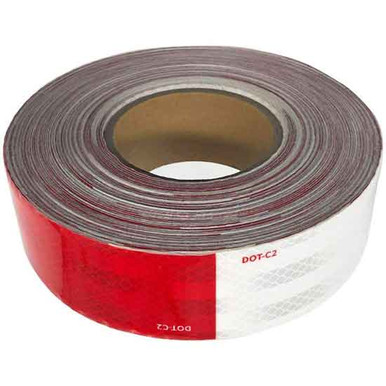
This is the standard miscellaneous stuff you’ll need here and there:
- Heavy-duty duct tape
- Self-fusing silicone repair tape
- Electrical tape
- Aluminum HVAC repair tape
- Thread-seal tape
- Liquid thread sealant approved for the application
- Weather-resistant tarp repair tape
- Shop towels
- Work gloves
Emergency Safety Gear
- Reflective safety vest
- Warning triangles or approved roadside markers
- Flashlight
- First-aid kit
- Fire extinguisher
- Water
- Nonperishable food
- Blanket and seasonal clothing
- Phone charger
- Portable battery bank
- Prescription medication
- Paper road atlas
Buy Spare Fluids (Yes, All of Them)
If you own your truck, you’ll need all the spare fluids you can get:
- Heavy-Duty Coolant or Antifreeze
- Diesel Engine Oil
- Windshield Washer Fluid
- Diesel Exhaust Fluid
- Power Steering Fluid
- Hydraulic Clutch Fluid
- Transmission Fluid or Gear Oil
- Hub or Differential Gear Oil
- Preventative Anti-Gel Diesel Fuel Treatment (Seasonal)
- Penetrating Oil
- Multi-purpose Spray Lubricant
- Dielectric Grease
- Anti-seize Compound
- Fifth-wheel Grease
- Chassis Grease
- Battery-Terminal Protectant
- Silicone Lubricant (for Compatible Rubber Seals)
How to Store Spare Fluids on Your Truck
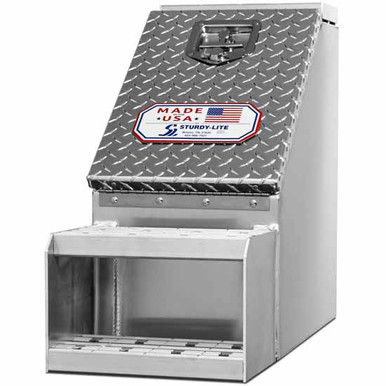
The wide Big Mouth and Gaiter step box designs by Iconic, Soaring Eagle, and Sturdy-Lite let you store extra fluids and diesel cannisters upright without tipping them over.
Airline Connectors
Your semi truck brakes run on air. If a connector is busted, you’re not going anywhere until it’s fixed.

So, whether you break an airline or need to put a union into a rubbed airline that’s about to start leaking, these spare components are mandatory for any trucker.
If you don’t have spare airline connectors, you’ll be stranded on the side of the road waiting for a replacement set.
Replacement Belts & Hoses
Spare Belts:

- Main serpentine accessory belt
- Alternator belt
- Fan-drive belt
- Water-pump belt
- Air-conditioning compressor belt
Spare Hoses:
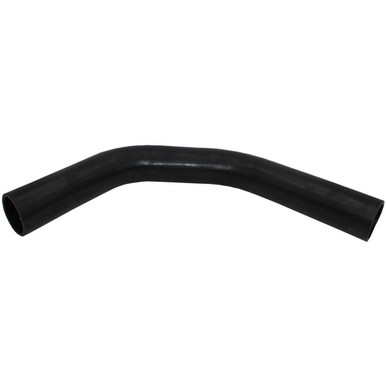
- Upper radiator hose
- Lower radiator hose
- Common engine-to-radiator coolant hose
- Short coolant crossover hoses
- Heater supply hose
- Heater return hose
- Sleeper-heater coolant hose, when equipped
- Correct replacement clamps
Spare Electrical Parts
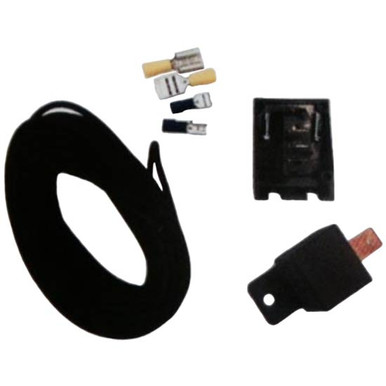
You’ll need some tools to help fix damaged electrical parts. If you have something as simple as a busted fuse for a marker light, you’ll get a fine.
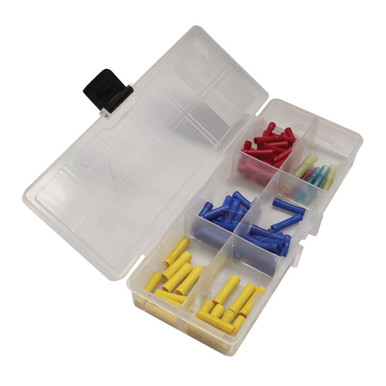
A full set of electrical spare wires, including:
- Spare fuses
- Heat shrink electrical terminals (ring, spade, male and female disconnect terminals)
- Relays
- Butt connectors
- Multi-wire seal connectors
- Bullet connectors for compatible lighting circuits
|
Wire Size |
Common Roadside Uses |
|
18 AWG |
Marker lights, small signal circuits |
|
16 AWG |
Clearance lights, taillights, low-draw accessories |
|
14 AWG |
General lighting and accessory circuits |
|
12 AWG |
Higher-draw lights, auxiliary equipment |
|
10 AWG |
Heavier accessory circuits and some trailer wiring |
Lightbulbs
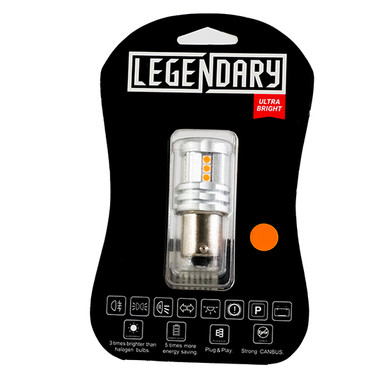
Buy a full set of extra lightbulbs for the headlight, taillight, and marker lights.
While these seem kind of silly, a busted or missing light puts you out of service.
Now, you’re paying money for a service truck to drive all the way out to where you are just to bring a light bulb.
Here’s a quick story.
Jeremy Whatley, a former owner-operator who now works as truck parts sales specialist at 4 State Trucks, said, “I once got caught at a California scale with a taillight out. This was after I had checked the dang things before I left. Somewhere between where I left and 20 miles later at the scale house, I had lost a back taillight. So, an 1157 bulb that you can buy at probably any parts store in the country for a couple of bucks ended up costing me $300 to $400 to get a service truck out there to buy a bulb and put it in so that I could leave. And I got an out-of-service violation for doing it.”
The lesson?
Light bulbs are important!
Don’t Stock Too Much, Just Pack What You Need
When it comes to stocking spare parts, some drivers will go to an extreme: a spare tube of grease, grease guns, bulk packs of U-joints, and anything else you can think of.
At a certain point, it’s overkill.
Consider what you really need.
Narrow it down by factoring in the geography of your routes and the weather (sub-freezing temps or sweltering hot climates).
Solid preventative maintenance can help in this regard.
Do a walkaround and inspect the truck. Look at the commonly replaced semi-truck parts and check the PSI of the tires.
Where to Store Spare Parts on Your Semi Truck
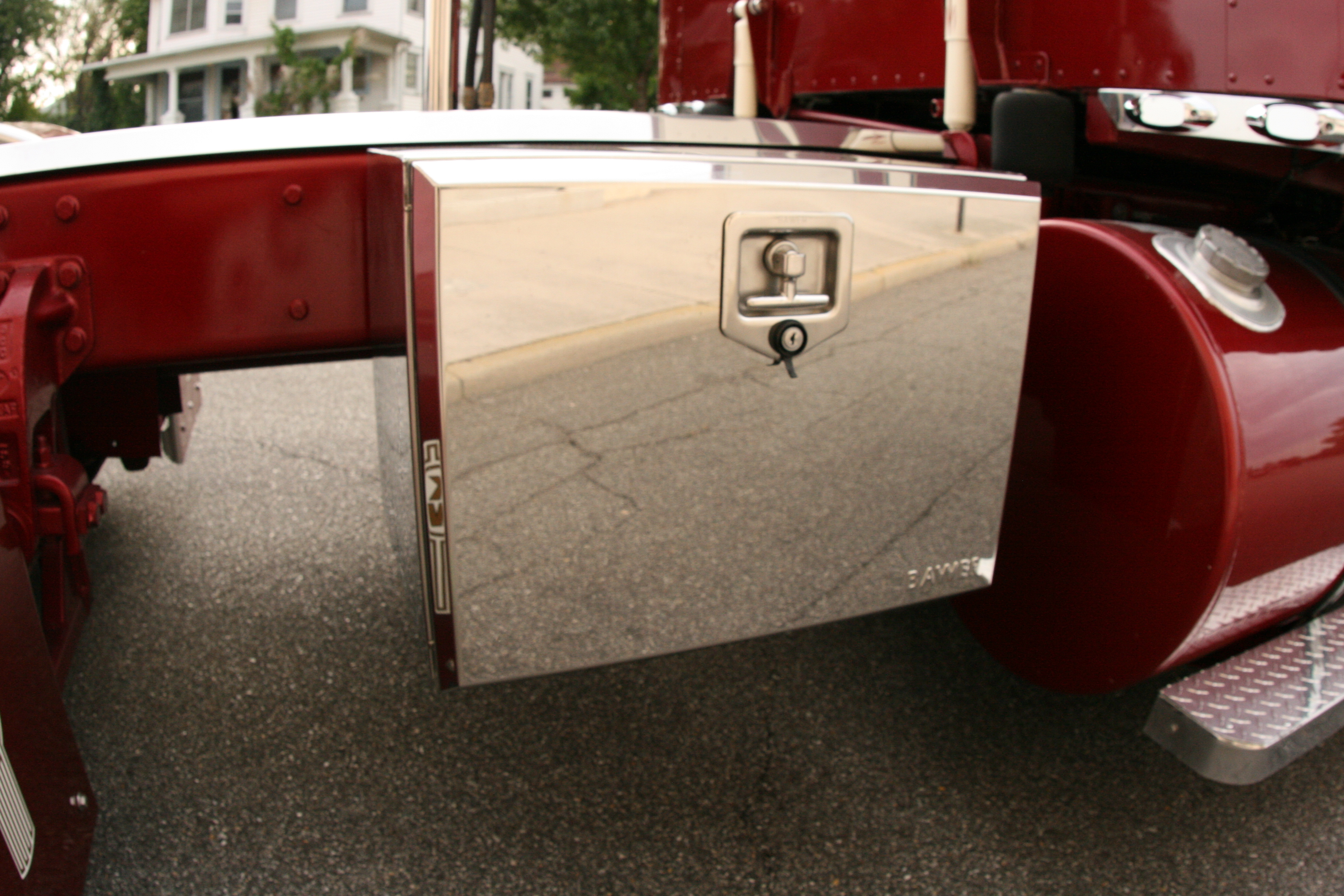
Even without adding any aftermarket frame-mounted storage boxes between the fuel tank and drive axles, most semi-trucks have plenty of built-in storage space to hold your spare parts and tools:
- Under the bed
- Between the toolbox under the passenger door
- Behind the seats
- Extra boxes in the back
When it comes to accessible storage, truckers develop systems that work for them.
Whether it's frame-mounted toolboxes, gator boxes with steps, or interior storage shelving, there's a million and one ways to pack more tools in your rig.
OTR Bandit owns a Peterbilt 389 with a 70” sleeper.
\
Bandit is able to stock a staggering amount of repair tools and spare truck parts underneath the sleeper bed, be it inside of ergonomic carry case comportments or slide-out cubby holders.
Shop for Replacement Truck Parts at 4 State Trucks
Stock up on the parts you need. At 4 State Trucks, we don’t just stock shiny custom chrome and interior accessories.
We keep thousands of quick-to-ship replacement components for your semi-truck make/model.
Our priority is to get you the parts you need fast, so you can get back on the road. Shop online using the mobile app or drop by our heavy-duty truck parts shop in Joplin, Missouri.
Recent Posts
-
Haul of Fame: J&L Contracting's Award-Winning Truck
 Kenworths: Never Satisfied & Devilish Ways When you talk about Midwest trucking, heavy hauling, and …17th Sep 2026
 -
Semi Truck Exhaust Systems: Parts, Materials, Fitment & Repair Guide
 How a Semi Truck Exhaust System Works A heavy-duty exhaust system has three main jobs: route burned …16th Sep 2026
 -
Diesel Truck Engine Maintenance Guide
 Semi truck engines can last up to one million miles, or more, before they need to be rebuilt or repl …4th Sep 2026
 -
How to Buy the Right Peterbilt 379 Radiator
 If you want to keep your diesel engine from overheating you need a well-functioning replacement Pete …28th Aug 2026
 -
10 Essential Cost-Per-Mile Truck Upgrades that Pay for Themselves
 Small aftermarket semi truck accessories and performance upgrades save more money over time than the …21st Aug 2026
 -
Seasonal Semi Truck Maintenance Checklist
 Freezing winter weather temperatures, heavy snow, ice, and road salt take an unseen toll on your sem …14th Aug 2026
 -
Haul of Fame: Richard Bonner’s 1996 Peterbilt 379 — Bringing a Classic Trucker’s Truck Back to Life
 Every truck has a story, but some are worth taking a closer look at. Richard Bonner’s 1996 Peterbilt …14th Aug 2026
 -
Surviving the Scale: How to Pass Your DOT Inspection & Avoid Crippling Fees
 DOT semi truck inspections can make anyone nervous. There are multiple levels that start from a quic …7th Aug 2026
 -
Semi Truck Brake System Maintenance Guide
 Semi-truck brake defects account for 30% of out-of-service violations, according to CVSA’s 2025 Inte …4th Aug 2026
 -
How to Build a Semi Truck Emergency Kit (A Complete Checklist)
 Semi-truck breakdowns cost money and time; but they aren't inevitable. With the right emergency acce …30th Jul 2026