



Preventative Maintenance Checklist for Semi Trucks
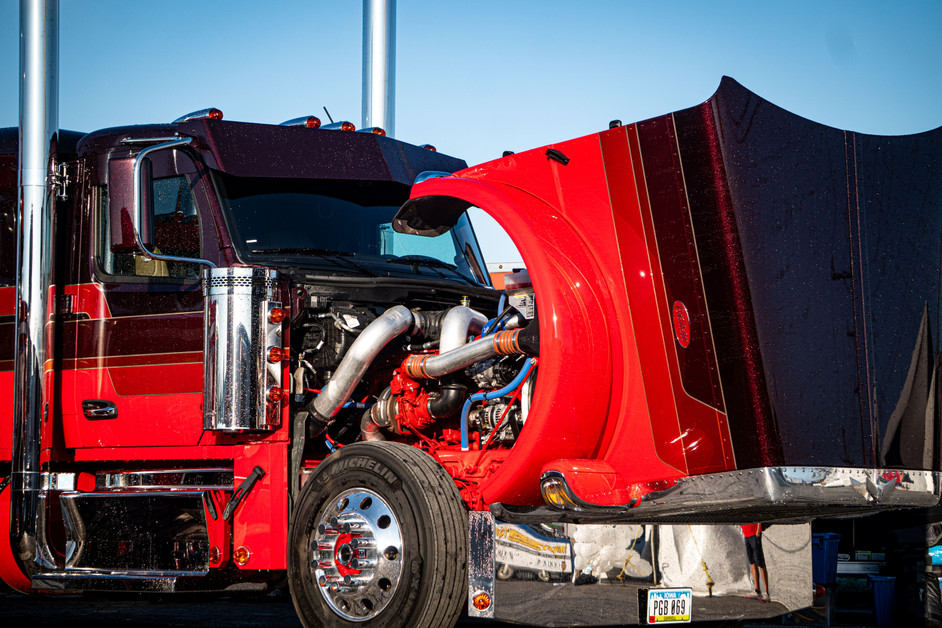
In this post, we’ll cover the need for a semi truck preventative maintenance checklist, and some of the common replacement parts you can buy online and ship directly to your specified address.
Key Takeaways
PM helps reduce breakdowns, repair costs, fuel waste, and downtime.
Track service dates, mileage, costs, and upcoming maintenance in a logbook, spreadsheet, or fleet app (keep maintenance records for FMCSA or CVSA compliance)
Daily Check: tires, fluids, lights, air lines, suspension parts, and connections.
Inspect: belts, hoses, filters, wiring, brakes, alignment, shocks, bushings, and lug nuts.
Schedule big service repairs for engine, air, aftertreatment, driveline, and cooling system by mileage.
Preventative Maintenance Checklist
Download a handy PM checklist to take with you on the road.
Engine & Electrical System Maintenance
Oil Changes
Change the oil and oil filters as recommended by the manufacturer.
Ever year, send a sample of your engine oil to a lab for analysis. This test will determine the health of your oil (and of your engine). The report shows you the percentage of metals in your oil, like copper, as well as signs of oxidation or contamination.
Cooling System
Inspect the radiator and A/C condenser mounts. The consistent heat and pressure that impacts engine-cooling components
Pressure test the cooling system and ensure the radiator cap can stay in place.
Test the antifreeze mix levels and never add tap water to the coolant mix. Over time, the hard minerals and chemicals in tap water will corrode the internal cylinders and lock up the engine.
Engine and road vibration rattles all sorts of hardware pieces under the hood, including your water pump. Check the water pump bearings for looseness.
Reach in and wiggle the water pump pulley or fan hub with the engine completely off and cool to detect any loose movement or side-to-side wobble.
Batteries & Wires
Clean the battery terminals, test your charger/alternator functionality, and inspect the starter connections. These charging and battery parts are negatively affected by road salt and chemicals, and high temperatures.
That’s why drivers need to prioritize regularly spray washing their trucks clean. Road grime can enter the terminals and mess with sensors and connections. Once that happens, you’ll battle ghost issues without knowing exactly why certain lights and accessories aren’t working when you toggle a dashboard button.
Belts & Lines
Inspect drive belts for any tension for stiffening and degradation. Inspect the wiring harnesses, fuel lines, and air hoses for chaffing to avoid fluid leakage or a short-circuit.
Air Filters & Fuel Filters
The engine air intake can accumulate debris that clogs the breathability of the engine. Look at the CAC (charged air cooler or intercooler) for any gunk or debris.
Take a glance over related hardware like clamps and bolts for any brittleness. High heat destroys hardware over time, whether it’s in the engine-cooling or exhaust system.
Brakes & Air System
Air Brakes
Test the air brake system for leaks. This requires two people, one outside the truck, and one inside to press firmly down on the brake pedal and release it.
Check your low-pressure warning devices to make sure they’re connected. Test the air pressure build up time. Inspect air dryer operation (when you release the air out and during the heat cycle). Replace old dryer cartridges during major service repairs.
Brake Hardware
Measure and mark the brake pad and lining thickness, and the rotor/drum condition. Look at the brake chambers and S-Cam/slack adjuster to see if they operate correctly. Double-check the hand brake valve functionality too.
On hydraulic brakes, you should check:
- Master cylinder
- Power booster
- Fluid condition lines
- Brake pedal feel
Tires & Wheels
Tire pressure is the most important thing you can check on daily basis. So many issues happen simply because the air pressure (PSI) isn’t correct. Inspect the wheel seals and bearings are far too worn and faded.
Semi Truck Cab Safety Check
Do a walkaround. Check the door latches/locks, mud flaps, and the upper/lower exhaust brackets. After that, step inside the cab. Check the seat belt, dash switch function, HVAC controls, gauge instrument readouts, pedal stability, and clutch pedal feel.
Check the windshield wipers and fluid daily. Look at the windshield glass and rubber gasket seals. While you’re doing that, check the lights. Busted semi-truck lights are a common reason for DOT fines during weigh station stops.
Why Does Preventative Maintenance Matter for Semi Trucks?
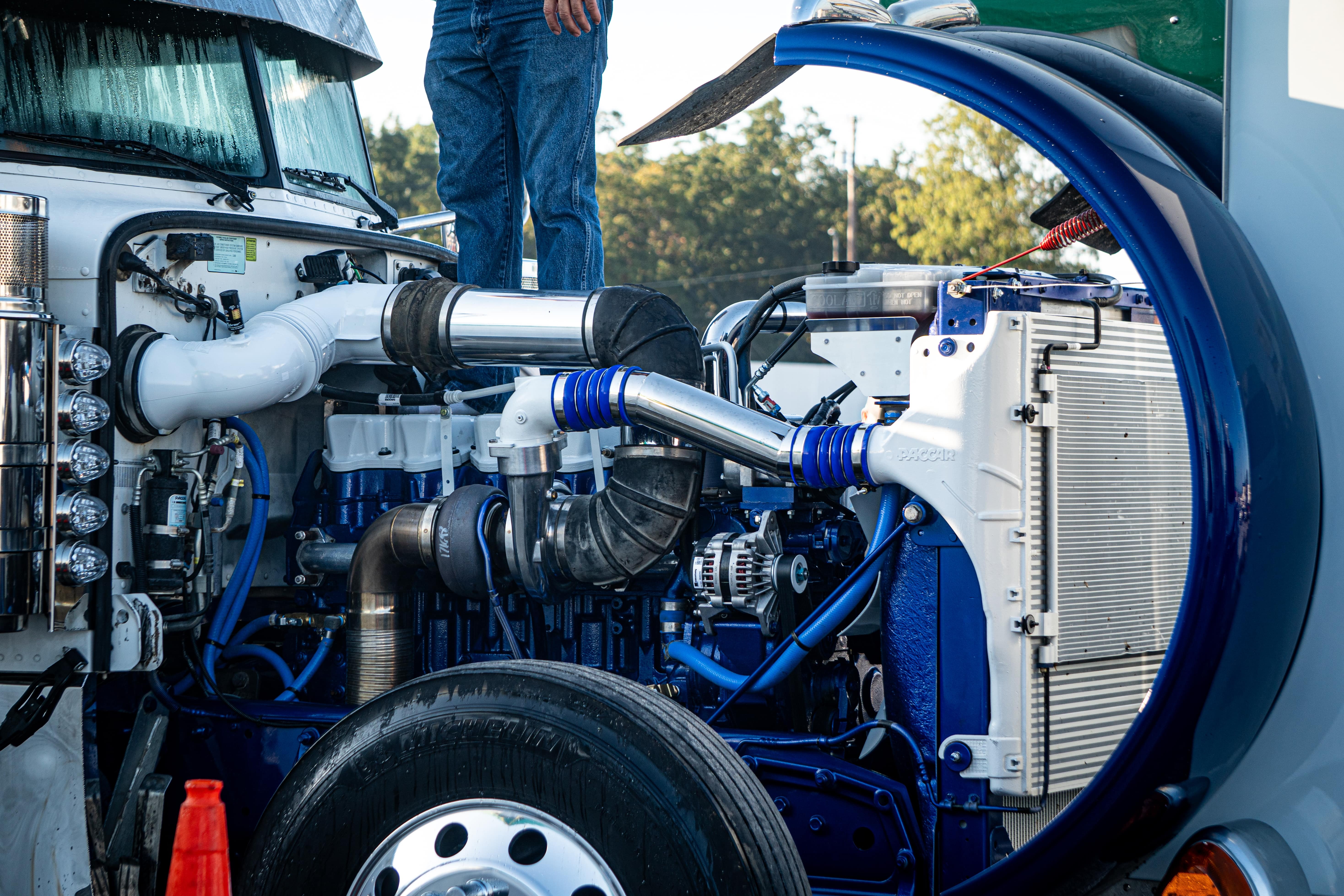
Your truck is your income, making preventative maintenance a core business strategy. Treating PM as a priority rather than an afterthought extends the life of your rig and prevents catastrophic roadside failures.
The Benefits of PM:
- Lowers repair and unexpected overhead costs.
- Improves overall fuel efficiency.
- Extends the lifespan and resale value of your truck.
- Prevents critical failures like overheating, brake failure, tire blowouts, and electrical shutdowns.
Red-Flags for Immediate Repairs
- Dashboard warning lights (e.g., check engine, low oil pressure, etc.)
- Grinding, squealing, and heavy-knocking noise
- Sudden loss of power and acceleration
- Excessive fuel consumption
- Engine overheating
- Visible fluid leaks, burning odors, and blue to black exhaust fumes
This can be mitigated or prevented through diligent, well-planned maintenance.
How to Build a Solid Preventative Maintenance Plan
- Assess the Truck: Note the current mileage, driving frequency, typical weather conditions, and fuel system health.
- Build a Schedule: Keep a logbook (binder or spreadsheet) tracking tasks, dates, mileage, and when the next service is due.
- Communicate: Set clear expectations with drivers. Fleet managers should use apps like KeepTruckin, Fleetio, or SimpleTruckELD to manage this at scale.
- Document Everything: Keep a running record of performance checks, service repairs, and your cost-per-mile to help with budgeting.
Daily & Routine Maintenance Checklist
Catching small issues before they become expensive repairs requires a consistent routine.
Daily (Pre-Trip & Post-Trip)
- Tires: Check pressure and minimum tread depth (4/32" on steer tires, 2/32" on others).
- Fluids: Verify engine oil, coolant, brake fluid, power steering fluid, and washer fluid. Keep spares in the cab.
- Visibility: Inspect wiper blades, brake lights, and marker lights.
- Walk-Around: Check for airline leaks, cracked suspension components, and loose connections.
Weekly
- Inspect hoses, belts, and filters.
- Re-check all fluid levels.
- Test dash gauges, interior/exterior lights, and the horn.
- Inspect wiring and clean electrical connections.
Monthly
- Rotate tires and inspect lug nuts for rust or moisture buildup.
- Deep-check the brake system (pads, drums, hydraulic/air lines).
- Check wheel alignment, shock absorbers, bushings, and linkages.
Long-Term Service Intervals (By Mileage)
Note: Heavy-duty cycles change service intervals. Steady highway linehaul can stretch intervals, while stop-and-go, heavy loads, or extreme temperatures shorten them. Always confirm with your manufacturer.
| Mileage / Time | Service System | Maintenance Tasks |
|---|---|---|
| 10k–25k mi or 6 months |
Routine / Engine | Change engine oil and filter. Inspect air and fuel filters. Check belts, compressor, and gearbox. |
| 100k–150k mi | Air System | Replace air dryer desiccant cartridge. Check DEF system. Adjust valves according to OEM recommendations. |
| 250k–400k mi | Aftertreatment | Clean or bake the DPF. Inspect the doser and DEF quality. Check sensors, clamps, and exhaust leaks. |
| 500k mi or 60 months |
Driveline | Replace transmission fluid and filters. Inspect clutch, shift linkages, and differential fluids. |
| 750k mi | Cooling | Flush and replace coolant. Pressure-test the system and cap. Inspect hoses, water pump, and fan clutch. |
Seasonal Maintenance Needs
Weather fluctuations drastically impact a commercial vehicle.
Prepare your rig accordingly.
Winter Preparation
Inspect These Parts:
- Engine block heaters
- Fuel-water separator heating/de-icing components
- Air dryers
- Diesel-fueled APUs (auxiliary power units)
- Defrosters and replace wiper blades.
- Moisture buildup in the air brake system
- Sudden air-pressure drops
Summer Preparation
Inspect These Parts:
- Radiator, CAC, and EGR cooler condition
- Battery stress caused by high ambient heat
- Flush and service the cooling system to prevent overheating
- Monitor tire pressure closely, as extreme heat increases PSI
- Test the air conditioning and electrical systems
Compliance
Staying on top of maintenance doesn't just save money; it keeps you legally compliant.
Who is checking your truck?
- FMCSA: Mandates federal preventative maintenance requirements.
- CVSA: Sets the North American Standard Inspection criteria used at weigh stations.
- State Troopers: Perform real-time roadside safety and compliance inspections.
Shop for Diesel Truck Parts at 4 State Trucks
Be prepared for preventative maintenance with our broad selection of mechanical parts for your engine, AC, exhaust, and transmission system. Get any component you need shipped to your preferred location quickly and easily when you shop at 4 State Trucks. Questions about a part? Give us a call!
Recent Posts
-
What is Dummy Exhaust on a Semi Truck?
A lot of modern Next-Gen semi trucks use horizontal exhaust outlets instead of vertical stacks to ro …2nd Oct 2026 -
Chrome vs Stainless Steel Exhaust Stacks
 Wondering whether to purchase a stainless steel or chrome exhaust stack kit? Here's a breakdown of t …28th Sep 2026
 -
How to Source Semi Truck Parts Online
 Scambling for the right parts at the last minute can get costly. Here are the best tips to consider …25th Sep 2026
 -
Haul of Fame: J&L Contracting's Award-Winning Truck
 Kenworths: Never Satisfied & Devilish Ways When you talk about Midwest trucking, heavy hauling, and …17th Sep 2026
 -
Semi Truck Exhaust Systems: Parts, Materials, Fitment & Repair Guide
 How a Semi Truck Exhaust System Works A heavy-duty exhaust system has three main jobs: route burned …16th Sep 2026
 -
Diesel Truck Engine Maintenance Guide
 Semi truck engines can last up to one million miles, or more, before they need to be rebuilt or repl …4th Sep 2026
 -
How to Buy the Right Peterbilt 379 Radiator
 If you want to keep your diesel engine from overheating you need a well-functioning replacement Pete …28th Aug 2026
 -
10 Essential Cost-Per-Mile Truck Upgrades that Pay for Themselves
 Small aftermarket semi truck accessories and performance upgrades save more money over time than the …21st Aug 2026
 -
Seasonal Semi Truck Maintenance Checklist
 Freezing winter weather temperatures, heavy snow, ice, and road salt take an unseen toll on your sem …14th Aug 2026
 -
Haul of Fame: Richard Bonner’s 1996 Peterbilt 379 — Bringing a Classic Trucker’s Truck Back to Life
 Every truck has a story, but some are worth taking a closer look at. Richard Bonner’s 1996 Peterbilt …14th Aug 2026