



Peterbilt 330/335/337 Fuel Tank Caps
Check out our diverse selection of aftermarket and custom Peterbilt 330, 335, and 337 fuel tank caps. Explore stainless steel, aluminum, or plastic options with various turn styles to match your preferences. Enjoy locking and non-locking, vented, and non-vented choices. Shop now online at 4 State Trucks.
- Product
- Qty in Cart
- Quantity
- Price
- Subtotal
-

Polished Fuel Tank Guard Cover And Latch W/ 4.25 Inch Neck Opening For Peterbilt
AFTERMARKET
$167.99Lock On Fuel Tank Guard Cover And Latch W/ 4.25 Inch Neck OpeningProtect what powers your truck with this Polished Fuel Tank Guard Cover and Latch built for Peterbilt. The 4.25-inch neck opening...01-060315- SKU:
- 01-060315
- Material Options:
- Steel
- Finish Options:
- Polished
- Product Type:
- Fuel Tanks
- Make:
- Peterbilt
$167.99Qty in Cart: 0Price:$167.99Subtotal: -
FREE SHIPPING OVER $249

BESTfit 4 Inch Non-Locking Lever Style Fuel Cap For Peterbilt
BESTFIT TRUCK PARTS
$75.99 - $689.99Choose Option(s) to see description.Fitment* Fits Peterbilt 330 1995 thru 2005* Fits Peterbilt 335 2005 thru 2010* Fits Peterbilt 337 2011 thru 2022* Fits Peterbilt 352 1972 thru 1980* Fits Peterbilt...PPR_300546- SKU:
- PPR_300546
- Truck Class:
- Heavy Duty
- Product Type:
- Fuel Tanks
- Material Options:
- Aluminum
- Diameter Options:
- 4 Inch
- Style Options:
- Non Vented
- Make:
- Peterbilt
- Ready To Ship:
- Yes
$75.99 - $689.99Qty in Cart: 0Price:$75.99 - $689.99Subtotal: -
FREE SHIPPING OVER $249
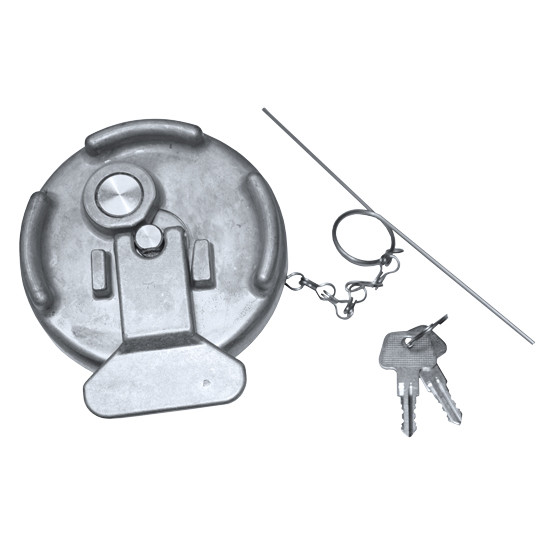
BESTfit 4 Inch Aluminum Non-Vented Lever-Style Locking Fuel Cap With Pressure Relief For Peterbilt
BESTFIT TRUCK PARTS
$100.99 - $883.99Choose Option(s) to see description.Fitment* Fits Peterbilt 330 1995 thru 2005* Fits Peterbilt 335 2005 thru 2010* Fits Peterbilt 337 2011 thru 2022* Fits Peterbilt 352 1972 thru 1980* Fits Peterbilt...PPR_300549- SKU:
- PPR_300549
- Material Options:
- Aluminum
- Style Options:
- Non Vented
- Truck Class:
- Heavy Duty
- Product Type:
- Fuel Tanks
- Make:
- Peterbilt
- Ready To Ship:
- Yes
$100.99 - $883.99Qty in Cart: 0Price:$100.99 - $883.99Subtotal: -

CSM Black Aluminum Alloy Water Tank Cap
CHROME SHOP MAFIA
$16.4738MM Water Tank Cap By Chrome Shop MafiaSafeguard your truck's fluids with the Chrome Shop Mafia Black Aluminum Alloy Water Tank Cap. Constructed from heavy-duty aluminum alloy weld billet, it fits...09-0707002- SKU:
- 09-0707002
- Ready To Ship:
- Yes
- Color:
- Black
- Make:
- Universal Items
- Product Type:
- Fuel Tanks
- Material Options:
- Aluminum
$16.47Qty in Cart: 0Price:$16.47Subtotal: -
FREE SHIPPING OVER $249

BESTfit Rubber Fuel Cap Gasket For Peterbilt
BESTFIT TRUCK PARTS
$13.17Replacement O-Ring Gasket By BESTfit Fits Peterbilt Lever Lock Style Fuel CapsPrevent dirt and dust from entering your fuel tank with this fuel cap gasket. It is made from nitrile butadiene rubber...01-060309- SKU:
- 01-060309
- Truck Class:
- Heavy Duty
- Product Type:
- Fuel Tanks
- Make:
- Peterbilt
- Diameter Options:
- 3 3/4 Inch
- Material Options:
- Rubber
- Ready To Ship:
- Yes
$13.17Qty in Cart: 0Price:$13.17Subtotal: -
FREE SHIPPING

Polished Billet Aluminum Fuel Cap Covers For Peterbilt W/ T Style Handle
LIFETIME NUT COVERS
$385.99Fuel Cap Covers Polished Billet AluminumThis pair of fuel cap covers are made of polished billet aluminum. They are designed for fuel caps with a T style handle and mount easily with screws. The...01-060300- SKU:
- 01-060300
- Location:
- Made In USA
- Truck Class:
- Heavy Duty
- Product Type:
- Fuel Tanks
- Material Options:
- Aluminum
- Make:
- Peterbilt
- Ready To Ship:
- Yes
$385.99Qty in Cart: 0Price:$385.99Subtotal: -

4 Inch Aluminum Locking Fuel Cap
AFTERMARKET
$366.994 Inch Fuel Cap Locking-8 NPSF Thread* High Quality Locking Fuel Cap* Aluminum* 4 Inch- 8 NPSF Thread* Vented * Made In USA* Sold Individually* Warranty On Locking Fuel Caps Against Defects In...09-06010001- SKU:
- 09-06010001
- Material Options:
- Aluminum
- Product Type:
- Fuel Tanks
- Make:
- Universal Items
$366.99Qty in Cart: 0Price:$366.99Subtotal: -
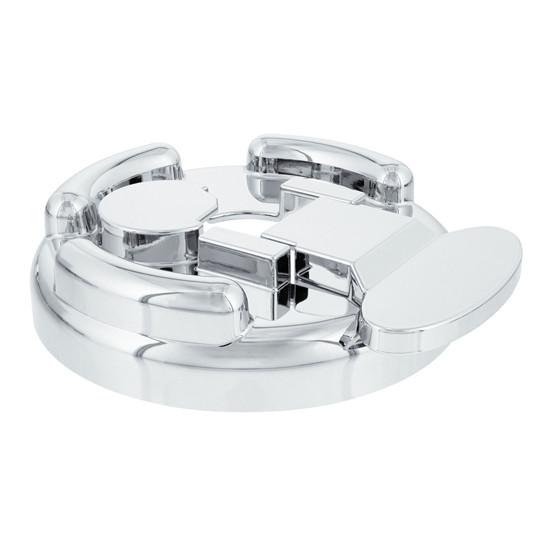
Chrome Plastic Locking Fuel Cap Cover For Peterbilt
UNITED PACIFIC
$9.22Chrome Plastic Fuel Cap Cover For Peterbilt - LockingThe locking fuel cap cover is made of durable injection-molded plastic and features a sleek chrome finish thanks to a triple plating process. It...01-06010054- SKU:
- 01-06010054
- Product Type:
- Fuel Tanks
- Truck Class:
- Heavy Duty
- Make:
- Peterbilt
- Ready To Ship:
- Yes
$9.22Qty in Cart: 0Price:$9.22Subtotal: -

Leak Defender Fuel Cap
HEAVY TRUCK SOLUTIONS
$156.99Leak Defender Replacement Fuel CapStop fuel cap leaks with the Leak Defender Replacement Fuel Cap. Designed for trucks from Peterbilt, Kenworth, and more, it helps ensure a tight seal every time,...09-06010014- SKU:
- 09-06010014
- Product Type:
- Fuel Tanks
- Truck Class:
- Heavy Duty
- Make:
- Universal Items
$156.99Qty in Cart: 0Price:$156.99Subtotal: -

3.5 OD X 2.85 Inch ID Fuel Cap Gasket
AUTOMANN USA
$3.80Replacement 0.14 Inch Thick Fuel Tank Cap GasketNeed a replacement gasket for your 572.1017 fuel cap? This rubber gasket measures 2.85 inches I.D., 3.50 inches O.D., and has a thickness of 0.14...09-06010002- SKU:
- 09-06010002
- Truck Class:
- Heavy Duty
- Diameter Options:
- 2 3/4 Inch
- Material Options:
- Rubber
- Make:
- Universal Items
- Product Type:
- Fuel Tanks
- Ready To Ship:
- Yes
$3.80Qty in Cart: 0Price:$3.80Subtotal: -

Fuel Cap Cover For Peterbilt W/ Twist Lever Lock Caps
AFTERMARKET
$101.99Fuel Cap Covers W/ Lock CapsThis Locking Fuel Cap Cover fits select Peterbilt models with twist lever lock caps, providing the ultimate guard against fuel and fuel cap theft. It locks over the...01-060310- SKU:
- 01-060310
- Material Options:
- Aluminum
- Truck Class:
- Heavy Duty
- Make:
- Peterbilt
- Product Type:
- Fuel Tanks
$101.99Qty in Cart: 0Price:$101.99Subtotal: -

Aluminum Leak Defender Fuel Cap & Anti-Siphon Kit For Peterbilt
HEAVY TRUCK SOLUTIONS
$123.99 - $418.99Choose Option(s) to see description.Fitment* Fits Peterbilt 330 1995 thru 2005* Fits Peterbilt 335 2005 thru 2010* Fits Peterbilt 337 2011 thru 2022* Fits Peterbilt 357 1987 thru 2007* Fits Peterbilt...PPR_4933- SKU:
- PPR_4933
- Capacity:
- 100 Gallons
- Position:
- Rear Fill
- Diameter Options:
- 26 Inch
- Truck Class:
- Heavy Duty
- Material Options:
- Aluminum
- Shape Options:
- Cylindrical
- Make:
- Peterbilt
- Product Type:
- Fuel Tanks
- Ready To Ship:
- Yes
$123.99 - $418.99Qty in Cart: 0Price:$123.99 - $418.99Subtotal: -
FREE SHIPPING OVER $249

2 Inch 11.5 TPI Brass Non-Vented Locking Fuel Cap
VELVAC
$79.992 inch Locking Fuel Cap, Non- VentedKeep your fuel tank secure with this 2-inch non-vented brass fuel cap. Locks tight to prevent leaks and tampering. Ideal for various vehicles and equipment. Rest...29-060315- SKU:
- 29-060315
- Diameter Options:
- 2 Inch
- Truck Class:
- Heavy Duty
- Style Options:
- Non Vented
- Material Options:
- Brass
- Make:
- Universal Items
- Product Type:
- Fuel Tanks
- Ready To Ship:
- Yes
$79.99Qty in Cart: 0Price:$79.99Subtotal: -
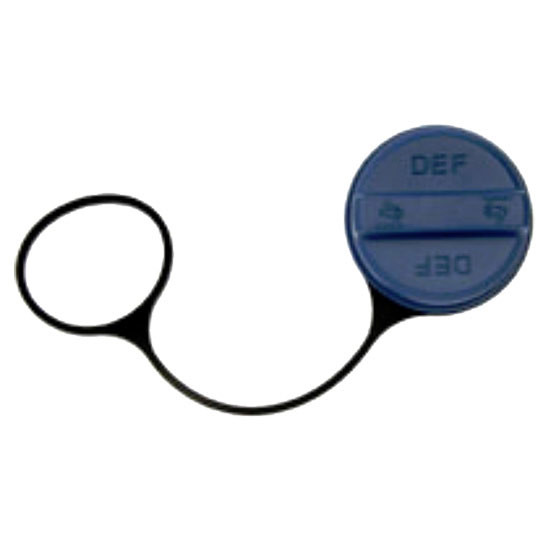
TPHD DEF Filler Cap Replaces 908-0223-01 For Kenworth & Peterbilt
TURNPIKE TRUCK TRIM
$24.84Diesel Exhaust Fluid Filler Cap By TPHD Fits Kenworth & PeterbiltThe TPHD DEF Filler Cap delivers durable, long-lasting protection for your DEF tank on Kenworth and Peterbilt trucks. Designed with a...29-060310- SKU:
- 29-060310
- Truck Class:
- Heavy Duty
- Make:
- Peterbilt
- Make:
- Kenworth
- Product Type:
- Fuel Tanks
- Ready To Ship:
- Yes
$24.84Qty in Cart: 0Price:$24.84Subtotal: -
FREE SHIPPING OVER $249

2 Inch Brass 11.5 TPI Non-Vented Fuel Cap
VELVAC
$45.162 Inch Non-Vented Fuel CapLooking for a reliable fuel cap for your industrial or automotive needs? Check out the Brass 2 Inch 11.5 TPI Non-Vented Fuel Cap. Made of durable brass, it's perfect for...09-060301- SKU:
- 09-060301
- Truck Class:
- Universal
- Diameter Options:
- 2 Inch
- Material Options:
- Brass
- Make:
- Universal Items
- Product Type:
- Fuel Tanks
- Style Options:
- Non Locking
- Ready To Ship:
- Yes
$45.16Qty in Cart: 0Price:$45.16Subtotal: -

2 Inch Aluminum Non-Locking, Female, Vented Fuel Cap With 11-1/2 Threads
VELVAC
$89.992 Inch Non-Locking Fuel Cap, VentedReplace a poorly fitting fuel cap with this premium quality non-locking Velvac Fuel cap that is precision designed to deliver OE fit and functionality. It will...09-060300002- SKU:
- 09-060300002
- Truck Class:
- Universal
- Diameter Options:
- 2 Inch
- Material Options:
- Aluminum
- Make:
- Universal Items
- Product Type:
- Fuel Tanks
$89.99Qty in Cart: 0Price:$89.99Subtotal: -
FREE SHIPPING OVER $249
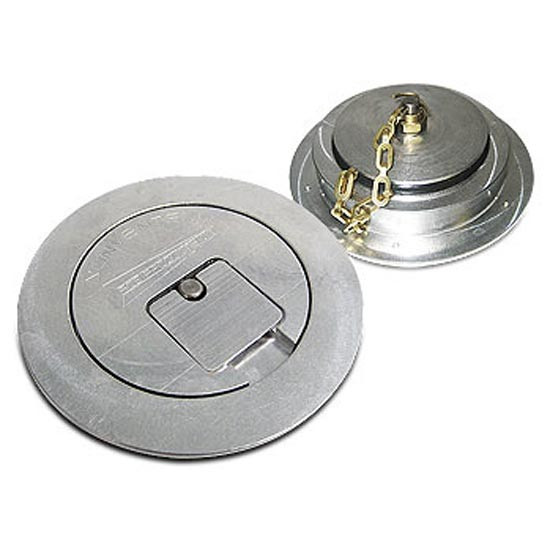
CSM Non-Vented Lever Lock Flush Fuel Tank Cap Assembly
CHROME SHOP MAFIA
$190.99Non-Vented Lever Lock Flush Fuel Cap Assembly by Chrome Shop MafiaThis flush fuel cap assembly features an unvented cap with a lever lock and an O-Ring Seal. It is sold individually and is made in...09-060300- SKU:
- 09-060300
- Truck Class:
- Universal
- Location:
- Made In USA
- Style Options:
- Non Vented
- Material Options:
- Aluminum
- Make:
- Universal Items
- Product Type:
- Fuel Tanks
- Ready To Ship:
- Yes
$190.99Qty in Cart: 0Price:$190.99Subtotal: