


Peterbilt 330/335/337 Radiators
- Product
- Qty in Cart
- Quantity
- Price
- Subtotal
-
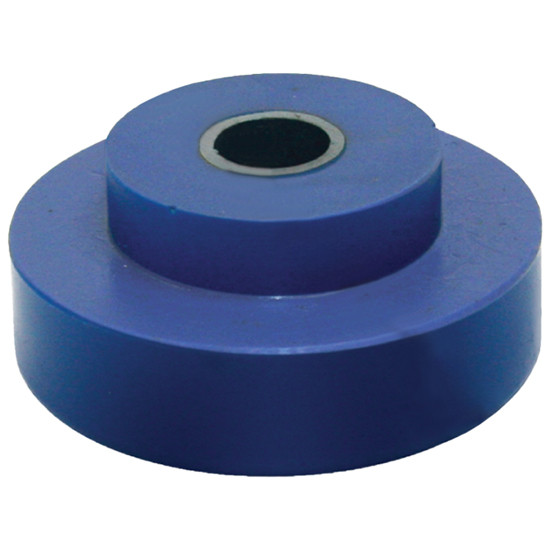
BESTfit Poly Lower Radiator Mount Bushing 0.625 ID X 3.062 OD For Kenworth, Peterbilt
BESTFIT TRUCK PARTS
$14.73Radiator Mount Bushing By BESTfit Replaces 07-03286 & PL1015HTProtect your radiator from unnecessary stress with the BESTfit Poly Lower Radiator Mount Bushing, built for Kenworth and Peterbilt trucks...29-0702059- SKU:
- 29-0702059
- Truck Class:
- Heavy Duty
- Material Options:
- Plastic/Poly
- Make:
- Kenworth
- Make:
- Peterbilt
- Product Type:
- Engine Parts
$14.73Qty in Cart: 0Price:$14.73Subtotal: -

RigMaster APU Radiator OEM LG5-003 For LG & V10 Models
RIGMASTER
$192.99RigMaster LG / V10 Radiator Fits Caterpillar, Perkins LG200, V10 & Kohler Motors* High Quality Radiator* Sold Individually* Warranty On Radiators Against Defects In Workmanship & Material From Date...LG5003- SKU:
- LG5003
- Truck Class:
- Heavy Duty
- Location:
- Made In USA
- Material Options:
- Aluminum
- Make:
- Universal Items
- Product Type:
- Engine Parts
$192.99Qty in Cart: 0Price:$192.99Subtotal: -

15 Piece Radiator Mounting Clips Replaces 376731951
AUTOMANN USA
$18.62Radiator Mounting Clips Replaces 15 Piece 376731951* High Quality Radiator Mounting Clip* 15 Pieces* Sold As Pack* Warranty On Radiator Mounting Clips Against Defects In Workmanship & Material From...09-07020011- SKU:
- 09-07020011
- Truck Class:
- Universal
- Material Options:
- Steel
- Make:
- Universal Items
- Product Type:
- Engine Parts
$18.62Qty in Cart: 0Price:$18.62Subtotal: -
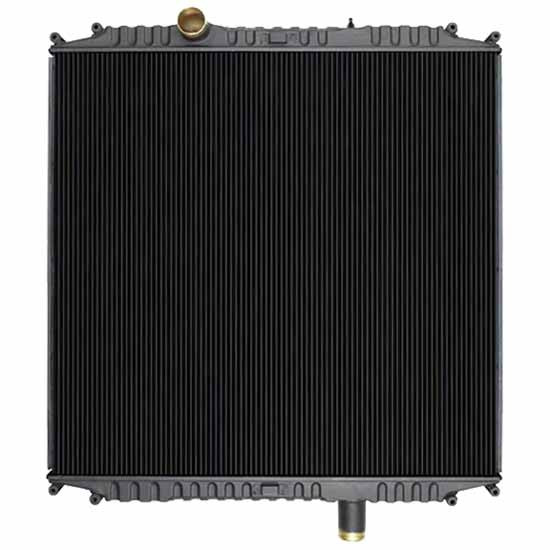
BESTfit Copper Brass Radiator W/O Oil Cooler 37 X 38.83 X 2 Inch 2 Row Replaces F3161011101110
BESTFIT TRUCK PARTS
$1,765.99Radiator W/ 2.5 Inch Inlet & 2.5 Inch Outlet By BESTfit Replaces F3161011101110* High Quality Radiator* Made Of Metal* Without Oil Cooler* Core Size: - 37.000 Inch Height - 38.830 Inch Width - 2...29-0702120- SKU:
- 29-0702120
- Truck Class:
- Heavy Duty
- Make:
- Kenworth
- Make:
- Peterbilt
- Product Type:
- Engine Parts
$1,765.99Qty in Cart: 0Price:$1,765.99Subtotal: -

BESTfit Plastic Alum. Radiator 25.687 X 38.875 Inch For Kenworth T370, Peterbilt 337 & 348
BESTFIT TRUCK PARTS
$684.99 - $706.99Is your truck overheating? 4 State Trucks have got you covered. If you have a radiator that is in need of repairs or malfunctions, it has the ability to cause damage to your engine by not being able...PPR_201350- SKU:
- PPR_201350
- Truck Class:
- Heavy Duty
- Material Options:
- Aluminum
- Make:
- Peterbilt
- Make:
- Kenworth
- Product Type:
- Engine Parts
- Ready To Ship:
- Yes
$684.99 - $706.99Qty in Cart: 0Price:$684.99 - $706.99Subtotal: -
On SaleLimited Quantity Available

BESTfit Plastic Aluminum 2 Row Radiator W/ Out Oil Cooler & Frame For Kenworth T370, Peterbilt 335, 340
BESTFIT TRUCK PARTS
$181.96 - $729.99This high quality 22.25 X 38.83 inch plastic aluminum radiator with a 2 row core fits Kenworth T300 and T370 and Peterbilt 330, 335, and 340 models. The radiator has a 2.125 inch core thickness with...PPR_200134- SKU:
- PPR_200134
- Truck Class:
- Heavy Duty
- Material Options:
- Aluminum
- Make:
- Kenworth
- Make:
- Peterbilt
- Size Options:
- 2 Row
- Product Type:
- Engine Parts
- Ready To Ship:
- Yes
$181.96 - $729.99Qty in Cart: 0Price:$181.96 - $729.99Subtotal: -

BESTfit Plastic Aluminum 2 Row Radiator W/ Out Oil Cooler & Frame For Kenworth T300, Peterbilt 330, 335, 340
BESTFIT TRUCK PARTS
$834.99This high quality 34.625 X 15.75 inch plastic aluminum radiator with a 2 row core fits Kenworth T300 and Peterbilt 330, 335, and 340 models. The radiator has a 2.25 inch core thickness with a 2.25...PPR_200133- SKU:
- PPR_200133
- Truck Class:
- Heavy Duty
- Make:
- Peterbilt
- Make:
- Kenworth
- Material Options:
- Aluminum
- Size Options:
- 2 Row
- Product Type:
- Engine Parts
- Ready To Ship:
- Yes
$834.99Qty in Cart: 0Price:$834.99Subtotal: -

BESTfit Plastic Aluminum Radiator W/ Out Oil Cooler Or Frame For Kenworth T800, T800 W/ Curved Glass, T880, Peterbilt 335, 337, 365, 367
BESTFIT TRUCK PARTS
$975.99 - $1,214.99This high quality 37 X 39.375 inch plastic aluminum radiator fits Kenworth T800, T880 and Peterbilt 335, 337, 365 and 367 models. The radiator has a 2 inch core thickness, a 2.5 inch inlet and outlet...PPR_200114- SKU:
- PPR_200114
- Truck Class:
- Heavy Duty
- Material Options:
- Aluminum
- Make:
- Peterbilt
- Make:
- Kenworth
- Make:
- Dodge
- Product Type:
- Engine Parts
$975.99 - $1,214.99Qty in Cart: 0Price:$975.99 - $1,214.99Subtotal: