



Peterbilt 359 Winter Fronts & Bug Screens
Keep pesky bugs out of your grill with an aftermarket Peterbilt 359 winter front or bug screen. We have a variety of styles and sizes to be sure you find one that fits your semi truck. Shop our inventory of Peterbilt 359 bug screens and winter fronts.
- Product
- Qty in Cart
- Quantity
- Price
- Subtotal
-
FREE SHIPPING OVER $249

Belmor Bug Screen & Winter Front Hardware Kit For Peterbilt 300 Series
BELMOR
$36.04Bug Screen & Winter Front Hardware KitQuickly change between your Belmor Bug Screen and Winter Front with this hardware kit. It includes 12 turn buckles, 12 screws, 12 lock washers, 12 flat washers...01-120900- SKU:
- 01-120900
- Truck Class:
- Heavy Duty
- Location:
- Made In USA
- Make:
- Peterbilt
- Product Type:
- Hood Parts & Acc.
- Ready To Ship:
- Yes
- Position:
- Kit Full
$36.04Qty in Cart: 0Price:$36.04Subtotal: -
FREE SHIPPING OVER $249

Belmor Hardware Kit For Bug Screen Or Winter Front Mounting For Peterbilt 359
BELMOR
$18.53Hardware Kit Fits PeterbiltThis high quality Belmor bug screen and winter front hardware kit fits the 1967 through 1987 Peterbilt 359. This hardware kit makes it easy to change the grille from the...01-120902- SKU:
- 01-120902
- Truck Class:
- Heavy Duty
- Location:
- Made In USA
- Make:
- Peterbilt
- Product Type:
- Hood Parts & Acc.
- Ready To Ship:
- Yes
$18.53Qty in Cart: 0Price:$18.53Subtotal: -
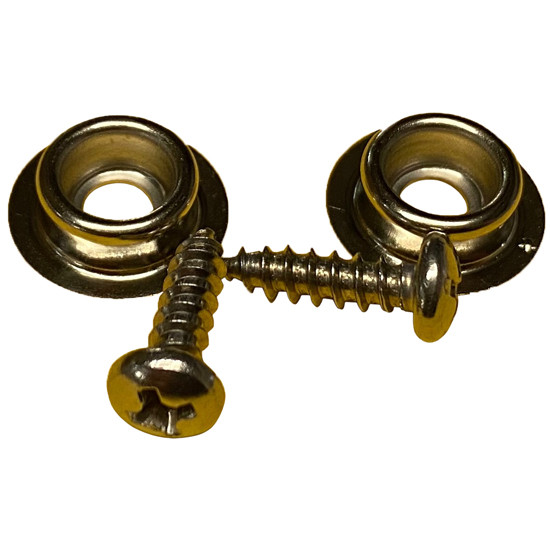
Robert James 14 Snap Kit For Winter Fronts & Bug Screens
ROBERT JAMES ENTERPRISES
$22.07Winter Front / Bug Screen 14 Snap Kit By Robert James* High Quality Snap Kit* (14) Snaps* For Winter Fronts And Bug Screens* Sold As Kit* Warranty On Snap Kits Against Defects In Workmanship &...09-120101- SKU:
- 09-120101
- Product Type:
- Hood Parts & Acc.
- Material Options:
- Brass
- Location:
- Made In USA
- Make:
- Universal Items
- Ready To Ship:
- Yes
$22.07Qty in Cart: 0Price:$22.07Subtotal: -

Snap Kit For Belmor Bug Screen
BELMOR
$8.23Belmor Bug Screen Snap On Mounting Kit* High Quality Snap Kit* For Bug Screen* Sold Individually* Warranty On Snap Kits Against Defects In Workmanship & Material From Date Of Purchase*** High Quality...09-120000- SKU:
- 09-120000
- Truck Class:
- Heavy Duty
- Product Type:
- Hood Parts & Acc.
- Make:
- Universal Items
$8.23Qty in Cart: 0Price:$8.23Subtotal: -
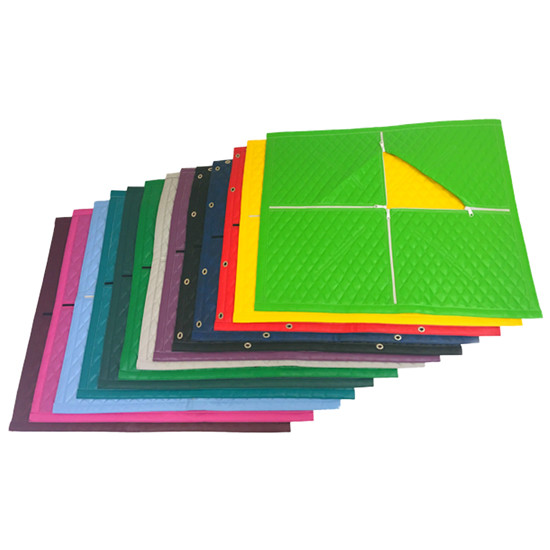
Vinyl Winter Front For Peterbilt 359
ROBERT JAMES ENTERPRISES
$177.99 - $242.99Aid your classic Peterbilt 359 during colder months with a vinyl winter front designed for 1967-1987 models. Available in black or white with both quilted and non-quilted construction, these...PPR_204122- SKU:
- PPR_204122
- Truck Class:
- Heavy Duty
- Location:
- Made In USA
- Material Options:
- Vinyl
- Make:
- Peterbilt
- Product Type:
- Exterior
$177.99 - $242.99Qty in Cart: 0Price:$177.99 - $242.99Subtotal: -
On SaleLimited Quantity Available

Mesh Bug Screen W/ Vinyl Trim For Peterbilt 359
ROBERT JAMES ENTERPRISES
$30.48 - $99.99Add a customized look to your truck with this mesh bug screen with vinyl trim, designed for select Peterbilt 359 models. Manufactured in the USA, this high-quality bug screen is built using mesh...PPR_204459- SKU:
- PPR_204459
- Truck Class:
- Heavy Duty
- Location:
- Made In USA
- Material Options:
- Vinyl
- Make:
- Peterbilt
- Product Type:
- Hood Parts & Acc.
- Ready To Ship:
- Yes
$30.48 - $99.99Qty in Cart: 0Price:$30.48 - $99.99Subtotal: -

Robert James Turn Buckle Kit For Freightliner Classic XL
ROBERT JAMES ENTERPRISES
$34.32Freightliner Classic XL Turn Buckle Kit By Robert James* High Quality Turnbuckle Kit* Made In USA* Sold Individually * Warranty On Turnbuckle Kits Against Defects In Workmanship & Material From Date...03-120400385- SKU:
- 03-120400385
- Product Type:
- Hood Parts & Acc.
- Make:
- Universal Items
- Make:
- Freightliner
$34.32Qty in Cart: 0Price:$34.32Subtotal: -

Belmor White Vinyl Winter Front For Peterbilt 359 1973-1987
BELMOR
$97.99Winter Front With 3 Slot Opening Fits 359 Peterbilt By BelmorAre you searching for a way to protect your grille in cold temperatures? 4 State Trucks is proud to offer this highly functional Belmor...01-1206955220- SKU:
- 01-1206955220
- Color:
- White
- Location:
- Made In USA
- Truck Class:
- Heavy Duty
- Material Options:
- Vinyl
- Make:
- Peterbilt
- Product Type:
- Exterior
$97.99Qty in Cart: 0Price:$97.99Subtotal: -

Mesh Old Glory Flag Bug Screen For Peterbilt 359- Attaches By Turnbuckle
ROBERT JAMES ENTERPRISES
$149.99Old Glory Flag Mesh Bug Screen For Pete Models* High Quality Old Glory Bug Screen* Made Of Durable Mesh* Old Glory Flag Design* Turnbuckle Hardware* Sold Individually* Warranty On Old Glory Bug...01-120400002- SKU:
- 01-120400002
- Truck Class:
- Heavy Duty
- Location:
- Made In USA
- Make:
- Peterbilt
- Product Type:
- Hood Parts & Acc.
$149.99Qty in Cart: 0Price:$149.99Subtotal: -
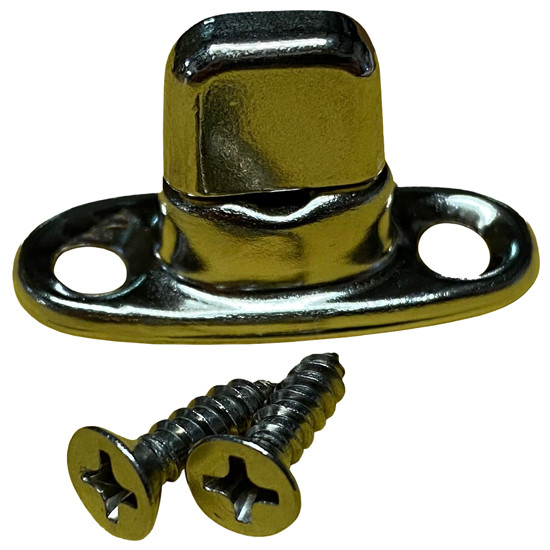
Robert James Turnbuckle Kit For Peterbilt 359 1967 - 1987
ROBERT JAMES ENTERPRISES
$43.37Turnbuckles W/ NO. 6 Stainless Steel Screws By Robert James EnterprisesThis easy-to-use turnbuckle kit enables you to install your Robert James winter front or bug screen on your Peterbilt 359. It...01-120400461- SKU:
- 01-120400461
- Truck Class:
- Heavy Duty
- Location:
- Made In USA
- Make:
- Peterbilt
- Product Type:
- Hood Parts & Acc.
$43.37Qty in Cart: 0Price:$43.37Subtotal: -

Plain White Bug Screen For Peterbilt 359
ROBERT JAMES ENTERPRISES
$99.99Plain White Bug Screen Fits PeterbiltKeep your Peterbilt 359 looking clean and protected with this superior quality plain white bug screen by Robert James Trucking. This aftermarket bug screen is...01-12047562204- SKU:
- 01-12047562204
- Location:
- Made In USA
- Truck Class:
- Heavy Duty
- Color:
- White
- Make:
- Peterbilt
- Product Type:
- Hood Parts & Acc.
$99.99Qty in Cart: 0Price:$99.99Subtotal: -

Bug Screen Hardware W/ 12 Pull DOT Fasteners For BS-4900 Abstract Bug Screen
ROBERT JAMES ENTERPRISES
$34.32Bug Screen Hardware W/ 12 Pull DOT Fasteners By Robert James Enterprises* High Quality Bug Screen Hardware* Hardware Kit For BS-4900 Abstract Bug Screen* (12) Pull DOT Fasteners* Sold Individually*...29-120904- SKU:
- 29-120904
- Product Type:
- Hood Parts & Acc.
- Position:
- Kit Full
- Make:
- Universal Items
$34.32Qty in Cart: 0Price:$34.32Subtotal: -

Plain Black Mesh Bug Screen W/ Black Vinyl For Peterbilt 359 Models
ROBERT JAMES ENTERPRISES
$99.99Peterbilt 359 Plain Black Bug Screen W/ Heavy Duty Trim By Robert James EnterprisesKeep your Peterbilt 359 looking clean with this superior quality plain black bug screen by Robert James Trucking. It...01-12047562205- SKU:
- 01-12047562205
- Location:
- Made In USA
- Truck Class:
- Heavy Duty
- Color:
- Black
- Make:
- Peterbilt
- Material Options:
- Vinyl
- Product Type:
- Exterior
$99.99Qty in Cart: 0Price:$99.99Subtotal: -
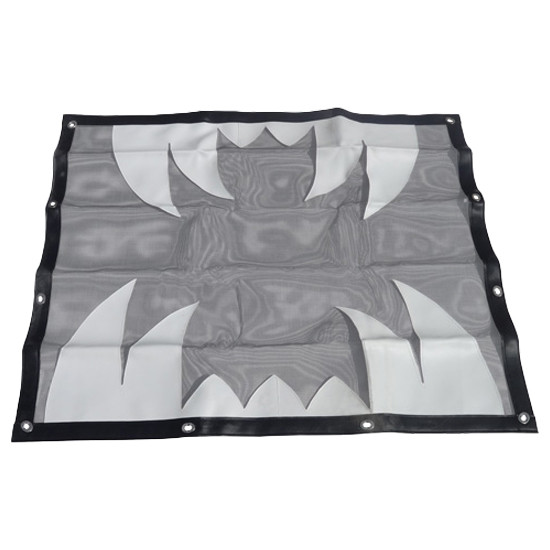
Mesh Blue Saber Tooth Bug Screen W/ White Teeth For Peterbilt 359
ROBERT JAMES ENTERPRISES
$180.99Bug Screen Fits PeterbiltThis USA made black and white saber tooth bug screen fits a Peterbilt 359 and made with heavy duty mesh, marine grade vinyl trim and has nickel plated fasteners. This screen...01-120175622050- SKU:
- 01-120175622050
- Location:
- Made In USA
- Truck Class:
- Heavy Duty
- Make:
- Peterbilt
- Material Options:
- Vinyl
- Product Type:
- Hood Parts & Acc.
$180.99Qty in Cart: 0Price:$180.99Subtotal: -

Red Mesh Saber Tooth Bug Screen For Peterbilt 359 1967-1987
ROBERT JAMES ENTERPRISES
$180.99Replacement Peterbilt 359 Red Mesh Saber Tooth Bug Screen* High Quality Bug Screen* Mesh* Red * Saber Tooth Design * White Teeth* Sold Individually* Warranty On Bug Screens Against Defects In...01-120875622061- SKU:
- 01-120875622061
- Product Type:
- Hood Parts & Acc.
- Material Options:
- Mesh
- Location:
- Made In USA
- Make:
- Peterbilt
- Ready To Ship:
- Yes
$180.99Qty in Cart: 0Price:$180.99Subtotal: