



Peterbilt 330/335/337 Charge Air Coolers
- Product
- Qty in Cart
- Quantity
- Price
- Subtotal
-
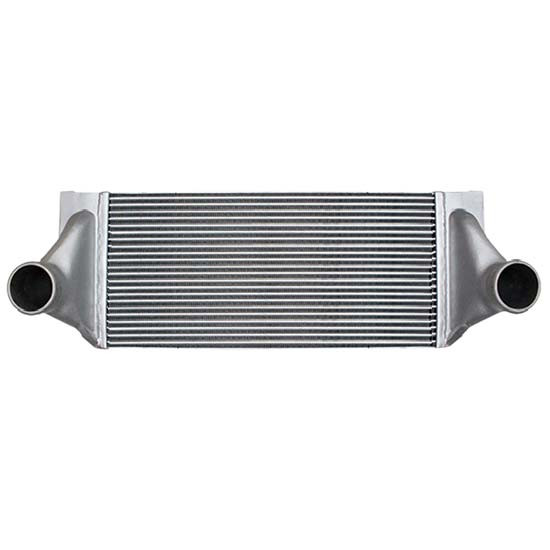
BESTfit Charge Air Cooler 30.88 X 14 Inch For Peterbilt 335, 340 & Kenworth T300
BESTFIT TRUCK PARTS
$699.99 - $888.99Is your truck overheating? 4 State Trucks have got you covered. A charge air cooler that is working properly, has the ability to extend the life span and increase the performance of an engine. Since...PPR_200654- SKU:
- PPR_200654
- Truck Class:
- Heavy Duty
- Material Options:
- Aluminum
- Make:
- Peterbilt
- Make:
- Kenworth
- Product Type:
- Engine Parts
- Ready To Ship:
- Yes
$699.99 - $888.99Qty in Cart: 0Price:$699.99 - $888.99Subtotal: -
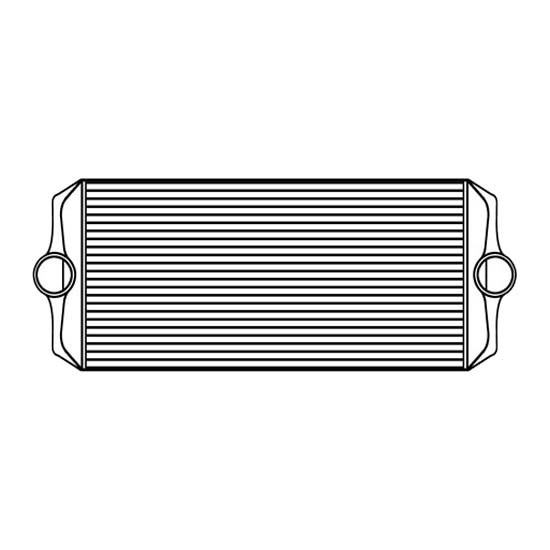
BESTfit Charge Air Cooler For Peterbilt 335 & Kenworth T450
BESTFIT TRUCK PARTS
$593.99 - $797.99Keep your Peterbilt 330, 335, and Kenworth T300-T450 engines performing at peak efficiency with the BESTfit Charge Air Cooler, designed for heavy-duty reliability and optimal cooling. Available as a...PPR_200257- SKU:
- PPR_200257
- Truck Class:
- Heavy Duty
- Make:
- Peterbilt
- Make:
- Kenworth
- Product Type:
- Engine Parts
$593.99 - $797.99Qty in Cart: 0Price:$593.99 - $797.99Subtotal: -

BESTfit Charge Air Cooler 37 X 17.25 Inch For Kenworth T300, T800, Peterbilt 330 & 335
BESTFIT TRUCK PARTS
$437.99 - $560.99Protect your Peterbilt 330, 335, and Kenworth T300-T450 engines with the BESTfit Charge Air Cooler, designed to maximize efficiency and reliability in heavy-duty applications. Available standalone or...PPR_200249- SKU:
- PPR_200249
- Truck Class:
- Heavy Duty
- Make:
- Peterbilt
- Make:
- Kenworth
- Product Type:
- Engine Parts
$437.99 - $560.99Qty in Cart: 0Price:$437.99 - $560.99Subtotal: -

BESTfit Charge Air Cooler 37 X 19 Inch For Kenworth T370 & Peterbilt 337, 348, 382
BESTFIT TRUCK PARTS
$815.99 - $968.99Is your engine overheating? 4 State Trucks have got you covered. A charge air cooler that is properly working has the ability to extend the life span, increases the performance, and cools down your...PPR_200656- SKU:
- PPR_200656
- Truck Class:
- Heavy Duty
- Make:
- Peterbilt
- Make:
- Kenworth
- Make:
- GMC
- Make:
- Freightliner
- Product Type:
- Engine Parts
$815.99 - $968.99Qty in Cart: 0Price:$815.99 - $968.99Subtotal: -
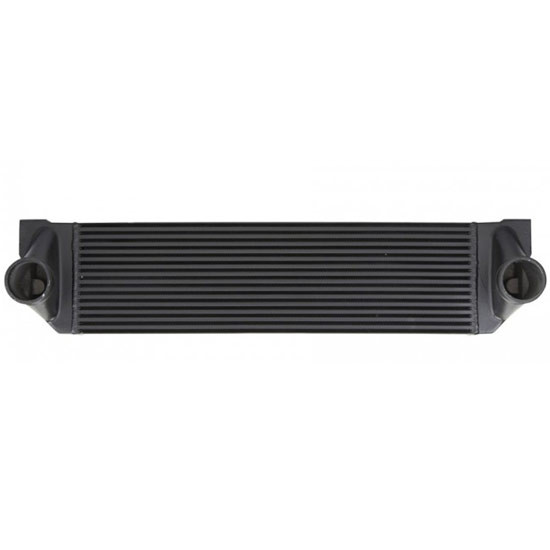
BESTfit Charge Air Cooler 32.44 X 9 Inch For Peterbilt 330, 335, 340 & Kenworth T300
BESTFIT TRUCK PARTS
$611.99 - $735.99Is your engine overheating? 4 State Trucks have you covered. A charge air cooler that is properly working has the ability to extend the life span and increase the performance of your engine. Since...PPR_200655- SKU:
- PPR_200655
- Truck Class:
- Heavy Duty
- Material Options:
- Aluminum
- Make:
- Peterbilt
- Make:
- Kenworth
- Product Type:
- Engine Parts
$611.99 - $735.99Qty in Cart: 0Price:$611.99 - $735.99Subtotal: