



Peterbilt 352 CAC Clamps, Boots & Hoses
Shop Heavy Duty CAC Hoses & Boots for Peak Performance
If your Peterbilt 352 isn’t pulling like it should, start with the CAC system. CAC clamps, boots, and hoses move cooled, pressurized air from the turbo to the engine. That airflow is everything. When it stays sealed, the engine runs strong. When it leaks, performance drops fast. A cracked boot or loose clamp bleeds boost. You feel it on hills. Throttle response slows. Fuel burn goes up just to keep pace. That imbalance also creates excess soot, which puts stress on the DPF and the rest of the emissions system. Small leaks turn into big repair bills. Heat and vibration wear parts over time, but oil causes the most damage. Turbo oil mist slowly breaks down silicone boots. They soften. They swell. Then they fail without warning under load. Many roadside breakdowns start exactly this way. Clamps are just as critical as the boots and hoses. Weak or stretched clamps let connections shift. That can cause leaks or allow dirty air to get pulled in. Unfiltered air carries grit, and grit inside the engine leads to permanent damage.Signs You Need to Replace CAC Connections
You may hear a sharp hiss or whistle under boost. You may see oil residue, cracked silicone, or black smoke. You may notice lower boost readings on the dash. To be sure, do a quick walkaround inspection. Check every connection point. Feel for soft or spongy spots. Look for oil-soaked boots and uneven clamp pressure. Catching one bad part early can save you from a derate on the shoulder. Quality CAC boots, hoses, and heavy-duty clamps help your Peterbilt 352 keep its power, protect the emissions system, and run cleaner mile after mile. Tight air connections don’t just restore boost. They protect the engine itself- Product
- Qty in Cart
- Quantity
- Price
- Subtotal
-
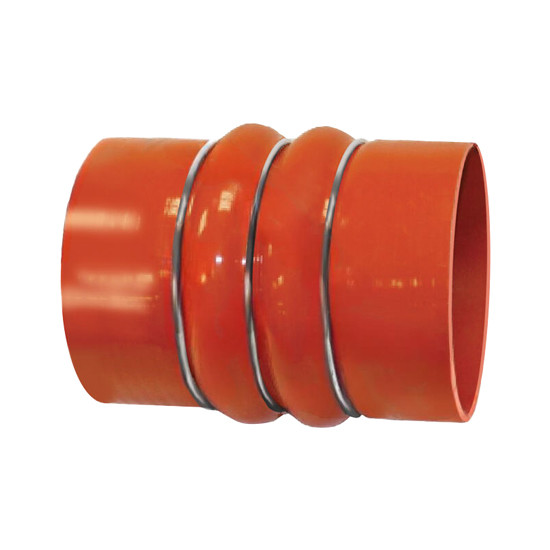
4.5 X 6 Inch Red Poly CAC Connector/Terminal Hose Replaces 7742, HE8709 For Kenworth & Peterbilt
AFTERMARKET
$82.994.5 X 6 Inch Red Poly CAC Connector/Terminal Hose Replaces 7742, HE8709When your turbo system needs a connector hose built for the toughest operating conditions, this 4.5 x 6 Inch Red Poly CAC hose...29-07010001- SKU:
- 29-07010001
- Length Options:
- 6 Inch
- Color:
- Red
- Material Options:
- Silicone
- Product Type:
- Engine Parts
- Diameter Options:
- 4 1/2 Inch
- Make:
- Peterbilt
- Make:
- Kenworth
$82.99Qty in Cart: 0Price:$82.99Subtotal: -
FREE SHIPPING OVER $249

3/4 Inch EPDM Rubber Coolant Hose
BESTFIT TRUCK PARTS
$5.39EPDM Rubber Heater Hose Sold By The Foot* High Quality Coolant Hose* Made Of Rubber* 3/4 ID * Sold By Foot* Warranty On Coolant Hose Against Defects In Workmanship & Material From Date Of Purchase***...09-0702010- SKU:
- 09-0702010
- Truck Class:
- Heavy Duty
- Product Type:
- Engine Parts
- Make:
- Universal Items
$5.39Qty in Cart: 0Price:$5.39Subtotal: -
FREE SHIPPING OVER $249

BESTfit 4.5 - 4 X 6 Inch Hot Side Charge Air Intake Hump Hose
BESTFIT TRUCK PARTS
$76.99Red Hump Hose Reducer For Hot Side By BESTfitProtect your turbo system with the BESTfit Hot Side Charge Air Intake Hump Hose, made from high-quality silicone for maximum heat resistance and...09-070111- SKU:
- 09-070111
- Product Type:
- Engine Parts
- Truck Class:
- Heavy Duty
- Make:
- Universal Items
- Ready To Ship:
- Yes
$76.99Qty in Cart: 0Price:$76.99Subtotal: -
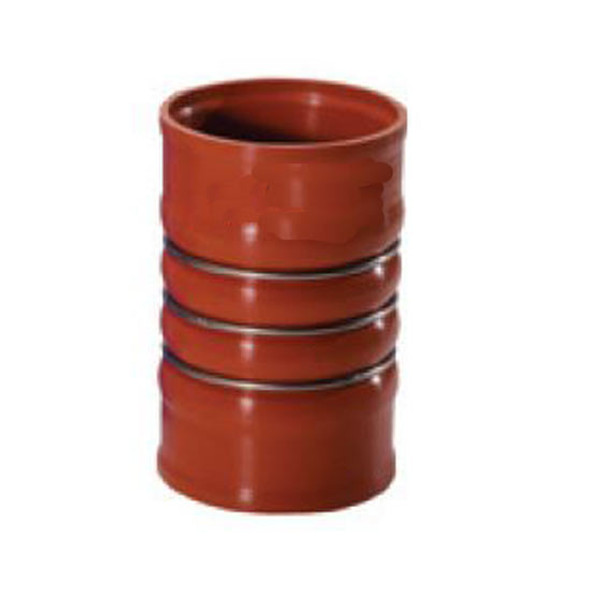
BESTfit 4.5 ID X 4 ID X 7 Inch Charge Air Intake Hump Hose Reducer Hot Side
BESTFIT TRUCK PARTS
$66.99Hot Side 4.5 ID X 4 ID X 7 Inch Charge Air Intake Hump Hose Reducer By BESTfit* High Quality Hump Hose* Made Of Silicone Hose* 4 Inch ID x 4.5 Inch ID x 7 Inch Length* For Hot Side Hook Up To Charge...09-070117- SKU:
- 09-070117
- Product Type:
- Engine Parts
- Truck Class:
- Heavy Duty
- Make:
- Universal Items
- Ready To Ship:
- Yes
$66.99Qty in Cart: 0Price:$66.99Subtotal: -
FREE SHIPPING OVER $249

BESTfit 3.5 X 3 X 5 Inch Charge Air Intake Hump Hose Reducer
BESTFIT TRUCK PARTS
$47.853.5 X 3 X 5 Inch Charge Air Intake Hump Hose Reducer By BESTfitThis 4-layer silicone-coated fabric, reinforced with stainless steel rings, is designed for tough diesel truck engines. It works in...09-070131- SKU:
- 09-070131
- Truck Class:
- Heavy Duty
- Product Type:
- Engine Parts
- Make:
- Universal Items
- Ready To Ship:
- Yes
$47.85Qty in Cart: 0Price:$47.85Subtotal: -
On SaleLimited Quantity AvailableFREE SHIPPING OVER $249
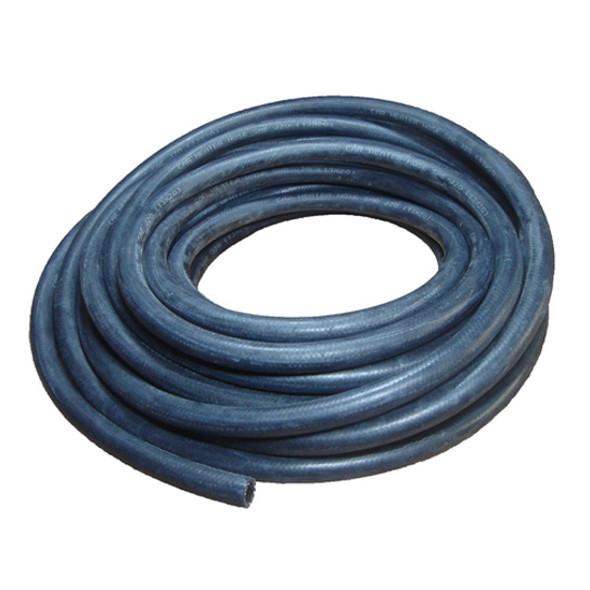
Heavy Duty Silicone Coolant Hose - Sold By Foot
BESTFIT TRUCK PARTS
$2.57 - $2.85Designed for demanding cooling system applications, the BESTfit heavy-duty silicone coolant hose offers a dependable solution. This aftermarket replacement hose is constructed from quality silicone...PPR_202716- SKU:
- PPR_202716
- Truck Class:
- Heavy Duty
- Make:
- Universal Items
- Product Type:
- Engine Parts
- Ready To Ship:
- Yes
$2.57 - $2.85Qty in Cart: 0Price:$2.57 - $2.85Subtotal: -
FREE SHIPPING OVER $249

BESTfit Heavy Duty Hump Hoses
BESTFIT TRUCK PARTS
$45.77 - $82.99Improve your charge air system with the gray silicone hump hose for charge air coolers from BESTfit. Built from durable silicone with a thicker wall than standard hump hoses, this aftermarket...PPR_202715- SKU:
- PPR_202715
- Truck Class:
- Heavy Duty
- Make:
- Universal Items
- Product Type:
- Engine Parts
- Ready To Ship:
- Yes
$45.77 - $82.99Qty in Cart: 0Price:$45.77 - $82.99Subtotal: -
FREE SHIPPING OVER $249

BESTfit 45 Degree Silicone Coolant Hose Elbow
BESTFIT TRUCK PARTS
$39.63 - $41.40Maintain your cooling system with the BESTfit 45-degree silicone coolant hose elbow. This aftermarket replacement hose features durable blue silicone construction and a 45-degree bend designed to...PPR_202713- SKU:
- PPR_202713
- Truck Class:
- Heavy Duty
- Make:
- Universal Items
- Material Options:
- Silicone
- Product Type:
- Engine Parts
- Ready To Ship:
- Yes
$39.63 - $41.40Qty in Cart: 0Price:$39.63 - $41.40Subtotal: -
FREE SHIPPING OVER $249

BESTfit 90 Degree Silicone Coolant Hose Elbow
BESTFIT TRUCK PARTS
$37.55 - $131.99Designed for demanding engine environments, the BESTfit 90 Degree Silicone Coolant Hose Elbow offers a dependable solution. This high-quality aftermarket replacement hose is constructed from durable...PPR_202712- SKU:
- PPR_202712
- Truck Class:
- Heavy Duty
- Make:
- Universal Items
- Material Options:
- Silicone
- Product Type:
- Engine Parts
- Ready To Ship:
- Yes
$37.55 - $131.99Qty in Cart: 0Price:$37.55 - $131.99Subtotal: -
FREE SHIPPING OVER $249

BESTfit Stainless Steel T-Bolt Clamp For Charge Air Coolers
BESTFIT TRUCK PARTS
$8.54 - $31.20Prevent leaks and maintain peak airflow in your charge air cooler system with the BESTfit Stainless Steel Heavy Duty T-Bolt Clamp, designed for sizes from 3.562 - 3.875 Inch up to 7 - 7.5 Inch. Made...PPR_202710- SKU:
- PPR_202710
- Truck Class:
- Heavy Duty
- Material Options:
- Stainless Steel
- Finish Options:
- Polished
- Make:
- Universal Items
- Product Type:
- Engine Parts
- Ready To Ship:
- Yes
$8.54 - $31.20Qty in Cart: 0Price:$8.54 - $31.20Subtotal: -
FREE SHIPPING OVER $249
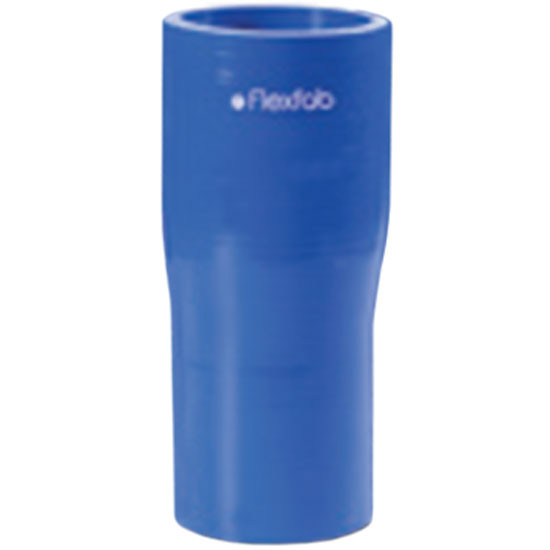
BESTfit 3 Inch To 2.5 Inch Silicone Coolant Hose Reducer
BESTFIT TRUCK PARTS
$37.44BESTfit 3 Inch To 2.5 Inch Silicone Coolant Hose Reducer* High Quality Coolant Hose* 3.00 ID To 2.50 ID* Silicone* 3.00 ID X 2.50 ID X 6 L* Sold Individually* Warranty On Coolant Hose Against Defects...09-0702077- SKU:
- 09-0702077
- Truck Class:
- Heavy Duty
- Make:
- Universal Items
- Material Options:
- Silicone
- Product Type:
- Engine Parts
- Ready To Ship:
- Yes
$37.44Qty in Cart: 0Price:$37.44Subtotal: -
FREE SHIPPING OVER $249

BESTfit 2.5 Inch Flexible Coolant Hose
BESTFIT TRUCK PARTS
$94.99BESTfit Flexible Coolant Hose* High Quality Coolant Hose* Specialty Hose* 2.50 Inch Inside Diameter* 2.82 Inch Outside Diameter* 8.50 Inch Length* Has Stainless Steel Reinforcement Rings* Once...09-0702047- SKU:
- 09-0702047
- Truck Class:
- Heavy Duty
- Make:
- Universal Items
- Product Type:
- Engine Parts
- Ready To Ship:
- Yes
$94.99Qty in Cart: 0Price:$94.99Subtotal: -
FREE SHIPPING

BESTfit Coolant Flex Hose Heavy Duty Silicone 2.5 ID X 36 Inch
BESTFIT TRUCK PARTS
$452.99BESTfit 2.50 ID X 36 Inch Heavy Duty Silicone Coolant Flex Hose* High Quality Silicone Coolant Hose* 2.50 Inch Inside Diameter - 64MM* 2.92 Inch Outside Diameter - 74MM* 36 Inches Length* 6 Inch Bend...09-0702045- SKU:
- 09-0702045
- Truck Class:
- Heavy Duty
- Make:
- Universal Items
- Product Type:
- Engine Parts
- Ready To Ship:
- Yes
$452.99Qty in Cart: 0Price:$452.99Subtotal: -
FREE SHIPPING OVER $249

BESTfit Coolant Hose 90 Degree
BESTFIT TRUCK PARTS
$78.99BESTfit Coolant Hose 90 Degree* High Quality Coolant Hose* 90 Degree* 2.5 Inch ID x 10 Inch* 2.920 Inch OD* Tighter Bend Radius Than Most Other Elbows* Temeperature Range Is -65F To +350 F Degrees*...09-0702044- SKU:
- 09-0702044
- Truck Class:
- Heavy Duty
- Make:
- Universal Items
- Product Type:
- Engine Parts
$78.99Qty in Cart: 0Price:$78.99Subtotal: -

BESTfit Blue Silicone Heater Hose - 1 Inch ID X 25 Feet
BESTFIT TRUCK PARTS
$145.99BESTfit Blue Silicone Heater Hose - 1 Inch ID X 25 Feet* High Quality Heater Hose* Made Of Silicone* Blue* Dimensions: - 1 Inch Inner Diameter - 25 Feet* Sold Individually* Warranty On Heater Hose...09-070200007- SKU:
- 09-070200007
- Truck Class:
- Heavy Duty
- Make:
- Universal Items
- Product Type:
- Engine Parts
- Ready To Ship:
- Yes
$145.99Qty in Cart: 0Price:$145.99Subtotal: -

BESTfit Blue Silicone Heater Hose - .75 Inch ID X 25 Feet
BESTFIT TRUCK PARTS
$95.99Blue Silicone Heater Hose - 0.75 Inch ID X 25 Feet* High Quality Heater Hose* Made Of Silicone* Blue* Dimensions: - 0.750 Inch ID - 25 Feet* Sold Individually* Warranty On Heater Hose Against...09-070200006- SKU:
- 09-070200006
- Truck Class:
- Heavy Duty
- Make:
- Universal Items
- Product Type:
- Engine Parts
- Ready To Ship:
- Yes
$95.99Qty in Cart: 0Price:$95.99Subtotal: -
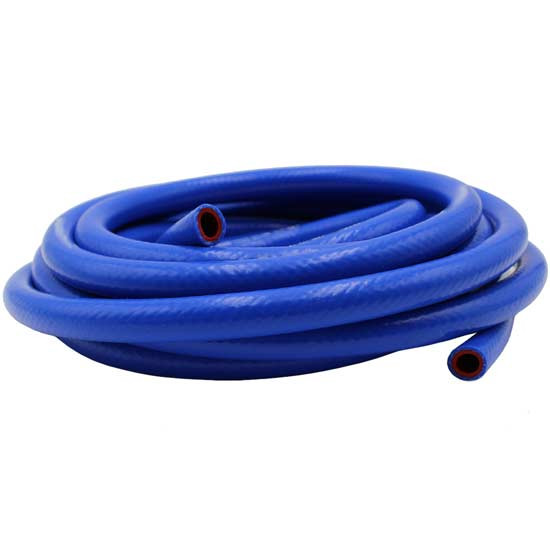
BESTfit Blue Silicone Heater Hose - 0.625 Inch ID X 25 Feet
BESTFIT TRUCK PARTS
$71.99BESTfit Blue Silicone Heater Hose - 0.625 Inch ID X 25 Foot* High Quality Heater Hose* Made Of Silicone* Blue* Dimensions: - 0.625 Inch ID - 25 Feet* Sold Individually* Warranty On Heater Hose...09-070200005- SKU:
- 09-070200005
- Truck Class:
- Universal
- Make:
- Universal Items
- Product Type:
- Engine Parts
- Ready To Ship:
- Yes
$71.99Qty in Cart: 0Price:$71.99Subtotal: -

BESTfit Blue Silicone Heater Hose - 0.5 Inch ID X25 Feet
BESTFIT TRUCK PARTS
$81.99BESTfit Blue Silicone Heater Hose - 0.5 Inch ID X 25 Foot* High Quality Heater Hose * Silicone* Blue * 0.500 Inch I.D.* 25 Feet* Sold Individually * Warranty On Heater Hose Against Defects In...09-070200004- SKU:
- 09-070200004
- Truck Class:
- Heavy Duty
- Make:
- Universal Items
- Product Type:
- Engine Parts
$81.99Qty in Cart: 0Price:$81.99Subtotal: -

BESTfit Blue Silicone Heater Hose - 0.25 Inch ID X 25 Feet
BESTFIT TRUCK PARTS
$55.99BESTfit Blue Silicone Heater Hose - 0.25 Inch ID X 25 Foot* High Quality Heater Hose* Silicone * Blue * 0.25 I.D. * 25 Feet * Sold Individually * Warranty On Heater Hose Against Defects In...09-070200002- SKU:
- 09-070200002
- Truck Class:
- Heavy Duty
- Make:
- Universal Items
- Product Type:
- Engine Parts
$55.99Qty in Cart: 0Price:$55.99Subtotal: -
FREE SHIPPING OVER $249

BESTfit 2.5 To 2 Inch X 6 Inch Silicone Coolant Hose
BESTFIT TRUCK PARTS
$32.24BESTfit 2.5 To 2 Inch X 6 Inch Silicone Coolant Hose* High Quality Silicone Coolant Hose* 2.5 Inch To 2 inch Diameter* 6 Inches Long* Can Be Used For CAC Hose* Temp Range -65F To +500F* Sold...09-070126- SKU:
- 09-070126
- Truck Class:
- Heavy Duty
- Make:
- Universal Items
- Product Type:
- Engine Parts
$32.24Qty in Cart: 0Price:$32.24Subtotal: