

Peterbilt 359 Hood Replacement Parts
- Product
- Qty in Cart
- Quantity
- Price
- Subtotal
-
FREE SHIPPING OVER $249

BESTfit Hood Hinge Repair Kit - Services 1 Hinge For Peterbilt 359
BESTFIT TRUCK PARTS
$19.37BESTfit Peterbilt Hood Hinge Hood For One HingeThis BESTfit Hood Hinge repair kit for one hinge replaces the OEM part on the Peterbilt 359 from 1972 to 1987. The hinge is manufactured with Hyper-Flex...01-12409- SKU:
- 01-12409
- Color:
- Red
- Truck Class:
- Heavy Duty
- Material Options:
- Plastic/Poly
- Make:
- Peterbilt
- Product Type:
- Hood Parts & Acc.
- Ready To Ship:
- Yes
$19.37Qty in Cart: 0Price:$19.37Subtotal: -
FREE SHIPPING OVER $249
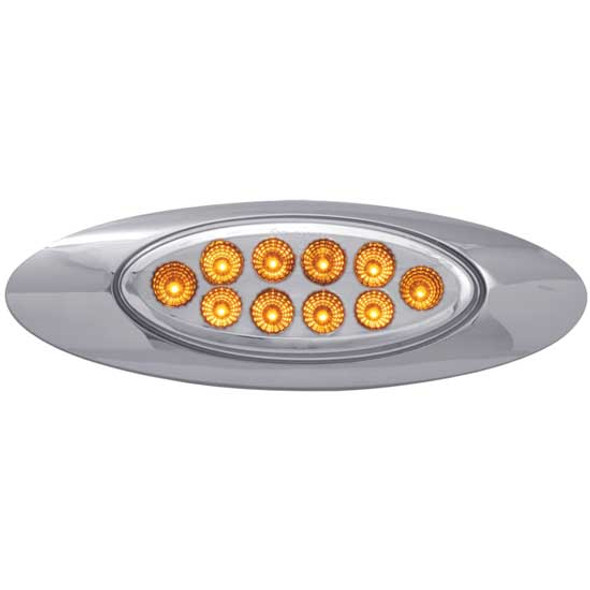
M1 Style 10 Diode LED Clearance Marker Light
TRUX ACCESSORIES
$19.27 - $28.34Optimize your truck lighting with the M1 Style Dual Revolution LED Auxiliary Marker Light. This aftermarket oval marker light features 10 high-efficiency diodes and a clear polycarbonate lens housed...PPR_204311- SKU:
- PPR_204311
- Truck Class:
- Universal
- Style Options:
- Dual Revolution
- Material Options:
- Plastic/Poly
- Shape Options:
- Oval
- Make:
- Universal Items
- Color:
- Red
- Product Type:
- Lighting
- Ready To Ship:
- Yes
$19.27 - $28.34Qty in Cart: 0Price:$19.27 - $28.34Subtotal: -
FREE SHIPPING OVER $249

BESTfit 49 Inch Hood Cowl Rubber Seal Replaces L42-6006-1244 For Peterbilt 359 & 379
BESTFIT TRUCK PARTS
$44.0949 Inch Hood Cowl Rubber Seal By BESTfit Fits Peterbilt 359 & 379 Replaces L42-6006-1244Seal your Peterbilt 379 cab effectively with the BESTfit 49 Inch Hood Cowl Rubber Seal, designed to replace OE...01-094000003- SKU:
- 01-094000003
- Length Options:
- 49 Inch
- Color:
- Black
- Truck Class:
- Heavy Duty
- Material Options:
- Rubber
- Make:
- Peterbilt
- Product Type:
- Hood Parts & Acc.
- Ready To Ship:
- Yes
$44.09Qty in Cart: 0Price:$44.09Subtotal: -
FREE SHIPPING OVER $249

7 7/8 Inch Heavy Duty Rubber Latch W/ Brackets, Pin W/ Bumper
BUYERS PRODUCTS
$7.82Heavy Duty Rubber Latch 7-7/8 Inch For Battery Boxes, Truck Boxes, Truck Hoods, Tool Boxes Or CompartmentsThis heavy-duty rubber hood latch, measuring 7-7/8 inches, is perfect for securing battery...29-124006- SKU:
- 29-124006
- Product Type:
- Hood Parts & Acc.
- Truck Class:
- Heavy Duty
- Make:
- Universal Items
- Length Options:
- 7 3/4 Inch
- Color:
- Black
- Material Options:
- Rubber
- Ready To Ship:
- Yes
$7.82Qty in Cart: 0Price:$7.82Subtotal: -
FREE SHIPPING OVER $249

Rubber Hood Cowl Seal 102 Inch By BESTfit For Peterbilt 359
BESTFIT TRUCK PARTS
$61.99BESTfit Peterbilt 359 Rubber Hood Cowl SealEnsure the seal between your cowl and your hood is tight with this 102 inch rubber hood cowl seal to prevent damage from water or debris. It is made with...01-124043- SKU:
- 01-124043
- Length Options:
- 72 Inch
- Truck Class:
- Heavy Duty
- Material Options:
- Rubber
- Make:
- Peterbilt
- Product Type:
- Hood Parts & Acc.
- Ready To Ship:
- Yes
$61.99Qty in Cart: 0Price:$61.99Subtotal: -
FREE SHIPPING

Peterbilt 359 Hood Hinge Assembly By BESTfit
BESTFIT TRUCK PARTS
$461.99BESTfit Peterbilt 359 Hood Hinge AssemblyMake sure you can open and close your hood with ease with this quality BESTfit hood hinge assembly Kit. It is made of quality materials to ensure durability,...01-124044- SKU:
- 01-124044
- Truck Class:
- Heavy Duty
- Make:
- Peterbilt
- Product Type:
- Hood Parts & Acc.
- Ready To Ship:
- Yes
$461.99Qty in Cart: 0Price:$461.99Subtotal: -
FREE SHIPPING OVER $249

BESTfit Flat Black Hood Pivot Or Hinge Spring For Peterbilt 359
BESTFIT TRUCK PARTS
$83.99 - $135.99This high quality black hinge recoil spring that fits the Peterbilt 359 model is powder-coated. The spring is available for the driver or passenger side and comes with a 1 year warranty.Fitment* Fits...PPR_200736- SKU:
- PPR_200736
- Truck Class:
- Heavy Duty
- Material Options:
- Steel
- Make:
- Peterbilt
- Color:
- Black
- Material Options:
- Stainless Steel
- Product Type:
- Hood Parts & Acc.
- Ready To Ship:
- Yes
$83.99 - $135.99Qty in Cart: 0Price:$83.99 - $135.99Subtotal: -

Peterbilt 359 Steel Hood Pivot Bracket 1967-1987
BESTFIT TRUCK PARTS
$116.99Machined Steel Hood Pivot Bracket* High Quality Hood Pivot Bracket * Made Of Steel * Machined * Hinge Assembly Available Separately (01-124044)* Made In USA * Sold Individually * Warranty On Hood...01-1240018- SKU:
- 01-1240018
- Truck Class:
- Heavy Duty
- Material Options:
- Steel
- Make:
- Peterbilt
- Product Type:
- Hood Parts & Acc.
- Ready To Ship:
- Yes
$116.99Qty in Cart: 0Price:$116.99Subtotal: -
FREE SHIPPING OVER $249

BESTfit Hood Cone Support Popsicle Replaces OEM 13-01840 For Peterbilt 359, 378, 379
BESTFIT TRUCK PARTS
$27.69BESTfit Peterbilt Hood Cone Support Kit Red Polyurethane Set Includes Hood Rest, Mount Bushings, Sleeve Washers, NutsThis BESTfit high-quality hood support popsicle kit includes the hood rest mount,...01-12400- SKU:
- 01-12400
- Color:
- Red
- Truck Class:
- Heavy Duty
- Material Options:
- Plastic/Poly
- Make:
- Peterbilt
- Product Type:
- Hood Parts & Acc.
- Ready To Ship:
- Yes
$27.69Qty in Cart: 0Price:$27.69Subtotal: -
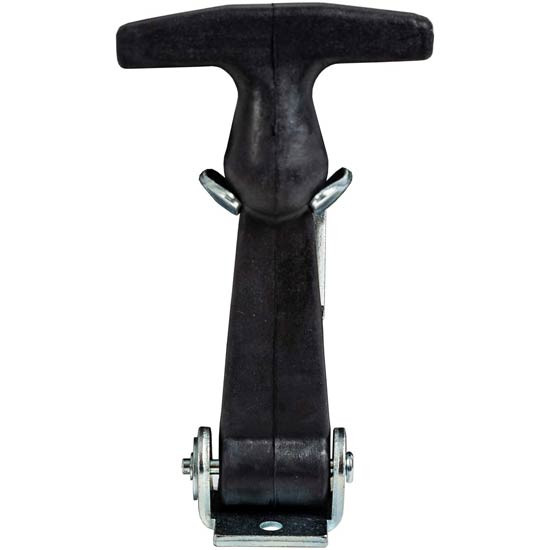
Easy Grip Rubber Hood Latch W/ A-Bracket 4 7/8 Inch
BUYERS PRODUCTS
$4.94Heavy Duty Weather-Resistant Rubber Hood Latch W/ A-BracketSecure your truck components with confidence using the Easy Grip Rubber Hood Latch with A-Bracket. Made from heavy-duty black rubber, this...29-124009- SKU:
- 29-124009
- Length Options:
- 7 Inch
- Truck Class:
- Heavy Duty
- Color:
- Black
- Material Options:
- Steel
- Product Type:
- Hood Parts & Acc.
- Ready To Ship:
- Yes
- Make:
- Universal Items
$4.94Qty in Cart: 0Price:$4.94Subtotal: -
FREE SHIPPING OVER $249

BESTfit Red Polyurethane Small Hood Roller Replaces 13-03440 For Peterbilt 359
BESTFIT TRUCK PARTS
$9.17BESTfit Peterbilt 359 Small Red Poly Hood RollerThis high-quality red polyurethane small hood roller is the replacement part for the Peterbilt OEM part number 13-03440. Manufactured by BESTfit, it is...01-12404- SKU:
- 01-12404
- Color:
- Red
- Truck Class:
- Heavy Duty
- Material Options:
- Plastic/Poly
- Make:
- Peterbilt
- Product Type:
- Hood Parts & Acc.
- Diameter Options:
- 3/8 Inch
- Length Options:
- 1 5/8 Inch
- Ready To Ship:
- Yes
$9.17Qty in Cart: 0Price:$9.17Subtotal: -
FREE SHIPPING OVER $249

BESTfit Large Hood Roller Replaces 13-03439 For Peterbilt 359
BESTFIT TRUCK PARTS
$11.27BESTfit Replacement Large Hood Roller Fits PeterbiltThis polyurethane large hood roller fits Peterbilt 359 models and replaces OEM part number 13-03439. It is manufactured with patented Hyper-Flex...01-12405- SKU:
- 01-12405
- Color:
- Red
- Truck Class:
- Heavy Duty
- Material Options:
- Plastic/Poly
- Make:
- Peterbilt
- Product Type:
- Hood Parts & Acc.
- Ready To Ship:
- Yes
$11.27Qty in Cart: 0Price:$11.27Subtotal: -
FREE SHIPPING OVER $249

BESTfit Black Polyurethane Center Hood Rest Replaces 13-03114 For Peterbilt 359
BESTFIT TRUCK PARTS
$27.14BESTfit Peterbilt 359 Black Polyurethane Hood Rest UpperThis BESTfit high-quality black polyurethane upper center hood rest replaces the Peterbilt OEM part number 13-030114. It is manufactured by...01-12401- SKU:
- 01-12401
- Color:
- Black
- Truck Class:
- Heavy Duty
- Material Options:
- Plastic/Poly
- Make:
- Peterbilt
- Product Type:
- Hood Parts & Acc.
- Ready To Ship:
- Yes
$27.14Qty in Cart: 0Price:$27.14Subtotal: -

Easy Grip Hood Latch Rubber W/ U-Bracket 4 7/8 Inch
BUYERS PRODUCTS
$4.404 7/8 Inch Heavy Duty Rubber Hood Latch W/ U-BracketSecure your truck components with confidence using the Easy Grip Rubber Hood Latch with U-Bracket. Made from heavy-duty black rubber, this...29-124007- SKU:
- 29-124007
- Color:
- Black
- Truck Class:
- Heavy Duty
- Product Type:
- Hood Parts & Acc.
- Ready To Ship:
- Yes
- Material Options:
- Rubber
- Length Options:
- 7 3/4 Inch
- Make:
- Universal Items
$4.40Qty in Cart: 0Price:$4.40Subtotal: -
FREE SHIPPING OVER $249

Peterbilt 359 Black Hood Spring 12.5 Inch - Replaces 13-02495 1967 - 1987 By BESTfit
BESTFIT TRUCK PARTS
$34.56BESTfit Peterbilt 359 Black Hood SpringIf you need to replace the spring that assists with opening and closing your hood, 4 State Trucks has the quality replacement part that is made to last and...01-12475- SKU:
- 01-12475
- Length Options:
- 13 Inch
- Color:
- Black
- Truck Class:
- Heavy Duty
- Material Options:
- Steel
- Make:
- Peterbilt
- Product Type:
- Hood Parts & Acc.
- Ready To Ship:
- Yes
$34.56Qty in Cart: 0Price:$34.56Subtotal: -

BESTfit 31 Inch Hood Cable Replaces 13-01717 For Peterbilt 359
BESTFIT TRUCK PARTS
$26.79BESTfit Hood Cable For Peterbilt 359Make sure you hood does not open to far by installing this 31 inch hood cable. It fits 1967 through 1987 Peterbilt 359 model trucks. It replaces OEM part number...01-124057- SKU:
- 01-124057
- Truck Class:
- Heavy Duty
- Length Options:
- 31 Inch
- Material Options:
- Steel
- Make:
- Peterbilt
- Product Type:
- Hood Parts & Acc.
- Ready To Ship:
- Yes
$26.79Qty in Cart: 0Price:$26.79Subtotal: -
FREE SHIPPING OVER $249

Peterbilt 359 Rubber Hood Cowl Seal Installation Kit By BESTfit
BESTFIT TRUCK PARTS
$32.24BESTfit Peterbilt 359 Rubber Hood Cowl Seal Installation KitGet the best seal on your Peterbilt 359 hood with this BESTfit rubber hood cowl seal installation kit. This kit includes the high quality...01-124042- SKU:
- 01-124042
- Truck Class:
- Heavy Duty
- Material Options:
- Aluminum
- Make:
- Peterbilt
- Product Type:
- Hood Parts & Acc.
- Ready To Ship:
- Yes
$32.24Qty in Cart: 0Price:$32.24Subtotal: -
FREE SHIPPING OVER $249

BESTfit Black Poly Hood Guide Grommet Replaces 13-03170 & 13-03425 For Peterbilt 359
BESTFIT TRUCK PARTS
$14.27BESTfit Hood Guide Grommet Fits Peterbilt 359Is the rode hold up your Peterbilt hood having a hard time staying up? This hood guide grommet secures the hood rod when the hood is propped up and keeps...01-12430- SKU:
- 01-12430
- Color:
- Black
- Truck Class:
- Heavy Duty
- Material Options:
- Plastic/Poly
- Make:
- Peterbilt
- Product Type:
- Hood Parts & Acc.
- Ready To Ship:
- Yes
$14.27Qty in Cart: 0Price:$14.27Subtotal: -

Mirror Polish Stainless Steel Extra Large Cam Lock Latch W/ Mounting Options
ROADWORKS
$111.99RoadWorks SS Extra Large Cam-Lock Latch W/ Mirror Polish Finish & Heavy Duty Banding* High Quality Cam-Lock Latch* Made Of Cast Stainless Steel* With Mirror Polished Finish* Extra Large Banding...29-1240001- SKU:
- 29-1240001
- Truck Class:
- Heavy Duty
- Material Options:
- Stainless Steel
- Make:
- Universal Items
- Finish Options:
- Polished
- Product Type:
- Hood Parts & Acc.
$111.99Qty in Cart: 0Price:$111.99Subtotal: -
FREE SHIPPING OVER $249

Peterbilt 359 Rubber Hood Guide Bushing For Rear Spike By BESTfit
BESTFIT TRUCK PARTS
$25.47BESTfit Rubber Hood Guide Bushing For Rear Spike* High Quality Hood Guide Bushing* Made Of Rubber* For Rear Spike* Made In USA* Sold Individually ** Warranty On Hood Guide Bushing Against Defects In...01-124000015- SKU:
- 01-124000015
- Color:
- Black
- Truck Class:
- Heavy Duty
- Material Options:
- Rubber
- Make:
- Peterbilt
- Product Type:
- Hood Parts & Acc.
- Ready To Ship:
- Yes
$25.47Qty in Cart: 0Price:$25.47Subtotal: -

BESTfit Aluminum Grille Corner Structure Bracket For Peterbilt 359
BESTFIT TRUCK PARTS
$481.99 - $494.99Upgrade your truck's grille with the Aluminum Grille Corner Structure Bracket, designed specifically for the Peterbilt 359 models from 1967 to 1987. This top-quality bracket is made from durable...PPR_201244- SKU:
- PPR_201244
- Truck Class:
- Heavy Duty
- Material Options:
- Aluminum
- Make:
- Peterbilt
- Product Type:
- Hood Parts & Acc.
- Ready To Ship:
- Yes
$481.99 - $494.99Qty in Cart: 0Price:$481.99 - $494.99Subtotal: -
On SaleLimited Quantity Available
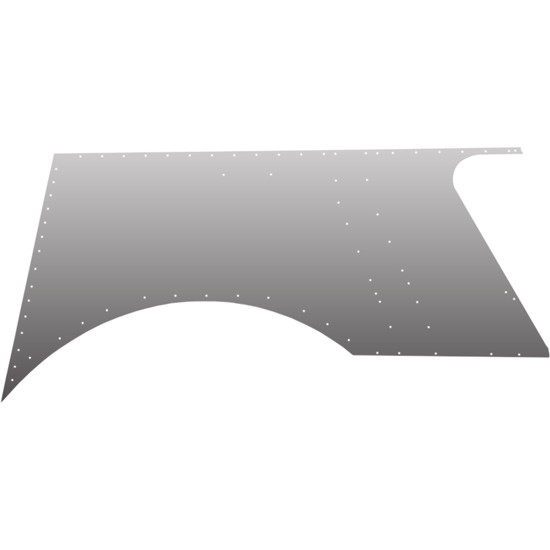
BESTfit Aluminum Extended Hood Side Panel Replaces 13-03463 For Peterbilt 359 127 BBC
BESTFIT TRUCK PARTS
Now: $305.89Was: $436.99An aluminum extended hood side panel is a durable aftermarket replacement made to fit Peterbilt 359 trucks with a 127?inch BBC extended hood built from 1967 through 1987, replacing the original OE...PPR_200726- SKU:
- PPR_200726
- Truck Class:
- Heavy Duty
- Material Options:
- Aluminum
- Make:
- Peterbilt
- Finish Options:
- Paintable
- Product Type:
- Hood Parts & Acc.
- Ready To Ship:
- Yes
Now: $305.89Was: $436.99Qty in Cart: 0Price:Now: $305.89Was: $436.99Subtotal: -
On SaleLimited Quantity Available

BESTfit Side Hood Panel For Peterbilt 359 Extended Hood
BESTFIT TRUCK PARTS
$196.14 - $365.39Are you ready to upgrade your Peterbilt truck with some shiny new aluminum panels? 4 State Trucks has the quality aftermarket panels needed to make your truck look great at a reasonable price.This...PPR_22277- SKU:
- PPR_22277
- Truck Class:
- Heavy Duty
- Material Options:
- Aluminum
- Make:
- Peterbilt
- Finish Options:
- Paintable
- Product Type:
- Hood Parts & Acc.
- Ready To Ship:
- Yes
$196.14 - $365.39Qty in Cart: 0Price:$196.14 - $365.39Subtotal: -

BESTfit Poly Hood Mount Hinge Bushing For Peterbilt 359
BESTFIT TRUCK PARTS
$13.99Peterbilt 359 Hood Mount Hinge Bushing By BESTfit Replaces R307503, 13-03440Rely on the BESTfit Poly Hood Mount Hinge Bushing to maintain proper hood alignment on your Peterbilt 359. Designed to...01-12400012- SKU:
- 01-12400012
- Truck Class:
- Heavy Duty
- Material Options:
- Plastic/Poly
- Make:
- Peterbilt
- Product Type:
- Hood Parts & Acc.
$13.99Qty in Cart: 0Price:$13.99Subtotal: -
FREE SHIPPING OVER $249

BESTfit 14G 304 Stainless Steel Hood Support Strap For Peterbilt 359
BESTFIT TRUCK PARTS
$80.99The?BESTfit 304 Stainless Steel Hood Support Strap?is a 14?gauge 304 stainless steel hood support strap made for?Peterbilt?359 trucks built from?1967 through?1987, designed as a strong aftermarket...PPR_200728- SKU:
- PPR_200728
- Truck Class:
- Heavy Duty
- Material Options:
- Stainless Steel
- Make:
- Peterbilt
- Product Type:
- Hood Parts & Acc.
$80.99Qty in Cart: 0Price:$80.99Subtotal: -

BESTfit Aluminum Extended Hood Top Panel For Peterbilt 359 127 BBC
BESTFIT TRUCK PARTS
$779.99Look no further for a premium aluminum extended hood top panel, an aftermarket replacement designed for Peterbilt 359 trucks with a 127?inch BBC extended hood built from 1967 through 1987, replacing...PPR_200727- SKU:
- PPR_200727
- Truck Class:
- Heavy Duty
- Material Options:
- Aluminum
- Make:
- Peterbilt
- Finish Options:
- Paintable
- Product Type:
- Hood Parts & Acc.
$779.99Qty in Cart: 0Price:$779.99Subtotal: -

Peterbilt 359 Rubber Hood Hinge Block 1967-1987
BESTFIT TRUCK PARTS
$22.88Hood Hinge Rubber Block, Replace OE 1303318* High Quality Hood Hinge Block* Made Of Rubber * Made In USA* Sold Individually * Warranty On Hood Hinge Blocks Against Defects In Workmanship & Material...01-1240015- SKU:
- 01-1240015
- Truck Class:
- Heavy Duty
- Material Options:
- Rubber
- Make:
- Peterbilt
- Color:
- Black
- Product Type:
- Hood Parts & Acc.
$22.88Qty in Cart: 0Price:$22.88Subtotal: -
FREE SHIPPING OVER $249

Peterbilt 359 Vinyl Hood Edge Trim Replaces 13-01737 By BESTfit
BESTFIT TRUCK PARTS
$34.34BESTfit Vinyl Hood Edge Trim For Peterbilt 359Improve the look of your truck with this quality BESTfit vinyl hood edge trim. It fits between the inner fender skirt and the side of the hood and is 46...01-124045- SKU:
- 01-124045
- Length Options:
- 46 Inch
- Truck Class:
- Heavy Duty
- Material Options:
- Vinyl
- Make:
- Peterbilt
- Product Type:
- Hood Parts & Acc.
- Ready To Ship:
- Yes
$34.34Qty in Cart: 0Price:$34.34Subtotal: -
FREE SHIPPING OVER $249

BESTfit Flat Black Inner Hood Roller Guide For Peterbilt 359
BESTFIT TRUCK PARTS
$31.10 - $33.12This high quality black flat inner hood roller guide fits the Peterbilt 359 model. The roller guide is available for the driver or passenger side.Fitment* Fits Peterbilt 359 1967 thru 1986Hood Roller...PPR_200732- SKU:
- PPR_200732
- Truck Class:
- Heavy Duty
- Material Options:
- Steel
- Make:
- Peterbilt
- Color:
- Black
- Material Options:
- Stainless Steel
- Product Type:
- Hood Parts & Acc.
- Ready To Ship:
- Yes
$31.10 - $33.12Qty in Cart: 0Price:$31.10 - $33.12Subtotal: -

BESTfit Upper Hood Panel For Peterbilt 359 Extended Hood
BESTFIT TRUCK PARTS
$655.99 - $800.99Ensure your Peterbilt 359 Extended Hood stays in top condition with the BESTfit Upper Hood Panel, available for either the Driver Side (13-03467L) or Passenger Side (13-03467R). Built for strength...PPR_22276- SKU:
- PPR_22276
- Truck Class:
- Heavy Duty
- Material Options:
- Aluminum
- Make:
- Peterbilt
- Finish Options:
- Paintable
- Position:
- Upper
- Product Type:
- Hood Parts & Acc.
- Ready To Ship:
- Yes
$655.99 - $800.99Qty in Cart: 0Price:$655.99 - $800.99Subtotal: -

BESTfit Aluminum Extended Hood Lower Roller Bracket For Peterbilt 359 127 BBC
BESTFIT TRUCK PARTS
$101.99This high quality aluminum extended lower hood roller bracket fits the Peterbilt 359 127 BBC model. The bracket is available for the driver or passenger side and comes with a 1 year warranty.Fitment*...PPR_200731- SKU:
- PPR_200731
- Truck Class:
- Heavy Duty
- Material Options:
- Aluminum
- Make:
- Peterbilt
- Color:
- Black
- Product Type:
- Hood Parts & Acc.
$101.99Qty in Cart: 0Price:$101.99Subtotal: -
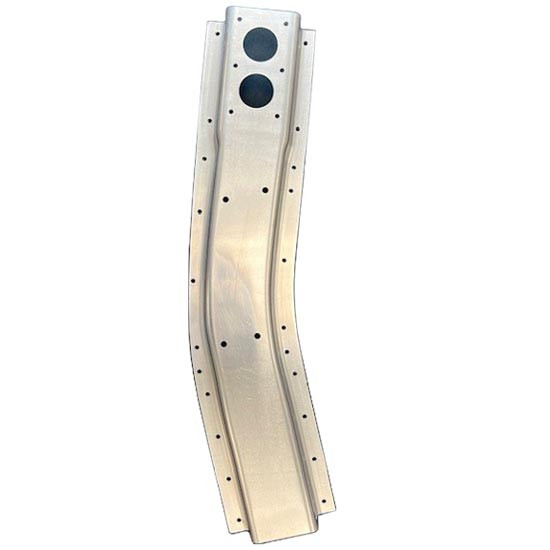
BESTfit Aluminum Lower Hood Bridge For Peterbilt 359
BESTFIT TRUCK PARTS
$316.99Have your hood properly supported with the BESTfit Aluminum Lower Hood Bridge, designed for Peterbilt 359 models from 1967 through 1987. This aftermarket replacement hood bridge is made from aluminum...PPR_205971- SKU:
- PPR_205971
- Truck Class:
- Heavy Duty
- Material Options:
- Aluminum
- Make:
- Peterbilt
- Finish Options:
- Paintable
- Product Type:
- Hood Parts & Acc.
$316.99Qty in Cart: 0Price:$316.99Subtotal: -
FREE SHIPPING OVER $249

Peterbilt 359 Rear Hood Bracket, Passenger Side By BESTfit
BESTFIT TRUCK PARTS
$144.99BESTfit Passenger Side Rear Hood Support Bracket* High Quality Hood Support Bracket* Rear* Passenger Side* Made In USA* Sold Individually* Warranty On Hood Support Brackets Against Defects In...01-12400006- SKU:
- 01-12400006
- Position:
- Passenger Side
- Truck Class:
- Heavy Duty
- Material Options:
- Aluminum
- Make:
- Peterbilt
- Finish Options:
- Paintable
- Product Type:
- Hood Parts & Acc.
$144.99Qty in Cart: 0Price:$144.99Subtotal: -
FREE SHIPPING OVER $249

BESTfit Aluminum Inner Hood Skirt For Peterbilt 359
BESTFIT TRUCK PARTS
$201.99Explore an aluminum inner hood skirt, a sturdy aftermarket panel made for Peterbilt 359 extended hood trucks built from 1967 through 1987, serving as a support piece that helps carry the outer skirt...PPR_200737- SKU:
- PPR_200737
- Truck Class:
- Heavy Duty
- Material Options:
- Aluminum
- Make:
- Peterbilt
- Finish Options:
- Paintable
- Product Type:
- Hood Parts & Acc.
$201.99Qty in Cart: 0Price:$201.99Subtotal: -

BESTfit Torque Box For Peterbilt 359
BESTFIT TRUCK PARTS
$491.99 - $519.99This high quality torque box for the Peterbilt 359 extended hood model is already pre-drilled and formed. The box has rivnuts installed for hood cylinder mounting and comes with a 1 year warranty...PPR_200738- SKU:
- PPR_200738
- Truck Class:
- Heavy Duty
- Make:
- Peterbilt
- Finish Options:
- Paintable
- Material Options:
- Aluminum
- Product Type:
- Hood Parts & Acc.
$491.99 - $519.99Qty in Cart: 0Price:$491.99 - $519.99Subtotal: -
FREE SHIPPING OVER $249
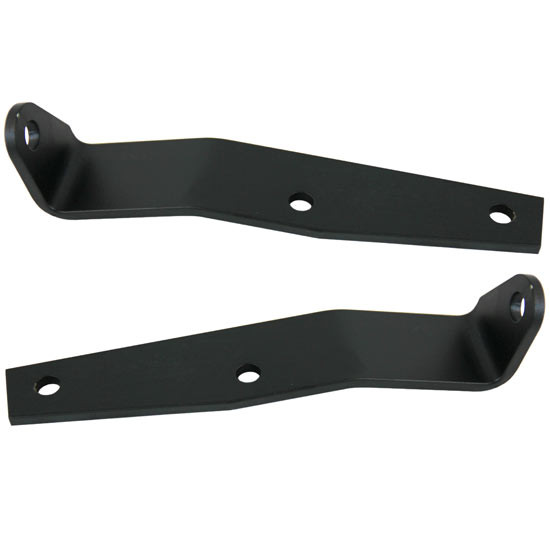
BESTfit Aluminum Extended Hood Upper Roller Bracket Replaces 13-03209L / 13-03209R For Peterbilt 359 127 BBC
BESTFIT TRUCK PARTS
$39.53This high quality aluminum extended upper hood roller bracket fits the Peterbilt 359 127 BBC model. The bracket is available for the driver or passenger side and comes with a 1 year warranty.Fitment*...PPR_200730- SKU:
- PPR_200730
- Truck Class:
- Heavy Duty
- Position:
- Upper
- Material Options:
- Aluminum
- Make:
- Peterbilt
- Color:
- Black
- Product Type:
- Hood Parts & Acc.
$39.53Qty in Cart: 0Price:$39.53Subtotal: -
FREE SHIPPING OVER $249

BESTfit Flat Black Outer Hood Roller Guide For Peterbilt 359
BESTFIT TRUCK PARTS
$23.26 - $29.86This high quality black flat outer hood roller guide fits the Peterbilt 359 model. The roller guide fits 119BBC and 127 BBC models and is available for the driver or the passenger side.Fitment* Fits...PPR_200733- SKU:
- PPR_200733
- Truck Class:
- Heavy Duty
- Material Options:
- Steel
- Make:
- Peterbilt
- Color:
- Black
- Material Options:
- Stainless Steel
- Product Type:
- Hood Parts & Acc.
$23.26 - $29.86Qty in Cart: 0Price:$23.26 - $29.86Subtotal: -
FREE SHIPPING

BESTfit Aluminum Extended Hood Outer Rear Skirt For Peterbilt 359 127 BBC
BESTFIT TRUCK PARTS
$351.99An aluminum extended hood outer rear skirt is a rust?resistant aftermarket panel made to fit Peterbilt 359 trucks with a 127?inch BBC extended hood (1967-1987), replacing OE numbers?13?03468L on the...PPR_200729- SKU:
- PPR_200729
- Truck Class:
- Heavy Duty
- Material Options:
- Aluminum
- Make:
- Peterbilt
- Finish Options:
- Paintable
- Product Type:
- Hood Parts & Acc.
$351.99Qty in Cart: 0Price:$351.99Subtotal: -

BESTfit Aluminum Hood Side Member For Peterbilt 359
BESTFIT TRUCK PARTS
$281.99This high quality aluminum hood side member that fits the Peterbilt 359 119 and 127 BBC models has the holes pre-drilled. The side member fits between the hood side and the torque box and comes with...PPR_200735- SKU:
- PPR_200735
- Truck Class:
- Heavy Duty
- Material Options:
- Aluminum
- Make:
- Peterbilt
- Finish Options:
- Paintable
- Product Type:
- Hood Parts & Acc.
$281.99Qty in Cart: 0Price:$281.99Subtotal: -

Peterbilt 359, 379 Aluminum Center Hood Strip 72 Inch
BESTFIT TRUCK PARTS
$305.995 Ribbed Aluminum Center Hood Strip* High Quality Center Hood Strip* Aluminum* 72 Inch Length * 8.25 Inch Wide* 5 Ribbed* Undrilled* Drilling Is Required For Installation* Made In USA* Sold...01-1220003- SKU:
- 01-1220003
- Material Options:
- Stainless Steel
- Length Options:
- 72 Inch
- Truck Class:
- Heavy Duty
- Make:
- Peterbilt
- Product Type:
- Hood Parts & Acc.
$305.99Qty in Cart: 0Price:$305.99Subtotal: -

RigMaster Rubber Cover Latch Key Kit
RIGMASTER
$53.99RigMaster APU Generator Replacement Cover Latch Key Kit - RP12-056K* High Quality Cover Latch Kit * Rubber * Includes Latches And Hardware* Sold Individually * Warranty On Cover Latch Kits Against...RP12056K- SKU:
- RP12056K
- Truck Class:
- Universal
- Location:
- Made In USA
- Material Options:
- Rubber
- Make:
- Universal Items
- Product Type:
- Hood Parts & Acc.
$53.99Qty in Cart: 0Price:$53.99Subtotal: -

Mirror Polish Stainless Steel Large Cam Lock Latch W/ Mounting Options
ROADWORKS
$97.99RoadWorks SS Large Cam Lock Latch W/ Mirror Polish Finish & Heavy Duty Banding* High Quality Cam-Lock Latch* Made Of Cast Stainless Steel* With Mirror Polished Finish* Large Banding Allows...29-1240002- SKU:
- 29-1240002
- Location:
- Made In USA
- Truck Class:
- Heavy Duty
- Material Options:
- Stainless Steel
- Make:
- Universal Items
- Finish Options:
- Chrome-Plated
- Product Type:
- Hood Parts & Acc.
$97.99Qty in Cart: 0Price:$97.99Subtotal: -

Peterbilt 359 Aluminum Side Hood Top Panel, Drivers Side By BESTfit
BESTFIT TRUCK PARTS
$539.99BESTfit Peterbilt 359 Standard Hood Top Panel Replaces OEM 13-01821LThis BESTfit hood top panel is made of 0.63 inch thick aluminum. Measuring 54 inches long, 12 inches wide, and 30 inches tall, it...01-12473- SKU:
- 01-12473
- Length Options:
- 64 Inch
- Truck Class:
- Heavy Duty
- Position:
- Driver Side
- Material Options:
- Aluminum
- Make:
- Peterbilt
- Finish Options:
- Paintable
- Product Type:
- Hood Parts & Acc.
$539.99Qty in Cart: 0Price:$539.99Subtotal: -
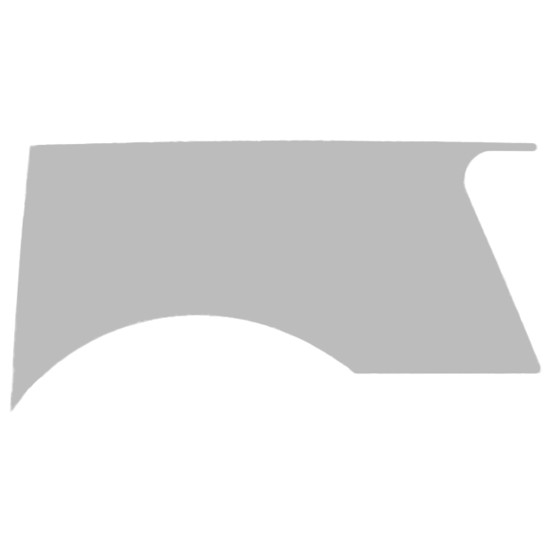
Peterbilt 359 119 BBC Aluminum Standard Hood Side By BESTfit
BESTFIT TRUCK PARTS
$665.99Driver Side 359 Peterbilt Short Hood Side Panel* High Quality Hood Side Panel* .63 Inch Thick Aluminum* All Holes Are Pre-Drilled * Made In USA* Sold Individually* Warranty On Hood Side Panels...01-12471- SKU:
- 01-12471
- Material Options:
- Aluminum
- Length Options:
- 119 BBC
- Truck Class:
- Heavy Duty
- Make:
- Peterbilt
- Product Type:
- Hood Parts & Acc.
$665.99Qty in Cart: 0Price:$665.99Subtotal: -
FREE SHIPPING OVER $249

Peterbilt 359 Rear Hood Support Bracket, Driver Side By BESTfit
BESTFIT TRUCK PARTS
$144.99BESTfit Driver Side Rear Hood Support Bracket* High Quality Hood Support Bracket* Rear* Driver Side* Made In USA* Sold Individually* Warranty On Hood Support Brackets Against Defects In Workmanship &...01-12400005- SKU:
- 01-12400005
- Position:
- Driver Side
- Truck Class:
- Heavy Duty
- Material Options:
- Aluminum
- Make:
- Peterbilt
- Finish Options:
- Paintable
- Product Type:
- Hood Parts & Acc.
- Ready To Ship:
- Yes
$144.99Qty in Cart: 0Price:$144.99Subtotal: -

Peterbilt 359 Extended Hood Center Reinforcement Replaces 13-02604 By BESTfit
BESTFIT TRUCK PARTS
$372.99BESTfit Center Reinforcement For Peterbilt 359 Extended HoodThis high BESTfit 63 inch polished center reinforcement fits the Peterbilt 359 extended hood. The reinforcement is made in America and...01-124041- SKU:
- 01-124041
- Length Options:
- 63 Inch
- Truck Class:
- Heavy Duty
- Material Options:
- Aluminum
- Make:
- Peterbilt
- Finish Options:
- Paintable
- Product Type:
- Hood Parts & Acc.
$372.99Qty in Cart: 0Price:$372.99Subtotal: -

BESTfit Poly Hood Mount Bushing- 1.855 Inch For Peterbilt 359
BESTFIT TRUCK PARTS
$8.76Peterbilt 359 1.855 Inch Poly Hood Mount Bushing Replaces 13-03318, 1303318, E-7502, E7502 & D8 By BESTfitReduce hood noise and maintain alignment on your Peterbilt 359 with the BESTfit Poly Hood...01-1240016- SKU:
- 01-1240016
- Color:
- Blue
- Material Options:
- Plastic/Poly
- Truck Class:
- Heavy Duty
- Make:
- Peterbilt
- Product Type:
- Hood Parts & Acc.
$8.76Qty in Cart: 0Price:$8.76Subtotal: -
FREE SHIPPING OVER $249

Peterbilt 359 16G Galvanized Aluminum Hood Side Reinforcement Replaces 13-01734 By BESTfit
BESTFIT TRUCK PARTS
$68.99BESTfit Aluminum Hood Side Reinforcement Fits Peterbilt 359This high quality Peterbilt 359 hood side reinforcement is constructed with 16-gauge galvanized aluminum. For an easier installation...01-124034- SKU:
- 01-124034
- Length Options:
- 38 Inch
- Truck Class:
- Heavy Duty
- Material Options:
- Aluminum
- Make:
- Peterbilt
- Finish Options:
- Paintable
- Product Type:
- Hood Parts & Acc.
$68.99Qty in Cart: 0Price:$68.99Subtotal: -

Peterbilt 359 Hood Cylinder Release Valve 1972-1987
BESTFIT TRUCK PARTS
$85.99Peterbilt 359 Hood Cylinder Release ValveThis quick release valve works with the hood air cylinders on extended hood Peterbilt 359 models. It helps you open and close the truck's hood more easily and...01-12400108- SKU:
- 01-12400108
- Product Type:
- Hood Parts & Acc.
- Truck Class:
- Heavy Duty
- Make:
- Peterbilt
$85.99Qty in Cart: 0Price:$85.99Subtotal: -
FREE SHIPPING OVER $249

BESTFIT Rear Hood Cylinder Mount Bracket For Peterbilt 359 1967-1987, Replaces 13-01236
BESTFIT TRUCK PARTS
$120.99BESTfit Driver Or Passenger Side Rear Mount Hood Cylinder Bracket Fits Peterbilt 359* High Quality Cylinder Rear Mounting Bracket* Made Of Aluminum* Dimensions - 6 Inch Length - 5 Inch Width - 2...01-124000007- SKU:
- 01-124000007
- Truck Class:
- Heavy Duty
- Material Options:
- Aluminum
- Make:
- Peterbilt
- Finish Options:
- Paintable
- Product Type:
- Hood Parts & Acc.
$120.99Qty in Cart: 0Price:$120.99Subtotal: -
FREE SHIPPING OVER $249

Peterbilt 359 Extended Hood Center Mounting Top Hood Bracket Replaces 13-03137 By BESTfit
BESTFIT TRUCK PARTS
$144.99BESTfit Center Mounting Top Hood Bracket For Peterbilt 359 Extended HoodAre you about to replace or repair a Peterbilt 359 hood? 4 State Trucks has the quality center mounting top hood bracket you...01-124033- SKU:
- 01-124033
- Truck Class:
- Heavy Duty
- Material Options:
- Steel
- Make:
- Peterbilt
- Color:
- Black
- Product Type:
- Hood Parts & Acc.
$144.99Qty in Cart: 0Price:$144.99Subtotal: -
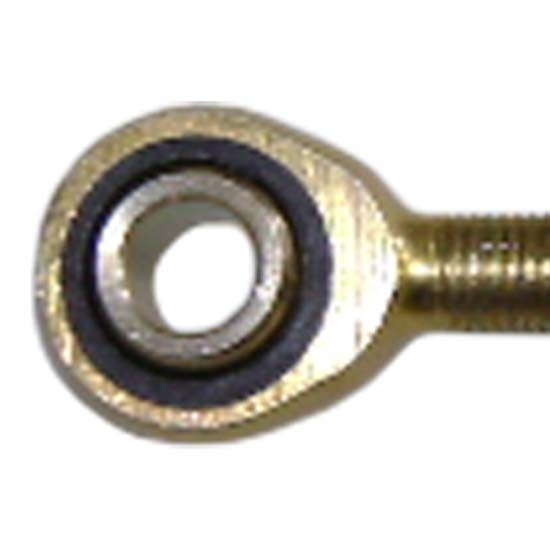
Peterbilt 359 Eyelet For Extended Hood Air Lift Cylinder By BESTfit
BESTFIT TRUCK PARTS
$23.26BESTfit Peterbilt 359 Eyelet For Extended Hood Air Lift Cylinder* High Quality Eyelet* For Extended Hood Air Lift Cylinder* Made In USA* Sold Individually* Warranty On Eyelet Against Defects In...01-124511- SKU:
- 01-124511
- Truck Class:
- Heavy Duty
- Make:
- Peterbilt
- Product Type:
- Hood Parts & Acc.
$23.26Qty in Cart: 0Price:$23.26Subtotal: -

Peterbilt 359 Hood Cylinder Orifice Plug 1972-1987
BESTFIT TRUCK PARTS
$7.99Peterbilt 359 Hood Cylinder Orifice PlugThe Peterbilt 359 Hood Cylinder Orifice Plug is installed in the exhaust port of the hood cylinder's quick release valve. It helps regulate airflow during hood...01-12400109- SKU:
- 01-12400109
- Product Type:
- Hood Parts & Acc.
- Truck Class:
- Heavy Duty
- Make:
- Peterbilt
$7.99Qty in Cart: 0Price:$7.99Subtotal: -

Peterbilt 359 Torque Box, Passenger Side 1967 - 1987 By BESTfit
BESTFIT TRUCK PARTS
$469.99BESTfit Passenger Side Torque Box* High Quality Torque Box* Passenger Side* For Hood Cylinder Mounting* Formed And Predrilled With Rivet Nuts * Installed For Hood Cylinder Mounting* Made In USA* Sold...01-1240003- SKU:
- 01-1240003
- Position:
- Passenger Side
- Truck Class:
- Heavy Duty
- Material Options:
- Steel
- Make:
- Peterbilt
- Product Type:
- Hood Parts & Acc.
$469.99Qty in Cart: 0Price:$469.99Subtotal: -

Peterbilt 359 Hood Skirt Doubler By BESTfit
BESTFIT TRUCK PARTS
$95.99BESTfit Hood Skirt Doubler Panel* High Quality Hood Skirt Doubler* Fits Driver Or Passenger Side* Made In USA* Sold Individually* Warranty On Hood Skirt Doublers Against Defects In Workmanship &...01-1240001- SKU:
- 01-1240001
- Truck Class:
- Heavy Duty
- Material Options:
- Stainless Steel
- Make:
- Peterbilt
- Product Type:
- Hood Parts & Acc.
$95.99Qty in Cart: 0Price:$95.99Subtotal: -
FREE SHIPPING OVER $249

Mounting Kit For Chrome Grab Handle
UNITED PACIFIC
$4.49Grab Handle Mounting KitSecure your chrome grab handle on your truck with this quality mounting hardware kit by United Pacific. It includes 4 chrome screws, 4 nuts, and 1 Allen wrench. The hardware...09-126000- SKU:
- 09-126000
- Truck Class:
- Universal
- Material Options:
- Steel
- Make:
- Universal Items
- Finish Options:
- Chrome-Plated
- Ready To Ship:
- Yes
- Product Type:
- Hood Parts & Acc.
$4.49Qty in Cart: 0Price:$4.49Subtotal: