Front Fender Accessories for Freightliner FLC120 Models
Front fenders on a Freightliner FLC120 take constant abuse from road spray, rocks, salt, and vibration. The right aftermarket front fender accessories help protect high-wear edges, keep the front end cleaner, and reduce common problems like cracked fender lips, rust streaks, and marker lights that fail too soon.
Side Marker Fender Lights: Side marker lights improve visibility near the front wheel area. That matters during lane changes, intersections, and low-light driving. A common pain point is LED marker lights that fail from water intrusion, weak mounts, or poor wiring. Sealed lights and secure mounting help reduce flicker, water damage, and repeat rewiring.
Fender Shields & Guards: Fender shields and fender guards help block road spray, gravel, and salt blast that can chew up paint and fender edges. If you run rough roads or winter routes, this protection can help cut down on grime buildup and slow down corrosion.
Headlight Trim: Headlight trim keeps your front end looking consistent and helps reduce grime lines around the housings that are hard to clean. It’s an easy way to match your headlight area with your other front-end trim pieces.
Front Fender Liners: A front fender liner shields the area behind the fender from water, salt, and debris. That helps protect wiring and reduces corrosion buildup inside the fender area. It’s a smart add-on if your truck sees wet roads, gravel, or winter salt.
Fender Trim Accent Pieces: Fender trim and front side fender trim give your FLC120 a finished look while protecting the edge where chips, cracks, and corrosion often start. It also helps avoid that “unfinished" look after a front fender replacement.
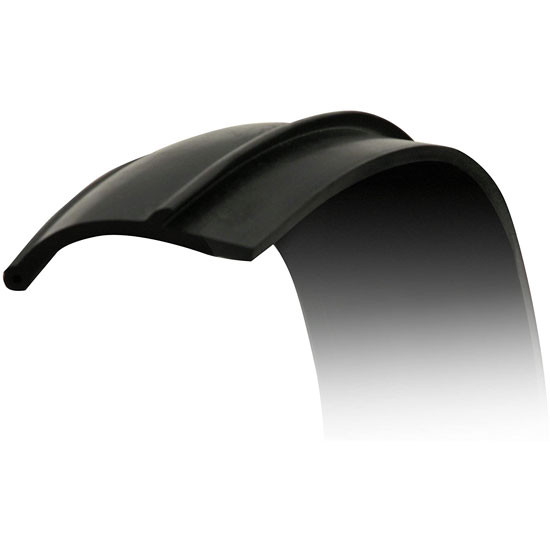
Rubber Fender Extensions: Rubber fender extensions add extra coverage to control spray and debris coming off the front tires. They help keep steps and side panels cleaner and reduce mud and salt getting thrown forward.
Fender Blink Bar Brackets: Fender blink bar brackets give blink bars and lighting a secure mounting point. They help reduce rattles, loose hardware, and vibration-related failures. A proper bracket setup also helps prevent cracking that can come from a poor install.
Shop Freightliner FLC120 front fenders and accessories to build a cleaner, tougher front end with better visibility, better protection, and classic styling that holds up to real miles.
Frequently Asked Questions About Freightliner FLC120 Front Fenders & Acc.
What materials are available for FLC120 front fenders?
Front fenders for the Freightliner FLC120 are typically available in fiberglass and steel. Fiberglass fenders are lightweight, resist corrosion, and are easy to repair if cracked, while steel fenders offer added durability and impact resistance but weigh more and can be prone to rust if the finish is damaged. Choosing between them usually comes down to your priorities for weight, longevity, and repair ease.
Will these fenders fit my specific FLC120 model year?
Freightliner made changes to the FLC120 body style over its production run, so fender fitment can vary by year and cab configuration. Always check the listed fitment details or provide your VIN when ordering to confirm the fender matches your truck's specific year, hood style, and mounting configuration before purchasing.
Do these fenders come primed, painted, or unfinished?
Most replacement fenders are sold either unfinished (gel-coat or bare steel) or primed, ready for paint to match your truck. Few are sold pre-painted to an exact factory color since fleet and owner color choices vary widely. Plan for paint and finishing work as part of your installation budget and timeline.
What mounting hardware and brackets do I need for installation?
Fenders typically require fender brackets, mounting bolts, and sometimes rubber isolators or fender extensions depending on your truck's setup. Some listings include the necessary brackets and hardware, while others sell the fender panel only. Review the product details closely, and inspect your existing brackets for wear or damage since reusing corroded hardware can lead to fitment or vibration issues.
Can I install a front fender myself, or should I use a professional?
Many owner-operators and shop technicians install fenders themselves, as the job mainly involves removing the old fender, transferring or replacing brackets, and securing the new panel. However, proper alignment matters for tire clearance and appearance, so if you're unfamiliar with bracket adjustment or bodywork, having a trained technician handle the installation can help avoid rework and ensure a clean fit.