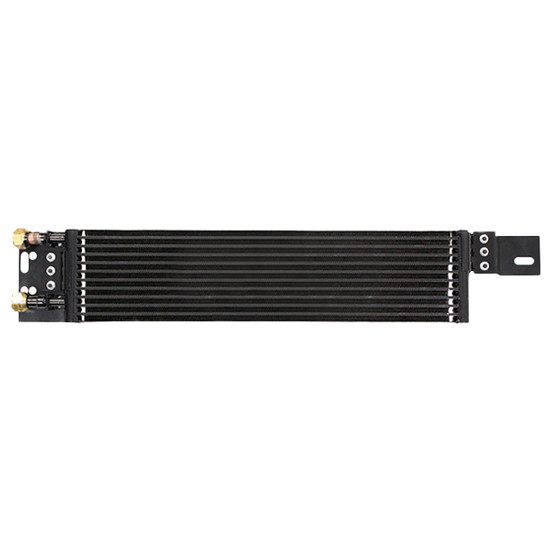
Keep your truck's transmission cool with our International 9200/9400 Transmission Cooler selection. Designed to prevent overheating and extend powertrain life, these high-quality coolers come in various sizes to handle tough jobs. Whether replacing or upgrading, we've got you covered!
Frequently Asked Questions About International 9200/9400 Transmission Coolers
Will this transmission cooler fit my International 9200 or 9400 without modification?
Transmission coolers for these models are designed to match the factory mounting points and hose routing used on the 9200 and 9400 series. However, because these trucks were built over several model years and with different transmission and engine combinations, it's important to check hose fitting size, mounting bracket style, and overall cooler dimensions against your truck's original equipment before ordering. If you're unsure, having your VIN or chassis details on hand when you contact us will help confirm proper fit.
What material is the cooler core made from, and how does that affect durability?
Most transmission coolers in this category use an aluminum core with either aluminum or steel end tanks and mounting brackets. Aluminum cores are valued for efficient heat dissipation and resistance to corrosion, while the brackets and tanks may vary in finish depending on the manufacturer. If long-term durability in harsh weather or road conditions is a priority, look at the specific product description for details on core material and any protective coatings.
Do I need any additional hardware, hoses, or fittings to install this cooler?
Some coolers ship as a direct replacement with fittings that match OEM hose connections, while others may require separate hose ends, clamps, or brackets depending on your truck's existing setup. Check the product listing for what's included in the box, and compare the fitting sizes to your current cooler lines before installation to avoid delays.
Can I install a transmission cooler myself, or should I have a professional do it?
Installation typically involves draining transmission fluid, disconnecting the old cooler lines, mounting the new cooler in the same location, and reconnecting hoses with proper clamps or fittings. Many owner-operators and shop technicians handle this as a routine job, but if your setup involves tight clearances near the radiator or frame, or if you're not comfortable working with transmission fluid lines, having a qualified technician handle the install can help avoid leaks or misalignment.
How do I know if my current transmission cooler needs to be replaced versus repaired?
Common signs that point to replacement include visible leaks at the seams or fittings, bent or crushed fins that restrict airflow, corrosion that's compromised the core, or a transmission that's consistently running hotter than normal. Minor issues like loose brackets or worn hose ends can sometimes be repaired, but a cracked core or significant fin damage usually means it's time for a new cooler rather than a patch fix.