



Peterbilt 359 CAC Clamps, Boots & Hoses
Direct-Fit Replacement CAC Components for Peterbilt 359
If your Peterbilt 359 isn’t pulling the way it used to, the CAC system is one of the first places to look. CAC clamps, boots, and hoses carry pressurized air from the turbo to the engine. When they seal tight, your engine gets the air it needs to make power. When they don’t, performance drops fast. A leaking CAC boot or hose bleeds boost. That means slower throttle response, weaker hill pulls, and higher fuel burn just to stay at speed. Over time, that poor air-to-fuel mix creates excess soot, which puts added strain on the DPF. One worn boot can lead to costly downtime. Oil is the most common cause of failure on older trucks like the 359. Turbo oil mist slowly breaks down silicone boots. They soften. They swell. Then they split under load. Upgrading worn boots before they rupture helps prevent roadside breakdowns and unexpected derates. Clamps play a bigger role than most drivers think. Weak or stretched clamps allow hoses to shift and leak under boost. Even worse, a loose connection can pull in unfiltered air. Road grit inside the intake can cause permanent internal engine damage. Heavy-duty CAC clamps help lock everything in place and keep the air path clean. This selection of Peterbilt 359 CAC clamps, boots, and hoses is built for real commercial use. Designed to handle heat, vibration, and high boost, these parts restore lost power, protect the emissions system, and keep your classic 359 running strong mile after mile- Product
- Qty in Cart
- Quantity
- Price
- Subtotal
-
FREE SHIPPING OVER $249

BESTfit Stainless Steel T-Bolt Clamp For Charge Air Coolers
BESTFIT TRUCK PARTS
$8.54 - $31.20Prevent leaks and maintain peak airflow in your charge air cooler system with the BESTfit Stainless Steel Heavy Duty T-Bolt Clamp, designed for sizes from 3.562 - 3.875 Inch up to 7 - 7.5 Inch. Made...PPR_202710- SKU:
- PPR_202710
- Truck Class:
- Heavy Duty
- Material Options:
- Stainless Steel
- Finish Options:
- Polished
- Make:
- Universal Items
- Product Type:
- Engine Parts
- Ready To Ship:
- Yes
$8.54 - $31.20Qty in Cart: 0Price:$8.54 - $31.20Subtotal: -
FREE SHIPPING OVER $249
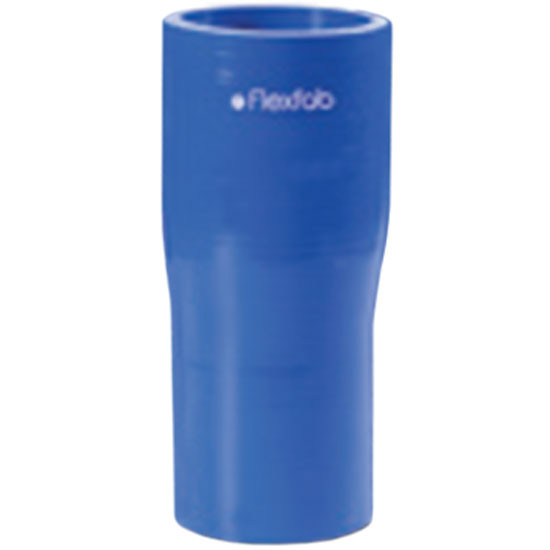
BESTfit 3 Inch To 2.5 Inch Silicone Coolant Hose Reducer
BESTFIT TRUCK PARTS
$37.44BESTfit 3 Inch To 2.5 Inch Silicone Coolant Hose Reducer* High Quality Coolant Hose* 3.00 ID To 2.50 ID* Silicone* 3.00 ID X 2.50 ID X 6 L* Sold Individually* Warranty On Coolant Hose Against Defects...09-0702077- SKU:
- 09-0702077
- Truck Class:
- Heavy Duty
- Make:
- Universal Items
- Material Options:
- Silicone
- Product Type:
- Engine Parts
- Ready To Ship:
- Yes
$37.44Qty in Cart: 0Price:$37.44Subtotal: -

BESTfit Blue Silicone Heater Hose - .75 Inch ID X 25 Feet
BESTFIT TRUCK PARTS
$95.99Blue Silicone Heater Hose - 0.75 Inch ID X 25 Feet* High Quality Heater Hose* Made Of Silicone* Blue* Dimensions: - 0.750 Inch ID - 25 Feet* Sold Individually* Warranty On Heater Hose Against...09-070200006- SKU:
- 09-070200006
- Truck Class:
- Heavy Duty
- Make:
- Universal Items
- Product Type:
- Engine Parts
- Ready To Ship:
- Yes
$95.99Qty in Cart: 0Price:$95.99Subtotal: -
FREE SHIPPING OVER $249

BESTfit Heavy Duty Hump Hoses
BESTFIT TRUCK PARTS
$45.77 - $82.99Improve your charge air system with the gray silicone hump hose for charge air coolers from BESTfit. Built from durable silicone with a thicker wall than standard hump hoses, this aftermarket...PPR_202715- SKU:
- PPR_202715
- Truck Class:
- Heavy Duty
- Make:
- Universal Items
- Product Type:
- Engine Parts
- Ready To Ship:
- Yes
$45.77 - $82.99Qty in Cart: 0Price:$45.77 - $82.99Subtotal: -
FREE SHIPPING OVER $249

BESTfit 4.5 - 4 X 6 Inch Hot Side Charge Air Intake Hump Hose
BESTFIT TRUCK PARTS
$76.99Red Hump Hose Reducer For Hot Side By BESTfitProtect your turbo system with the BESTfit Hot Side Charge Air Intake Hump Hose, made from high-quality silicone for maximum heat resistance and...09-070111- SKU:
- 09-070111
- Product Type:
- Engine Parts
- Truck Class:
- Heavy Duty
- Make:
- Universal Items
- Ready To Ship:
- Yes
$76.99Qty in Cart: 0Price:$76.99Subtotal: -
FREE SHIPPING OVER $249

BESTfit 90 Degree Silicone Coolant Hose Elbow
BESTFIT TRUCK PARTS
$37.55 - $131.99Designed for demanding engine environments, the BESTfit 90 Degree Silicone Coolant Hose Elbow offers a dependable solution. This high-quality aftermarket replacement hose is constructed from durable...PPR_202712- SKU:
- PPR_202712
- Truck Class:
- Heavy Duty
- Make:
- Universal Items
- Material Options:
- Silicone
- Product Type:
- Engine Parts
- Ready To Ship:
- Yes
$37.55 - $131.99Qty in Cart: 0Price:$37.55 - $131.99Subtotal: -
On SaleLimited Quantity AvailableFREE SHIPPING OVER $249
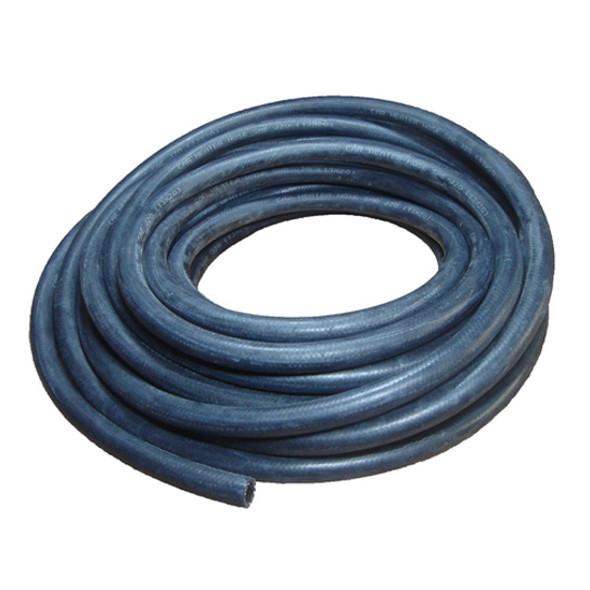
Heavy Duty Silicone Coolant Hose - Sold By Foot
BESTFIT TRUCK PARTS
$2.57 - $2.85Designed for demanding cooling system applications, the BESTfit heavy-duty silicone coolant hose offers a dependable solution. This aftermarket replacement hose is constructed from quality silicone...PPR_202716- SKU:
- PPR_202716
- Truck Class:
- Heavy Duty
- Make:
- Universal Items
- Product Type:
- Engine Parts
- Ready To Ship:
- Yes
$2.57 - $2.85Qty in Cart: 0Price:$2.57 - $2.85Subtotal: -
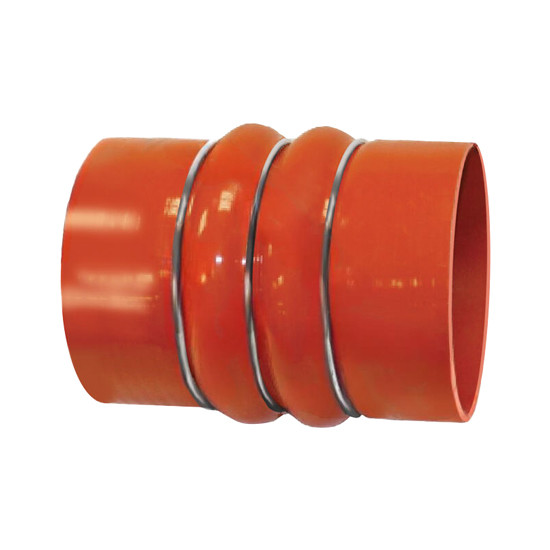
4.5 X 6 Inch Red Poly CAC Connector/Terminal Hose Replaces 7742, HE8709 For Kenworth & Peterbilt
AFTERMARKET
$82.994.5 X 6 Inch Red Poly CAC Connector/Terminal Hose Replaces 7742, HE8709When your turbo system needs a connector hose built for the toughest operating conditions, this 4.5 x 6 Inch Red Poly CAC hose...29-07010001- SKU:
- 29-07010001
- Length Options:
- 6 Inch
- Color:
- Red
- Material Options:
- Silicone
- Product Type:
- Engine Parts
- Diameter Options:
- 4 1/2 Inch
- Make:
- Peterbilt
- Make:
- Kenworth
$82.99Qty in Cart: 0Price:$82.99Subtotal: -
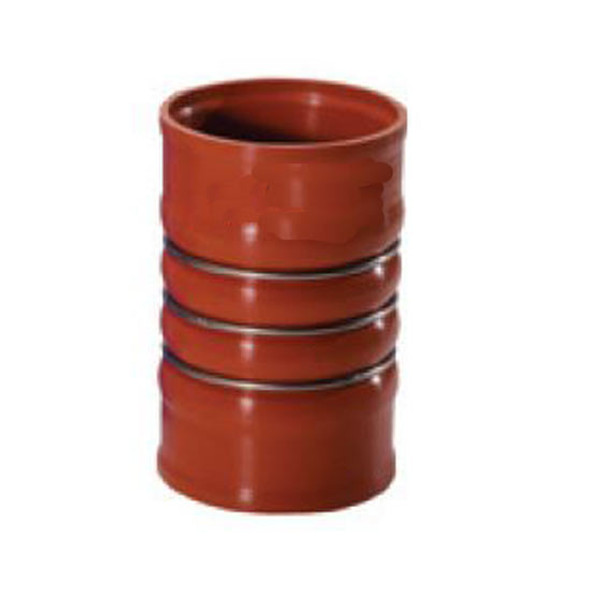
BESTfit 4.5 ID X 4 ID X 7 Inch Charge Air Intake Hump Hose Reducer Hot Side
BESTFIT TRUCK PARTS
$66.99Hot Side 4.5 ID X 4 ID X 7 Inch Charge Air Intake Hump Hose Reducer By BESTfit* High Quality Hump Hose* Made Of Silicone Hose* 4 Inch ID x 4.5 Inch ID x 7 Inch Length* For Hot Side Hook Up To Charge...09-070117- SKU:
- 09-070117
- Product Type:
- Engine Parts
- Truck Class:
- Heavy Duty
- Make:
- Universal Items
- Ready To Ship:
- Yes
$66.99Qty in Cart: 0Price:$66.99Subtotal: -

BESTfit 4.5 Inch Stainless Steel Charge Air Cooler Tube For Peterbilt 359 Passenger Side
BESTFIT TRUCK PARTS
$295.99Passenger Side 4.5 Inch Stainless Steel Charge Air Cooler Tube By BESTfitThis passenger side 4.5 Inch Diameter stainless steel charge air cooler tube fits 1967 - 1987 Peterbilt 359 models. It is used...01-070115- SKU:
- 01-070115
- Truck Class:
- Heavy Duty
- Material Options:
- Stainless Steel
- Make:
- Peterbilt
- Product Type:
- Engine Parts
$295.99Qty in Cart: 0Price:$295.99Subtotal: -
FREE SHIPPING OVER $249

BESTfit 45 Degree Silicone Coolant Hose Elbow
BESTFIT TRUCK PARTS
$39.63 - $41.40Maintain your cooling system with the BESTfit 45-degree silicone coolant hose elbow. This aftermarket replacement hose features durable blue silicone construction and a 45-degree bend designed to...PPR_202713- SKU:
- PPR_202713
- Truck Class:
- Heavy Duty
- Make:
- Universal Items
- Material Options:
- Silicone
- Product Type:
- Engine Parts
- Ready To Ship:
- Yes
$39.63 - $41.40Qty in Cart: 0Price:$39.63 - $41.40Subtotal: -
FREE SHIPPING OVER $249

BESTfit 3.5 X 3 X 5 Inch Charge Air Intake Hump Hose Reducer
BESTFIT TRUCK PARTS
$47.853.5 X 3 X 5 Inch Charge Air Intake Hump Hose Reducer By BESTfitThis 4-layer silicone-coated fabric, reinforced with stainless steel rings, is designed for tough diesel truck engines. It works in...09-070131- SKU:
- 09-070131
- Truck Class:
- Heavy Duty
- Product Type:
- Engine Parts
- Make:
- Universal Items
- Ready To Ship:
- Yes
$47.85Qty in Cart: 0Price:$47.85Subtotal: -
On SaleLimited Quantity AvailableFREE SHIPPING OVER $249

BESTfit 3.75 Inch X 3 Foot Charge Air Cooler Hose
BESTFIT TRUCK PARTS
Now: $45.76Was: $194.99BESTfit Charge Air Cooler Hose* High Quality Charge Air Cooler Hose* 3.75 Inch ID x 3 Foot* Sold Individually* Warranty On Charge Air Cooler Hoses Against Defects In Workmanship & Material From Date...09-070121- SKU:
- 09-070121
- Truck Class:
- Light Duty
- Make:
- Universal Items
- Product Type:
- Engine Parts
- Ready To Ship:
- Yes
Now: $45.76Was: $194.99Qty in Cart: 0Price:Now: $45.76Was: $194.99Subtotal: -

BESTfit Blue Silicone Heater Hose - 1 Inch ID X 25 Feet
BESTFIT TRUCK PARTS
$145.99BESTfit Blue Silicone Heater Hose - 1 Inch ID X 25 Feet* High Quality Heater Hose* Made Of Silicone* Blue* Dimensions: - 1 Inch Inner Diameter - 25 Feet* Sold Individually* Warranty On Heater Hose...09-070200007- SKU:
- 09-070200007
- Truck Class:
- Heavy Duty
- Make:
- Universal Items
- Product Type:
- Engine Parts
- Ready To Ship:
- Yes
$145.99Qty in Cart: 0Price:$145.99Subtotal: -
FREE SHIPPING OVER $249

BESTfit 2.5 Inch Flexible Coolant Hose
BESTFIT TRUCK PARTS
$94.99BESTfit Flexible Coolant Hose* High Quality Coolant Hose* Specialty Hose* 2.50 Inch Inside Diameter* 2.82 Inch Outside Diameter* 8.50 Inch Length* Has Stainless Steel Reinforcement Rings* Once...09-0702047- SKU:
- 09-0702047
- Truck Class:
- Heavy Duty
- Make:
- Universal Items
- Product Type:
- Engine Parts
- Ready To Ship:
- Yes
$94.99Qty in Cart: 0Price:$94.99Subtotal: -

BESTfit Blue Silicone Heater Hose - 0.5 Inch ID X25 Feet
BESTFIT TRUCK PARTS
$81.99BESTfit Blue Silicone Heater Hose - 0.5 Inch ID X 25 Foot* High Quality Heater Hose * Silicone* Blue * 0.500 Inch I.D.* 25 Feet* Sold Individually * Warranty On Heater Hose Against Defects In...09-070200004- SKU:
- 09-070200004
- Truck Class:
- Heavy Duty
- Make:
- Universal Items
- Product Type:
- Engine Parts
$81.99Qty in Cart: 0Price:$81.99Subtotal: -

BESTfit 4.5 Inch Stainless Steel Charge Air Cooler Tube For Peterbilt 359
BESTFIT TRUCK PARTS
$268.99Driver Side 4.5 Inch Stainless Steel Charge Air Cooler Tube By BESTfit Replaces 05-15026This driver side 4.5 Inch Diameter stainless steel charge air cooler tube fits 1967 - 1987 Peterbilt 359 models...01-070114- SKU:
- 01-070114
- Truck Class:
- Heavy Duty
- Material Options:
- Stainless Steel
- Make:
- Peterbilt
- Product Type:
- Engine Parts
$268.99Qty in Cart: 0Price:$268.99Subtotal: -
FREE SHIPPING OVER $249

BESTfit 2.5 To 2 Inch X 6 Inch Silicone Coolant Hose
BESTFIT TRUCK PARTS
$32.24BESTfit 2.5 To 2 Inch X 6 Inch Silicone Coolant Hose* High Quality Silicone Coolant Hose* 2.5 Inch To 2 inch Diameter* 6 Inches Long* Can Be Used For CAC Hose* Temp Range -65F To +500F* Sold...09-070126- SKU:
- 09-070126
- Truck Class:
- Heavy Duty
- Make:
- Universal Items
- Product Type:
- Engine Parts
$32.24Qty in Cart: 0Price:$32.24Subtotal: -
FREE SHIPPING OVER $249

3/4 Inch EPDM Rubber Coolant Hose
BESTFIT TRUCK PARTS
$5.39EPDM Rubber Heater Hose Sold By The Foot* High Quality Coolant Hose* Made Of Rubber* 3/4 ID * Sold By Foot* Warranty On Coolant Hose Against Defects In Workmanship & Material From Date Of Purchase***...09-0702010- SKU:
- 09-0702010
- Truck Class:
- Heavy Duty
- Product Type:
- Engine Parts
- Make:
- Universal Items
$5.39Qty in Cart: 0Price:$5.39Subtotal: -
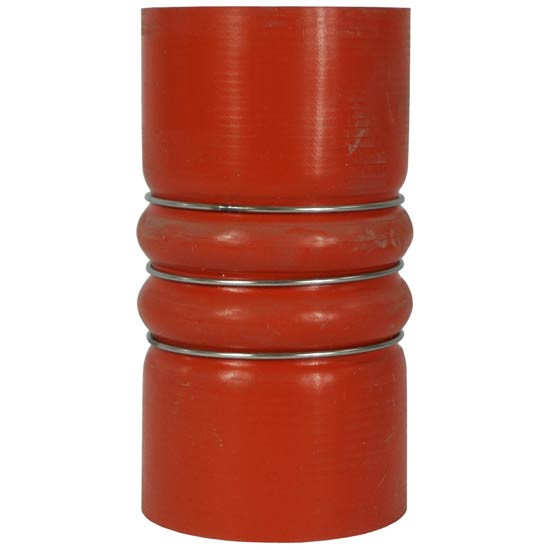
BESTfit 3 ID X 6 Inch 4 Ply Nomex Hot Side Coupler Hump Hose
BESTFIT TRUCK PARTS
$38.57BESTfit High Temperature Coupler HoseThis silicone 4 ply and 6 inch long hump hose is made of a flexible silicone rubber shaped like a hump or a wave. It is used to connect two 3 inch ID pipes or...09-070106- SKU:
- 09-070106
- Truck Class:
- Heavy Duty
- Make:
- Universal Items
- Product Type:
- Engine Parts
$38.57Qty in Cart: 0Price:$38.57Subtotal: -
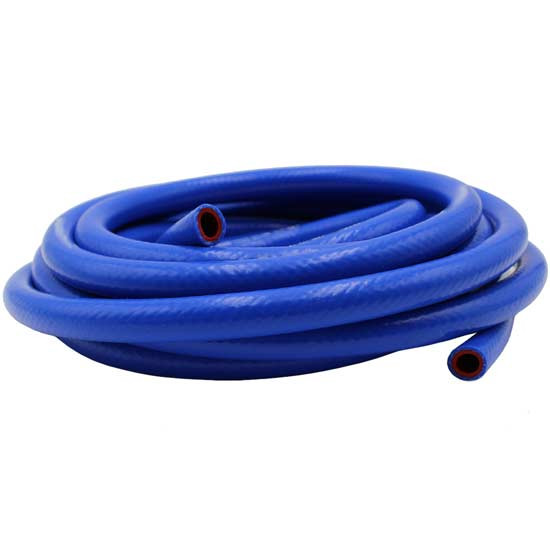
BESTfit Blue Silicone Heater Hose - 0.625 Inch ID X 25 Feet
BESTFIT TRUCK PARTS
$71.99BESTfit Blue Silicone Heater Hose - 0.625 Inch ID X 25 Foot* High Quality Heater Hose* Made Of Silicone* Blue* Dimensions: - 0.625 Inch ID - 25 Feet* Sold Individually* Warranty On Heater Hose...09-070200005- SKU:
- 09-070200005
- Truck Class:
- Universal
- Make:
- Universal Items
- Product Type:
- Engine Parts
- Ready To Ship:
- Yes
$71.99Qty in Cart: 0Price:$71.99Subtotal: -

BESTfit Blue Silicone Heater Hose - 0.25 Inch ID X 25 Feet
BESTFIT TRUCK PARTS
$55.99BESTfit Blue Silicone Heater Hose - 0.25 Inch ID X 25 Foot* High Quality Heater Hose* Silicone * Blue * 0.25 I.D. * 25 Feet * Sold Individually * Warranty On Heater Hose Against Defects In...09-070200002- SKU:
- 09-070200002
- Truck Class:
- Heavy Duty
- Make:
- Universal Items
- Product Type:
- Engine Parts
$55.99Qty in Cart: 0Price:$55.99Subtotal: -
FREE SHIPPING OVER $249

BESTfit Coolant Hose 90 Degree
BESTFIT TRUCK PARTS
$78.99BESTfit Coolant Hose 90 Degree* High Quality Coolant Hose* 90 Degree* 2.5 Inch ID x 10 Inch* 2.920 Inch OD* Tighter Bend Radius Than Most Other Elbows* Temeperature Range Is -65F To +350 F Degrees*...09-0702044- SKU:
- 09-0702044
- Truck Class:
- Heavy Duty
- Make:
- Universal Items
- Product Type:
- Engine Parts
$78.99Qty in Cart: 0Price:$78.99Subtotal: -
FREE SHIPPING

BESTfit Coolant Flex Hose Heavy Duty Silicone 2.5 ID X 36 Inch
BESTFIT TRUCK PARTS
$452.99BESTfit 2.50 ID X 36 Inch Heavy Duty Silicone Coolant Flex Hose* High Quality Silicone Coolant Hose* 2.50 Inch Inside Diameter - 64MM* 2.92 Inch Outside Diameter - 74MM* 36 Inches Length* 6 Inch Bend...09-0702045- SKU:
- 09-0702045
- Truck Class:
- Heavy Duty
- Make:
- Universal Items
- Product Type:
- Engine Parts
- Ready To Ship:
- Yes
$452.99Qty in Cart: 0Price:$452.99Subtotal: