



Peterbilt 352 Roof Trim
Upgrade your interior with Peterbilt 352 aftermarket roof trim from 4 State Trucks. We have a great selection of custom, chrome, and aftermarket roof add-ons. Shop for speaker covers, additional lighting, and more at 4 State Trucks.
- Product
- Qty in Cart
- Quantity
- Price
- Subtotal
-
FREE SHIPPING OVER $249

Above Door Dome Light Kit Stainless Steel W/ 2 17 LED Double Fury Watermelon Lights For Kenworth & Peterbilt
UNITED PACIFIC
$105.99Choose Option(s) to see description.Fitment* Fits Kenworth Cabover 1961 thru 2002* Fits Kenworth K100 1963 thru 1967* Fits Kenworth K100C 1968 thru 1983* Fits Kenworth K100E 1984 thru 2002* Fits...PPR_301013- SKU:
- PPR_301013
- Color:
- Amber/Blue
- Color:
- Red/Blue
- Style Options:
- Watermelon
- Light Options:
- With Lights
- Material Options:
- Stainless Steel
- Color:
- Amber/Green
- Size Options:
- 18 Gauge
- Width Options:
- 5 Inch
- Color:
- Red/Green
- Color:
- Amber/Red
- Location:
- Made In USA
- Color:
- Red/White
- Color:
- Amber/White
- Length Options:
- 11 Inch
- Product Type:
- Interior
- Make:
- Kenworth
- Make:
- Peterbilt
$105.99Qty in Cart: 0Price:$105.99Subtotal: -
FREE SHIPPING OVER $249

Above Door Stainless Steel Dome Light For Kenworth & Peterbilt
UNITED PACIFIC
$34.41Stainless Steel Above Door Dome Light* High Quality Dome Light Plate* Made Of 18 Gauge 304 Stainless Steel* Polished Shine Finish* For Interior Cab And Sleeper Dome Light Installation* Has Cutouts...29-1550028- SKU:
- 29-1550028
- Finish Options:
- Polished
- Product Type:
- Interior
- Length Options:
- 11 Inch
- Size Options:
- 18 Gauge
- Light Options:
- Without Lights
- Material Options:
- Stainless Steel
- Style Options:
- Watermelon
- Width Options:
- 5 Inch
- Make:
- Kenworth
- Make:
- Peterbilt
$34.41Qty in Cart: 0Price:$34.41Subtotal: -
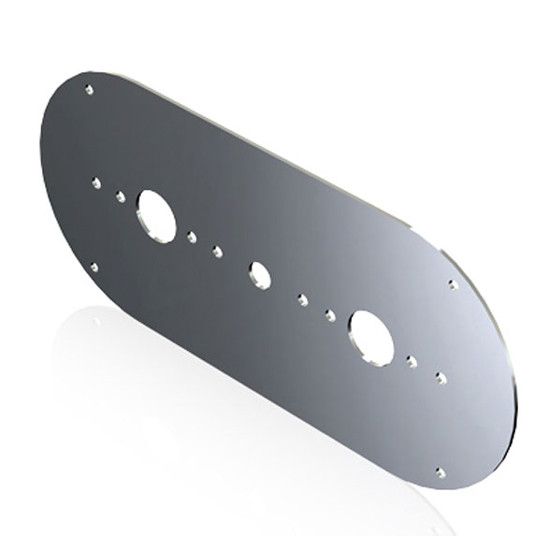
Turnpike Truck Trim Sleeper Dome Light Panel With Two Watermelon Light Holes And One Switch Hole For Peterbilt
TURNPIKE TRUCK TRIM
$83.99Replacement Peterbilt Sleeper Dome Light Panel With Two Watermelon Light Holes And One Switch Hole* High Quality Light Panel* Has Cutouts For: - (2) Watermelon Light Holes - (1) Switch Hole* For...01-155000007- SKU:
- 01-155000007
- Product Type:
- Interior
- Make:
- Peterbilt
- Ready To Ship:
- Yes
$83.99Qty in Cart: 0Price:$83.99Subtotal: -

Green 211-2 Dome Type 6 LED Light Bulbs
GRAND GENERAL
$12.06LED Dome Light Bulbs 6 Diodes* High Quality Dome Light* 6 Diode* Green* 12 Volt* Dome Type * Sold As Pair* Warranty On Dome Lights Against Defects In Workmanship & Material From Date Of Purchase***...09-160104215- SKU:
- 09-160104215
- Material Options:
- Plastic/Poly
- Truck Class:
- Universal
- Make:
- Universal Items
- Product Type:
- Lighting
$12.06Qty in Cart: 0Price:$12.06Subtotal: -

Chrome Sleeper Bunk Light Attachment Plate - 3 Hole
LIFETIME NUT COVERS
$123.99Rear Sleeper Light Attachment Plate By Lifetime Nut CoversThe Sleeper Bunk Light Adapter is a versatile solution that enables you to easily replace the lights on the back of your sleeper with any...09-160200330- SKU:
- 09-160200330
- Location:
- Made In USA
- Truck Class:
- Universal
- Make:
- Universal Items
- Finish Options:
- Chrome-Plated
- Material Options:
- Billet Aluminum
- Product Type:
- Interior
$123.99Qty in Cart: 0Price:$123.99Subtotal: -
FREE SHIPPING OVER $249
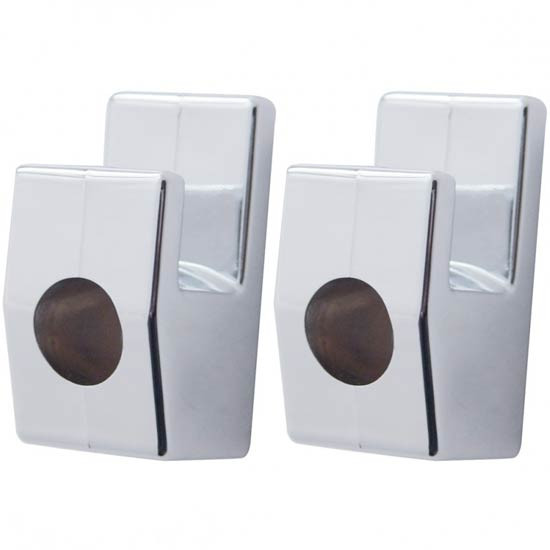
Chrome Sleeper Curtain Hook For Peterbilt
UNITED PACIFIC
$6.85Sleeper Curtain Hook Fits PeterbiltDo you want to put curtains up in your semi truck sleeper? This pair of curtain hooks will help you easily add privacy to your space. They are made of chrome-plated...01-1540000- SKU:
- 01-1540000
- Truck Class:
- Heavy Duty
- Material Options:
- Plastic/Poly
- Make:
- Peterbilt
- Finish Options:
- Chrome-Plated
- Product Type:
- Interior
$6.85Qty in Cart: 0Price:$6.85Subtotal: