



Seasonal Semi Truck Maintenance Checklist
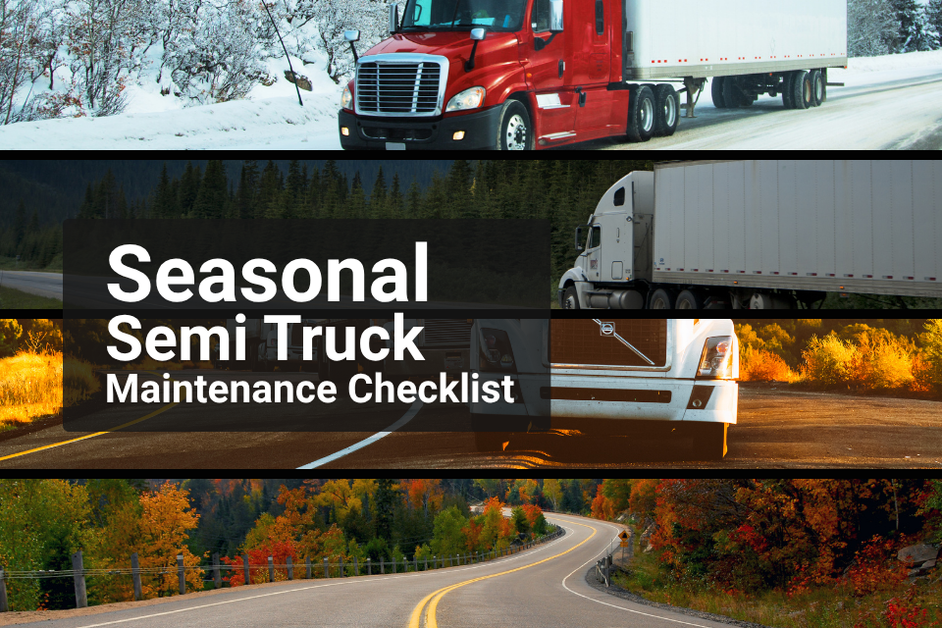
Freezing winter weather temperatures, heavy snow, ice, and road salt take an unseen toll on your semi truck.
Corrosion directly affects your semi truck brakes, electrical terminals, suspension mounts, and hundreds of other components within your big rig.
Three main keys to maintaining your truck all throughout the year.
1. Year-Round Critical System Inspections
Changing temperatures expose different vulnerabilities. Inspect these core components constantly:
| System | Key Components | Warning Signs to Look For |
|---|---|---|
| Brakes & Air Systems | Pads, drums, chambers, slack adjusters, air tanks | Thin material, slow air-pressure buildup, moisture in the air tanks, or frozen gladhands. |
| Engine Bay & Fluids | Belts, hoses, radiator, coolant, oil | Spongy or brittle hoses, rust-colored coolant, cracked belts, or loose plastic connectors. |
| Steering & Suspension | Tie rods, leaf springs, air bags, U-bolts | Uneven tire wear, cracked rubber boots, or bent hardware from pothole impacts. |
| Electrical | Batteries, alternator, wiring harnesses | Green corrosion on terminals, frayed insulation, or slow starter cranking. |
| Tires & Wheel Ends | Steer/drive tires, lug nuts, hub seals | Tread depth below minimums, sidewall bulges, or lubricant leaking around the wheel end. |
2. Seasonal Priorities
Spring: Corrosion Recovery
Winter moisture and road salt aggressively attack the undercarriage. Spring is the time to reverse the damage before rust sets in.
- Undercarriage Wash: Thoroughly wash road salt from frame rails, crossmembers, battery boxes, and fuel tank brackets. Look for bubbling paint or deep pitting.
- Air System Purge: Winter moisture damages air brake parts. Check the air dryer and purge valve for rust, and ensure the dryer is adequately removing moisture.
- Component Replacement: Inspect your pre-filters and air cleaners.
Summer: Extreme Heat Management
Hot summer temperatures demand peak performance from your engine's cooling system, HVAC, and tires.
- Cooling System: Use a pH-level test strip to check coolant concentration. Inspect the radiator and Charge-Air Cooler (CAC) fins. Clean out bugs and road debris with low-pressure air.
- Tire Heat: Extreme heat increases tire pressure and weakens rubber. Check tire pressure only when tires are cold, and inspect dual tires to ensure proper spacing so they do not rub and generate friction.
- Electrical Load: Load-test batteries and test alternator output. Running the A/C, lights, and sleeper equipment simultaneously puts heavy strain on the charging system.
Fall: Preparation for the Freeze
Fall is the time to remove moisture, find leaks, and repair worn parts before freezing weather locks them up.
- Battery Output: Cold air drastically reduces battery cranking power. A fully charged 12-volt battery should read close to 12.6 volts resting. Clean terminals and apply protectant.
- Traction & Visibility: Check tread depth on steer and drive tires. Replace wiper blades, fill the washer reservoir with freeze-resistant fluid, and test the defroster.
- Air System Prep: Drain all air tanks to remove collected water and oil. If water freezes inside the lines during winter, your brakes will fail to release.
Winter: Freeze Prevention
Sub-zero temperatures directly affect diesel fuel, battery output, and air systems.
- Fuel Gelling: Use winter-blend diesel and apply anti-gel treatments. Keep the fuel tank at least half full to prevent condensation, and carry spare fuel filters.
- Tire Chains: Inspect chain links, hooks, cams, and tensioners. Ensure they are legally compliant for your route and easily accessible.
- Block Heaters & Insulation: Test block heater operation and inspect the cord. Consider installing universal-fit winterfronts to help the engine reach operating temperature faster.
3. Recommended Inspection Schedule
Do not rely on the annual DOT check to catch structural or mechanical failures.
Maintain a strict routine:
- Pre-Trip & Post-Trip: (Federally required) Daily checks of tires, lights, and air leaks.
- Weekly: Drain air tanks, check fluid levels, and inspect belts.
- Monthly: Deep-dive into suspension mounts, wiring harnesses, and battery health.
- Service-Interval: Oil changes, filter replacements, and scheduled preventative maintenance (PM).
Spring Semi Truck Maintenance
Wash and Inspect the Truck Undercarriage
Wash the road salt from the truck’s undercarriage, including the frame rails, crossmembers, axles, suspension parts, battery boxes, fuel tanks, and brake components.
Clean the Engine Bay
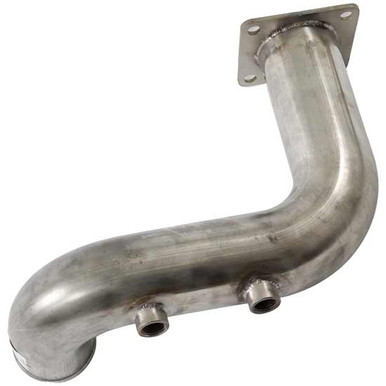
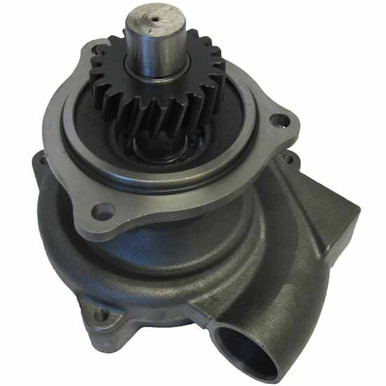
Remove dirt, oil, salt, and debris around the engine, radiator, hoses, wiring, and fluid reservoirs. Then look for fresh leaks, loose wires, cracked hoses, or damaged belts.
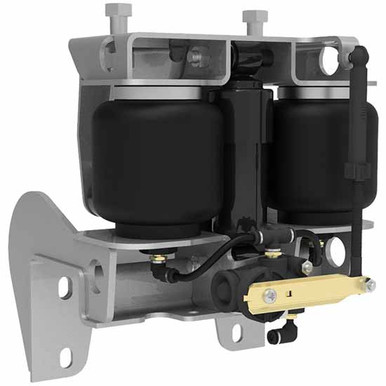
Inspect for rust or corrosion across the frame rails, crossmembers, fasteners, suspension mounts, battery boxes, fuel tank brackets, and brake parts. Look for bubbling paint, flaking metal, deep pitting, cracks, or holes.
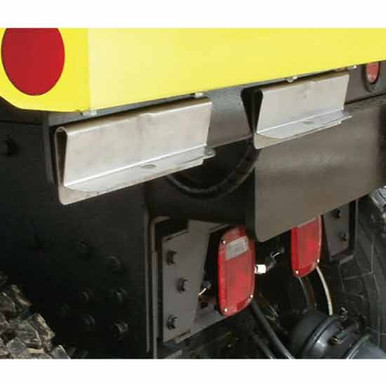
As a safety check, look at the step plates, mounting brackets, mudflap hangers, and tractor trailer supports for any bent metal, missing bolt-on hardware, or heavy corrosion that leads to brittle pieces breaking apart.
Inspect the Brake and Air System
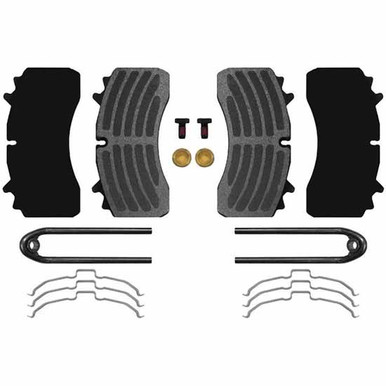
Winter moisture, salt, and freezing weather can damage air brake parts. Check the system in spring before small problems grow worse.
Check Steering and Suspension Components
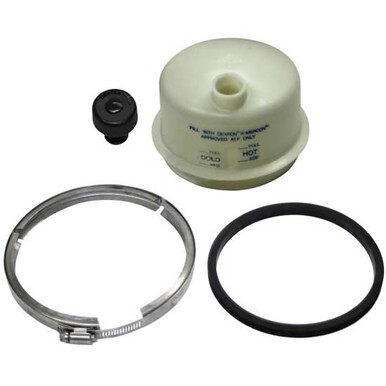
Winter potholes, salt, and moisture often damage steering and suspension parts.
Repair loose, cracked, or leaking parts before they affect steering control, ride stability, or tire life.
Test Batteries and Electrical Connections
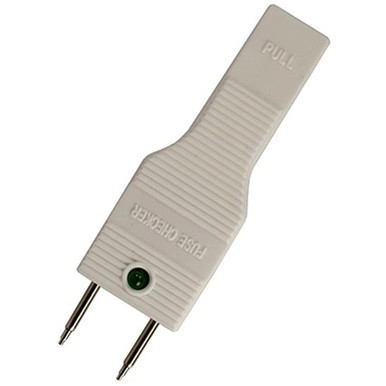
Load-test each battery: Test batteries separately to confirm they hold a charge and provide enough starting power.
Clean terminals and cable ends: Remove corrosion, reconnect the cables securely, and apply terminal protectant.
Inspect grounds and wiring: Look for loose grounds, frayed wires, cracked insulation, exposed copper, and damaged harnesses.
Check connectors and junction boxes: Open accessible boxes and inspect for moisture, green corrosion, loose pins, or burned terminals.
Test the alternator: Confirm the charging system keeps the batteries charged while lights, A/C, and other accessories run.
Test the starter: Listen for slow cranking, clicking, grinding, or delayed engagement.
Check the trailer connection: Inspect the electrical pigtail, plug, socket, and pins. Test all trailer lights and ABS signals.
Prepare the Air Conditioning System
Test cooling performance: Run the A/C and confirm cold air reaches the cab and sleeper.
Inspect the compressor belt: Look for cracks, fraying, glazing, or looseness.
Check refrigerant pressure: Low pressure often points to a leak or low refrigerant.
Inspect hoses and fittings: Look for cracks, oil stains, loose connections, or refrigerant leaks.
Test the blower motor: Make sure every fan speed works without weak airflow or unusual noise.
Replace the cabin air filter: Install a new filter when airflow drops or the filter looks dirty.
Clean the condenser: Remove dirt, bugs, and debris so air moves freely through the fins.
Inspect Tires, Wheels, and Wheel Ends
Spring Semi-Trailer Inspection
Summer Semi Truck Maintenance for Extreme Heat

Hot summer temperatures demand more from your truck’s engine cooling system, especially your cab’s HVAC and battery.
Here’s what you need to inspect in the summer season.
Inspect the Engine Cooling System
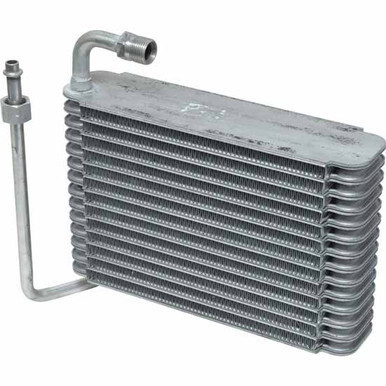
While parked on level ground, look at the translucent coolant reservoir or surge tank. Confirm the coolant sits between the MIN and MAX marks. Rust-colored coolant indicates corrosion, while oily film might indicate that oil is getting mixed with the coolant.
Use a simple pH-level test strip to check the coolant concentration. See if it matches the manufacturer’s specifications.
Do not mix tap water with the coolant. Avoid mixing different coolants together as well.
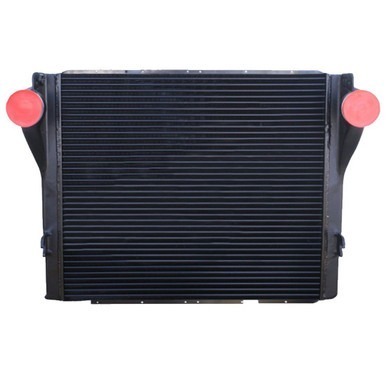
Clean the Radiator & Charge-Air Cooler (CAC)
Check for Coolant Leaks
Inspect under the truck before startup and again after the engine reaches operating temperature.
Wet spots, colored residue, sweet-smelling vapor, low coolant warnings, or frequent coolant top-offs can point to a coolant leak.
Service the Semi Truck HVAC System
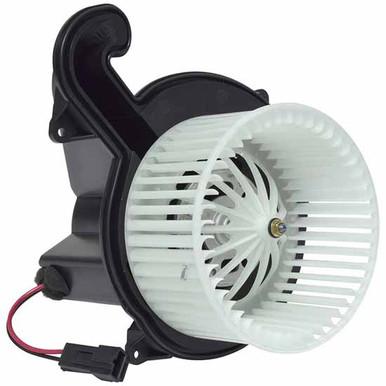
- Test A/C vent temperature.
- Inspect compressor, clutch, belts, hoses, and fittings.
- Listen for blower motor noise.
- Replace dirty cabin air filters.
- Inspect bunk HVAC and auxiliary cooling systems.
- Check APU performance.
- Clean the condenser and evaporator where applicable.
Inspect Belts, Hoses, and Engine Components
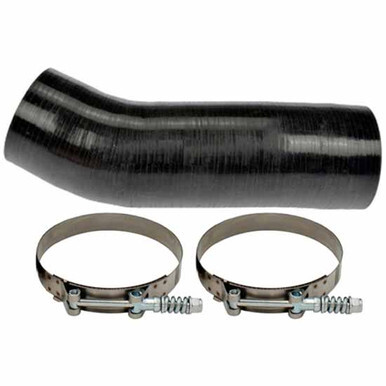
Check the Hoses
Squeeze each accessible hose with the engine cold. Inspect the full hose, especially near clamps, bends, and heat sources.
A healthy hose should feel firm and flexible.
Extreme softness might indicate internal deterioration.
Hardening often signals heat aging.
Inspect Clamps and Fittings
Check every visible hose connection. Pay close attention to the clamp, fitting, connector, and the section of hose directly around each connection.
Test Batteries, Alternator, and Electrical Loads
The Summer heat puts added stress on the charging system.
Check the following:
- Load-test the batteries to confirm they hold enough power for starting and accessory use.
- Inspect battery cables, terminals, and grounds for corrosion, looseness, or damaged insulation.
- Test alternator output with accessories running, including the A/C, lights, inverter, refrigerator, and sleeper equipment.
- Check the APU and cab accessories for weak power, blown fuses, overheating, or frequent shutdowns.
- Inspect ELDs, sensors, wiring, plugs, and connectors for heat damage.
- Replace wiring with brittle insulation, exposed copper, melted plugs, or burned terminals.
Check Tires for Heat-Related Damage
Extreme heat can increases tire pressure and weaken rubber that has been rubbed thin from wear and tear:
- Check tire pressure before driving, while tires are cold.
- Inspect tread and sidewalls for cuts, bulges, cracks, separation, or exposed cords.
- Confirm dual tires have proper spacing and do not rub.
- Check valve stems and caps for leaks or damage.
- Inspect hubs and wheel ends for excess heat, leaks, or discoloration.
- Look for uneven tread wear linked to axle misalignment or worn suspension parts.
Replace damaged tires before high temperatures and heavy loads increase blowout risk.
Replace Fluids and Filters
Heat and heavy use place extra strain on engine, fuel, steering, and emissions systems.
- Check engine oil level and replace the oil and filter when due.
- Replace dirty or restricted engine air filters.
- Replace fuel filters and drain water from the fuel-water separator.
- Check transmission and power steering fluid levels and condition.
- Check DEF level and look for contamination, leaks, or aftertreatment warning lights.
Low fluid levels, clogged filters, or contaminated DEF often means poor engine performance, overheating, hard starts, or engine derates.
Reduce Summer Fuel Consumption
High heat increases fuel use by raising the A/C demand of the rig.
The engine and the battery works harder.
Here’s how to lower fuel consumption:
- Keep tires properly inflated to reduce rolling resistance.
- Check for dragging brakes – this forces the engine to work harder.
- Service the APU, generator, and idle-reduction equipment so the main engine does not run during long stops.
- Repair loose or damaged fairings, side skirts, roof deflectors, and trailer tails that increase air drag.
- Shut down the engine during extended stops when safe and practical.
- Check engine fault codes for sensor, fuel, turbo, or emissions problems affecting efficiency.
- Inspect the cooling system if the engine runs too often, since frequent fan operation increases fuel use.
Summertime Semi-Trailer Inspection
Inspect Trailer Tires
Check tire pressure before driving, while the tires are cold. Inspect the tread and sidewalls for cracks, bulges, cuts, separation, or exposed cords. Look for uneven wear caused by poor alignment, low pressure, or worn suspension parts.
Test All Trailer Lights
Confirm the brake lights, taillights, turn signals, clearance lights, and marker lights work properly. Clean dirty lenses and replace damaged lights, plugs, or wiring before departure.
Inspect Wiring and Electrical Connections
Check the trailer electrical cord, socket, junction boxes, wiring harnesses, and grounds. Look for loose connections, corrosion, exposed wires, brittle insulation, or melted plugs caused by heat.
Check Brake Air Lines and Gladhands
Inspect air hoses for cracks, chafing, leaks, or soft areas. Check gladhand connectors and seals for damage. Confirm the connections fit tightly and do not leak air.
Inspect Suspension and Wheel Ends
Check leaf springs, air bags, shocks, bushings, U-bolts, and mounting brackets for cracks, leaks, or loose hardware. Inspect wheel hubs and seals for lubricant leaks, overheating, or unusual noise.
Check Aerodynamic Equipment
Inspect side skirts, trailer tails, mudflaps, and mounting brackets. Tighten loose hardware and repair damaged panels. Loose aerodynamic parts increase drag and might detach while driving.
Test Reefer Units Before Loading
Run the refrigeration unit before loading temperature-sensitive freight. Confirm the unit reaches and holds the required temperature. Check fuel, battery condition, alarms, belts, hoses, and fluid levels.
Clean Reefer Cooling Components
Avoid the big price tag of a repair or replacement part. Simply remove the cooling components, give them a rinse off, and put them back in your truck.
Bugs and road debris can fly through the front grille and get lodged in your condenser and evaporator. If you don’t clean it, as the weather changes from hot to freezing and back again, the sludgy mess becomes like adhesive – hard to remove.
This blocks airflow and forces the reefer unit to work harder, use more fuel, and risk premature cooling failure!
Section 3: Fall Semi Truck Inspection Checklist
Fall Semi Truck Maintenance Before Cold Weather

The Top Takeaways:
- Change the engine oil.
- Inspect tires and tread depth.
- Check the braking system, including parts like the pads, disc rotors, and brake fluid levels.
- Test the battery capacity.
- Make sure your heater and defroster work before winter hits.
Inspect Tire Tread and Cold-Weather Traction
Fall brings shorter days, colder air, rain, wet leaves, frost, and sudden storms. These conditions make roads slick and harder to see.
- Check tread on steer, drive, and trailer tires.
- Look for cracks, cuts, bulges, or uneven wear.
- Check tire pressure often as temperatures drop.
- Inspect valve stems and caps for leaks or damage.
- Move tires only when wear and axle position support it.
- Check tire chains before winter.
- Make sure the chains fit the tire size.
Cold air lowers tire pressure. Low pressure causes faster wear and less grip on wet or icy roads.
Test the Battery and Charging System
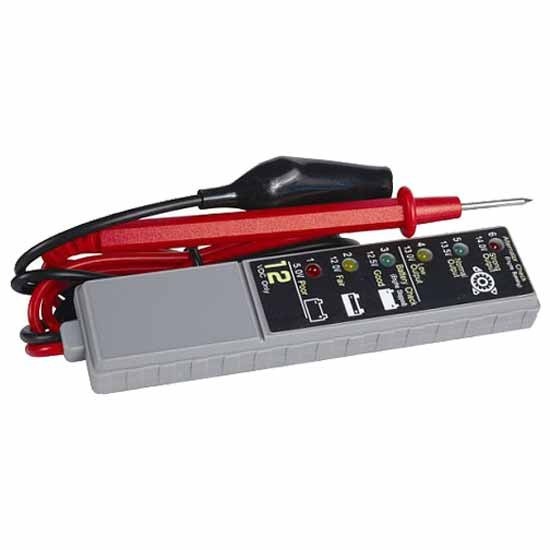
Check resting battery voltage: Turn off the engine and electrical accessories, then measure voltage with a multimeter. A fully charged 12-volt battery should read close to 12.6 volts. Test each battery separately in a multi-battery system.
Perform a battery load test: Apply a controlled electrical load to confirm the batteries still deliver enough cranking power. Replace batteries that fail the test or lose voltage quickly.
Test alternator output: Start the engine and measure charging voltage. Turn on the headlights, heater fan, defroster, and other accessories to confirm the alternator keeps up with winter electrical demand.
Inspect cables and grounds: Check battery, starter, alternator, and ground cables for corrosion, looseness, fraying, cracked insulation, or heat damage.
Clean the terminals: Remove corrosion from battery posts and cable ends. Apply terminal protectant after reconnecting them.
Tighten all connections: Loose terminals and ground points create resistance, slow cranking, and charging problems.
Replace weak batteries before winter: Pay close attention to batteries near the end of their service life or trucks showing slow cranking, dim lights, or repeated low-voltage warnings.
Prepare the Cooling and Heating Systems
- Check coolant level.
- Test freeze protection.
- Inspect radiator and reservoir.
- Inspect hoses, clamps, and fittings.
- Test cab heater and defroster.
- Inspect bunk heater.
- Check heater control valves.
- Clean radiator debris.
Relevant terms: semi truck coolant freeze protection, truck heater inspection, defroster maintenance, winter coolant test
Inspect the Disc Brake and/or Air Brake System
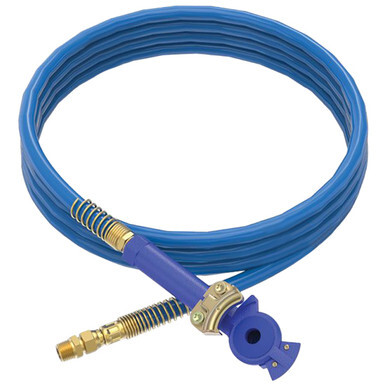
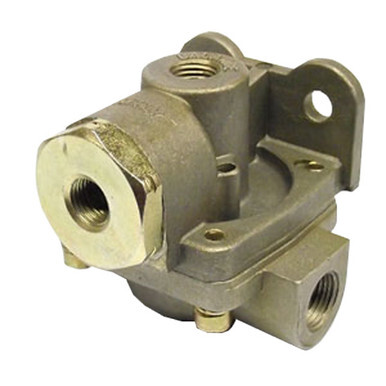
Fall is the time to remove moisture, find leaks, and repair worn brake parts before freezing weather affects braking performance.
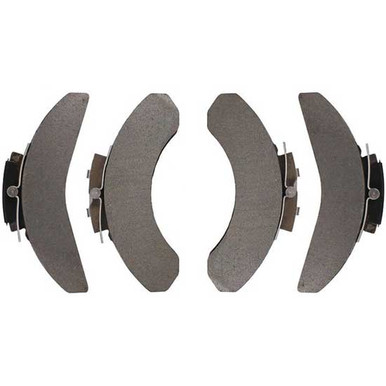
Check brake lining thickness: Make sure pads or shoes have enough material left and wear evenly.
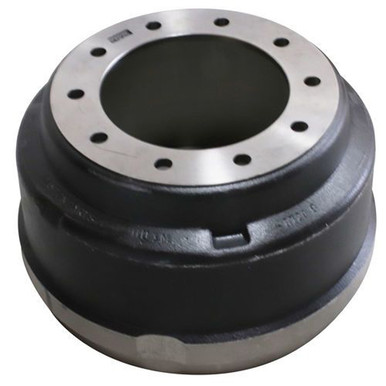
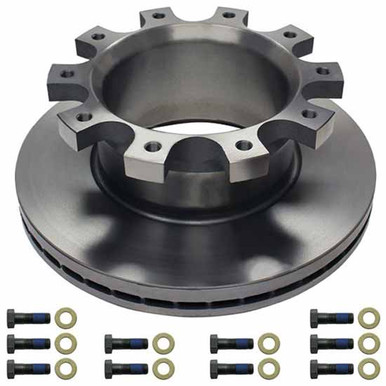
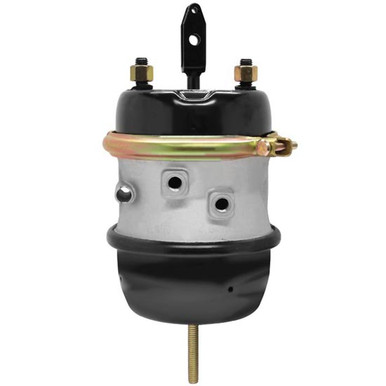
Inspect drums, rotors, and brake chambers: Look for cracks, heat damage, leaks, corrosion, or loose parts.
Test air-pressure buildup: Confirm the system reaches normal operating pressure within the truck manufacturer’s required time.

Perform an air-leak test: Listen for leaks and watch the pressure gauges for an excessive pressure drop.
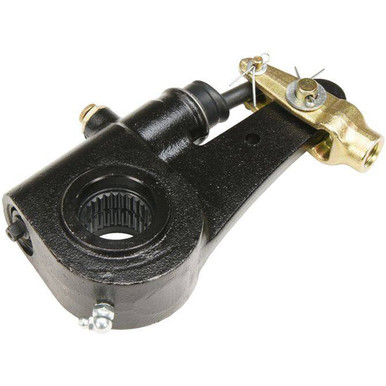
Inspect slack adjusters: Check for free movement, proper adjustment, and damaged or missing hardware.
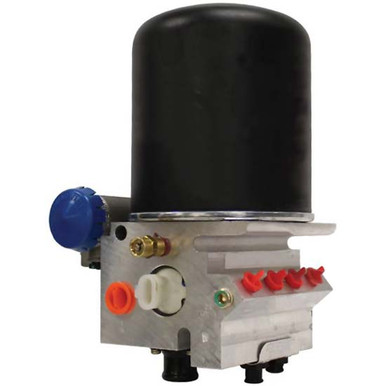
Check the air dryer: Inspect the cartridge, purge valve, fittings, and housing for leaks, corrosion, or overdue service.
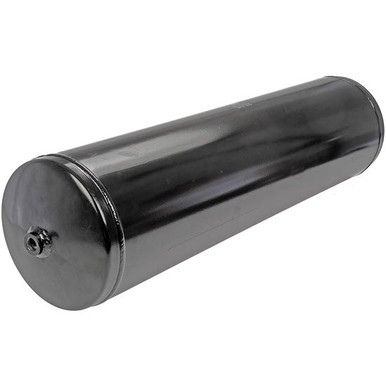
Drain the air tanks: Remove collected water and oil before cold temperatures freeze moisture inside the system.
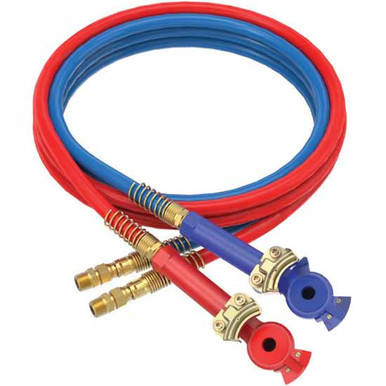
Inspect gladhands and trailer air lines: Check seals, hoses, and fittings for cracks, chafing, loose connections, or air leaks.
Watch for excess moisture: Frequent water in the tanks often points to a weak air dryer or another air-system problem.
Repair leaks and moisture problems before winter. Water inside air lines, tanks, or valves might freeze and cause slow, uneven, or failed brake operation.
Improve Lighting and Visibility

- Test headlights, high beams, brake lights, turn signals, hazards, clearance lights, and marker lights.
- Clean lenses, reflectors, and reflective tape so they stay bright and visible.
- Replace cracked, cloudy, or damaged light lenses.
- Replace wiper blades that streak, skip, or leave wet areas.
- Fill the washer reservoir with freeze-resistant fluid.
- Clean the windshield and mirrors, then check for cracks or damage.
- Test the heater and defroster to confirm warm air clears fog, frost, and ice from the windshield.
Replace failed lights, weak windshield wiper motor blades, or a malfunctioning defroster before colder weather reduces visibility.
Service Fluids and Filters
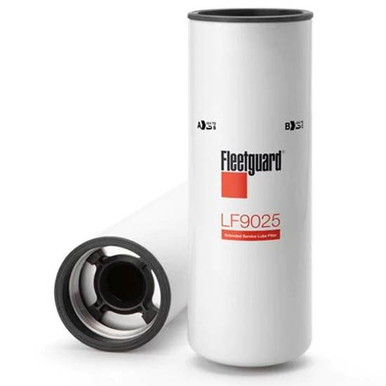
Change the engine oil and filter when due: Check the mileage, engine hours, and service date. Use the oil grade approved for the engine and expected winter temperatures. Check the dipstick after service and inspect for leaks around the filter and drain plug.
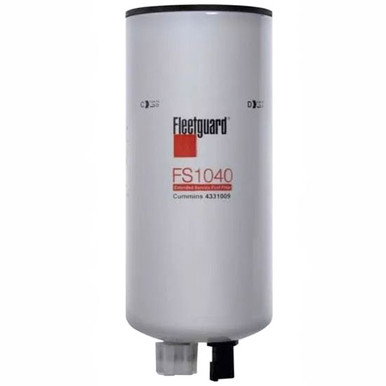
Replace the fuel filters: Install new primary and secondary fuel filters if they are near their service interval. Restricted filters reduce fuel flow and increase the risk of hard starts or power loss during cold weather.
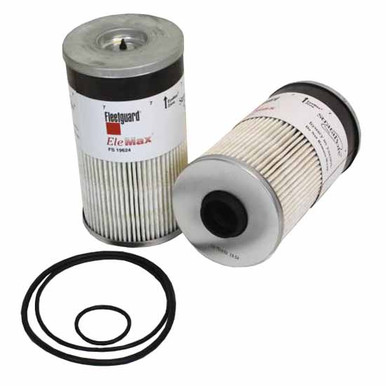
Drain the fuel-water separator: Open the drain valve and remove collected water until clean fuel appears. Water inside the fuel system promotes corrosion and might freeze during winter.
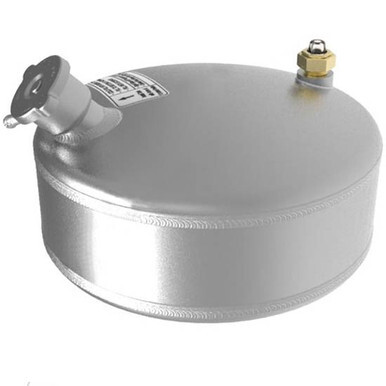
Check coolant and antifreeze: Inspect the coolant level, color, and condition with the engine cold. Test the freeze-protection level with a refractometer or approved test strip. Use only the coolant type specified by the engine manufacturer.
Inspect transmission fluid: Check the fluid at the temperature and engine condition listed by the manufacturer. Look for low fluid, leaks, a burnt smell, dark color, or metal debris.
Inspect power steering fluid: Check the reservoir level and inspect hoses, fittings, and the steering pump for leaks. Foamy or discolored fluid might point to contamination or air entering the system.
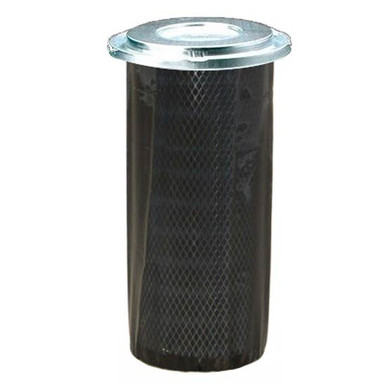
Replace a dirty engine air filter: Inspect the restriction indicator and filter condition. Replace the filter when restricted, damaged, wet, or heavily contaminated. Do not replace it based only on surface dust.
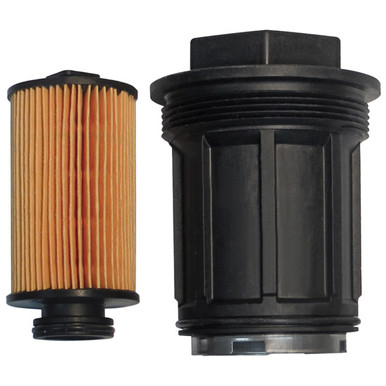
Check the DEF system: Fill the DEF tank and inspect the cap, tank, lines, pump area, and connectors for leaks, damage, or dried white residue. Address DEF, SCR, or aftertreatment warning lights before winter.
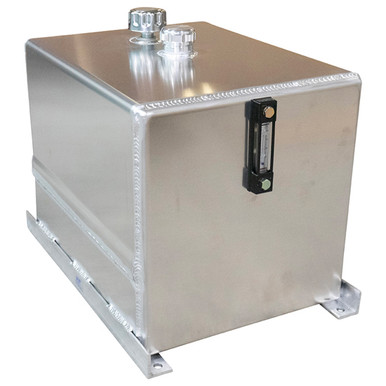
Inspect auxiliary hydraulic fluids: Check fluid levels and condition in wet kits, liftgates, dump systems, and other hydraulic equipment. Inspect cylinders, pumps, hoses, reservoirs, and fittings for leaks or damage.
Restock Spare Parts and Emergency Supplies
- Spare fuel filters
- Belts and hose clamps
- Fuses and bulbs
- Gladhand seals
- Wiper blades
- Electrical connectors
- Engine oil and coolant
- DEF
- Cold-weather washer fluid
- Flashlight and batteries
- Warm clothing and blankets
- Reflective triangles
- First-aid supplies
- Updated roadside-assistance information
Perform a Full Semi-Trailer Inspection
- Inspect trailer tires and wheel ends.
- Test all trailer lights.
- Check electrical pigtail and socket.
- Inspect brakes, chambers, gladhands, and air lines.
- Examine suspension and air bags.
- Inspect landing gear before freezing conditions.
- Lubricate door hinges and locking hardware.
- Check trailer roof and seals for water intrusion.
Section 4: Winter Semi Truck Inspection Checklist
Winter Semi Truck Maintenance for Snow, Ice, and Freezing Temperatures
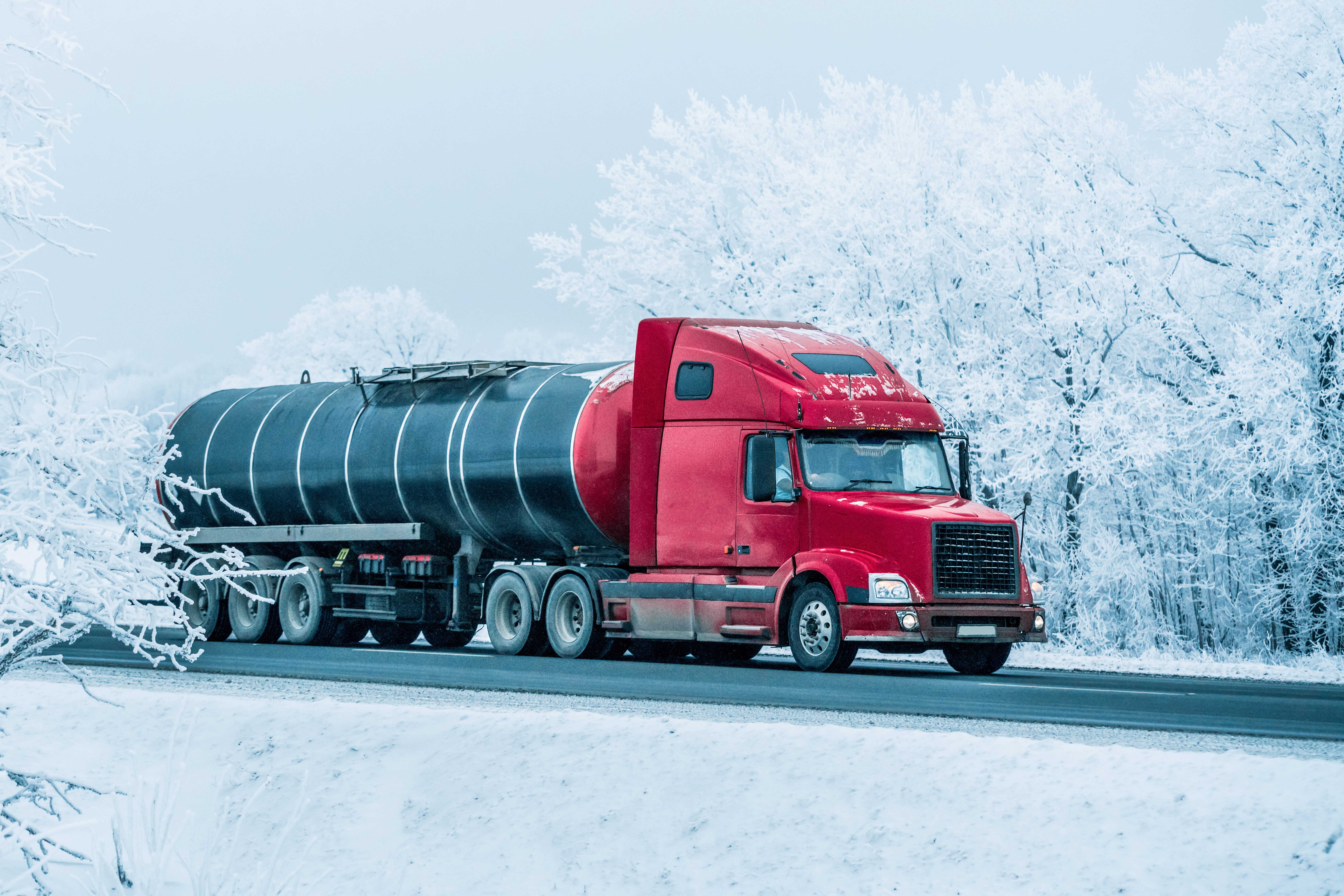
Sub-zero temperature ranges directly affect diesel fuel, battery output, air brakes, tires, fluids, visibility, and driver safety.
Winter weather takes a massive toll on virtually every part of a truck. This is where good preventative maintenance, the right winter-ready truck parts, and visual inspections pay off the most.
Inspect Tires and Carry Tire Chains
Prevent Diesel Fuel Gelling
Test the Battery, Starter, and Block Heater
Protect the Air Brake System From Freezing
Check Winter Fluids and Engine Protection
Inspect Lighting, Wipers, and Visibility Equipment
Prepare a Winter-Specific Emergency Kit
- Insulated coat, gloves, hat, and boots
- Blankets or sleeping bag
- Water and nonperishable food
- Flashlight and spare batteries
- First-aid kit
- Reflective triangles and emergency lights
- Portable battery pack
- Jumper cables
- Hand tools
- Tow or recovery strap
- Snow shovel
- Ice scraper
- Traction sand
- Spare fluids
- Spare belts, filters, fuses, and gladhand seals
- Phone charger
- Emergency contacts
Perform a Full Semi-Trailer Walkaround for Winter Prep
- Check trailer brakes for freezing or delayed release.
- Inspect air lines, gladhands, and seals.
- Test trailer ABS.
- Inspect tires, chains, wheels, and hubs.
- Check suspension air bags.
- Remove snow and ice from trailer lights and reflective tape.
- Inspect roof and door seals.
- Lubricate landing gear and door hardware.
- Test reefer fuel, battery, heater, and temperature controls.
Complete Tractor-Trailer Inspection Areas to Consider
| Inspection Area | Key Components |
|---|---|
| Brake System | Air lines, chambers, pads, shoes, drums, slack adjusters |
| Tire & Wheel Assembly | Pressure, tread, sidewalls, rims, lugs, hubs |
| Electrical System | Batteries, alternator, wiring, lights, connectors |
| Steering & Suspension | Tie rods, springs, air bags, shocks, U-bolts |
| Cooling & HVAC | Radiator, coolant, hoses, A/C, heater, defroster |
| Fuel & Emissions | Fuel filters, water separator, DEF, DPF, sensors |
| Coupling System | Fifth wheel, kingpin, gladhands, electrical pigtail |
| Trailer Structure | Frame, crossmembers, roof, floor, doors, landing gear |
| Safety Equipment | Fire extinguisher, triangles, tools, emergency kit |
Seasonal Inspection Frequency Schedule
Time certain inspections at certain intervals:
- Before every trip
- After every workday
- Weekly
- Monthly
- Before each season
- At manufacturer service intervals
- During the annual DOT inspection
Immediate Stop and Repair Warning Signs
Include defects requiring the owner-operator to stop operation:
- Active fuel leak
- Failed service brake
- Rapid air-pressure loss
- Exposed tire cords
- Flat or separating tire
- Loose wheel or missing lug nuts
- Broken steering component
- Unsecured fifth wheel
- Severe coolant leak
- Overheating engine
- Damaged suspension component
- Inoperative required lighting
- Trailer connection failure
- Structural frame damage
Seasonal-Specific Spare Parts for Owner-Operators
Spare Parts Worth Carrying in the Truck
- Fuel filters
- Gladhand seals
- Fuses
- Bulbs
- Wiper blades
- Belts
- Hose clamps
- Electrical connectors
- Air-line repair fittings
- Valve caps
Parts Worth Inspecting Before Each Seasonal Change
Give these parts a quick look over each season – especially after winter – and consider swapping them out with newer versions:
- Batteries
- Alternator
- Starter
- Radiator
- Water pump
- Air dryer
- Brake chambers
- Slack adjusters
- Wheel seals
- Hub bearings
- Suspension air bags
- A/C compressor
How to Document Seasonal Truck Maintenance
Keep a seasonal truck maintenance document with these columns:
- Truck and trailer unit numbers
- Date
- Mileage
- Engine hours
- Inspection category
- Component condition
- Defect description
- Repair priority
- Parts required
- Technician or driver
- Repair completion date
- Final signoff
Stay Prepared for the Road with 4 State Truck Parts
Keep your rig in top shape all year round with our durable replacement parts, systems upgrades, and chrome from 4 State Trucks in Joplin, Missouri.
Recent Posts
-
Chrome vs Stainless Steel Exhaust Stacks
 Wondering whether to purchase a stainless steel or chrome exhaust stack kit? Here's a breakdown of t …28th Sep 2026
 -
How to Source Semi Truck Parts Online
 Scambling for the right parts at the last minute can get costly. Here are the best tips to consider …25th Sep 2026
 -
Haul of Fame: J&L Contracting's Award-Winning Truck
 Kenworths: Never Satisfied & Devilish Ways When you talk about Midwest trucking, heavy hauling, and …17th Sep 2026
 -
Semi Truck Exhaust Systems: Parts, Materials, Fitment & Repair Guide
 How a Semi Truck Exhaust System Works A heavy-duty exhaust system has three main jobs: route burned …16th Sep 2026
 -
Diesel Truck Engine Maintenance Guide
 Semi truck engines can last up to one million miles, or more, before they need to be rebuilt or repl …4th Sep 2026
 -
How to Buy the Right Peterbilt 379 Radiator
 If you want to keep your diesel engine from overheating you need a well-functioning replacement Pete …28th Aug 2026
 -
10 Essential Cost-Per-Mile Truck Upgrades that Pay for Themselves
 Small aftermarket semi truck accessories and performance upgrades save more money over time than the …21st Aug 2026
 -
Haul of Fame: Richard Bonner’s 1996 Peterbilt 379 — Bringing a Classic Trucker’s Truck Back to Life
 Every truck has a story, but some are worth taking a closer look at. Richard Bonner’s 1996 Peterbilt …14th Aug 2026
 -
Surviving the Scale: How to Pass Your DOT Inspection & Avoid Crippling Fees
 DOT semi truck inspections can make anyone nervous. There are multiple levels that start from a quic …7th Aug 2026