
10 Essential Cost-Per-Mile Truck Upgrades that Pay for Themselves

Small aftermarket semi truck accessories and performance upgrades save more money over time than their upfront price suggests.
Here are 10 things that lead to cost-per-mile savings.
Trucking in 2026: The Financial Reality
The cost of everything has gone up, and that includes operating a truck.
The average cost per mile of running a truck is $2.26 per mile. Non-fuel costs are an average of $1.854 per mile.
Let’s say you drive 100,000 miles a year. That’s $226,000 dollars (on the low end)!
Large-scale fleets and owner-operators are having to manage heavy expenses like never before – squeezed between tighter margins and higher overhead costs (e.g., insurance, diesel, etc.)
Thow in a crushing, unexpected repair bill – and that’s the end of it. That’s the main reason why most beginner operators see a failure rate of 85%.
When it’s time to do a DIY repair, it’s nearly impossible on newer trucks.
Modern trucks, just like modern cars, have turned into computers with wheels, relying on complex array of interconnected sensors, ECMs, and emissions systems.
You’re left with a diesel mechanic shop; that’s not cheap.
Average of $134 per hour for labor alone.
With this maelstrom of business stressors, some owner-operators quit, opting for the steady bi-weekly paycheck that comes from working as a company driver.
Successful drivers ADAPT.
Here’s how.
5 Cost-Saving Habits of Thriving Owner Operators
Disciplined owner-operators commit to the following:
- Invest in the right aftermarket performance-based upgrades.
- Perform proactive maintenance.
- Leverage technology to stay organized.
- Track exact cost-per-mile.
- Refuse to accept payloads that do not guarantee a profit.
The 10 Best Cost-Per-Mile Aftermarket Upgrades for Owner-Operators
The best cost-per-mile upgrades help owner-operators spend less on fuel, maintenance, tire wear, and idle time.
Upgrades for Maintenance Reduction vs Fuel Savings
High-ROI options include:
- aerodynamic fairing
- slow rolling resistance tires
- APUs
- wheel covers
- fuel filtration
- preventive-maintenance upgrades
Choosing the Right Upgrades
The right investment depends on annual mileage, duty cycle, highway speed, idle hours, and how quickly the upgrade pays for itself.
#1. LED Lighting Upgrades

Swap out aging halogen lights for a new set of LED truck lights.
LEDs use less energy, but the stronger ROI comes from longer lamp life, fewer replacements, less maintenance labor, and fewer lighting-related failures on the road.
Legendary watermelon lights remain a versatile, powerful, and stylish lighting design that can be used in numerous areas of the truck: rooflights, rear/turn lights, sleeper marker lights, air breather lights, and more.
#2. Grease & Lubricant on High-Wear Parts
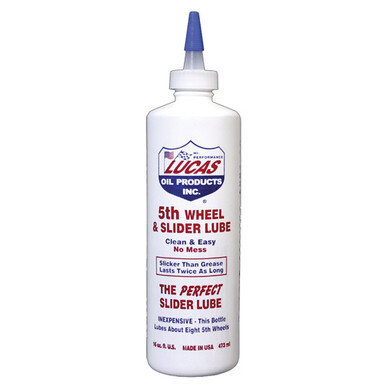
Any heavy-duty semi truck with manufacturer-specified grease points, especially high-mileage trucks exposed to repeated chassis, steering, suspension, fifth-wheel, or driveline wear.
Heavy-duty chassis grease is an underrated preventive-maintenance purchase.
Keeping specified high-wear components properly lubricated reduces friction, protects moving surfaces, and helps expensive truck parts last longer mile after mile.
#3. Trailer Skirts
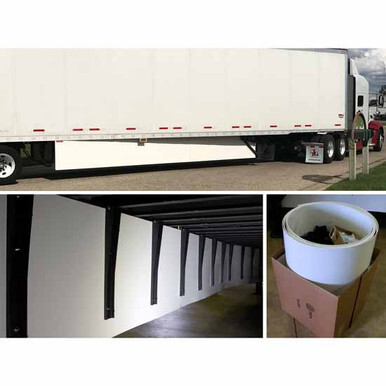
48-foot and 53-foot dry vans and reefers running at highway speeds.
Vocational, severe-duty, low-mileage, or primarily low-speed operations.
These are pretty standard across all Next-Gen semi truck models.
But for classic, vintage rigs like the Peterbilt 379 or a W900A Kenworth, you'll need to purchase a set of aftermarket fairings and mount them.
#4. Cab Extenders & Trailer Tail Fairings
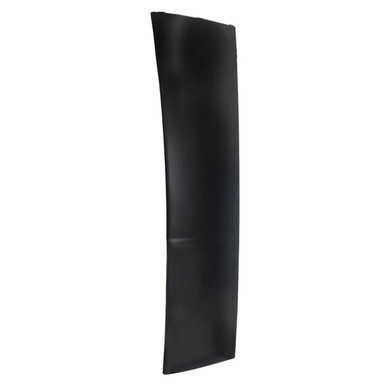
Long-haul tractor-trailer hookups running consistent highway routes.
Vocational dump trucks and low-speed applications that see limited highway wind drag.
Although a marginal improvement, these upgrades can pay for themselves after a year's worth of long-haul payloads.

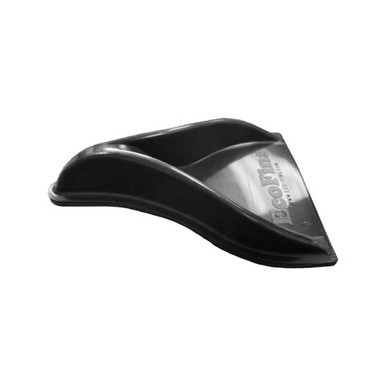
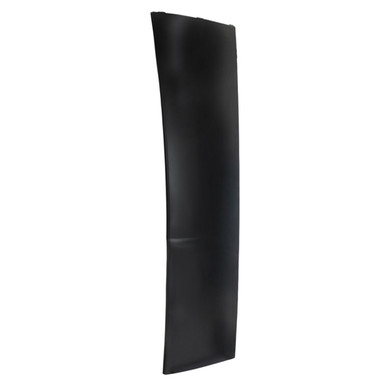
Most modern trucks are carefully engineered to have aerodynamic counters across all major contact points for wind breaks.
On classic rigs, however, you can add side fairings, lower front fairings, or at the rear cab or trailer.
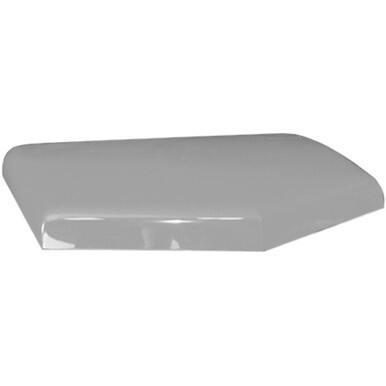
Low-roof sleepers, day cabs, and long-haul highway tractor-trailer setups.
Bobtail operation, flatbeds, tankers, low trailers, or vocational job site rigs.
Roof cap fairings are a go-to upgrade for old-school rigs that are still running payloads.
Modern, Next-Gen semi trucks are engineered to have maximum aerodynamic efficiency for minimal wind drag.
#6. Wheel Balancers (Centramatics)
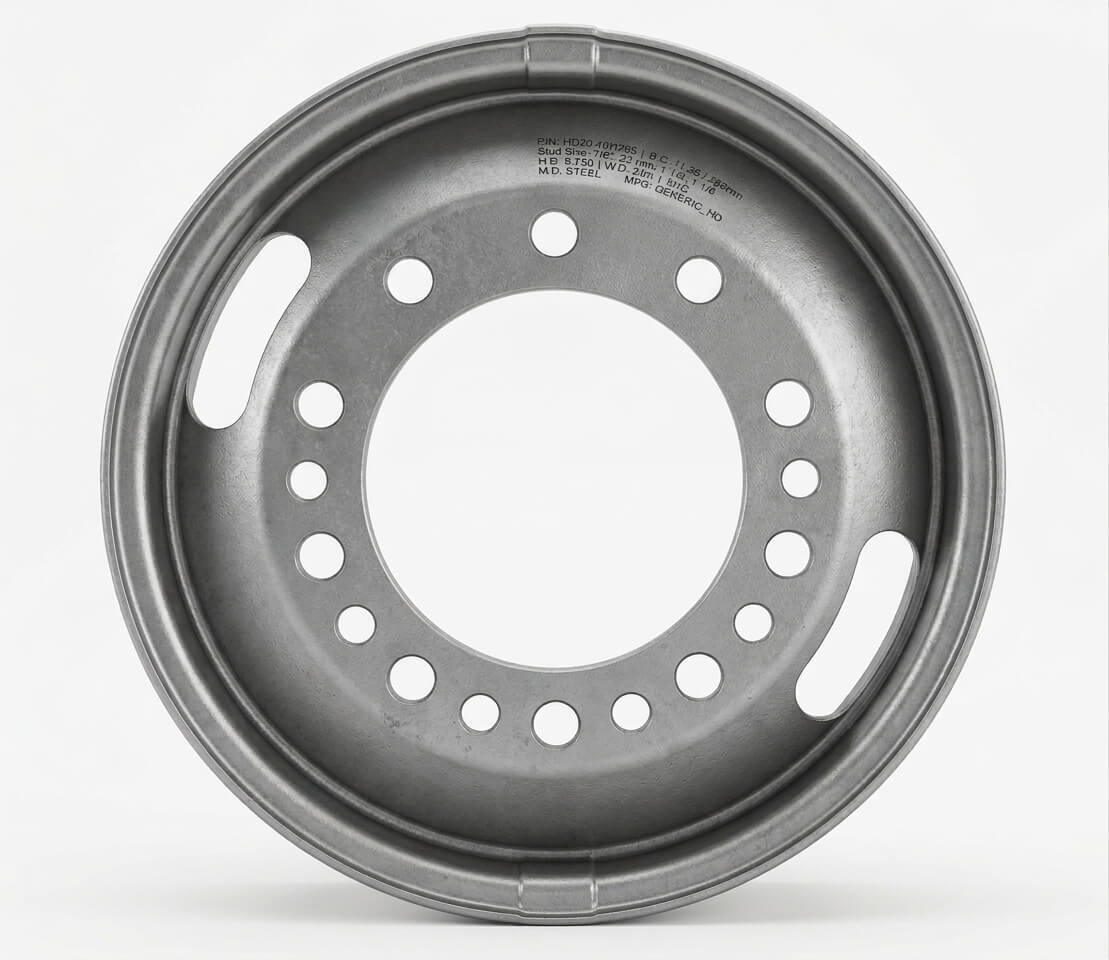
High-mileage trucks running expensive steer and drive tires.
Low-mileage trucks or trucks with tire wear caused mainly by alignment problems, worn suspension, incorrect inflation, or damaged wheel-end components.
Automatic wheel balancing rings directly attach to each wheel in order to continuously adjust the pressure while the wheels rotate.
This accessory helps reduce vibration and irregular tire wear, which extends the tire life across high-mileage trucks. If you're looking for a strong ROI, these balancing rings will do the trick.
#7. Aero Wheel Covers
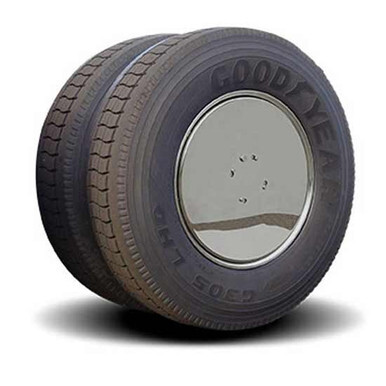
Long-haul semi trucks driving at sustained highway speeds.
Vocational or low-mileage trucks operating primarily at low speeds.
Aero wheel covers help with wind drag performance on the margins.
#8. Low Rolling Resistance Tires
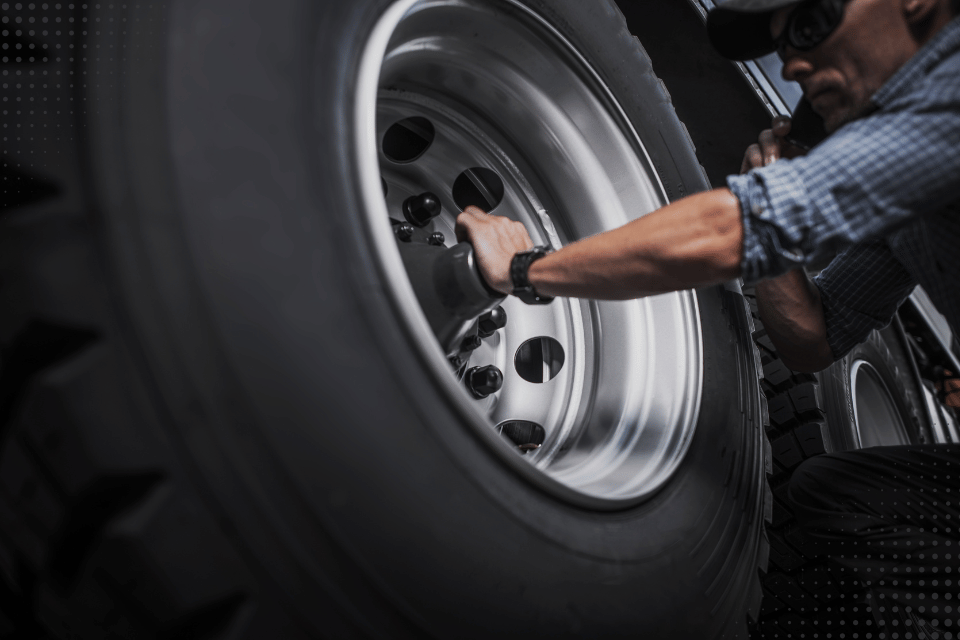
High-mileage long-haul trucks running consistent highway routes.
Low-mileage job site trucks where traction, cut resistance, and severe-duty durability take priority.
Low-rolling resistance tires are great for highway hauling rigs, but won't last too long on truly rugged job sites.
Additional Tire/Wheel Management Upgrades
Automatic Tire Inflation Systems (ATIS)
These systems automatically monitor and inflate trailer tires while moving. A tire underinflated by just 10% can drop fuel economy by 1% and reduce tread life by 15%.
Tire Pressure Monitoring Systems (TPMS)
For the tractor drives and steers, real-time pressure and temperature sensors help drivers avoid costly blowouts and maintain optimal rolling resistance.
#9. Auxiliary Power Unit (APU)
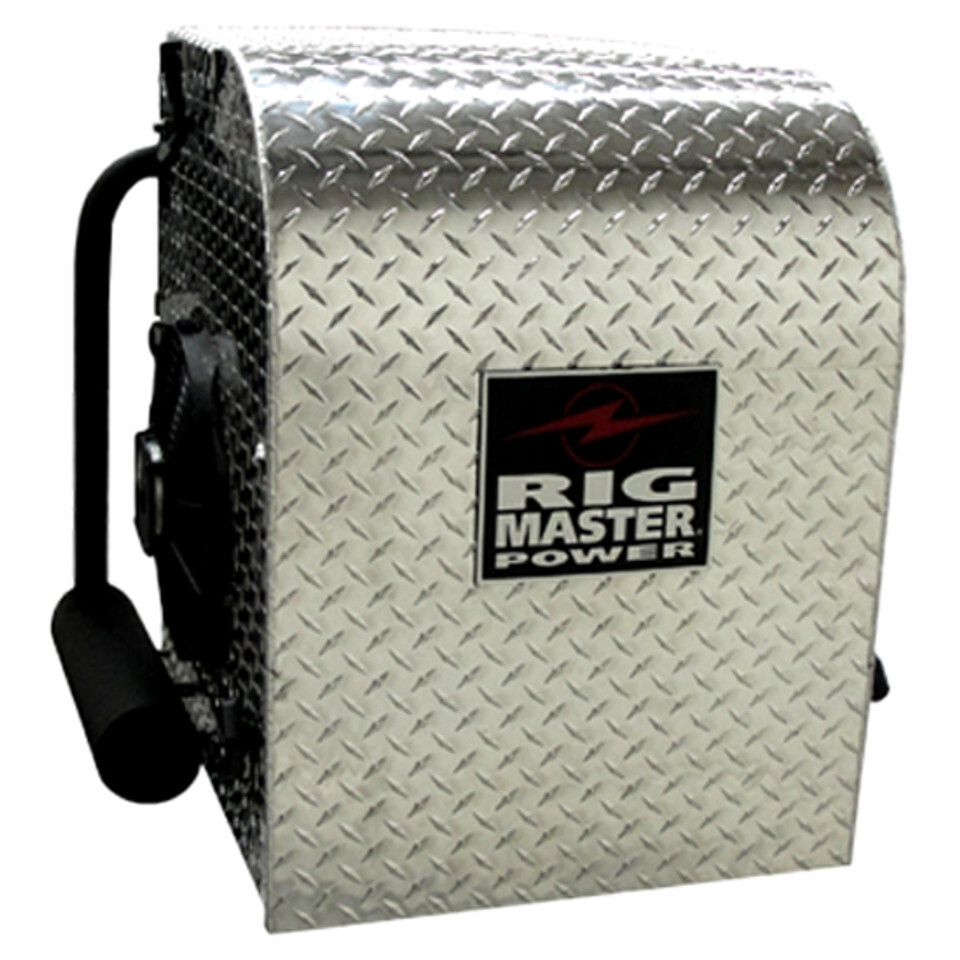
Long-haul sleeper trucks with high idle time, especially trucks logging 2,000 idle hours per year or more.
Vocational and job-site work trucks with low idle time or little need for overnight cab power.
Trucks burn 0.8 gallons per hour while idling, with most OTR trucks idling for 1,800 hours a year.
| Annual Idle Hours Replaced | Fuel Saved* | Annual Savings at $4/gal | Payback |
|---|---|---|---|
| 1,000 | 600 gal | $2,400 | 5.1 years |
| 1,500 | 900 gal | $3,600 | 3.4 years |
| 1,800 | 1,080 gal | $4,320 | 2.8 years |
| 2,000 | 1,200 gal | $4,800 | 2.5 years |
| 2,500 | 1,500 gal | $6,000 | 2.0 years |
Replace the expensive, fuel-consuming engine idle with a powerful backup energy source to keep your cab warm in winter and cool in the summer.
#10. Air Dog Water-Fuel Separator System
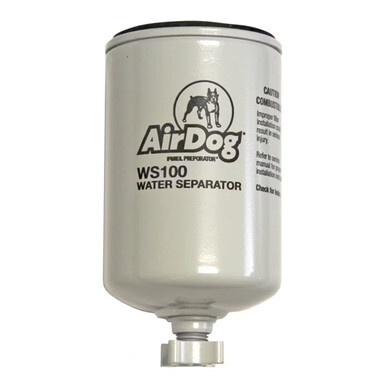
High-mileage long-haul trucks where fuel quality, filtration, and fuel-system protection matter most.
Vocational, severe-duty, or low-mileage trucks where annual fuel savings accumulate more slowly.
This is a popular upgrade among owner-operators who want a straightforward engine performance tune-up.
Additional Drivetrain & Engine Performance Upgrades
Synthetic Drivetrain Fluids
Try adding standard gear oil or synthetic lubricants to the transmission and rear axles to reduce internal friction, lowering operating temperatures and improving fuel economy.
ECM Eco-Tuning
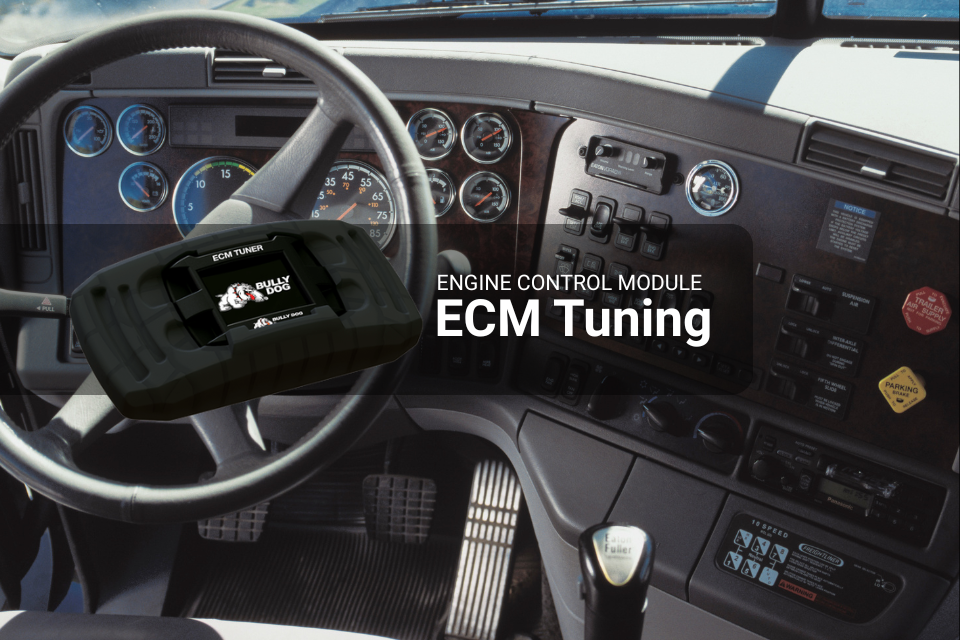
Aftermarket engine control module (ECM) remaps can optimize fuel injection timing, limit top speeds, and adjust torque curves specifically for fuel economy rather than raw power.
Our Top Pick: Bully Dog ECM Tuners.
High-Flow Air Filters
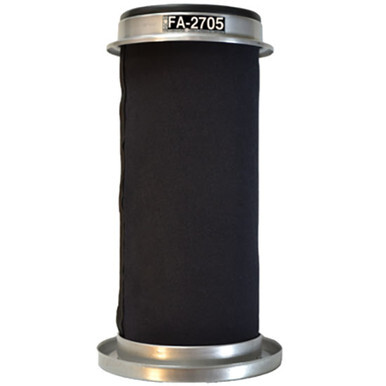
Upgraded, washable air intake filters reduce the restriction of air entering the engine, improving combustion efficiency and saving replacement costs over the life of the truck.
Shop Aftermarket Performance Upgrades for Your Big Rig
Explore a wide array of high-performance truck parts and accessories designed to fit your specific make/model configuration. Shop on the go using the mobile app, or stop by the 4 State Trucks shop in Joplin, Missouri, for an in-person view of our 195,000-square-foot facility - home to over 300,000 parts!
Recent Posts
-
Diesel Truck Engine Maintenance Guide
 Semi truck engines can last up to one million miles, or more, before they need to be rebuilt or repl …4th Sep 2026
 -
How to Buy the Right Peterbilt 379 Radiator
 If you want to keep your diesel engine from overheating you need a well-functioning replacement Pete …28th Aug 2026
 -
Seasonal Semi Truck Maintenance Checklist
 Freezing winter weather temperatures, heavy snow, ice, and road salt take an unseen toll on your sem …14th Aug 2026
 -
Haul of Fame: Richard Bonner’s 1996 Peterbilt 379 — Bringing a Classic Trucker’s Truck Back to Life
 Every truck has a story, but some are worth taking a closer look at. Richard Bonner’s 1996 Peterbilt …14th Aug 2026
 -
Surviving the Scale: How to Pass Your DOT Inspection & Avoid Crippling Fees
 DOT semi truck inspections can make anyone nervous. There are multiple levels that start from a quic …7th Aug 2026
 -
Semi Truck Brake System Maintenance Guide
 Semi-truck brake defects account for 30% of out-of-service violations, according to CVSA’s 2025 Inte …4th Aug 2026
 -
How to Build a Semi Truck Emergency Kit (A Complete Checklist)
 Semi-truck breakdowns drain your wallet and your time, but they aren't inevitable. With the right em …30th Jul 2026
 -
How 4 State Trucks Helps Drivers Source Parts Without Costly Delays
 For an owner operator, every minute of downtime is costly, and a potentially business-ending scenari …24th Jul 2026
 -
Haul of Fame - Loud N Heavy: How Davis Brothers Designs Turned a Famous Show Truck Into a Legend of Its Own
 Davis Brothers Designs transformed a renowned Peterbilt 389 show truck into "Loud N Heavy," a functi …24th Jul 2026