
Diesel Truck Engine Maintenance Guide
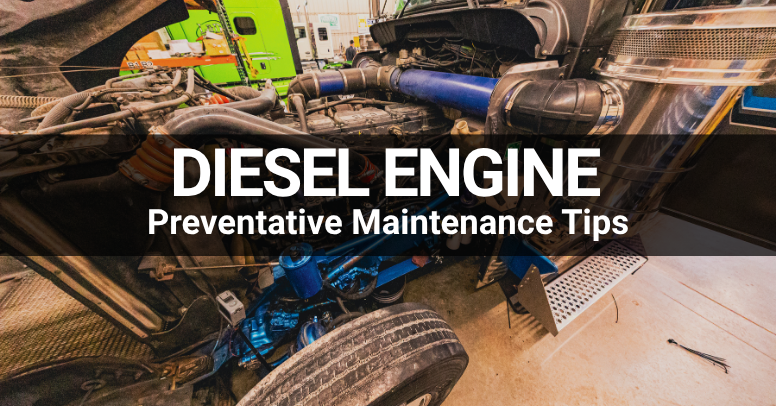
Semi truck engines can last up to one million miles, or more, before they need to be rebuilt or replaced.
During their lifespan, engine system parts experience a lot of heat and pressure, eventually wearing down and hindering the engine's performance.
This is precisely why preventative maintenance is so important, especially on older trucks without an ECM (electronic engine management system).
Here’s the low down on how to maintain your diesel truck engine parts for years to come, so you can continue to enjoy your truck without financially-devestating repairs or replacing the entire engine.
Frequently Replaced Diesel Engine Parts
Engine parts closest to the heat, pressure, vibration, and fluid systems tend to wear out more often.
Major internal components usually last much longer when the engine receives consistent preventative maintenance.
| Replacement Rate | Common Components | Why? |
|---|---|---|
| Frequent |
Fuel injectors
Fan clutch & hub bearings
Water pump
Turbo actuator
Coolant hoses & reservoir seals
Fuel pump
Radiator
|
These components operate around high heat, pressure, vibration, coolant, fuel, or airflow. They tend to experience more routine wear during the normal service life of a diesel engine. |
| Moderate |
Rocker arms, rollers & valvetrain hardware
Gaskets & engine seals
Oil pump
Cylinder head, valves & head gasket
Piston rings & cylinder liners
Main & rod bearings
|
These parts generally wear over a longer engine lifecycle. Replacement is more likely with high mileage, major engine work, lubrication problems, overheating, or internal wear. |
| Rare |
Crankshaft
Connecting rods
Camshaft
Engine block
|
These major internal components are designed for very long service life and are typically replaced only after severe wear, lubrication failure, overheating, internal engine damage, or a major rebuild. |
DIY Engine Maintenance vs Diesel Mechanic Shop Downtime
The Benefit:
When you do your own maintenance, you know exactly what goes into the truck – the type of antifreeze, the type of water, and your preferred oil brand.
The Drawback:
With a mechanic, you’re forced to trust them with your truck.
Unless you’re watching their every move, you don’t really know what they’re putting in it. For instance, antifreeze for cars is completely different than it is for semi trucks.
If, by some slim chance, a bad mechanic does his job incorrectly, like mixing tap water with the anti-freeze solution, you’re left with a very expensive problem on your hands.
Now, when it comes to intensive, heavy-duty diesel engine replacements, like Peterbilt clutch replacements or in-frame engine repairs, you’ll obviously need to pull the rig into a shop.
Adjusting jake brake valves is one thing, but you can’t possibly lift the head of a diesel engine, remove the giant piston assembly and put it back in without the liners getting kinked or off kilter.
You need a mechanic.
Common Time Intervals for Most Diesel Engine Maintenance
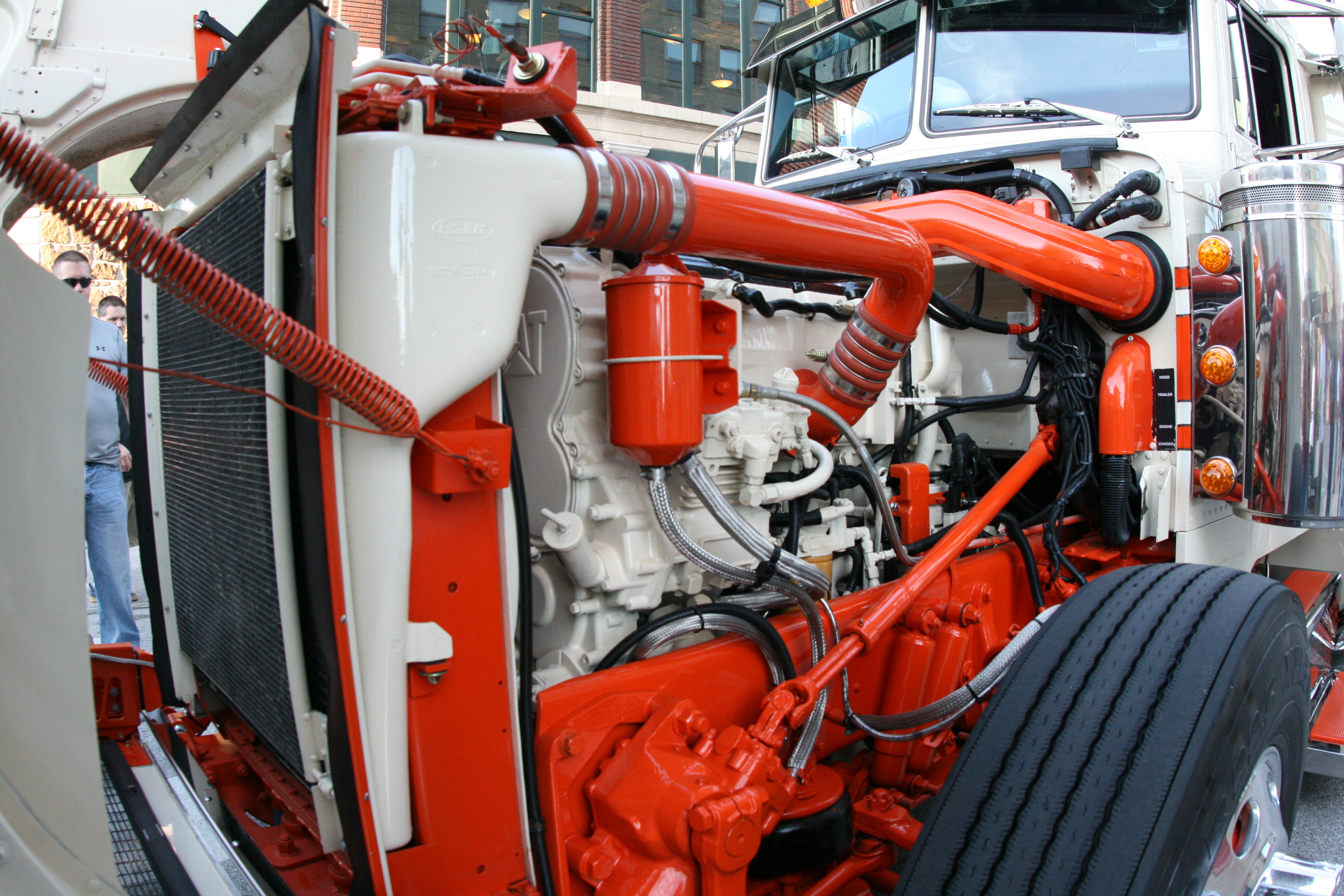
The older the engine, the more frequently you’ll need to run maintenance. Remember to consult a certified diesel mechanic before undergoing extensive engine work.
Overhead Adjustment
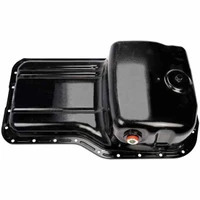
When to Inspect: Annually.
Performed on the top half of the motor once a year (without exception).
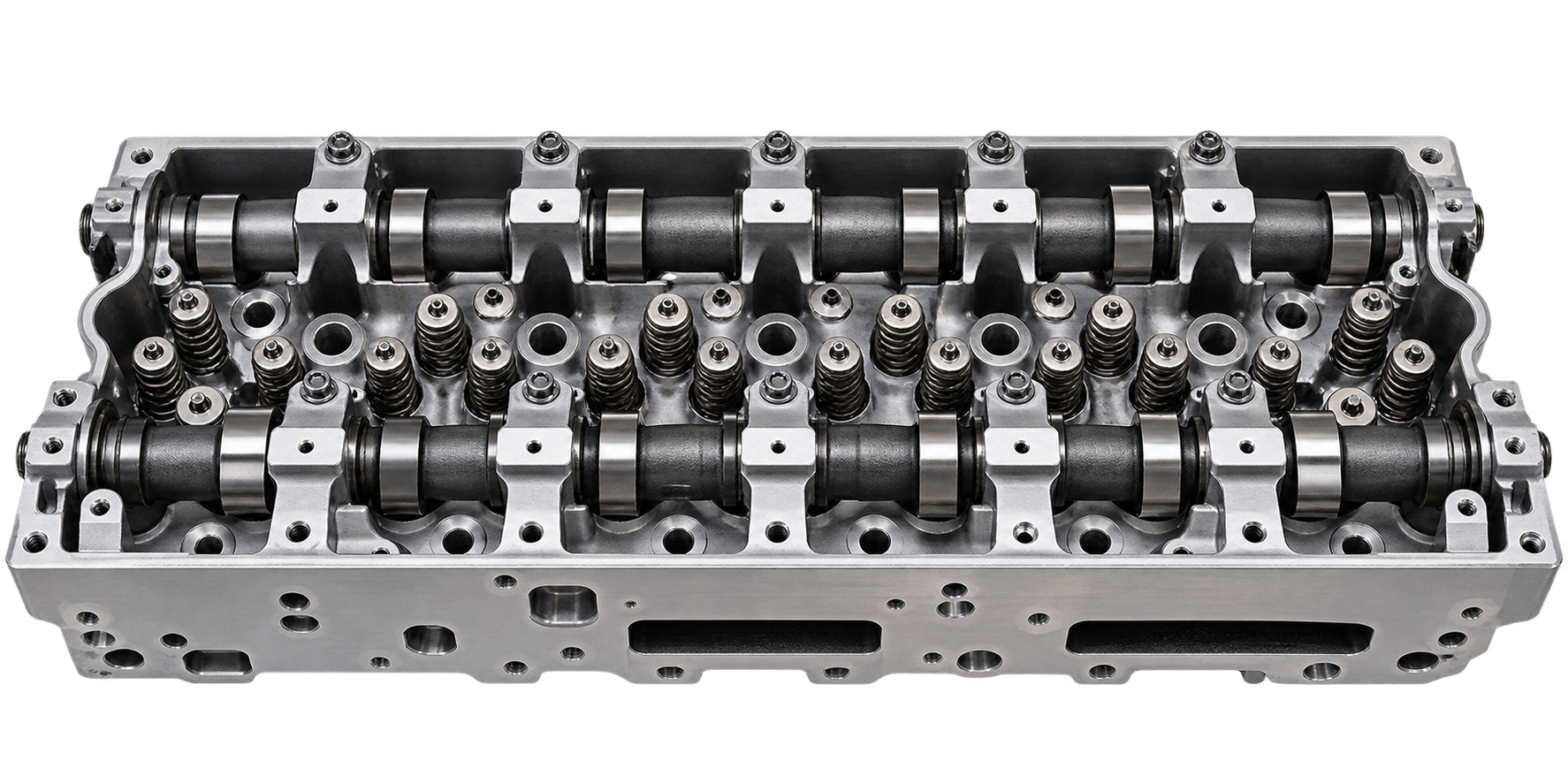
Check:
- Valve lash adjustment screws
- Jake brakes
- Cylinder head
- Valve springs
- Intake valves
- Fuel injectors
- Camshaft
- Head gasket
- Valve cover gasket & valve covers
For example, an Old Series 60 Detroit engine could take you two hours to adjust, simply by using a few standard tools.
However, those old Cummins engines were notoriously difficult to work with. It just depends on what engine you’re running and what you’re used to.
The better you know your truck’s engine, the easier long-term preventative engine maintenance will be.
Simply put, you might just pull the valve cover off, lash it all down, reassemble it, and drop the oil after you’re done.
Performing overhead adjustments can help keep your valve opening and closing when they’re supposed to.
Taking off the valve cover lets you visually see the worn components close up.
You might find:
- Engine camshaft lobes are smooth and worn, impairing engine performance
- Pitted rocker arm rollers
- Worn valve springs
Lab Analysis of Oil & Anti-Freeze Mixture
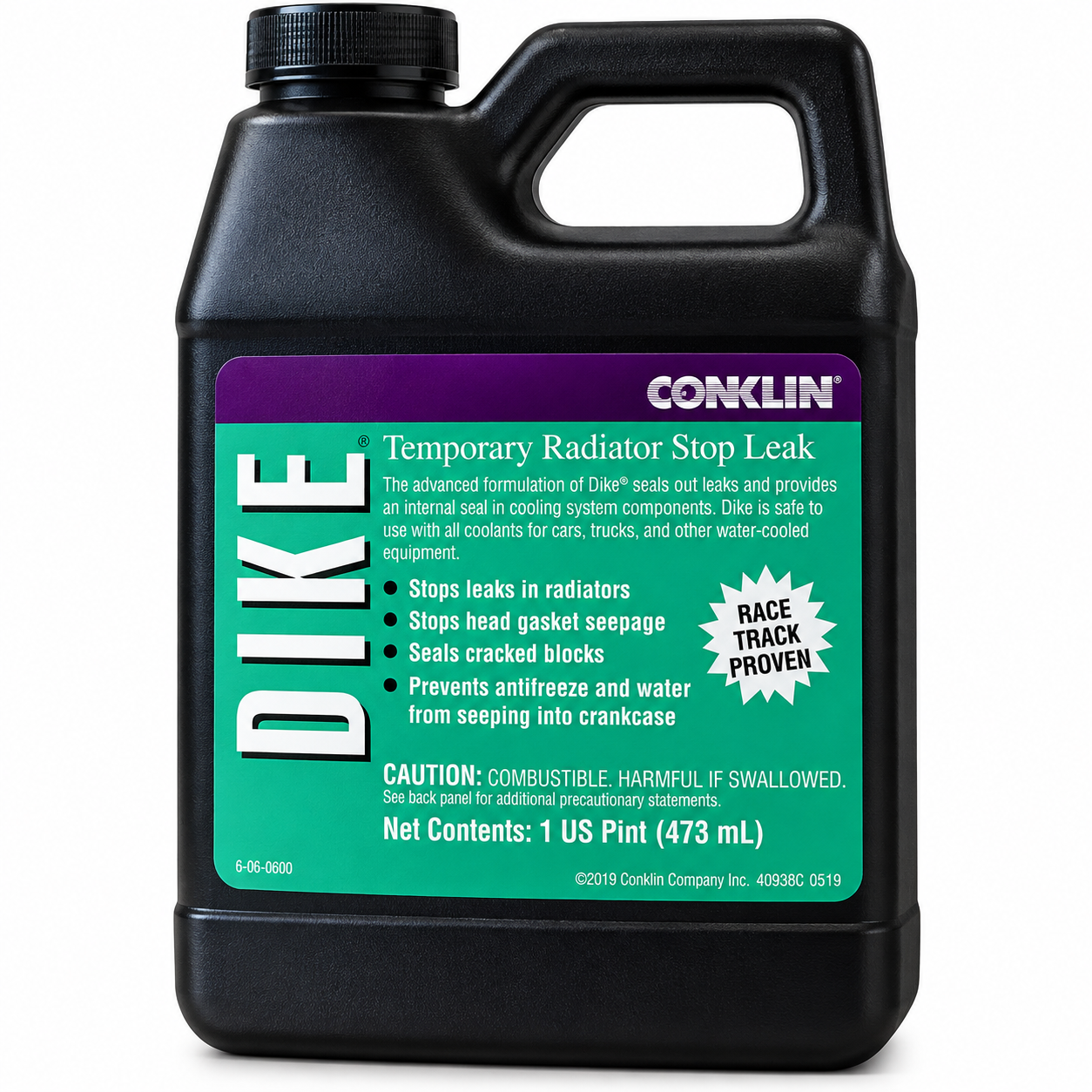
When to Inspect: Every 6 months for DIY and every 90 days if serviced in a shop.
The engine oil lab analysis and anti-freeze coolant analysis will tell you a lot about the health of your engine. It lists whether there are heavy metals in the solution: iron, copper, lead, and aluminum.
Each one tells you certain things about your motor. High copper content in your oil means the top layer of the bearings have corroded away.
If you find metal compounds in the anti-freeze, that means there is excessive corrosion that is eating the engine cylinder liners.
A lab analysis lets you figure all of this out without having to take part your truck.
Remember: It’s much cheaper to do an in-frame if you’re replacing basic rod and main bearings as opposed to blowing a rod outside the engine block. Now, you’re looking at an expensive roadside tow and costly downtime.
Engine Fan Blade
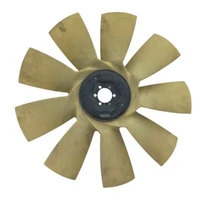
When to Inspect: Daily.
These engine fans are made of plastic. The fan’s plastic blades are under high heat and pressure while spinning at high speeds. They’ve been known to chip and create spider fractures. If you see this, it’s time to replace it.
Best case scenario is the fan blade breaks off but doesn’t damage other parts. You have an off-balanced fan that starts to generate less force.
The worst-case scenario is if the fan blade snaps off and tears through the plastic fan shroud.
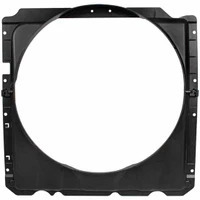
That piece tends to hit the radiator too, penetrating the coolant reservoir. Now you’re on the side of the road with antifreeze oozing on the concrete while you wait for a tow truck.
The older the truck, the more important it is to check the engine fan blade. This part might last for 4-6 years, but eventually you need a new one.
It only takes 20 minutes to replace it and it’s a cheap component.
Engine Air Breather Intake
When to Inspect: Annually.
The simple task of cleaning out the residual oil and gunk from the air breather intake is commonly overlooked by truck owners, especially the trucks with a Caterpillar motor.
The Result:
You'll see sluggish acceleration, turbo strain, internal engine damage from debris moving past the filter and into the cylinders.
Why does it happen?
Over time, the breather intake is stuffed with residue that blocks air flow and increases internal pressure on the crank case.
You can tell if you see leaking oil out of the top of the dip stick tube. This is because the crankcase is being over pressurized.
The Solution: Pull out the intake breather and shoot it with brake cleaner, then put it back on.
You're done.
The top valve cover is where you have a crankcase breather. Of the three valve covers, only one of them, the front one, has a valve-cover breather on it.
Removing the crud and debris will keep the engine running at a healthy standard.
If you’re looking for external components like a new starter, alternator, or water pump, you can find a large selection of make-model specific engine parts in our inventory.
Turbocharger Oil Return Line
When to Inspect: Annually.
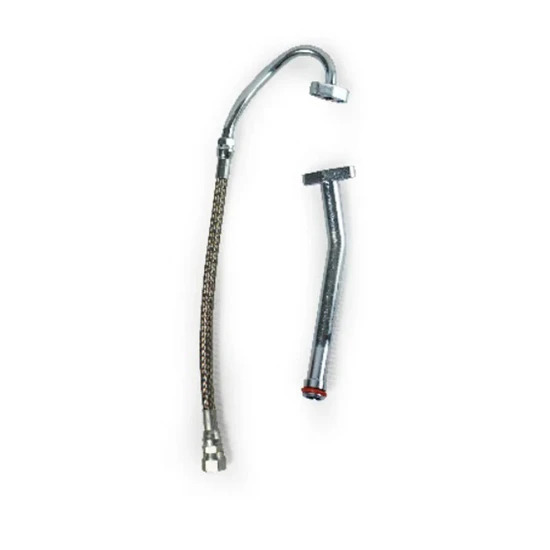
The turbo’s return line is a gravity feed that goes back down into the crankcase.
If this is clogged up due to soot or debris, you might see blowby into the turbo. Pressurized oil is still being pumped in with nowhere to escape.
This blows out the turbo seal. Gallons of oil get sucked out of the crankcase propelling the truck forward without any restrictions.
The Result: a runaway engine.
That's why runaway truck ramps exist - especially in tight mountain passes in areas like Colorado.
A runaway diesel engine is almost unheard of with modern, Next-Gen trucks - thought it can still happen.
On older big rigs, it's more common, especially with two-stroke diesel engines. They were notorious for the fuel line locking, forcing the engine to accelerate uncontrollably until it self-destructs.
The Solution:
Remove the return line and clean it. Once dry, place it back on the vehicle.
In-Frame vs Out-Frame Engine Replacements
In-frame engine repairs focus on internal worn components, but the engine block stays put.
It's appropriate for engines that have good oil pressure and no true lower-end engine damage, but some moderate part wear and compression loss.
Out-frame engine repairs and rebuilds include a complete teardown of the engine where mechanics remove the entire engine and put it back together again.
Out-of-Frame Overhauls Include:
- Crankshaft damage
- Connecting-rod damage
- Spun bearing
- Contamination or heavy bearing material in the oil or filter
- Block/counterbore damage
- Severe overheating
In-Frame Overhauls Include:
- Pistons and piston rings: seals combustion pressure and lubricant oil.
- Cylinder liners and liner seals: prevent engine coolant from leaking out.
- Piston pins and retainers: links the piston to the cnnecting rod while allowing some movement.
- Connecting-rod bearings: low-friction meta-on-metal touch point between the connecting rods and crankshaft.
- Main bearings and thrust bearings: support rotation and axial movement of the crankshaft in the engine block.
- Upper and lower gasket sets, liner seals and oil-pan gasket: restores sealing surfaces.
Shop for Semi Truck Engine-Related Parts at 4 State Trucks
Shop for engine-cooling parts and replacement hardware for Freightliner, Peterbilt, and Kenworth, whether you have a CAT, Cummins, or Detroit Diesel engine. Find engine pars using your truck VIN, or make/model/year search at 4StateTrucks website and mobile app.
Recent Posts
-
How to Buy the Right Peterbilt 379 Radiator
 If you want to keep your diesel engine from overheating you need a well-functioning replacement Pete …28th Aug 2026
 -
10 Essential Cost-Per-Mile Truck Upgrades that Pay for Themselves
 Small aftermarket semi truck accessories and performance upgrades save more money over time than the …21st Aug 2026
 -
Seasonal Semi Truck Maintenance Checklist
 Freezing winter weather temperatures, heavy snow, ice, and road salt take an unseen toll on your sem …14th Aug 2026
 -
Haul of Fame: Richard Bonner’s 1996 Peterbilt 379 — Bringing a Classic Trucker’s Truck Back to Life
 Every truck has a story, but some are worth taking a closer look at. Richard Bonner’s 1996 Peterbilt …14th Aug 2026
 -
Surviving the Scale: How to Pass Your DOT Inspection & Avoid Crippling Fees
 DOT semi truck inspections can make anyone nervous. There are multiple levels that start from a quic …7th Aug 2026
 -
Semi Truck Brake System Maintenance Guide
 Semi-truck brake defects account for 30% of out-of-service violations, according to CVSA’s 2025 Inte …4th Aug 2026
 -
How to Build a Semi Truck Emergency Kit (A Complete Checklist)
 Semi-truck breakdowns drain your wallet and your time, but they aren't inevitable. With the right em …30th Jul 2026
 -
How 4 State Trucks Helps Drivers Source Parts Without Costly Delays
 For an owner operator, every minute of downtime is costly, and a potentially business-ending scenari …24th Jul 2026
 -
Haul of Fame - Loud N Heavy: How Davis Brothers Designs Turned a Famous Show Truck Into a Legend of Its Own
 Davis Brothers Designs transformed a renowned Peterbilt 389 show truck into "Loud N Heavy," a functi …24th Jul 2026