Wet Line Kits for Semi Trucks 101: The Basics Explained
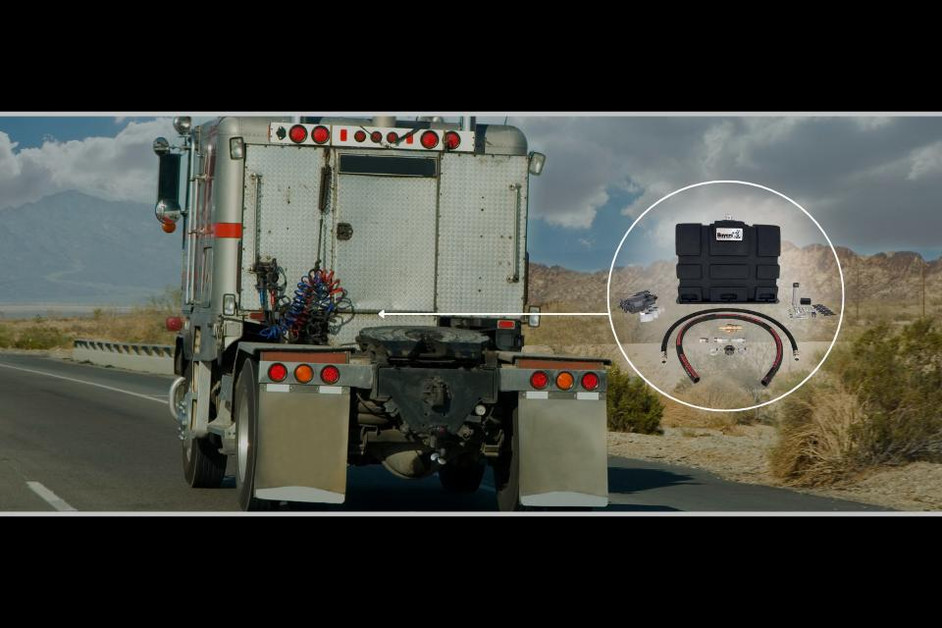
Ready to transform your rig into a hydraulic powerhouse?
A semi-truck wet line kit can do the trick. One of these will turn your truck from a normal highway hauler into a workhorse capable of handling tasks in agriculture, construction, bulk hauling, or other industries.
For those already running dump trailers, walking floors, or tankers, a precision-installed wet line kit is the difference between seamless performance and thousands of dollars in avoidable repair costs.
In this post, we'll break down what a wet line kit is, its purpose, and where you can buy one.
Key Takeaways
- Wet line kits power hydraulic trailers through the PTO, pump, reservoir, valves, hoses, and fluid.
- Avoid leaks, overheating, cavitation, or poor wet line kit performance by matching flow, pressure, duty cycle, cooling needs, and PTO compatibility to the trailer and transmission type.
- Maintain wet line kit longevity by regularly inspecting hoses, fittings, fluid levels, filters, temps, and unusual noises.
What Is a Wet Line Kit and What Does It Do?
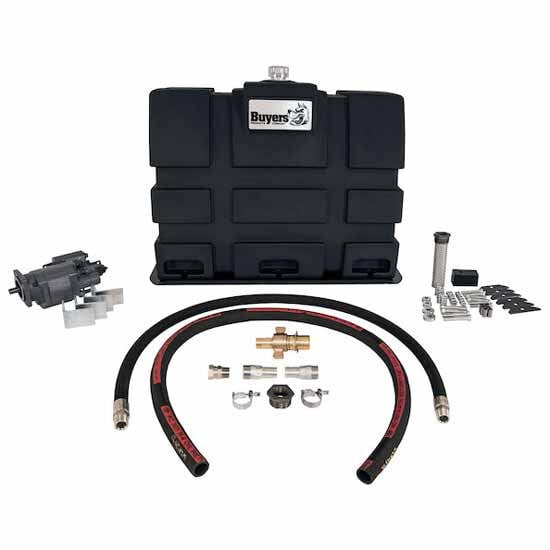
A wet line kit is a machine that forces hydraulic oil through hoses to power a vocational application. The engine gives it energy, which moves the transmission, which in turn moves the PTO (power take-off switch) that allows the hydraulic pump to push oil to the trailer equipment/application.
2-Line vs 3-Line Wet Kit
A 2-line wet kit is a typical dump pump system that uses a tank/inlet line and a work line that is between the pump and cylinder/trailer. This system doesn’t have a separate pump-to-resrevoir return circuit for the oil. Instead, it shares part of the plumbing depending on the type of operation being done: raising, lifting, lowering, or holding firm.
The upside? You have fewer hoses to deal with, simplified plumbing setup, lower upfront cost, useful for many intermittent dump applications.
Downside? High heat risk, increased sensitivity to pump damage if you don’t operate the PTO correctly (e.g., in neutral or with the PTO constantly engaged), restricted return flow, no dedicated return filter, and less suitable for long-running hydraulic duty.
3-line wet kit is a system that includes:
- Suction/inlet line from reservoir to pump
- Pressure/work line
- Dedicated return line from pump to reservoir
It benefits from lower operating temperatures because the oil circulates back through the reservoir instead of moving into the hydraulic pump itself.
Certain hydraulic pumps and motors need a third-line. This is a case-drain line, a low-pressure line that drains internal leakage from the components housing back into the hydraulic oil reservoir.
A three-line-dump wet kit includes a suction, pressure/work line, and a dedicated return line. This doesn’t automatically include a case-drain system. It will depend on the type of system you buy.
Core Components of a Wet Line Kit:
- PTO (Power Take-Off): Connects to the truck’s transmission and drives the hydraulic pump using rotational energy from the output shaft.
- Pump: Pushes pressurized oil to move the cylinders and activate trailer equipment.
- Reservoir: Stores and cools hydraulic return oil. It can be frame-mounted or mounted behind the cab.
- Hoses: Dedicated lines handle suction, pressurized oil flow, and return flow.
- Control Valves: Directs hydraulic oil to control the kit's operation (e.g., raise, lower, retract).
- Tower: The cab-mounted controller housing the PTO switch, hydraulic function switches, and gauges. Air-operated towers are the most common on dump trucks.
- Filters and Return Lines: Clean the hydraulic oil of contaminants before it re-enters the reservoir.
- Quick-Connect Fittings: Hydraulic couplers placed at the tractor-trailer connection for fast hookup and disconnection.
Wet Kit Types by Trailer Application
Choosing the right wet line kit for a dump trailer or other application depends on your equipment’s flow rate, PSI, and duty cycle.
- End dump: needs substantial pressure and decent flow, but only for short periods.
- Walking floor: needs lots of continuous oil flow and strong heat management.
- Belt trailer: needs steady flow to run a hydraulic motor.
- Combo system: needs enough hydraulic capacity to support demanding or multiple functions.
- Lowboy: needs controlled movement and high pressure, but less flow.
Wet Line Kit Types by Trailer Application
| Kit Type | Flow (GPM) | Pressure (PSI) | Duty Cycle | Ideal Application & Mechanics |
|---|---|---|---|---|
| End Dump | 20–25 | 2,000–3,000 | Intermittent | Construction haulers. Needs high pressure and decent flow for short bursts. |
| Walking Floor | 30 | ~2,000 | Long | Moves grain or mulch. Requires continuous oil flow and strong heat management. |
| Belt Trailer | 25 | 2,500 | Medium | Ag and feed hauling. Needs steady flow to run a hydraulic motor. |
| Combo System | 30–35 | 2,500 | Variable |
Each kit type requires proper sizing to prevent cavitation or overheating of the system during operation.
- Gallons Per Minute (GPM): Determines the speed of oil movement. Higher GPM equals faster equipment movement. Note: Excessive GPM leads to component stress and high heat.
- PSI (Pounds per Square Inch): The internal pressure resistance, or how hard the kit must push to perform. Low PSI fails under heavy loads; dropping PSI usually indicates a worn pump, fluid leak, or low oil levels.
- Hydraulic Horsepower: The combination of PSI and GPM, representing the total power of the wet line kit.
- Pump Displacement: The volume of oil the pump pushes with each rotation.
- RPM (Revolutions Per Minute): The number of times the pump rotates per minute. High RPM generates high GPM.
- PTO Ratio: Calibrated relative to your truck's engine speed to ensure the pump rotates at the correct RPM without overworking the system.
This is why the PTO ratio needs to be accurate. The PTO ratio is relative to your truck engine's speed.
Can I Run a Wet Kit on an Automatic Transmission?
Yes—you can install a wet kit on trucks with automatic transmissions, but you’ll need a PTO model specifically designed for the gearbox.
Automatic-compatible PTOs are available for most semi trucks, but certified technicians are strongly recommended for this level of installation expertise.
Signs of a Failing Wet Kit
A malfunctioning wet kit can shut down your operation fast.
Look for:
- Hydraulic oil leaks around hoses or fittings
- Abnormally slow or jerky trailer response
- Overheating of fluid and increased system heat
- Cavitation or whining from the pump
- PTO not engaging properly with the transmission
If you notice any of these signs, schedule service with a qualified shop or team of technicians immediately.
How to Choose the Right Wet Kit for Your Trailer Type
When selecting a wet line kit, consider:
- Trailer application: Dump, floor, or combo
- Flow and pressure needs
- Duty cycle and cooling capacity
- PTO and pump compatibility with your truck's transmission
- Your business location, weather, and operating workload
The right type of kit boosts efficiency, minimizes downtime, and supports long-term growth for your business.
Are Wet Kits Standardized?
Not fully. While many parts like hoses, filters, and fittings are interchangeable, trailer brands often require different:
- Flow ratings
- Connection sizes
- Hydraulic valve specs
Avoid surprises—always check your trailer’s equipment manual before purchasing.
What’s the ROI of Installing a Wet Kit?
A wet line kit typically pays for itself in 3–6 months. It unlocks new hauling opportunities, reduces load time, and increases trailer compatibility. You'll experience:
- Higher contract value
- Lower reliance on third-party unloading tools
- Improved system efficiency
With financing options available at many shops, you can upgrade your capabilities without straining your working capital.
Can I Finance a Wet Kit Through a Shop?
Yes! Many parts dealers and certified technicians offer:
- Install + payment plans
- Lease-to-own arrangements
- Deferred payments for fleets
Ask about wet kit financing when you contact your local installation center.
Are Quick Couplers Universal?
Quick couplers are not universal. You must match:
- Thread size (NPT, JIC, ORB)
- Pressure rating
- Flow capacity
ALWAYS verify compatibility between truck and trailer couplers. Use standardized fittings only when you're sure they meet your equipment specs.
What’s the Lifespan of a Properly Maintained Wet Kit?
With regular maintenance and regular inspections, wet kits can last:
- Pump: 5–10 years
- PTO: 5–8 years
- Reservoir/hoses/fittings: 10+ years
Key to longevity:
- Clean fluid via inline filters
- Early detection of leaks or heat buildup
- Scheduled certified technician checks
Maintenance Tips for Optimal Performance
Routine care prevents costly downtime:
- Inspect hoses, valves, and fittings weekly
- Monitor oil reservoir levels
- Change filters and fluid per manufacturer guidelines
- Watch for unusual noises or high system temperatures
PRO TIP: Keep a log of service intervals by location or week to help you stay organized.
Why Get a Wet Line Kit for Your Semi Truck
A wet line kit is an upgrade that can deliver a bit more flexibility, speed, and power to your vocational heavy duty rig. From end dump trailers to walking floors, regular maintenance and correct installation by certified technicians are key to a long, efficient lifespan.
Recent Posts
-
Haul of Fame: J&L Contracting's Award-Winning Truck
 Kenworths: Never Satisfied & Devilish Ways When you talk about Midwest trucking, heavy hauling, and …17th Sep 2026
 -
Semi Truck Exhaust Systems: Parts, Materials, Fitment & Repair Guide
 How a Semi Truck Exhaust System Works A heavy-duty exhaust system has three main jobs: route burned …16th Sep 2026
 -
Diesel Truck Engine Maintenance Guide
 Semi truck engines can last up to one million miles, or more, before they need to be rebuilt or repl …4th Sep 2026
 -
How to Buy the Right Peterbilt 379 Radiator
 If you want to keep your diesel engine from overheating you need a well-functioning replacement Pete …28th Aug 2026
 -
10 Essential Cost-Per-Mile Truck Upgrades that Pay for Themselves
 Small aftermarket semi truck accessories and performance upgrades save more money over time than the …21st Aug 2026
 -
Seasonal Semi Truck Maintenance Checklist
 Freezing winter weather temperatures, heavy snow, ice, and road salt take an unseen toll on your sem …14th Aug 2026
 -
Haul of Fame: Richard Bonner’s 1996 Peterbilt 379 — Bringing a Classic Trucker’s Truck Back to Life
 Every truck has a story, but some are worth taking a closer look at. Richard Bonner’s 1996 Peterbilt …14th Aug 2026
 -
Surviving the Scale: How to Pass Your DOT Inspection & Avoid Crippling Fees
 DOT semi truck inspections can make anyone nervous. There are multiple levels that start from a quic …7th Aug 2026
 -
Semi Truck Brake System Maintenance Guide
 Semi-truck brake defects account for 30% of out-of-service violations, according to CVSA’s 2025 Inte …4th Aug 2026
 -
How to Build a Semi Truck Emergency Kit (A Complete Checklist)
 Semi-truck breakdowns cost money and time; but they aren't inevitable. With the right emergency acce …30th Jul 2026