
Factory Peterbilt 379 Exhaust Mufflers vs Straight Pipes

When it comes to Peterbilt 379 factory-style exhaust muffler setups versus performance straight pipe exhaust (no muffler), the choice comes down to style preference.
Here's what you'll learn:
The pros and cons of aftermarket Peterbilt 379 stacks with a straight pipe versus factory-style exhaust stacks with a muffler.
Keep in mind, if you want stay 100% DOT-compliant in 48/50 states, stick with the factory exhaust muffler setup for your Peterbilt 379. No modifications, no risk.
If you want to look cool and have a deep, resonant sound, ditch the muffler. Go with straight pipes.
The Quick Answer: Straight Pipe vs Muffler Exhaust for 379
- Factory-style exhausts with mufflers are quieter and DOT-compliant.
- Straight pipes have stronger performance, good looking, and loud (not DOT-compliant).
The Pros: Straight Pipe Exhaust Setups
- Absolute Minimum Flow Restriction: Eliminates the muffler core, packing, and baffles entirely to minimize engine pumping losses.
- Classic Aesthetic: Delivers the sought-after show-truck look with tall, wide-diameter chrome stacks, such as 7-inch pipes.
- Maintenance Simplicity: Removes standard muffler failure points, such as internal baffle failure, shell corrosion, or loose internal packing.
A straight pipe features unrestricted line of polished stainless steel that adds to the presence of the truck.
Adding a performance straight pipe exhaust is ideal for glamorous show trucks that don't see a lot of cross-country OTR work.
Unmuffled performance exhaust stacks can really wake up an engine/turbocharger (due to less exhaust backpressure) - especially if it has a truly restrictive muffler on it.
The straight pipe setup has its benefits.
Performance Boosts for Straight Pipes
Having straight pipes on your Peterbilt 379 can deliver greater pulling horsepower, lower exhaust temperatures, and less exhaust backflow to the engine (promoting a breathable engine), and, of course, a really cool sound.
These benefits diminish as the pipe diameter gets larger. The larger the exhaust pipe, the more growling and low the sound is (especially on 10-inch monster stacks); the smaller the exhaust diameter, the more of a tight popping sound you'll hear (sort of like a Harley Davidson starting up).
Peterbilt 379 Exhaust Stack Diameter Options:
- 5-inch stacks (factory style)
- 6-inch stacks (lighter popping sound)
- 7-inch stacks (deeper sound profile)
- 8-inch stacks (rubling low sound)
Some drivers just want to listen to the radio in peace, rather than hear a powerful drone for 11 hours on the road.
It just depends on what you value: cool sound versus a quieter cab.
The Cons: Straight Pipe Exhaust Setups
- Severe Acoustic Volume: Data from Jacobs/Cummins shows that straight pipes increase pass-by acceleration noise to 96 dB(A), compared to 80 dB(A) stock, and engine-braking sound to 101 dB(A), compared to 83 dB(A) stock.
- Driver Fatigue: High volume levels cause severe cabin reverberation. NIOSH recommends keeping workplace noise exposure below 85 dBA over an 8-hour shift to help prevent hearing damage and operator fatigue.
- Thermal Footprint: Uninsulated straight piping increases radiated thermal energy around the cab, steps, and fuel tanks, raising the risk of accidental burns or material ignition unless protected by standalone shields.
The biggest downside of exhaust straight pipes without a muffler?
It is ILLEGAL to run unmuffled exhaust.
As you're going down a hill, your jake brakes (compression release engine brakes) are louder without the muffler. So, if you pull into a weigh station without mufflers on your exhaust, especially in states like Utah or Colorado, you'll get a hefty fine. Their reasoning is that they want to deter avalanches in narrow passes.
Each state varies slightly on what they penalize. Pennsylvania, for example, will fine you if you do not have exhaust heat shields on the truck. Whereas, some other states could care less.
If you're hauling across multiple states, it's better use a muffler. Avoid those fines.
One more thing!
The exhaust stacks also get really hot. Many drivers gets their arm hair singed when accidentally brushing against the hot exhaust pipes.
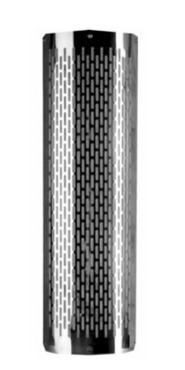
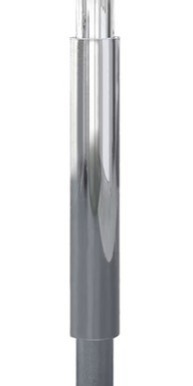

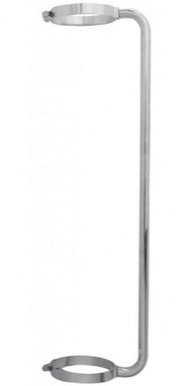
You can deter some of this heat with a perforated or smooth exhaust heat shield and a bolt-on custom exhaust grab handle.
The Pros: Factory Muffler Exhaust
- Thermal Control: Premium wrapped or insulated mufflers significantly lower external shell temperatures, protecting nearby electronics and body components from radiant heat.
- Quiet Performance Technology: Aftermarket manufacturers like Pittsburgh Power and Donaldson, with their Silent Partner series, engineer straight-through or specialized baffled silencers that tame harsh tones and engine-brake noise without choking off engine performance.
- Everyday Practicality: Dramatically reduces the likelihood of being targeted for noise violations at weigh stations, inside city limits, or when descending mountain passes using the Jake brake.
The Cons: Factory-Style Muffled Exhaust Setup
- Component Cost: Opting for a premium, high-flowing performance muffler setup requires a higher upfront financial investment than a basic stock replacement.
- Inspection Overhead: Requires regular checks of brackets, exhaust clamps, and structural integrity to avoid exhaust leaks.
Choosing Between a Peterbilt 379 Muffler & No-Muffler Exhaust
It comes down to your personal preference.
Here's an alternative option.
You can still maintain that classic Peterbilt 379 look with factory-style mufflers or factory-style high performance mufflers and new chrome stacks, along with OEM hardware and accessory replacements like exhaust grab handles replacements while staying DOT compliant.
The best choice is probably adding a premium straight-through performance muffler or an engine-brake silencer.
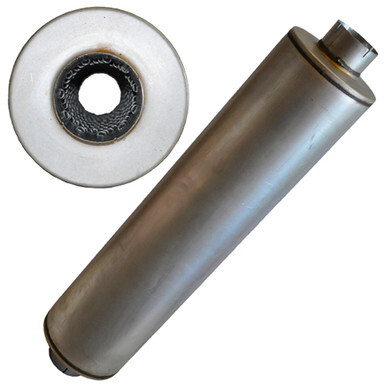
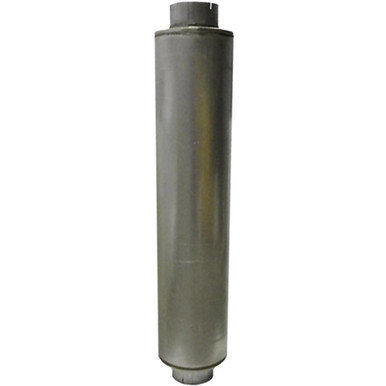
This keeps your truck completely legal, protects your hearing during long hours in the seat, and maintains excellent flow characteristics without sacrificing the iconic dual-stack appearance.
Shop for Peterbit 379 Exhaust Upgrades at 4 State Trucks
Explore a wide selection of replacement exhaust components, performance and OE-style mufflers, and complete stainless steel Peterbilt 379 exhaust kits at 4 State Trucks in Joplin, Missouri.
Recent Posts
-
Haul of Fame: J&L Contracting's Award-Winning Truck
 Kenworths: Never Satisfied & Devilish Ways When you talk about Midwest trucking, heavy hauling, and …17th Sep 2026
 -
Semi Truck Exhaust Systems: Parts, Materials, Fitment & Repair Guide
 How a Semi Truck Exhaust System Works A heavy-duty exhaust system has three main jobs: route burned …16th Sep 2026
 -
Diesel Truck Engine Maintenance Guide
 Semi truck engines can last up to one million miles, or more, before they need to be rebuilt or repl …4th Sep 2026
 -
How to Buy the Right Peterbilt 379 Radiator
 If you want to keep your diesel engine from overheating you need a well-functioning replacement Pete …28th Aug 2026
 -
10 Essential Cost-Per-Mile Truck Upgrades that Pay for Themselves
 Small aftermarket semi truck accessories and performance upgrades save more money over time than the …21st Aug 2026
 -
Seasonal Semi Truck Maintenance Checklist
 Freezing winter weather temperatures, heavy snow, ice, and road salt take an unseen toll on your sem …14th Aug 2026
 -
Haul of Fame: Richard Bonner’s 1996 Peterbilt 379 — Bringing a Classic Trucker’s Truck Back to Life
 Every truck has a story, but some are worth taking a closer look at. Richard Bonner’s 1996 Peterbilt …14th Aug 2026
 -
Surviving the Scale: How to Pass Your DOT Inspection & Avoid Crippling Fees
 DOT semi truck inspections can make anyone nervous. There are multiple levels that start from a quic …7th Aug 2026
 -
Semi Truck Brake System Maintenance Guide
 Semi-truck brake defects account for 30% of out-of-service violations, according to CVSA’s 2025 Inte …4th Aug 2026
 -
How to Build a Semi Truck Emergency Kit (A Complete Checklist)
 Semi-truck breakdowns cost money and time; but they aren't inevitable. With the right emergency acce …30th Jul 2026