
How to Quiet Your Cab: Best Noise Reduction Tips
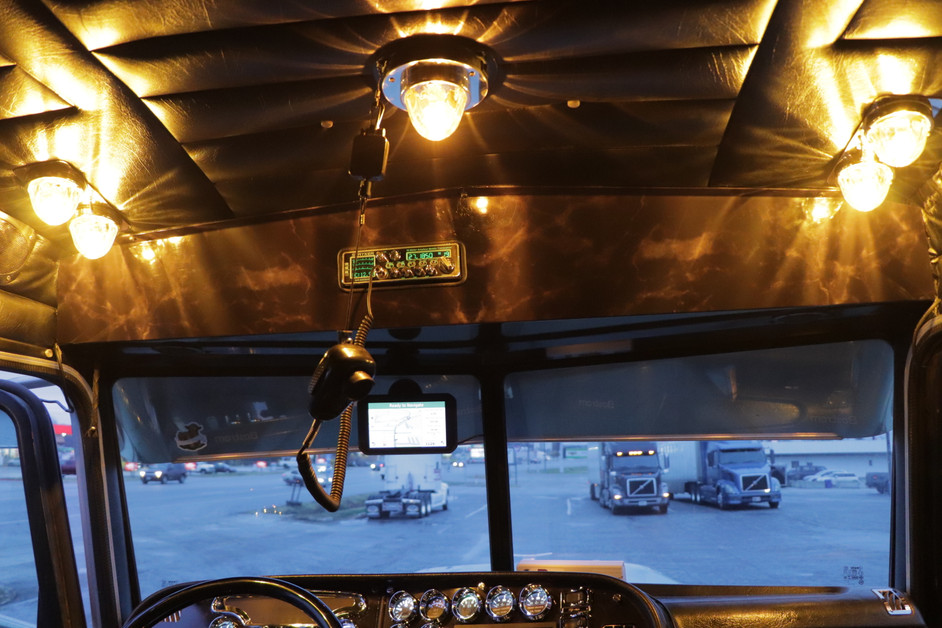
Excess road noise entering your cab space ruins your quality of life on the road. Thankfully, it's an easy fix.
While some big rig cab structures are manufactured using fiberglass, a material which does a decent job at absorbing ambient noise, most are made from aluminum which is highly acoustic.
There are only two ways to solve this: add insulation lining and plush carpet flooring.
The Cab Noise Problem in Semi Trucks
The old-school Class 8 trucks were a notorious combination of a noise-making machine and a hot box.
Drivers would often find the back of the sleeper cab, where the semi-truck wheels sat right underneath, to be especially loud.
Today, Next-Gen truck models, like the Peterbilt 589, integrate features like triple-sealed cab construction to automatically block out a large amount of noise.
However, owner-operators can always use some noise-cancelling accessories, whether they own a classic truck or a Next-Gen model.
Best Areas to Quiet the Semi Truck Cab Space
To dampen excess noise, you should apply noise-dampening lining/inserts to the following areas:
- Floor
- Doors
- Truck Bed
- Ceiling
- Back Wall (Behind the Seats)
Option #1: Apply Noise Dampening Insulation Sheets
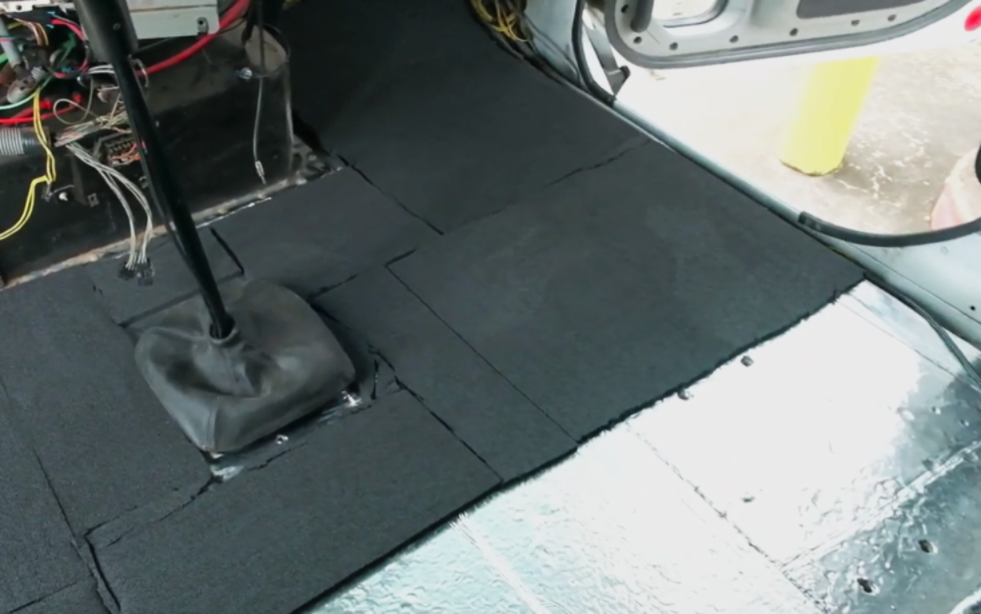
One of the best ways to quiet an older truck model (not a Next Gen truck), is to strip out the interior, line it with noise dampening foil material, secure it, then re-install all of the interior again.
Viola.
It's not easy, but it'll kill most of the noise.
Not only that, it also acts as a thermal barrier for your cab, insulating the entire area for brutally cold winters and swealtering hot summers
Try the HushMat Foam Inserts
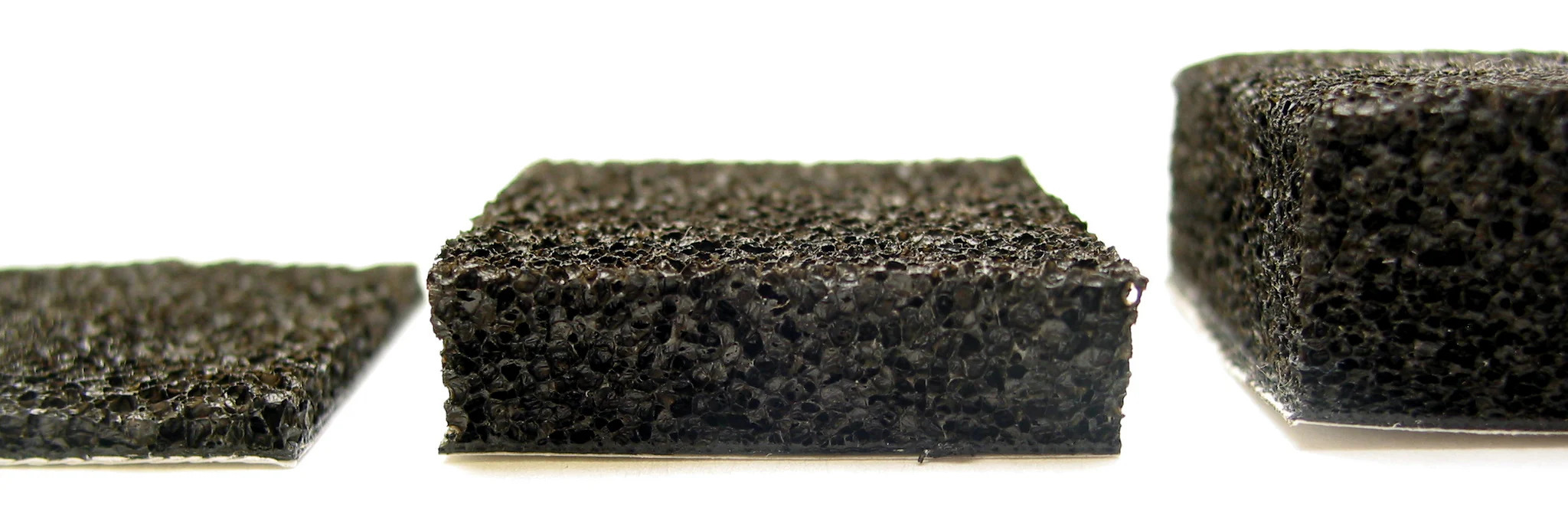
Add some noise dampening closed-cell foam (or fiber decoupler) insert panels to your ceiling and flooring to block out excess noise and vibration from the road.
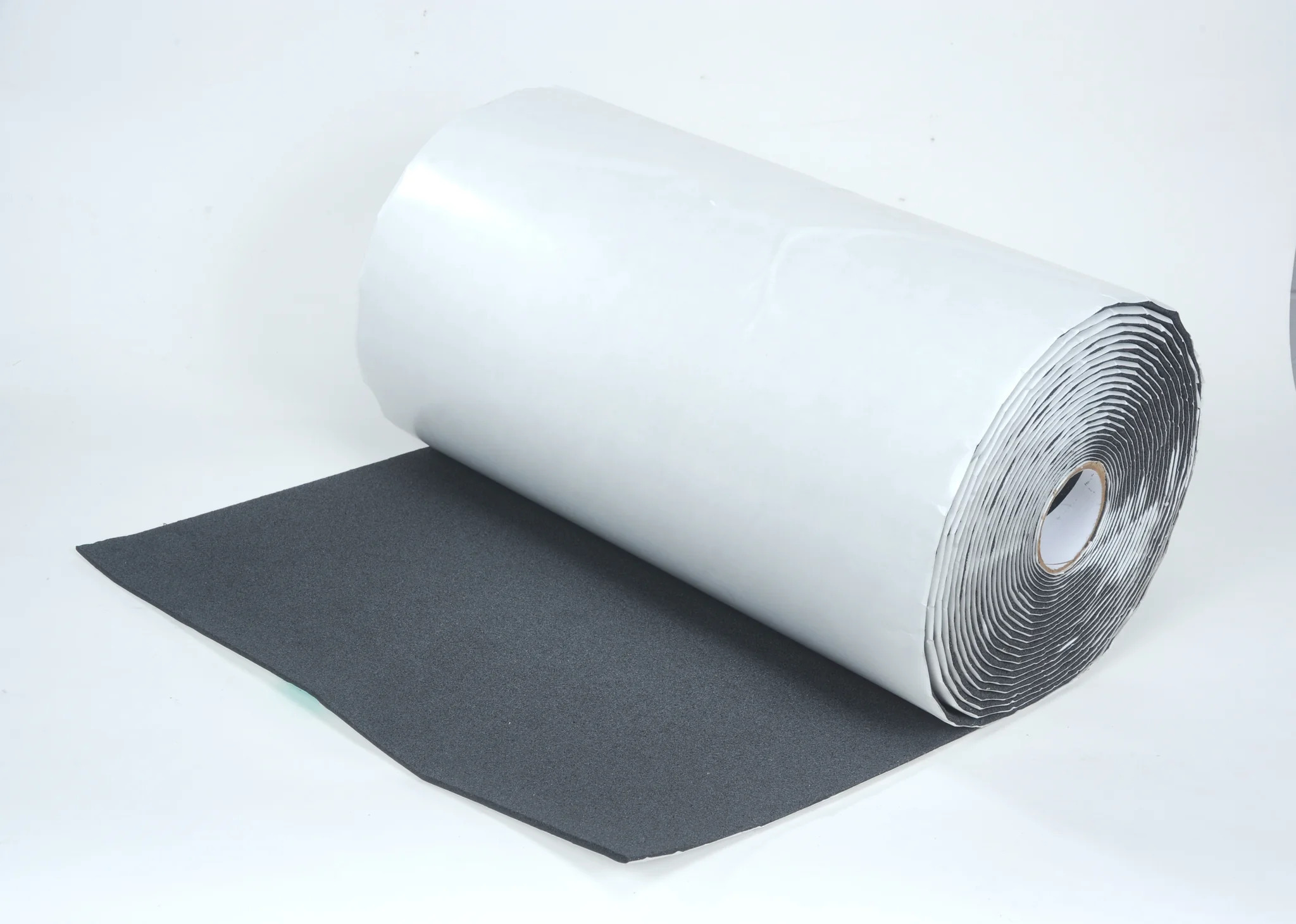
Admittedly...just like the first option, you'll have to remove the interior flooring, seats, panels ,and coverings to finish the installation. That's the time-consuming part. Actually applying the HushMat insulation lining is the easier part.
Best Features of HushMat
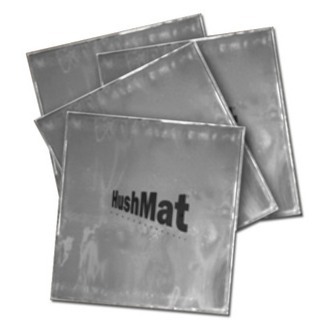
- Self-adhesive peel and install with no-tools for an easy process
- Applies to floor pan, roof side wall firewall and doors
- Insulation for sound and heat
- Weatherproof sealant against corrosion on the underbody (seat anchors and floor pan)
While you're big rig is stripped bare and you're applying the insulation, it's a great time to start adding more interior customizations.
While Insulating the Cab, Customize It
Consider a custom headliner insert or interior dome lighting, if you're so inclined.
OTR Bandit: Customizing the Cab Interior with a Headliner & Watermelon Lights
Option #2: Add a Thermoplastic Mat or Plush Sleeper Carpet Set
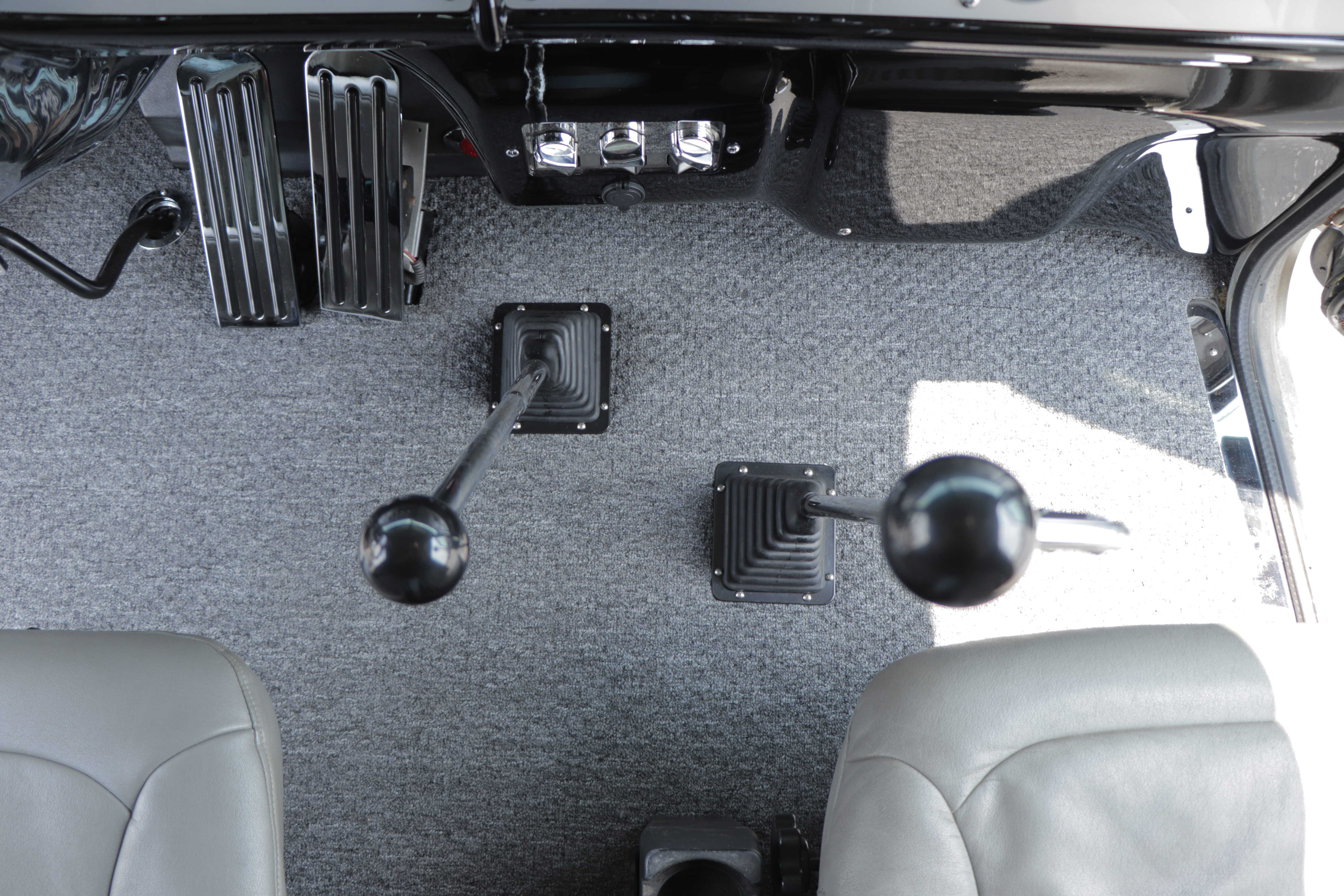
While this isn't a 100-percent fix to noise problems in a cab, it does a lot of heavy lifting. Plush sleeper-cab carpet sets in conjunction with full-floor-coverage liners really do help stop excess noise coming through the firewall and undercarriage of the truck.
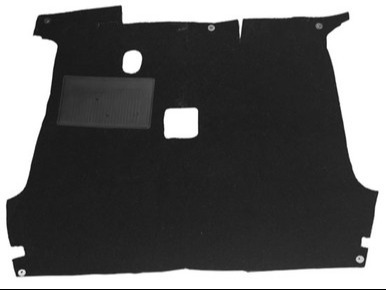
Semi truck carpet sets are lined to the make/model configuration of your truck and can serve as an extra layer of noise defense.
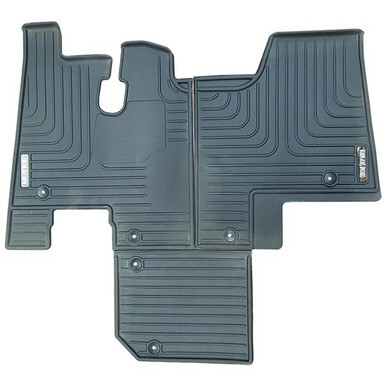
Floor liners and dense thermoplastic floor mats act as a secondary line of defense against noise pollution in your cab space.
There's also a comfort factor to consider here.
Additional Noise-Cancelling Tips
Muffle the Engine Noise & Exhaust Sound
Start by inspecting the rig for any mechanical noise leaks, like a leaking exhaust clamp, loose bracket, or damaged shifter boot.
Best order of operation when dampening noise:
- Fix leaks, loose brackets, mounts, and seals first.
- Treat the firewall and cab floor.
- Treat the sleeper floor and under-bunk area.
- Treat doors and weatherstripping.
- Treat wheel-well-adjacent interior panels.
- Treat roof/rear wall last.
Deaden the Wheel Wells

It's not common, but you can deadend the wheel wells with road-grade rubberized coating. You could also replace damaged, noise-generating components like splash shields inner fender liners, hood seals, or floor plugs.
The more tactical approach is to focus inside of the cab, as this is where noise from the engine bay and wheels reverberates in.
Weather Strip Seals on Cab Doors & Windows

Swap out the rubber weather strip seals only if they’re damaged or busted. This will only dampen the noise marginally. Honestly, the heavy lifting is done by the lining and floor carpet.
You can also replace torn door seals or add anti-rattle adhesive tape or foam around the trim clips, speaker mounts, and handle rods.
The goal is to eliminate wind noise, road hiss, and panel vibrations from entering the cab.
Cover & Dampen Noise from Metal on Metal Contact in the Sleeper
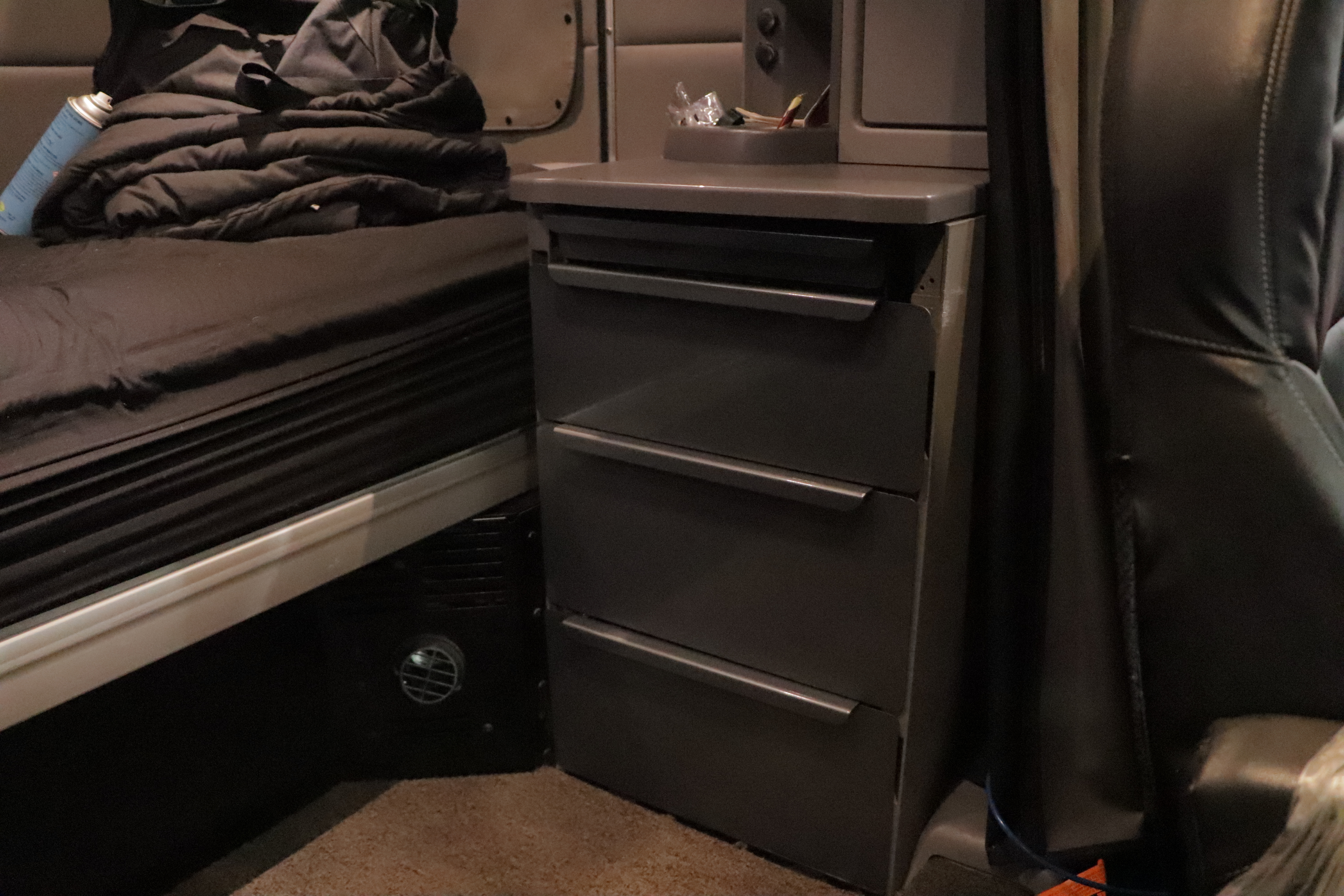
Technically, any area of the sleeper cab that has loose metal on metal contact will vibrate as you drive. So, adding a sound-deadening material to cover these areas can help.
Shop Semi Truck Interior Cab Accessories at 4 State Trucks
Use our mobile app for quick and easy browsing anywhere at any time. Get connected to a parts specialist during work hours to help locate the perfect aftermarket accessories for your semi truck.
Recent Posts
-
Haul of Fame: J&L Contracting's Award-Winning Truck
 Kenworths: Never Satisfied & Devilish Ways When you talk about Midwest trucking, heavy hauling, and …17th Sep 2026
 -
Semi Truck Exhaust Systems: Parts, Materials, Fitment & Repair Guide
 How a Semi Truck Exhaust System Works A heavy-duty exhaust system has three main jobs: route burned …16th Sep 2026
 -
Diesel Truck Engine Maintenance Guide
 Semi truck engines can last up to one million miles, or more, before they need to be rebuilt or repl …4th Sep 2026
 -
How to Buy the Right Peterbilt 379 Radiator
 If you want to keep your diesel engine from overheating you need a well-functioning replacement Pete …28th Aug 2026
 -
10 Essential Cost-Per-Mile Truck Upgrades that Pay for Themselves
 Small aftermarket semi truck accessories and performance upgrades save more money over time than the …21st Aug 2026
 -
Seasonal Semi Truck Maintenance Checklist
 Freezing winter weather temperatures, heavy snow, ice, and road salt take an unseen toll on your sem …14th Aug 2026
 -
Haul of Fame: Richard Bonner’s 1996 Peterbilt 379 — Bringing a Classic Trucker’s Truck Back to Life
 Every truck has a story, but some are worth taking a closer look at. Richard Bonner’s 1996 Peterbilt …14th Aug 2026
 -
Surviving the Scale: How to Pass Your DOT Inspection & Avoid Crippling Fees
 DOT semi truck inspections can make anyone nervous. There are multiple levels that start from a quic …7th Aug 2026
 -
Semi Truck Brake System Maintenance Guide
 Semi-truck brake defects account for 30% of out-of-service violations, according to CVSA’s 2025 Inte …4th Aug 2026
 -
How to Build a Semi Truck Emergency Kit (A Complete Checklist)
 Semi-truck breakdowns cost money and time; but they aren't inevitable. With the right emergency acce …30th Jul 2026