8 Signs Your Peterbilt 379 Steering Shaft Needs Replacement
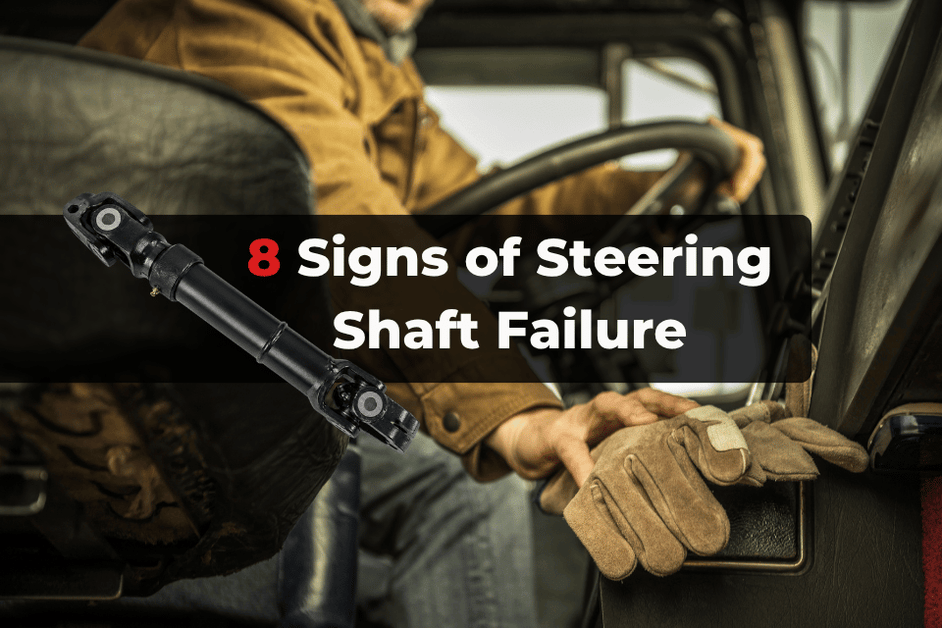
Steering issues on a Class 8 heavy-duty truck are a critical safety concern, and recognizing the bad steering shaft symptoms Peterbilt 379 trucks exhibit is vital for every owner-operator.
If you notice an unusual amount of steering play Peterbilt 379 rigs can develop over hundreds of thousands of miles, ignoring it can severely compromise vehicle control, tire life, and overall safety on the road.
This guide breaks down how to spot a steering shaft failure early on.
Common Signs of Steering Shaft Failure
- Power steering fluid leaks at the input seal
- Steering wheel misalignment
- Excessive steering wheel vibration
- Clunking, popping, and rattling sounds
- Steering wheel jerks
- Resistance points in steering
- Excessive steering wheel play
The Anatomy of a Peterbilt 379 Steering Shaft
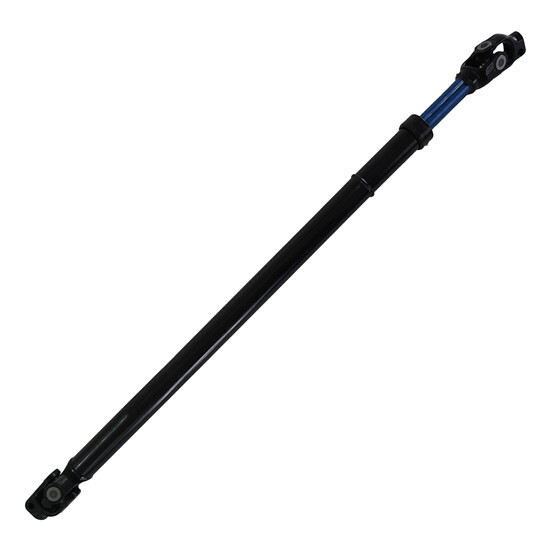
The Peterbilt 379 steering shaft bridges the gap between an independent air-ride cab and a rigid truck frame.
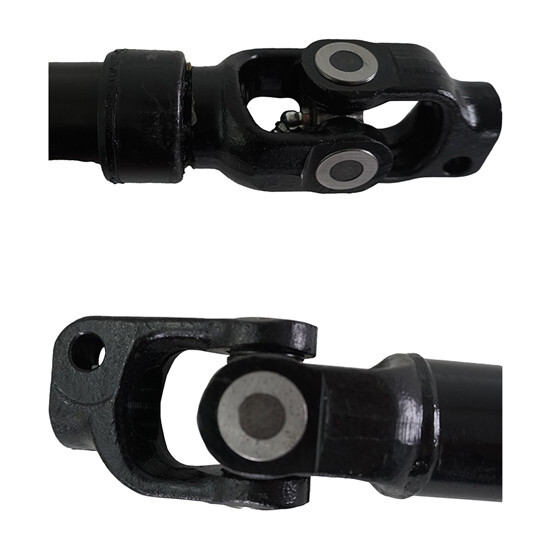
Depending on your exact chassis configuration, the assembly contains:
- Upper and Lower Shaft Sections: Heavy-wall steel tubing or solid bar stock.
- Universal Joints (U-Joints): Positioned at the angles where the shaft changes direction from the firewall down to the steering gear box.
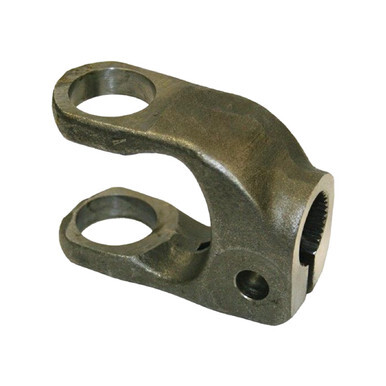
- Yokes and Couplers: The physical connection pieces that slide over the splines of the steering column and the steering gear box input shaft.
- Splined Slip Shaft / Slip Yoke: A telescoping section that allows the steering shaft to dynamically grow and shrink in length.
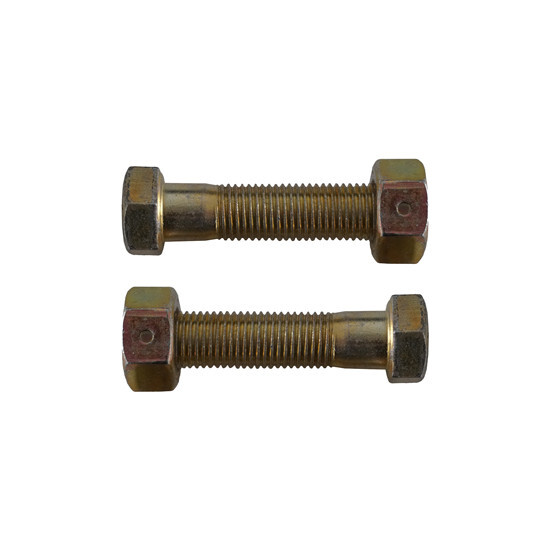
- Pinch Bolts: Specialized, high-strength safety fasteners that clamp the yokes to the splined inputs.
The Commercial Vehicle Reality: Unlike a standard commuter car or Ford pickup truck, a Peterbilt 379 semi never uses a flexible rubber "rag joint" or rubber vibration isolator in the steering shaft – but uses mechanical joints.
Why? Because the massive torque of a loaded front axle would tear a rubber component apart.
Why Peterbilt Steering Shafts Wear Out
Steering shafts operate under high-pressure conditions that lead to wear and tear over time:
Cab Suspension Ride Height Issues
The Peterbilt 379 uses an air-ride cab suspension; this causes the cab to move independently from the rigid frame rails. If the height level valve is set too high, the steering shaft must overextend to compensate. If it’s too low, the shaft bottoms out. Both extremes place axial strain on the steering gear input shaft and column bearings.
Lack of Proper Lubrication
Neglecting to grease the splines lead to binding, and dry U-joint needle bearings quickly disintegrate under heavy operating loads.
Exhaust Heat Exposure
The lower section of the steering shaft sits close to the turbo downpipe and exhaust manifold and endure extreme heat. Over time, this will dry out standard grease, compromise U-joint seals, and melt protective rubber slip boots.
Chassis Flex and Severe Duty
Off-highway, heavy-haul, logging, and dump truck operations subject the main frame rails to intense dynamic twisting. The steering shaft bears the brunt of this motion as it bridges the twisting frame to the cab.
Steering Shaft Replacement Signs & Root Causes
Sign #1: Excessive Steering Wheel Play or Sloppy Tracking
If you can rock the steering wheel back and forth several inches before the front wheels begin to track or respond, you have excessive play. The truck will feel like it is constantly wandering down the lane, requiring non-stop driver correction to maintain a straight path.
- Mechanical Cause: Needle bearings inside the upper or lower U-joint crosses have worn flat, or the internal splines within the slip yoke have developed severe backlash.
Sign #2: Binding, Catching, or "Notchy" Steering Feel
As you turn the wheel smoothly, you will hit a distinct pocket of high resistance (a tight spot) that suddenly releases, creating an uneven, manual-steering feel.
- Mechanical Cause: This occurs when a U-joint bearing seizes or when the splines on the telescoping part of the steering shaft are dry and stuck (they can’t slide or adjust to the cab’s movement).
Sign #3: Steering Wheel Jerks or Pulls Hard During Braking
Your truck tracks straight normally, but the steering wheel violently tugs to one side the moment you apply heavy brake pressure.
- Mechanical Cause: When you brake hard, your cab naturally dips forward. If your steering shaft is stuck and cannot slide to account for this dip, it becomes a rigid rod. As the cab moves, the shaft jams into your steering gear box, which forces your wheels to turn unexpectedly.
Sign #4: Audible Clunks, Pops, or Rattles
You notice a metallic clunk coming through the firewall or floorboards when crossing railroad tracks, driving over rough pavement, or maneuvering at slow speeds through a loading yard.
- Mechanical Cause: A sharp metallic pop during hard turns usually indicates a stretched, loose, or elongated pinch bolt hole at the coupler. Lower-pitched clunks over bumps indicate a slip shaft that is violently rattling inside its own sleeve due to worn out splined surfaces.
Sign #5: Excessive Steering Wheel Vibration
High-frequency vibration radiates up through the steering wheel rim at highway speeds or specifically while sweeping through long curves.
- Mechanical Cause: While often confused with tire imbalance, a steering-shaft-induced vibration is almost always caused by a failing U-joint or severe shaft phasing issues (where the upper and lower yokes are twisted out of alignment with one another, preventing smooth rotational velocity translation).
Sign #6: Visible Red Dust (Fretting Corrosion) or Torn Boots
Pop the hood and check the universal joints and slip section. You're looking for two major red flags: a torn rubber boot or fine, red rust powder coating the U-joint caps.
The "Red Dust" Warning: If you see rusty powder around the U-joints, the internal seals have failed. Water has gotten in, the grease has washed out, and the needle bearings are actively grinding themselves to dust. Total steering failure is imminent—replace the assembly immediately.
Sign #7: Sudden Steering Wheel Misalignment
The cross-bars of your steering wheel are off-center without having hit any potholes or steep curbs.
CRITICAL SAFETY WARNING: A sudden change at the steering shaft means a splined coupler is actively failing. If the metal teeth on a shaft coupler strip under load, it will lead to a total loss of steering control. Don’t operate a truck if a steering component has slipped its indexing position.
Sign #8: Power Steering Fluid Leak at the Input Seal
You notice a persistent puddle or film of power steering fluid weeping out from the very top input seal of the steering gear box assembly.
- Mechanical Cause: This leak is often the symptom, not the root cause. If the lower U-joint is worn out or the shaft is bent, the shaft will wobble as it spins. This constant "shaking" hammers the steering gear's input shaft, which eventually tears the rubber seal and causes a power steering fluid leak.
Shop Power Steering Reservoir Replacements, Filter Caps, Seals & Gaskets
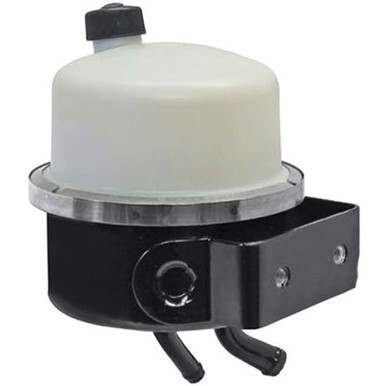
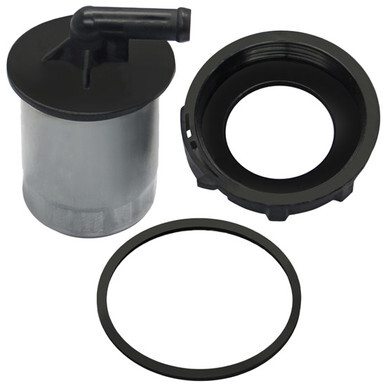
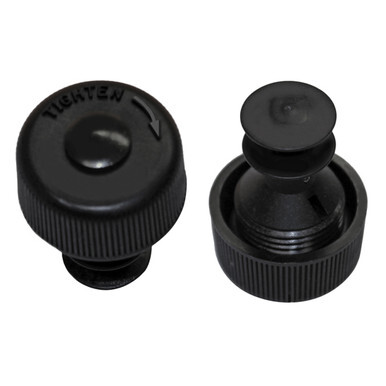
Shop for Peterbilt 379 Steering Components at 4 State Trucks
Completely restore poor steering play for the Peterbilt 379 with our in-stock selection of steering shaft assembly parts. Find the right hardware and replacement parts to outfit your truck today. Use the mobile app or drop by our semi truck parts store in Joplin, Missouri.
Recent Posts
-
Haul of Fame: J&L Contracting's Award-Winning Truck
 Kenworths: Never Satisfied & Devilish Ways When you talk about Midwest trucking, heavy hauling, and …17th Sep 2026
 -
Semi Truck Exhaust Systems: Parts, Materials, Fitment & Repair Guide
 How a Semi Truck Exhaust System Works A heavy-duty exhaust system has three main jobs: route burned …16th Sep 2026
 -
Diesel Truck Engine Maintenance Guide
 Semi truck engines can last up to one million miles, or more, before they need to be rebuilt or repl …4th Sep 2026
 -
How to Buy the Right Peterbilt 379 Radiator
 If you want to keep your diesel engine from overheating you need a well-functioning replacement Pete …28th Aug 2026
 -
10 Essential Cost-Per-Mile Truck Upgrades that Pay for Themselves
 Small aftermarket semi truck accessories and performance upgrades save more money over time than the …21st Aug 2026
 -
Seasonal Semi Truck Maintenance Checklist
 Freezing winter weather temperatures, heavy snow, ice, and road salt take an unseen toll on your sem …14th Aug 2026
 -
Haul of Fame: Richard Bonner’s 1996 Peterbilt 379 — Bringing a Classic Trucker’s Truck Back to Life
 Every truck has a story, but some are worth taking a closer look at. Richard Bonner’s 1996 Peterbilt …14th Aug 2026
 -
Surviving the Scale: How to Pass Your DOT Inspection & Avoid Crippling Fees
 DOT semi truck inspections can make anyone nervous. There are multiple levels that start from a quic …7th Aug 2026
 -
Semi Truck Brake System Maintenance Guide
 Semi-truck brake defects account for 30% of out-of-service violations, according to CVSA’s 2025 Inte …4th Aug 2026
 -
How to Build a Semi Truck Emergency Kit (A Complete Checklist)
 Semi-truck breakdowns cost money and time; but they aren't inevitable. With the right emergency acce …30th Jul 2026