



Peterbilt 330/335/337 Gauges & Switches
Looking to upgrade the gauges in your Peterbilt 330? Shop our huge inventory of chrome gauges and custom aftermarket parts. You'll like what you see.
- Product
- Qty in Cart
- Quantity
- Price
- Subtotal
-
FREE SHIPPING OVER $249

Adapter Plug For Speedometer & Tachometer Gauge Replaces 17-03190, 17-03183 By Isspro
ISSPRO
$50.99Speedometer & Tachometer Adapter PlugAt 4 State Trucks, we offer top of the line aftermarket Isspro adapter plugs for speedometer and tachometers. This adapter plug is for when installing Isspro...29-1502700- SKU:
- 29-1502700
- Location:
- Made In USA
- Truck Class:
- Heavy Duty
- Make:
- Peterbilt
- Make:
- Kenworth
- Product Type:
- Interior
- Ready To Ship:
- Yes
$50.99Qty in Cart: 0Price:$50.99Subtotal: -
FREE SHIPPING
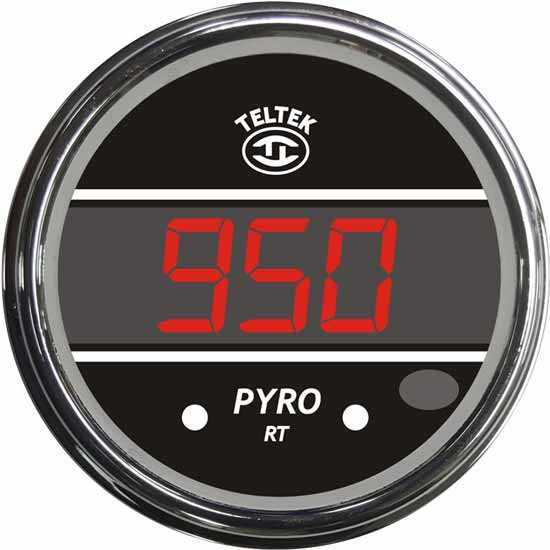
Digital 2-1/16 Inch Pyrometer 40-1850 Degree F With Chrome Bezel
TELTEK
$298.99 - $310.99Monitor exhaust gas temperatures with this digital 2-1/16 inch pyrometer featuring a chrome bezel and a 40-1850F range. The unit includes a complete installation kit with the gauge, thermocouple, and...PPR_203999- SKU:
- PPR_203999
- Location:
- Made In USA
- Truck Class:
- Universal
- Style Options:
- Digital
- Make:
- Universal Items
- Truck Class:
- Heavy Duty
- Make:
- Ford
- Make:
- Kenworth
- Make:
- Western Star
- Make:
- GMC
- Make:
- Peterbilt
- Make:
- International
- Make:
- Volvo
- Make:
- Freightliner
- Make:
- Mack
- Product Type:
- Interior
- Ready To Ship:
- Yes
$298.99 - $310.99Qty in Cart: 0Price:$298.99 - $310.99Subtotal: -
FREE SHIPPING

Digital Speedometer Gauge With Trip Meter 0-150 MPH
TELTEK
$298.99 - $343.99Elevate your ride with a Digital Speedometer Gauge With Trip Meter 0?150 MPH, a high?quality digital speedometer gauge designed to read speed from 0 to 150?mph and include both odometer and trip...PPR_201994- SKU:
- PPR_201994
- Location:
- Made In USA
- Truck Class:
- Heavy Duty
- Style Options:
- Digital
- Make:
- Peterbilt
- Make:
- Kenworth
- Make:
- Freightliner
- Make:
- Ford
- Make:
- Western Star
- Product Type:
- Interior
- Ready To Ship:
- Yes
$298.99 - $343.99Qty in Cart: 0Price:$298.99 - $343.99Subtotal: -
FREE SHIPPING OVER $249
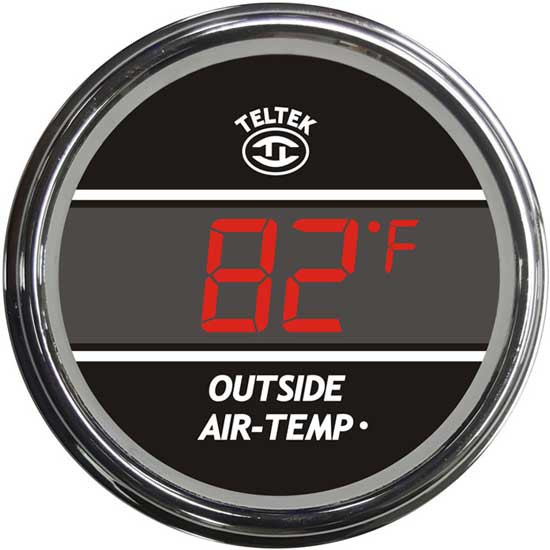
Teltek Digital Outside Air Temperature Gauge With Ice Warning
TELTEK
$131.99Simply monitor outside conditions with the Teltek Digital Outside Air Temperature Gauge With Ice Warning; shows ambient air temperature on a clear LED display and alerts you when the risk of ice may...PPR_201967- SKU:
- PPR_201967
- Truck Class:
- Universal
- Location:
- Made In USA
- Style Options:
- Digital
- Make:
- Universal Items
- Truck Class:
- Heavy Duty
- Make:
- Peterbilt
- Make:
- Kenworth
- Make:
- Freightliner
- Make:
- Western Star
- Make:
- Ford
- Product Type:
- Interior
- Ready To Ship:
- Yes
$131.99Qty in Cart: 0Price:$131.99Subtotal: -
FREE SHIPPING OVER $249

3.375 Inch Chrome Electric Tachometer Gauge 0-3000 RPM By Isspro
ISSPRO
$190.99Issopro Classic Tachometer Gauge W/ Chrome BezelFind aftermarket this 3-3/8 inch Isspro electronic tachometer with a 3000 RPM limit at 4 State Trucks. It features a chrome bezel and a white tip...29-1502503- SKU:
- 29-1502503
- Diameter Options:
- 3 Inch
- Truck Class:
- Heavy Duty
- Location:
- Made In USA
- Color:
- White
- Style Options:
- Analog
- Shape Options:
- Round
- Make:
- Universal Items
- Product Type:
- Interior
- Ready To Ship:
- Yes
$190.99Qty in Cart: 0Price:$190.99Subtotal: -
FREE SHIPPING OVER $249

3 Inch Chrome Electric Pyrometer Gauge, 0-1800 Degree, By Isspro
ISSPRO
$188.993 Inch Electric Pyrometer Gauge With Chrome BezelAvoid serious engine damage by monitoring the EGTs with this 3 inch aftermarket Isspro universal Pyrometer. It has a chrome ring around a black face...09-1502502- SKU:
- 09-1502502
- Diameter Options:
- 3 Inch
- Truck Class:
- Universal
- Location:
- Made In USA
- Color:
- Red
- Style Options:
- Analog
- Shape Options:
- Round
- Make:
- Universal Items
- Product Type:
- Interior
- Ready To Ship:
- Yes
$188.99Qty in Cart: 0Price:$188.99Subtotal: -
FREE SHIPPING OVER $249
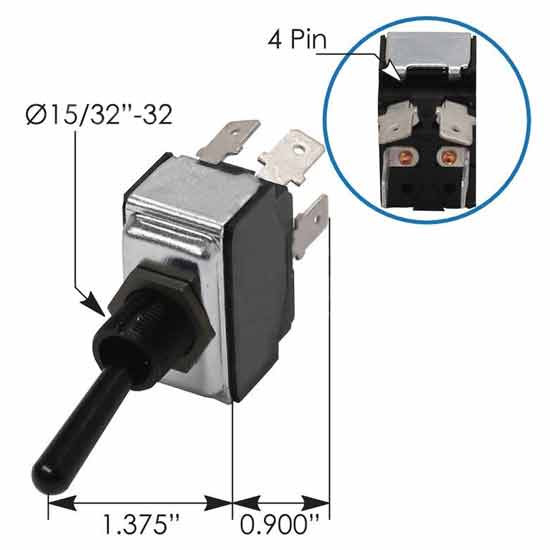
Headlight & Marker Switch Replaces 16-06657 For Peterbilt 300, 357, 359, 377, 378, 379, 385 & 387
AUTOMANN USA
$27.16Headlight & Marker Switch Toggle W/ 4 Spade Connections Fits Peterbilt 300, 357, 359, 377, 378, 379, 385 & 387 Replaces 16-06657When your lighting controls start to fade, this dependable Headlight &...01-16190600- SKU:
- 01-16190600
- Truck Class:
- Heavy Duty
- Make:
- Peterbilt
- Product Type:
- Lighting
- Ready To Ship:
- Yes
$27.16Qty in Cart: 0Price:$27.16Subtotal: -
FREE SHIPPING OVER $249

Wire Harness For Outside Temperature Gauge -16 Foot
TELTEK
$21.42Outside Temperature Gauge Plug-In CableTake outside air temperature readings by connecting to the Electronic Ambient Temperature Sensor on the gauge with this high quality wire harness. It is 16 ft...09-1502120- SKU:
- 09-1502120
- Truck Class:
- Universal
- Location:
- Made In USA
- Make:
- Universal Items
- Product Type:
- Interior
- Ready To Ship:
- Yes
$21.42Qty in Cart: 0Price:$21.42Subtotal: -
FREE SHIPPING

3.375 Inch Chrome Electric Speedometer 120 MPH, By Isspro
ISSPRO
$283.99120 MPH Electric SpeedometerThis 3.375 inch Electric Speedometer - 120 MPH utilizes perimeter lighting and has a million mile odometer with tenths. The speedometer has a black dial with white...29-1502501- SKU:
- 29-1502501
- Diameter Options:
- 3 Inch
- Truck Class:
- Heavy Duty
- Location:
- Made In USA
- Style Options:
- Analog
- Make:
- Freightliner
- Make:
- Mack
- Make:
- Ford
- Make:
- Kenworth
- Make:
- Western Star
- Make:
- GMC
- Make:
- Peterbilt
- Make:
- International
- Make:
- Volvo
- Product Type:
- Interior
- Ready To Ship:
- Yes
$283.99Qty in Cart: 0Price:$283.99Subtotal: -
FREE SHIPPING OVER $249

2 Inch Chrome Mechanical Water Temperature Gauge With 96 Inch Lead, 100-265 Degree, By Isspro
ISSPRO
$119.992 Inch Mechanical Water Temp GaugeAt 4 State Trucks we have aftermarket Isspro mechanical water temperature gauges for your big rig. This 2-inch gauge has a black face with white numbers, includes a...09-1502511- SKU:
- 09-1502511
- Color:
- White
- Diameter Options:
- 2 Inch
- Truck Class:
- Universal
- Location:
- Made In USA
- Style Options:
- Analog
- Shape Options:
- Round
- Make:
- Universal Items
- Product Type:
- Interior
- Ready To Ship:
- Yes
$119.99Qty in Cart: 0Price:$119.99Subtotal: -

3-3/8 Inch Electric Speedometer Gauge 0-100 MPH, Programable, W/ Odometer, By Isspro
ISSPRO
$285.993-3/8 Inch Electric Speedometer 0-100 MPH W/ Odometer & Chrome BezelThe 3-3/8 inch programmable electric speedometer is capable of measuring speeds from 0 to 100 mph and has a resettable odometer...09-150100283- SKU:
- 09-150100283
- Diameter Options:
- 3 Inch
- Truck Class:
- Universal
- Location:
- Made In USA
- Color:
- White
- Style Options:
- Analog
- Shape Options:
- Round
- Make:
- Universal Items
- Product Type:
- Interior
- Ready To Ship:
- Yes
$285.99Qty in Cart: 0Price:$285.99Subtotal: -
FREE SHIPPING OVER $249

Teltek Digital Water Temperature Gauge
TELTEK
$163.99 - $166.99A digital water temperature gauge gives you a straightforward way to monitor coolant temperature between 100 F and 300 F with a clear LED display available in blue, green, or red and mounts in a...PPR_201970- SKU:
- PPR_201970
- Truck Class:
- Heavy Duty
- Location:
- Made In USA
- Style Options:
- Digital
- Make:
- Kenworth
- Make:
- Freightliner
- Make:
- Ford
- Make:
- Western Star
- Make:
- Peterbilt
- Product Type:
- Interior
- Ready To Ship:
- Yes
$163.99 - $166.99Qty in Cart: 0Price:$163.99 - $166.99Subtotal: -
FREE SHIPPING OVER $249
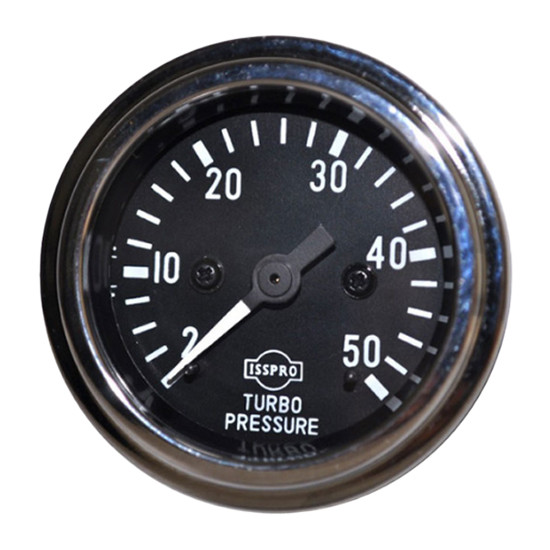
Isspro 2 Inch Chrome Mechanical Turbo Pressure Gauge 2-50P PSI
ISSPRO
$102.992-50p PSI Mechanical Turbo Pressure GaugeThis Isspro 2 inch mechanical turbo pressure gauge offers a 2-50 PSI limit and comes with a warranty against defects in materials and workmanship. Isspro is a...09-1502505- SKU:
- 09-1502505
- Location:
- Made In USA
- Truck Class:
- Heavy Duty
- Color:
- White
- Diameter Options:
- 2 Inch
- Style Options:
- Analog
- Shape Options:
- Round
- Make:
- Universal Items
- Product Type:
- Interior
- Ready To Ship:
- Yes
$102.99Qty in Cart: 0Price:$102.99Subtotal: -
FREE SHIPPING OVER $249

Isspro 2 Inch Chrome Electrical Water Temperature Gauge 100-280 Degree
ISSPRO
$61.99100-280 Degree Electric Water Temp GaugeFind aftermarket Isspro electrical water temperature gauges for your big rig at 4 State Trucks. This 2-inch gauge has a black face with white numbers, has a...09-1502513- SKU:
- 09-1502513
- Diameter Options:
- 2 Inch
- Color:
- White
- Truck Class:
- Universal
- Location:
- Made In USA
- Style Options:
- Analog
- Shape Options:
- Round
- Make:
- Universal Items
- Product Type:
- Interior
- Ready To Ship:
- Yes
$61.99Qty in Cart: 0Price:$61.99Subtotal: -
FREE SHIPPING OVER $249
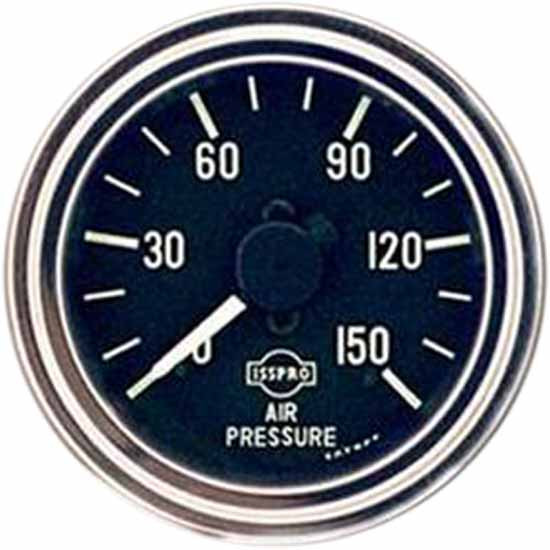
Isspro 2 Inch Chrome Mechanical Truck Air Pressure Gauge 0-150 PSI
ISSPRO
$80.990-150 PSI Mechanical Air Pressure GaugeThis truck air pressure gauge by Isspro a mechanical gauge that features a 2-inch chrome face with a pneumatic range display from 0-150 PSI. It comes with a...09-1502506- SKU:
- 09-1502506
- Diameter Options:
- 2 Inch
- Color:
- White
- Location:
- Made In USA
- Truck Class:
- Heavy Duty
- Style Options:
- Analog
- Shape Options:
- Round
- Make:
- Universal Items
- Product Type:
- Interior
- Ready To Ship:
- Yes
$80.99Qty in Cart: 0Price:$80.99Subtotal: -
FREE SHIPPING OVER $249
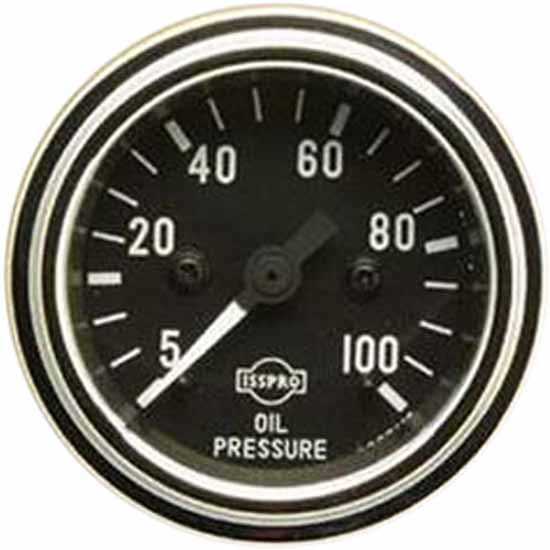
Isspro 2 Inch Chrome Mechanical Oil Pressure Gauge 0-100 PSI
ISSPRO
$73.990-100 PSI Mechanical Oil Pressure GaugeLet 4 State Trucks help you monitor your oil pressure with this top of the line Isspro mechanical oil pressure gauge. Isspro is known for rugged reliability and...09-1502504- SKU:
- 09-1502504
- Diameter Options:
- 2 Inch
- Location:
- Made In USA
- Truck Class:
- Heavy Duty
- Color:
- White
- Style Options:
- Analog
- Shape Options:
- Round
- Make:
- Universal Items
- Product Type:
- Interior
- Ready To Ship:
- Yes
$73.99Qty in Cart: 0Price:$73.99Subtotal: -
FREE SHIPPING OVER $249

Isspro 2 Inch Chrome Voltmeter Gauge- 12VDC / 10-16 VDC
ISSPRO
$63.9910-16V Voltmeter GaugeAt 4 State Trucks, we offer 2-inch Isspro voltmeters for your big rig. This aftermarket voltmeter features a range of 10-16 volts and comes with a warranty against defects in...09-1502514- SKU:
- 09-1502514
- Diameter Options:
- 2 Inch
- Truck Class:
- Universal
- Location:
- Made In USA
- Style Options:
- Analog
- Shape Options:
- Round
- Make:
- Universal Items
- Product Type:
- Interior
- Ready To Ship:
- Yes
$63.99Qty in Cart: 0Price:$63.99Subtotal: -
FREE SHIPPING OVER $249
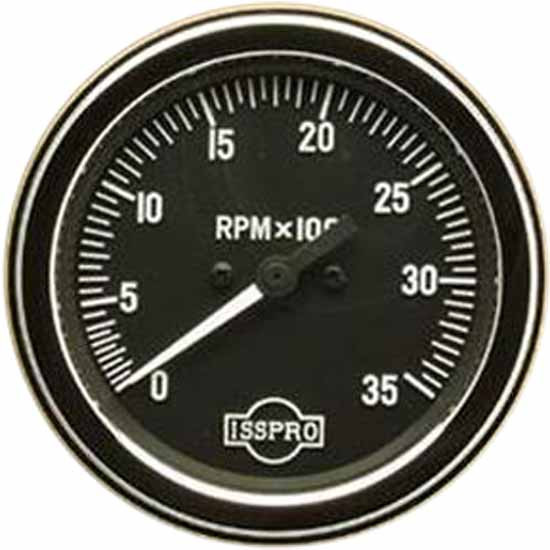
3.375 Inch Chrome Mechanical Tachometer Gauge 0-3500 RPM, By Isspro
ISSPRO
$199.990 - 3000 RPM Black Face Mechanical TachometerThe ISSPRO Mechanical Tachometer Gauge is a cable-driven device known for its ruggedness and reliability, making it ideal for both new installations and...29-1502504- SKU:
- 29-1502504
- Diameter Options:
- 3 Inch
- Truck Class:
- Heavy Duty
- Color:
- White
- Location:
- Made In USA
- Style Options:
- Analog
- Shape Options:
- Round
- Make:
- Universal Items
- Product Type:
- Interior
- Ready To Ship:
- Yes
$199.99Qty in Cart: 0Price:$199.99Subtotal: -
FREE SHIPPING

Teltek Digital Fuel Pressure Gauge 0-300 PSI
TELTEK
$259.99 - $302.99This digital fuel pressure gauge (0-300?PSI) is a made?in?USA instrument that displays real?time fuel pressure on a clear LED readout with a choice of blue, green, or red display and includes a...PPR_201979- SKU:
- PPR_201979
- Location:
- Made In USA
- Truck Class:
- Heavy Duty
- Style Options:
- Digital
- Make:
- Freightliner
- Make:
- Ford
- Make:
- Western Star
- Make:
- Peterbilt
- Make:
- Kenworth
- Product Type:
- Interior
$259.99 - $302.99Qty in Cart: 0Price:$259.99 - $302.99Subtotal: -

5 Inch Programmable Electric Speedometer Gauge- 80MPH/140KPH, By Isspro
ISSPRO
$414.99Electric Programmable Speedometer with Both MPH and KPH RangeThe ISSPRO 5 inch Programmable Electric Speedometer offers dual MPH and KPH readings, with a 0-80 MPH range in white and a 0-120 KPH range...29-1502537- SKU:
- 29-1502537
- Color:
- Red
- Truck Class:
- Heavy Duty
- Diameter Options:
- 5 Inch
- Style Options:
- Analog
- Shape Options:
- Round
- Make:
- Universal Items
- Product Type:
- Interior
- Ready To Ship:
- Yes
$414.99Qty in Cart: 0Price:$414.99Subtotal: -
FREE SHIPPING OVER $249

2 1/16 Inch Chrome Electric Pyrometer Gauge, 0-1800 Degree, By Isspro
ISSPRO
$173.992 1/16 Inch Round Chrome Plated PyrometerAvoid serious engine damage by monitoring the EGTs with this 2 inch aftermarket Isspro universal Pyrometer. It has a chrome ring around the face and features...09-1502503- SKU:
- 09-1502503
- Diameter Options:
- 2 Inch
- Truck Class:
- Universal
- Color:
- Red
- Location:
- Made In USA
- Style Options:
- Analog
- Shape Options:
- Round
- Make:
- Universal Items
- Product Type:
- Interior
- Ready To Ship:
- Yes
$173.99Qty in Cart: 0Price:$173.99Subtotal: -
FREE SHIPPING OVER $249

Isspro 2.6 Inch Magnetic Pick Up Sender W/ 3/4 Inch -16 Threading & Wire Leads
ISSPRO
$63.99Magnetic Pick UpSenderWe offer top of the line aftermarket Isspro magnetic pick up senders for your big rig. This sender is to be used with Isspro speedometers and tachometers. It features wire lead...29-071002- SKU:
- 29-071002
- Truck Class:
- Heavy Duty
- Make:
- Universal Items
- Product Type:
- Engine Parts
- Ready To Ship:
- Yes
$63.99Qty in Cart: 0Price:$63.99Subtotal: -
FREE SHIPPING

Digital Dual Display Gauge Load Pressure Tractor/Trailer 0-100 PSI
TELTEK
$335.99 - $388.99Optimize your ride with a digital dual display load pressure gauge (0-100?PSI), an American?made instrument that shows both tractor and trailer air bag pressure on two LED readouts side by side. It...PPR_201989- SKU:
- PPR_201989
- Location:
- Made In USA
- Truck Class:
- Heavy Duty
- Style Options:
- Digital
- Make:
- Peterbilt
- Make:
- Kenworth
- Make:
- Freightliner
- Make:
- Western Star
- Make:
- Ford
- Make:
- Trailer
- Color:
- Red
- Rating:
- 100 PSI
- Product Type:
- Interior
- Ready To Ship:
- Yes
$335.99 - $388.99Qty in Cart: 0Price:$335.99 - $388.99Subtotal: -

2-1/16 Inch Pyrometer Kit 0-1800F W/ Chrome Bezel, Black Face, Red Pointer, 14 Ft. Wiring, By Isspro
ISSPRO
$299.992-1/16 Inch Pyrometer Kit 0-1800F W/ Chrome Bezel, Black Face, Red Pointer & 14 Ft. WiringThis ISSPRO Electric Pyrometer Gauge has a 250-degree sweep capability and a 2 1/16-inch gauge diameter. It...09-150100196- SKU:
- 09-150100196
- Color:
- Red
- Diameter Options:
- 2 Inch
- Truck Class:
- Universal
- Location:
- Made In USA
- Style Options:
- Analog
- Shape Options:
- Round
- Make:
- Universal Items
- Product Type:
- Interior
- Ready To Ship:
- Yes
$299.99Qty in Cart: 0Price:$299.99Subtotal: -

Isspro 3 Inch Pyrometer 0-1800F W/ Satin Chrome Bezel, Black Face, Red Pointer, Color-Coded Dial
ISSPRO
$162.993 Inch Pyrometer 0-1800F W/ Satin Chrome Bezel, Black Face, Red Pointer & Color-Coded Dial* High Quality Pyrometer* 3 Inch* 0-1800F* With Satin Chrome Bezel, Black Face, Color Coded Dial, Red...09-150100170- SKU:
- 09-150100170
- Color:
- Red
- Diameter Options:
- 3 Inch
- Truck Class:
- Universal
- Location:
- Made In USA
- Style Options:
- Analog
- Shape Options:
- Round
- Make:
- Universal Items
- Product Type:
- Interior
- Ready To Ship:
- Yes
$162.99Qty in Cart: 0Price:$162.99Subtotal: -

3 Inch Pyrometer Gauge Kit, 0-1800 Degrees, By Isspro
ISSPRO
$314.993 Inch Electric Head Pyrometer Kit W/ Chrome Bezel, Thermocouple,14 Ft. Wiring, BushingCheck out this Semi Truck Chrome Electric Head Pyrometer Gauge by ISSPRO! It comes with a Thermocouple C/A Probe...09-150100187- SKU:
- 09-150100187
- Location:
- Made In USA
- Color:
- Red
- Diameter Options:
- 3 Inch
- Truck Class:
- Universal
- Style Options:
- Analog
- Shape Options:
- Round
- Make:
- Universal Items
- Product Type:
- Interior
- Ready To Ship:
- Yes
$314.99Qty in Cart: 0Price:$314.99Subtotal: -
FREE SHIPPING OVER $249

Thermocouple For Digital Pyrometer, By Teltek
TELTEK
$110.99Thermocouple Teltek Digital PyrometerThe Teltek digital pyrometer can be paired with a reliable and high-quality thermocouple, available for individual purchase. Designed to meet your temperature...09-1502183- SKU:
- 09-1502183
- Location:
- Made In USA
- Truck Class:
- Universal
- Make:
- Universal Items
- Product Type:
- Interior
- Ready To Ship:
- Yes
$110.99Qty in Cart: 0Price:$110.99Subtotal: -

Isspro 3.375 Inch Programmable Electric Speedometer 0-80 MPH W/ Odometer, Microprocess, Black Bezel
ISSPRO
$263.993.375 Inch Programmable Electric Speedometer 0-80 MPH W/ Odometer, Black Face, Red Pointer & Black BezelThe Isspro 3-3/8 inch Electric Speedometer measures speeds up to 80 MPH or 130 KPH. Its sleek...09-150100266- SKU:
- 09-150100266
- Color:
- Red
- Diameter Options:
- 3 Inch
- Truck Class:
- Universal
- Location:
- Made In USA
- Style Options:
- Analog
- Shape Options:
- Round
- Make:
- Universal Items
- Product Type:
- Interior
- Ready To Ship:
- Yes
$263.99Qty in Cart: 0Price:$263.99Subtotal: -
FREE SHIPPING OVER $249
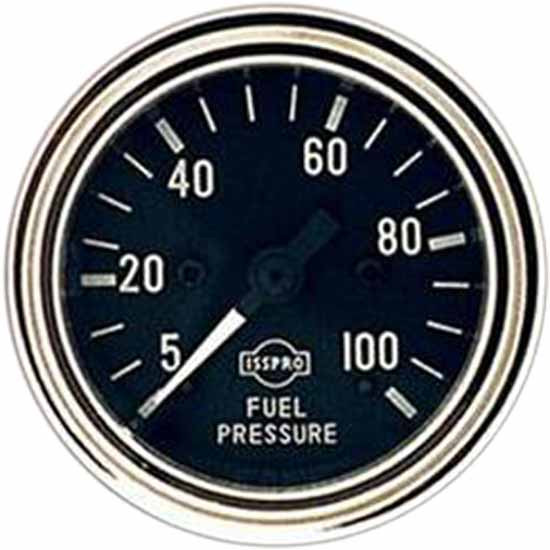
Isspro 2 1/16 Inch Chrome Mechanical Fuel Pressure Gauge 5-100 PSI
ISSPRO
$70.99100 PSI Mechanical Fuel Pressure GaugeFind aftermarket Isspro mechanical fuel pressure gauges with a range of 5-100 PSI for your big rig at 4 State Trucks. This gauge has a black face with white...09-1502507- SKU:
- 09-1502507
- Color:
- White
- Location:
- Made In USA
- Diameter Options:
- 2 Inch
- Truck Class:
- Heavy Duty
- Style Options:
- Analog
- Shape Options:
- Round
- Make:
- Universal Items
- Product Type:
- Interior
- Ready To Ship:
- Yes
$70.99Qty in Cart: 0Price:$70.99Subtotal: -

2-1/16 Inch Pyrometer 300-1500F W/ Chrome Bezel, Black Face, Red Pointer
ISSPRO
$148.992-1/16 Inch Pyrometer 300-1500F W/ Chrome Bezel, Black Face & Red Pointer* High Quality Pyrometer* 2-1/16 Inch * 300-1500F* With Chrome Bezel, Black Face, Red Pointer* Sold Individually* Made In USA*...09-150100181- SKU:
- 09-150100181
- Location:
- Made In USA
- Color:
- Red
- Diameter Options:
- 2 Inch
- Truck Class:
- Universal
- Style Options:
- Analog
- Shape Options:
- Round
- Make:
- Universal Items
- Product Type:
- Interior
- Ready To Ship:
- Yes
$148.99Qty in Cart: 0Price:$148.99Subtotal: -
FREE SHIPPING

Digital Tachometer Gauge 0-8000 RPM
TELTEK
$298.99 - $337.99This Digital Tachometer Gauge 0-8000?RPM is an engine?speed gauge designed to display engine revolutions per minute with a vibrant blue, green or red digital readout. Made in the USA by Teltek and...PPR_201993- SKU:
- PPR_201993
- Location:
- Made In USA
- Truck Class:
- Heavy Duty
- Style Options:
- Digital
- Make:
- Ford
- Make:
- Western Star
- Make:
- Peterbilt
- Make:
- Kenworth
- Make:
- Freightliner
- Make:
- Dodge
- Product Type:
- Interior
- Ready To Ship:
- Yes
$298.99 - $337.99Qty in Cart: 0Price:$298.99 - $337.99Subtotal: -
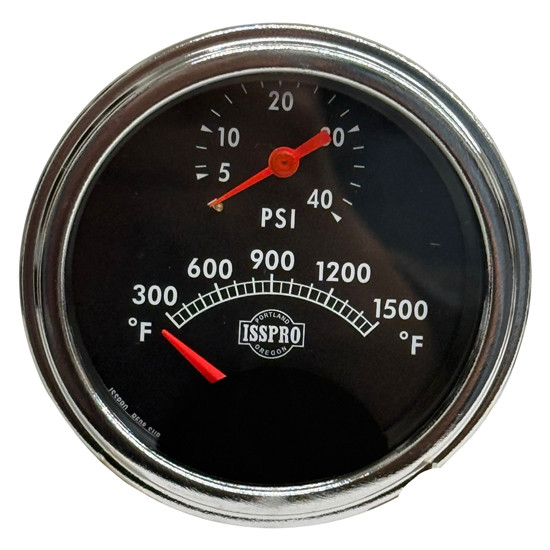
Isspro 3 Inch Turbocator Pyrometer/Boost Gauge 300-1500F, 0-40 PSI W/ Black Face, Red Pointers, Chrome Bezel
ISSPRO
$241.993 Inch Turbocator Pyrometer/Boost Gauge 300-1500F, 0-40 PSI W/ Black Face, Red Pointers & Chrome Bezel* High Quality Turbocator- 2 In 1 Pyrometer And Boost Gauge* 3 Inch * 300-1500F* 0-40 PSI...09-150100210- SKU:
- 09-150100210
- Color:
- Red
- Diameter Options:
- 3 Inch
- Truck Class:
- Universal
- Location:
- Made In USA
- Style Options:
- Analog
- Shape Options:
- Round
- Make:
- Universal Items
- Product Type:
- Interior
- Ready To Ship:
- Yes
$241.99Qty in Cart: 0Price:$241.99Subtotal: -
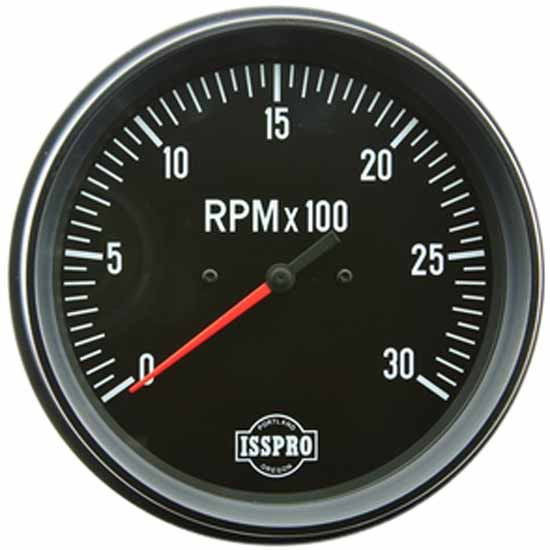
Isspro 5 Inch Electric Tachometer 0-3K W/ Black Face, Red Pointer, Black Bezel
ISSPRO
$373.995 Inch Electric Tachometer 0-3000 RPM* High Quality Electric Tachometer* 5 Inch* 0-3K* Black Bezel, Black Face, Red Pointer* Requires Sensor - Sold Separately * Without Hourmeter* Sold Individually*...09-150100311- SKU:
- 09-150100311
- Color:
- Red
- Diameter Options:
- 5 Inch
- Truck Class:
- Universal
- Location:
- Made In USA
- Style Options:
- Analog
- Shape Options:
- Round
- Make:
- Universal Items
- Product Type:
- Interior
- Ready To Ship:
- Yes
$373.99Qty in Cart: 0Price:$373.99Subtotal: -
FREE SHIPPING OVER $249

Isspro 2 Inch Chrome Electric Oil Temperature Gauge 140-320 Degree
ISSPRO
$74.99140-320 Degree Electric Oil Temp GaugeWe offer aftermarket Isspro electric oil temperature gauges for your big rig. This 2-inch gauge has a range of 140-320 degrees, has a black face with white...09-1502512- SKU:
- 09-1502512
- Diameter Options:
- 2 Inch
- Truck Class:
- Universal
- Location:
- Made In USA
- Color:
- White
- Style Options:
- Analog
- Shape Options:
- Round
- Make:
- Universal Items
- Product Type:
- Interior
- Ready To Ship:
- Yes
$74.99Qty in Cart: 0Price:$74.99Subtotal: -
FREE SHIPPING
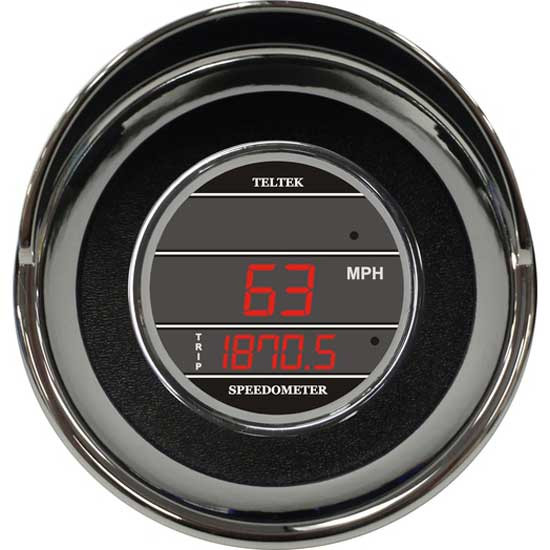
Teltek Digital Speedometer, Odometer, Trip Meter Gauge For Kenworth
TELTEK
$370.99 - $444.99For a reliable instrument upgrade, the blue, green or red Digital 0?150 MPH Speedometer, Odometer & Trip Meter Gauge, os a digital speedometer solution that combines a 0-150 MPH speed readout with an...PPR_201966- SKU:
- PPR_201966
- Truck Class:
- Heavy Duty
- Location:
- Made In USA
- Style Options:
- Digital
- Make:
- Kenworth
- Diameter Options:
- 5 Inch
- Product Type:
- Interior
- Ready To Ship:
- Yes
$370.99 - $444.99Qty in Cart: 0Price:$370.99 - $444.99Subtotal: -

3-3/8 Inch Programmable Electric Speedometer 0-80 MPH W/ Odometer, Black Face, Red Pointer, Black Bezel, By Isspro
ISSPRO
$299.993-3/8 Inch Programmable Electric Speedometer 0-80 MPH W/ Odometer, Black Face, Red Pointer & Black BezelThis ISSPRO programmable 3-3/8 inch electric speedometer features an 80 MPH/130 KPH capacity...09-150100265- SKU:
- 09-150100265
- Diameter Options:
- 3 Inch
- Truck Class:
- Universal
- Location:
- Made In USA
- Color:
- Red
- Style Options:
- Analog
- Shape Options:
- Round
- Make:
- Universal Items
- Product Type:
- Interior
- Ready To Ship:
- Yes
$299.99Qty in Cart: 0Price:$299.99Subtotal: -
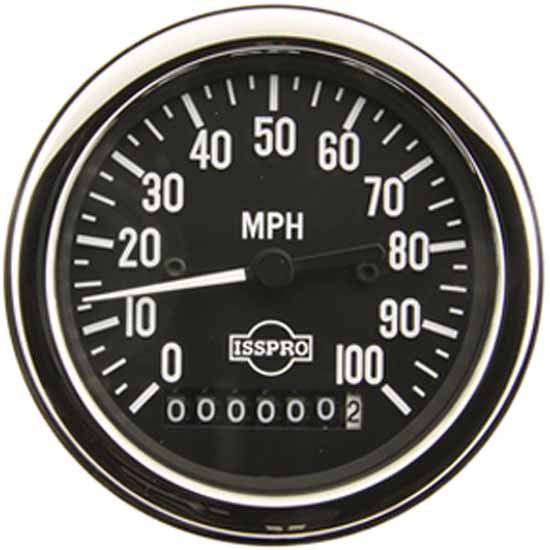
Isspro 3.375 Inch Electric Speedometer 0-100 MPH W/ Resettable Odometer, Black Face, White Pointer, Chrome Bezel
ISSPRO
$270.993.375 Inch Electric Speedometer 0-100 MPH W/ Resettable Odometer, Black Face, White Pointer & Black BezelThis Isspro 3-3/8 inch electric speedometer gauge is programmable and measures 0-100 MPH. It...09-150100284- SKU:
- 09-150100284
- Color:
- White
- Diameter Options:
- 3 Inch
- Truck Class:
- Universal
- Location:
- Made In USA
- Style Options:
- Analog
- Shape Options:
- Round
- Make:
- Universal Items
- Product Type:
- Interior
- Ready To Ship:
- Yes
$270.99Qty in Cart: 0Price:$270.99Subtotal: -
FREE SHIPPING

3 Inch Standard Digital Pyrometer Gauge Kit
TELTEK
$295.99 - $344.99Upgrade your dash with the Digital 3?inch Pyrometer Gauge with Chrome Bezel, a digital temp gauge made in the USA by Teltek that reads exhaust or other high heat levels from about 40?F up to 1850?F...PPR_202000- SKU:
- PPR_202000
- Diameter Options:
- 3 Inch
- Truck Class:
- Heavy Duty
- Location:
- Made In USA
- Style Options:
- Digital
- Make:
- Freightliner
- Make:
- Mack
- Make:
- Ford
- Make:
- Kenworth
- Make:
- Western Star
- Make:
- International
- Make:
- Volvo
- Make:
- GMC
- Make:
- Peterbilt
- Product Type:
- Interior
- Ready To Ship:
- Yes
$295.99 - $344.99Qty in Cart: 0Price:$295.99 - $344.99Subtotal: -
FREE SHIPPING OVER $249
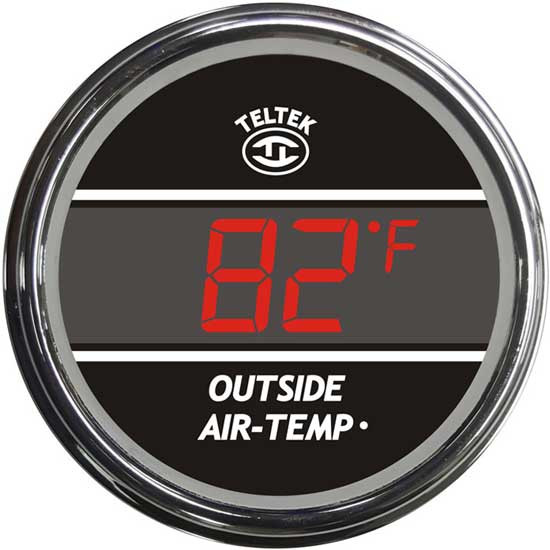
Red Digital Outside Air Temp Gauge W/ Chrome Bezel For Peterbilt
TELTEK
$131.99Digital Outside Air Temp Gauge Fits PeterbiltCheck out this gauge with a red display that covers a temperature range from -99F to 150F with 1-degree accuracy. Switch between Fahrenheit and Celsius...01-1501121- SKU:
- 01-1501121
- Location:
- Made In USA
- Truck Class:
- Heavy Duty
- Color:
- Red
- Style Options:
- Digital
- Make:
- Peterbilt
- Product Type:
- Interior
- Ready To Ship:
- Yes
$131.99Qty in Cart: 0Price:$131.99Subtotal: -
FREE SHIPPING OVER $249

Isspro 3.375 Inch Electric Tachometer Gauge 0-3000 RPM With Black Bezel
ISSPRO
$221.99Electric Tachometer With Black BezelThe Isspro 3.375-inch Electric Tachometer features a sleek black face with white numbers and a contrasting white pointer. This gauge effortlessly monitors RPM,...29-1502546- SKU:
- 29-1502546
- Color:
- White
- Truck Class:
- Heavy Duty
- Diameter Options:
- 3 Inch
- Style Options:
- Analog
- Shape Options:
- Round
- Make:
- Peterbilt
- Make:
- Kenworth
- Product Type:
- Interior
- Ready To Ship:
- Yes
$221.99Qty in Cart: 0Price:$221.99Subtotal: -
FREE SHIPPING OVER $249

Isspro 2 1/16 Inch Chrome Mechanical Fuel Pressure Gauge 10 - 200 PSI
ISSPRO
$102.99200 PSI Mechanical Fuel Pressure GaugeAt 4 State Trucks, we offer Isspro mechanical fuel pressure gauges with a range of 10-200 PSI. This gauge features a black face with white numbering. It fits...29-1502506- SKU:
- 29-1502506
- Truck Class:
- Heavy Duty
- Make:
- Universal Items
- Product Type:
- Interior
- Ready To Ship:
- Yes
$102.99Qty in Cart: 0Price:$102.99Subtotal: -

Isspro 3 Inch Turbocator Pyrometer/Boost Gauge 300-1500F, 0-30 PSI W/ Black Face, Red Pointers, Black Bezel
ISSPRO
$234.993 Inch Turbocator Pyrometer/Boost Gauge 300-1500F, 0-30 PSI W/ Black Face, Red Pointers & Black Bezel* High Quality Turbocator- 2 In 1 Pyrometer And Boost Gauge* 3 Inch * 300-1500F* 0-30 PSI...09-150100211- SKU:
- 09-150100211
- Location:
- Made In USA
- Color:
- Red
- Diameter Options:
- 3 Inch
- Truck Class:
- Universal
- Style Options:
- Analog
- Shape Options:
- Round
- Make:
- Universal Items
- Product Type:
- Interior
$234.99Qty in Cart: 0Price:$234.99Subtotal: -
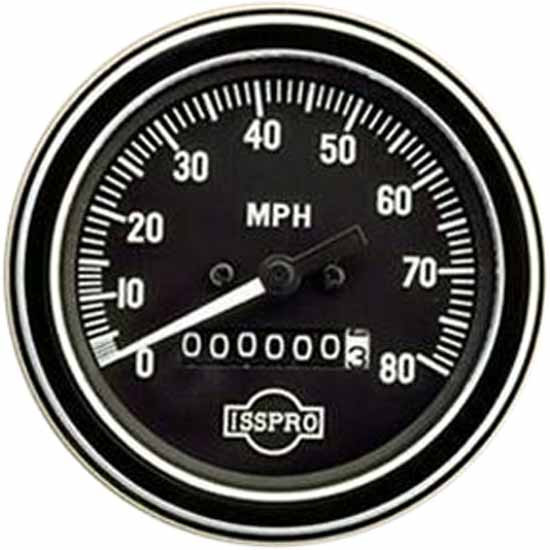
Isspro 3.375 Inch Mechanical Speedometer With Chrome Bezel - 80 MPH
ISSPRO
$231.9980 MPH Speedometer With Chrome BezelGet on track with the Isspro Mechanical Speedometer Gauge. From 0-80 MPH, this 3-3/8 inch gauge in black, chrome, and white adds style and function to your ride.*...09-150100004- SKU:
- 09-150100004
- Diameter Options:
- 3 Inch
- Color:
- White
- Truck Class:
- Universal
- Style Options:
- Analog
- Shape Options:
- Round
- Make:
- Universal Items
- Product Type:
- Interior
- Ready To Ship:
- Yes
$231.99Qty in Cart: 0Price:$231.99Subtotal: -

Isspro 3.375 Inch Mechanical Tachometer Gauge 3500 RPM With Hourmeter
ISSPRO
$286.990-3500 Mechanical Tachometer With HourmeterThe Isspro 3 3/8" Mechanical Tachometer 0-5K with Hourmeter measures engine speed and running hours, making it ideal for various vehicles and equipment. Its...09-150200002- SKU:
- 09-150200002
- Location:
- Made In USA
- Color:
- White
- Diameter Options:
- 3 Inch
- Truck Class:
- Universal
- Style Options:
- Analog
- Shape Options:
- Round
- Make:
- Universal Items
- Product Type:
- Interior
- Ready To Ship:
- Yes
$286.99Qty in Cart: 0Price:$286.99Subtotal: -
FREE SHIPPING OVER $249

Isspro 2 1/16 Inch Mechanical Dual Air Pressure Gauge 150 PSI
ISSPRO
$140.99Mechanical Dual Air Pressure Gauge With Chrome BezelWe offer this quality aftermarket Isspro Mechanical Dual Air Pressure Gauge for your big rig. With a 2 1/16 inch chrome face, the gauge ranges from...29-1502511- SKU:
- 29-1502511
- Color:
- White
- Truck Class:
- Heavy Duty
- Style Options:
- Analog
- Shape Options:
- Round
- Make:
- Universal Items
- Product Type:
- Interior
- Ready To Ship:
- Yes
$140.99Qty in Cart: 0Price:$140.99Subtotal: -

Isspro 3 Inch Pyrometer Kit 0-1800F W/ Satin Chrome Bezel, Black Face, Red Pointer, Color-Coded Dial, 14 Ft. Wiring
ISSPRO
$271.993 Inch Pyrometer Kit 0-1800F W/ Satin Chrome Bezel, Black Face, Red Pointer, Color-Coded Dial & 14 Ft. WiringCheck out the Isspro 3 Inch Classic Pyrometer with kit at 4 State Trucks. This gauge,...09-150100171- SKU:
- 09-150100171
- Location:
- Made In USA
- Color:
- Red
- Diameter Options:
- 3 Inch
- Truck Class:
- Universal
- Style Options:
- Analog
- Shape Options:
- Round
- Make:
- Universal Items
- Product Type:
- Interior
- Ready To Ship:
- Yes
$271.99Qty in Cart: 0Price:$271.99Subtotal: -

Isspro 2 1/6 Inch Mechanical Fuel Pressure Gauge 10-200 PSI W/ Chrome Bezel
ISSPRO
$107.9910 to 200 PSI Mechanical Fuel Pressure Gauge With Black Face, White Numbers, & Chrome BezelKeep a close eye on your fuel pressure with the ISSPRO mechanical fuel pressure gauge! It measures from 10...29-1502506K1- SKU:
- 29-1502506K1
- Truck Class:
- Universal
- Material Options:
- Stainless Steel
- Make:
- Universal Items
- Product Type:
- Interior
- Ready To Ship:
- Yes
$107.99Qty in Cart: 0Price:$107.99Subtotal: -
FREE SHIPPING OVER $249

Teltek Digital Fuel Pressure Gauge 0-150 PSI
TELTEK
$238.99 - $301.99For a straightforward way to keep track of engine fuel pressure, the Teltek digital fuel pressure gauge (0-150?PSI) provides a clear LED display and includes a high?accuracy external sensor with a...PPR_201980- SKU:
- PPR_201980
- Location:
- Made In USA
- Truck Class:
- Heavy Duty
- Style Options:
- Digital
- Make:
- Ford
- Make:
- Western Star
- Make:
- Peterbilt
- Make:
- Kenworth
- Make:
- Freightliner
- Product Type:
- Interior
- Ready To Ship:
- Yes
$238.99 - $301.99Qty in Cart: 0Price:$238.99 - $301.99Subtotal: -
FREE SHIPPING OVER $249

Isspro 2 1/6 Inch Mechanical Axle Load Gauge - 5000-55000 Lb
ISSPRO
$105.995000-55000 Lb. Axle Load GaugeKnow how much weight your axles are holding with this aftermarket 2 1/16 inch Isspro axle load gauge. It features a black face with white numbers, a display that ranges...09-1502516- SKU:
- 09-1502516
- Diameter Options:
- 2 Inch
- Truck Class:
- Universal
- Location:
- Made In USA
- Color:
- Red
- Style Options:
- Analog
- Shape Options:
- Round
- Make:
- Universal Items
- Product Type:
- Interior
- Ready To Ship:
- Yes
$105.99Qty in Cart: 0Price:$105.99Subtotal: -

Isspro 3 3/8 Inch Speedometer Gauge Kit 0-80 MPH
ISSPRO
$245.99Isspro 0-80 MPH Speedometer KitThis speedometer kit features a gauge with a 3 3/8-inch diameter, measuring speeds from 0 to 80 miles per hour. It includes a mounting kit and a 48-inch wire harness...29-1502015- SKU:
- 29-1502015
- Material Options:
- Plastic/Poly
- Truck Class:
- Heavy Duty
- Make:
- Freightliner
- Make:
- Mack
- Make:
- Ford
- Make:
- Kenworth
- Make:
- Western Star
- Make:
- GMC
- Make:
- International
- Make:
- Peterbilt
- Make:
- Volvo
- Product Type:
- Interior
$245.99Qty in Cart: 0Price:$245.99Subtotal: -

Isspro 3.375 Inch Electric Speedometer 0-80 MPH W/ Resettable Odometer, Microprocessor, Chrome Bezel
ISSPRO
$269.993.375 Inch Electric Speedometer 0-80 MPH W/ Resettable Odometer, Microprocessor, Black Face & White PointerThe Isspro Electric Speedometer is programmable and can measure speeds from 0 to 80 MPH. It...09-150100278- SKU:
- 09-150100278
- Color:
- White
- Diameter Options:
- 3 Inch
- Truck Class:
- Universal
- Location:
- Made In USA
- Style Options:
- Analog
- Shape Options:
- Round
- Make:
- Universal Items
- Product Type:
- Interior
- Ready To Ship:
- Yes
$269.99Qty in Cart: 0Price:$269.99Subtotal: -
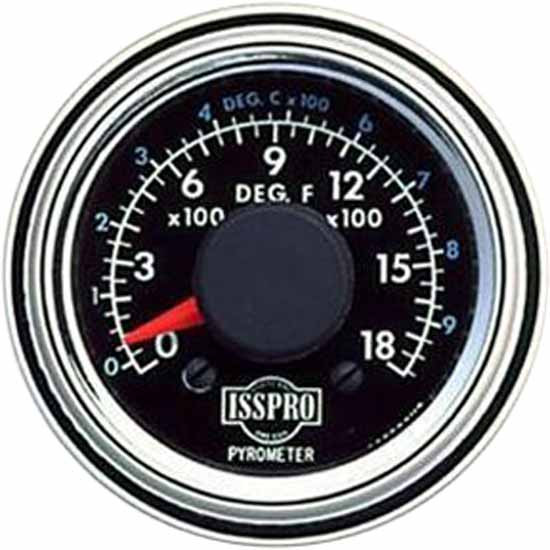
Isspro 2-1/16 Inch Pyrometer Kit 0-1800F W/ Chrome Bezel, Black Face, Red Pointer, 6 Ft. Wiring
ISSPRO
$284.992-1/16 Inch Pyrometer Kit 0-1800F W/ Chrome Bezel, Black Face, Red Pointer & 6 Ft. Wiring* High Quality Pyrometer* 2-1/16 Inch* 0-1800F* With Chrome Bezel, Black Face, Red Pointer * Includes: -...09-150100197- SKU:
- 09-150100197
- Location:
- Made In USA
- Color:
- Red
- Diameter Options:
- 2 Inch
- Truck Class:
- Universal
- Style Options:
- Analog
- Shape Options:
- Round
- Make:
- Universal Items
- Product Type:
- Interior
- Ready To Ship:
- Yes
$284.99Qty in Cart: 0Price:$284.99Subtotal: -

Isspro 3.375 Inch Electric Speedometer W/ Chrome Bezel - 80 MPH
ISSPRO
$336.9980 MPH 3.375 Inch Electric Speedometer W/ Chrome BezelCheck out this Isspro electric speedometer! With its slick chrome bezel, it shows your speed up to 80 MPH on its 3 3/8-inch display. Reliable and...29-1502542- SKU:
- 29-1502542
- Diameter Options:
- 3 Inch
- Color:
- White
- Truck Class:
- Heavy Duty
- Style Options:
- Analog
- Shape Options:
- Round
- Make:
- Universal Items
- Product Type:
- Interior
$336.99Qty in Cart: 0Price:$336.99Subtotal: -
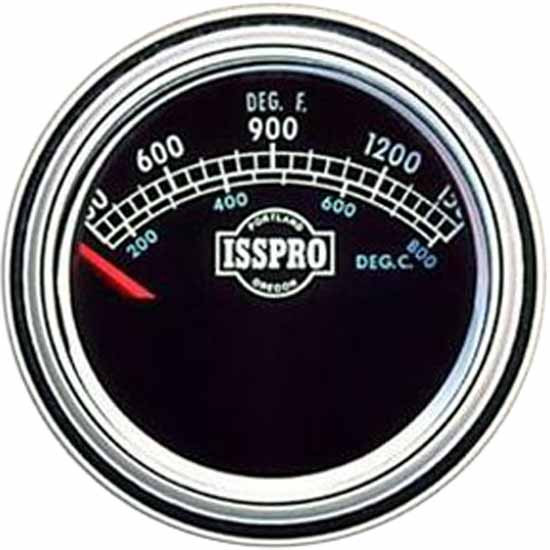
Isspro 2-1/16 Inch Pyrometer Kit 300-1500F W/ Chrome Bezel, Black Face, Red Pointer, 10 Ft. Wiring
ISSPRO
$247.992-1/16 Inch Pyrometer Kit 300-1500F W/ Chrome Bezel, Black Face, Red Pointer & 10 Ft. Wiring* High Quality Pyrometer* 2-1/16 Inch* 300-1500F* With Chrome Bezel, Black Face, Red Pointer * Includes...09-150100182- SKU:
- 09-150100182
- Color:
- Red
- Diameter Options:
- 2 Inch
- Truck Class:
- Universal
- Location:
- Made In USA
- Style Options:
- Analog
- Shape Options:
- Round
- Make:
- Universal Items
- Product Type:
- Interior
- Ready To Ship:
- Yes
$247.99Qty in Cart: 0Price:$247.99Subtotal: -

Isspro 2-1/16 Inch Pyrometer Kit 0-1800F W/ Chrome Bezel, Black Face, Red Pointer, 10 Ft. Wiring
ISSPRO
$278.992-1/16 Inch Pyrometer Kit 0-1800F W/ Chrome Bezel, Black Face, Red Pointer & 10 Ft. Wiring* High Quality Pyrometer* 2-1/16 Inch* 0-1800F, Comes With 10 Foot Wiring* With Chrome Bezel, Black Face, Red...09-150100195- SKU:
- 09-150100195
- Location:
- Made In USA
- Color:
- Red
- Diameter Options:
- 2 Inch
- Truck Class:
- Universal
- Style Options:
- Analog
- Shape Options:
- Round
- Make:
- Universal Items
- Product Type:
- Interior
$278.99Qty in Cart: 0Price:$278.99Subtotal: -
FREE SHIPPING OVER $249

Red Digital Water Temperature Gauge
TELTEK
$173.99Digital Water Temperature GaugeThis digital water temperature gauge features an easy-to-read red display and offers a temperature range from 100F to 300F. It comes with a 16-foot stainless steel...29-1502103RKW- SKU:
- 29-1502103RKW
- Location:
- Made In USA
- Truck Class:
- Heavy Duty
- Color:
- Red
- Style Options:
- Digital
- Make:
- Universal Items
- Product Type:
- Interior
- Ready To Ship:
- Yes
$173.99Qty in Cart: 0Price:$173.99Subtotal: -
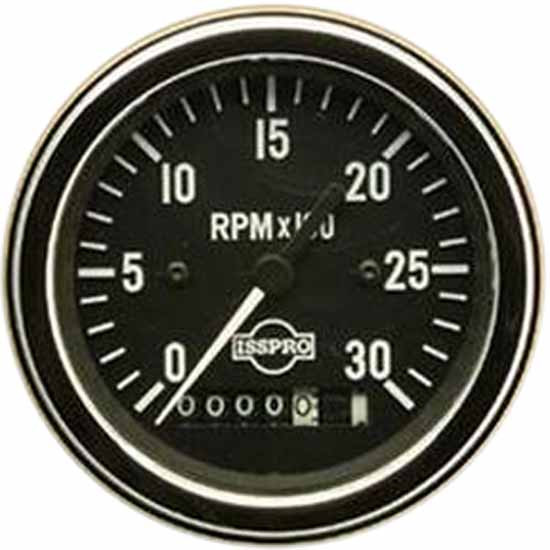
Isspro 3.375 Inch Electric Tachometer 0-3K W/ Hourmeter, Black Face, White Pointer, Chrome Bezel
ISSPRO
$234.993.375 Inch Electric Tachometer 0-3K W/ Hourmeter, Black Face, White Pointer & Chrome Bezel* High Quality Electric Tachometer* 3-3/8 Inch* 0-3K, With Hourmeter* Chrome Bezel, Black Face, White...09-150100307- SKU:
- 09-150100307
- Color:
- White
- Diameter Options:
- 3 Inch
- Truck Class:
- Universal
- Location:
- Made In USA
- Style Options:
- Analog
- Shape Options:
- Round
- Make:
- Universal Items
- Product Type:
- Interior
- Ready To Ship:
- Yes
$234.99Qty in Cart: 0Price:$234.99Subtotal: -
FREE SHIPPING OVER $249

Teltek Digital Oil Pressure Gauge 0-150 PSI
TELTEK
$241.99 - $271.99Upgrade with a Teltek digital oil pressure gauge (0-150?PSI), an instrument that helps monitor engine oil pressure with a range and mounts neatly in a standard 2?1/16?inch hole. It includes a...PPR_201976- SKU:
- PPR_201976
- Location:
- Made In USA
- Truck Class:
- Heavy Duty
- Style Options:
- Digital
- Make:
- Freightliner
- Make:
- Mack
- Make:
- Ford
- Make:
- Kenworth
- Make:
- Western Star
- Make:
- Bus
- Make:
- International
- Make:
- Volvo
- Make:
- GMC
- Make:
- Peterbilt
- Product Type:
- Interior
- Ready To Ship:
- Yes
$241.99 - $271.99Qty in Cart: 0Price:$241.99 - $271.99Subtotal: -
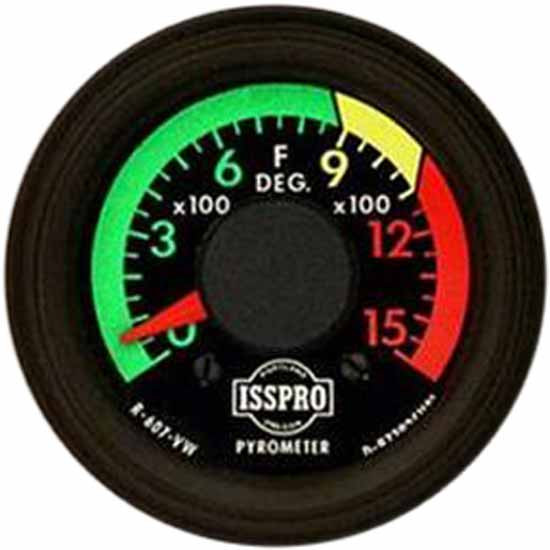
Isspro 2-1/16 Inch Pyrometer Kit 0-1500F W/ Post Turbo, Black Bezel/Face, Color-Coded Dial, Red Pointer, 10 Ft. Wiring
ISSPRO
$274.992-1/16 Inch Pyrometer Kit 0-1500F W/ Post Turbo, Black Bezel/Face, Color-Coded Dial, Red Pointer & 10 Ft. Wiring* High Quality Pyrometer* 2-1/16 Inch * 0-1500F* With Post Turbo* Black Bezel, Black...09-150100203- SKU:
- 09-150100203
- Location:
- Made In USA
- Color:
- Red
- Diameter Options:
- 2 Inch
- Truck Class:
- Universal
- Style Options:
- Analog
- Shape Options:
- Round
- Make:
- Universal Items
- Product Type:
- Interior
$274.99Qty in Cart: 0Price:$274.99Subtotal: -

Isspro 3.375 Inch Black Electric Speedometer 0-80 MPH W/ Odometer - Programmable
ISSPRO
$257.993-3/8 Inch Programmable Electric SpeedometerThis programmable electric speedometer measures 0-80 MPH and includes an odometer for accurate distance tracking. It features a sleek black bezel, a black...09-150100274- SKU:
- 09-150100274
- Color:
- White
- Diameter Options:
- 3 Inch
- Truck Class:
- Universal
- Location:
- Made In USA
- Style Options:
- Analog
- Shape Options:
- Round
- Make:
- Universal Items
- Product Type:
- Interior
- Ready To Ship:
- Yes
$257.99Qty in Cart: 0Price:$257.99Subtotal: -
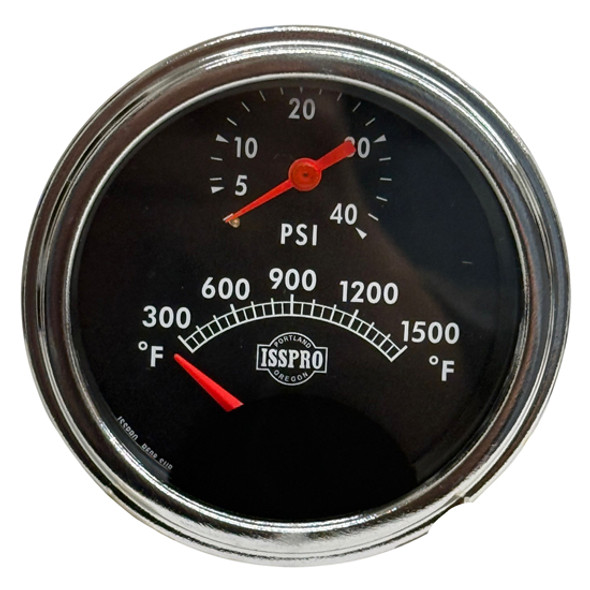
Isspro 3 Inch Chrome Turbocator Gauge Kit 300-1500F, 0-40 PSI
ISSPRO
$336.99 - $348.99Choose Option(s) to see description.Isspro 3 Inch Chrome Turbocator Gauge Kit 300-1500F, 0-40 PSI W/ 6 Foot WiringTurbocator Gauge With Pyrometer & Boost Scale With Chrome Bezel & 6 Feet Of Wire*...PPR_298927- SKU:
- PPR_298927
- Material Options:
- Plastic/Poly
- Truck Class:
- Universal
- Make:
- Universal Items
- Product Type:
- Interior
- Ready To Ship:
- Yes
$336.99 - $348.99Qty in Cart: 0Price:$336.99 - $348.99Subtotal: -
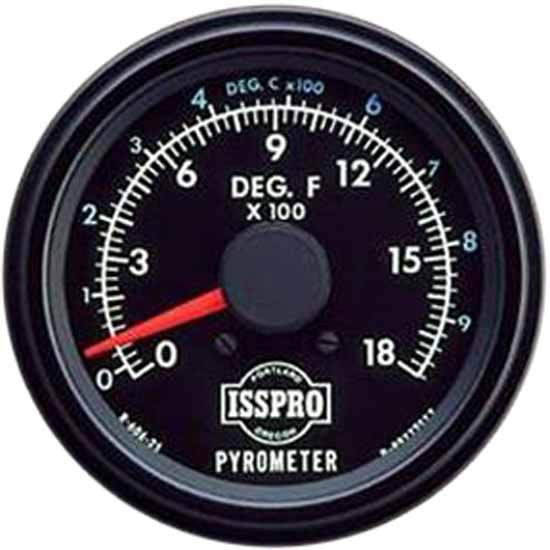
Isspro 3 Inch Pyrometer Kit 0-1800F W/ Black Bezel, Black Face, Red Pointer, 6 Ft. Wiring
ISSPRO
$237.993 Inch Pyrometer Kit 0-1800F W/ Black Bezel, Black Face, Red Pointer & 6 Ft. Wiring* High Quality Pyrometer* 3 Inch* 0-1800F* With Black Bezel, Black Face, Red Pointer * Includes: - R650, R660-6,...09-150100186- SKU:
- 09-150100186
- Color:
- Red
- Diameter Options:
- 3 Inch
- Truck Class:
- Universal
- Location:
- Made In USA
- Style Options:
- Analog
- Shape Options:
- Round
- Make:
- Universal Items
- Product Type:
- Interior
- Ready To Ship:
- Yes
$237.99Qty in Cart: 0Price:$237.99Subtotal: -

Isspro 3.375 Inch Electric Speedometer 0-80 MPH W/ Resettable Odometer, Black Face, White Pointer, Chrome Bezel
ISSPRO
$276.993.375 Inch Electric Speedometer 0-80 MPH W/ Resettable Odometer, Black Face, White Pointer & Chrome BezelThe Isspro Electric Speedometer is a programmable 3-3/8 inch gauge with a range of 0-80 mph...09-150100275- SKU:
- 09-150100275
- Diameter Options:
- 3 Inch
- Truck Class:
- Universal
- Location:
- Made In USA
- Color:
- White
- Style Options:
- Analog
- Shape Options:
- Round
- Make:
- Universal Items
- Product Type:
- Interior
- Ready To Ship:
- Yes
$276.99Qty in Cart: 0Price:$276.99Subtotal: -
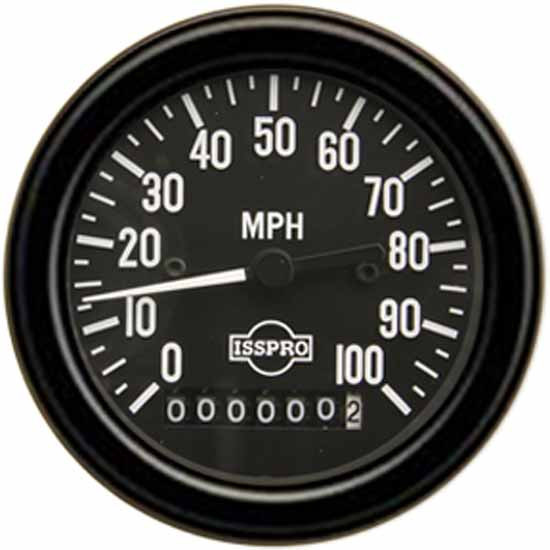
Isspro 3.375 Inch Electric Speedometer 0-100 MPH W/ Odometer, Black Bezel
ISSPRO
$245.993.375 Inch Electric Speedometer 0-100 MPH W/ Odometer, Black Face, White Pointer & Black BezelWant to know your speed on the road? Check out the Isspro Electric Speedometer at 4 State Trucks. It's...09-150100282- SKU:
- 09-150100282
- Color:
- White
- Diameter Options:
- 3 Inch
- Truck Class:
- Universal
- Location:
- Made In USA
- Style Options:
- Analog
- Shape Options:
- Round
- Make:
- Universal Items
- Product Type:
- Interior
$245.99Qty in Cart: 0Price:$245.99Subtotal: