


Peterbilt 367 Parts
- Product
- Qty in Cart
- Quantity
- Price
- Subtotal
-
FREE SHIPPING OVER $249

Kink-Repairing Coiled Tractor-Trailer Air Hoses With Blue/Red Grips
REFLEXALLEN USA
$76.99 - $89.99Keep your tractor-trailer air system reliable with these kink-repairing coiled air hoses featuring blue and red grips. A universal aftermarket replacement for commercial truck air brake setups, these...PPR_203489- SKU:
- PPR_203489
- Location:
- Made In USA
- Truck Class:
- Universal
- Color:
- Red/Blue
- Make:
- Universal Items
- Truck Class:
- Heavy Duty
- Product Type:
- Air, Electrical, & Safety
- Length Options:
- 144 Inch
- Diameter Options:
- 4 Inch
- Diameter Options:
- 2 Inch
- Length Options:
- 180 Inch
- Ready To Ship:
- Yes
$76.99 - $89.99Qty in Cart: 0Price:$76.99 - $89.99Subtotal: -

Paintable Aluminum Headlight Pods W/ Sanded Finish, Factory Mounting Bracket & Welded On End Caps For Peterbilt
ROCKWOOD
$3,283.99Headlight Pods Paintable Aluminum W/ Sanded Finish, Factory Mounting Bracket & Welded On End Caps Fits Peterbilt* High Quality Headlight Pods* Made Of Aluminum* Sanded Finish* Includes: - (2) Single...PHL523- SKU:
- PHL523
- Product Type:
- Lighting
$3,283.99Qty in Cart: 0Price:$3,283.99Subtotal: -

18 Inch Stainless Steel Texas Bumper W/ Mitered Ends, Mounting & Tow/Hitch Holes For Peterbilt
AFTERMARKET
$65,536.00Stainless Steel Texas Bumper 18 Inch W/ Mitered Ends, Mounting & Tow/Hitch Holes Fits Peterbilt* High Quality Bumper* Made Of 7 Gauge Stainless Steel* Texas Mitered Ends* 18 Inch Height* Has Cutouts...01-010018040- SKU:
- 01-010018040
- Product Type:
- Bumpers
$65,536.00Qty in Cart: 0Price:$65,536.00Subtotal: -

Stainless Steel 2-Piece Shift Cover Set W/ Optional Indentation Spacing For Peterbilt
PHOENIX DESIGN
$60.99 - $63.99Choose Option(s) to see description.Fitment* Fits Peterbilt 357 1992 thru 2007* Fits Peterbilt 365 2007 thru 2023* Fits Peterbilt 367 2007 thru 2024* Fits Peterbilt 378 1992 thru 2007* Fits Peterbilt...PPR_301455- SKU:
- PPR_301455
- Product Type:
- Interior
- Truck Class:
- Heavy Duty
- Material Options:
- Stainless Steel
- Location:
- Made In USA
- Make:
- Peterbilt
$60.99 - $63.99Qty in Cart: 0Price:$60.99 - $63.99Subtotal: -

48/58 Inch Stainless Steel Sleeper Panels W/ Optional Lighting For Peterbilt
PHOENIX DESIGN
$209.99 - $401.99Choose Option(s) to see description.Fitment* Fits Peterbilt 357 1994 thru 2007* Fits Peterbilt 365 2007 thru 2023* Fits Peterbilt 367 2007 thru 2024* Fits Peterbilt 378 1988 thru 2007** Fits SFA...PPR_301449- SKU:
- PPR_301449
- Color:
- Amber/Clear
- Color:
- Amber
- Light Options:
- Without Lights
- Light Options:
- With Lights
- Truck Class:
- Heavy Duty
- Product Type:
- Exterior
- Length Options:
- 58 Inch
- Height Options:
- 4 Inch
- Material Options:
- Stainless Steel
- Location:
- Made In USA
- Make:
- Peterbilt
$209.99 - $401.99Qty in Cart: 0Price:$209.99 - $401.99Subtotal: -
FREE SHIPPING OVER $249
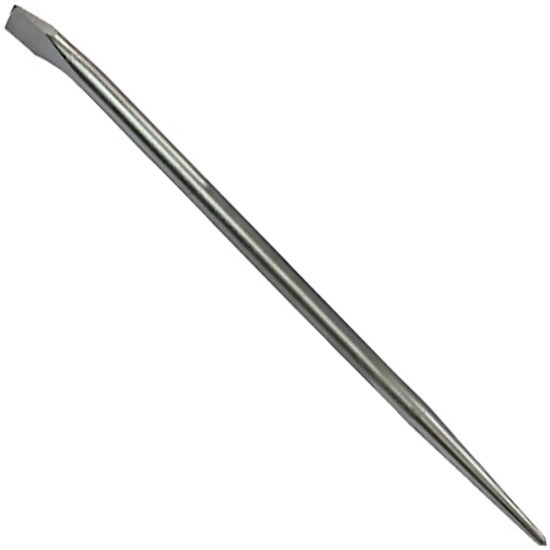
Pry Bar W/ Length & Diameter Options
AUTOMANN USA
$28.11 - $104.99When you're handling stubborn, heavy-duty truck components, this high-quality pry bar delivers the leverage and strength needed for demanding service work. Built for durability and dependable...PPR_301439- SKU:
- PPR_301439
- Diameter Options:
- 1 Inch
- Length Options:
- 24 Inch
- Length Options:
- 18 Inch
- Material Options:
- Steel
- Diameter Options:
- 3/4 Inch
- Diameter Options:
- 5/8 Inch
- Length Options:
- 54 Inch
- Length Options:
- 30 Inch
- Length Options:
- 46 Inch
- Truck Class:
- Universal
- Product Type:
- Wheels
- Make:
- Universal Items
$28.11 - $104.99Qty in Cart: 0Price:$28.11 - $104.99Subtotal: -
On SaleLimited Quantity Available
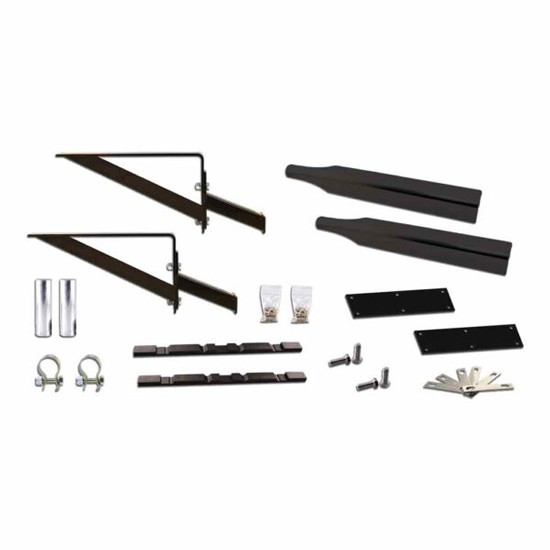
Black Stainless Steel Half Fender Mounting Kit W/ Hardware
TRUX ACCESSORIES
Now: $221.75Was: $251.99Half Fender Mounting Kit Black Stainless Steel W/ Triangle ArmsThis high quality Black Stainless Steel Mounting Kit for Half Fenders includes: 2 triangular mounting brackets, 2 black steel triangular...09-11188- SKU:
- 09-11188
- Color:
- Black
- Truck Class:
- Heavy Duty
- Make:
- Universal Items
- Material Options:
- Stainless Steel
- Product Type:
- Rear Fenders
- Ready To Ship:
- Yes
Now: $221.75Was: $251.99Qty in Cart: 0Price:Now: $221.75Was: $251.99Subtotal: -
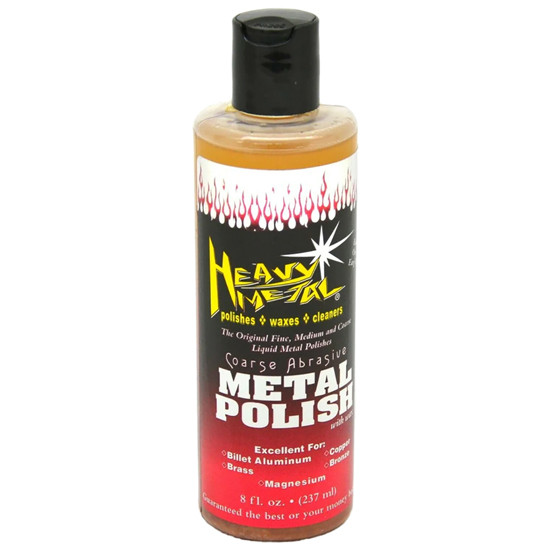
Heavy Metal Polish Red Formula 8 OZ
GRAND GENERAL
$22.29Red Coarse Abrasive Polish For Aluminum, Brass and CopperRestore the shine of metal surfaces with Heavy Metal Polish Formula from Valley Chrome, designed for use on aluminum, brass, copper, and other...09-17000006- SKU:
- 09-17000006
- Truck Class:
- Universal
- Product Type:
- Polishing
- Make:
- Universal Items
$22.29Qty in Cart: 0Price:$22.29Subtotal: -
On SaleLimited Quantity AvailableFREE SHIPPING OVER $249

Bullet Grakon Flatline Cab Light -Amber LED / Clear Lens
TRUX ACCESSORIES
Now: $15.11Was: $57.82Cablight Grakon Style W/ Round Flatline LED W/ Chrome Housing4 State Trucks offers this great looking Grakon style competition series Flatline cab light. It has 46 amber diodes, a clear lens, and...09-160801109- SKU:
- 09-160801109
- Finish Options:
- Chrome-Plated
- Product Type:
- Lighting
- Color:
- Amber/Clear
- Make:
- Universal Items
- Height Options:
- 3 1/2 Inch
- Length Options:
- 16 1/4 Inch
- Material Options:
- Plastic/Poly
- Style Options:
- Grakon
- Truck Class:
- Heavy Duty
- Ready To Ship:
- Yes
Now: $15.11Was: $57.82Qty in Cart: 0Price:Now: $15.11Was: $57.82Subtotal: -
On SaleLimited Quantity Available

Full Fender Mounting Kit – Triangular Brackets
TRUX ACCESSORIES
Now: $602.79Was: $684.99Heavy-Duty Full Fender Triangular Mounting Arm Kit* High Quality Mounting Kit* Includes: - (2) Adjustable Fender Brackets - (4) Clamps - (4) Threaded Post Mounts - (4) Triangle Mounts -...09-11100032- SKU:
- 09-11100032
- Size Options:
- 12 Gauge
- Product Type:
- Rear Fenders
- Make:
- Universal Items
- Ready To Ship:
- Yes
Now: $602.79Was: $684.99Qty in Cart: 0Price:Now: $602.79Was: $684.99Subtotal: -

Square U-Bolt Kit 5/8 & Length Options Set Of 4
BUYERS PRODUCTS
$43.16 - $52.99Choose Option(s) to see description.Fitment** Universal - For Use With Multiple Makes & Models Of TrucksSquare U-Bolt Kit 5/8 X 16 Inch Set Of 4Carbon Steel Square Bend 5/8 X 16 Inch U-Bolt Kit* High...PPR_301423- SKU:
- PPR_301423
- Color:
- Black
- Diameter Options:
- 5/8 Inch
- Material Options:
- Steel
- Length Options:
- 16 Inch
- Product Type:
- Lighting
- Truck Class:
- Universal
- Length Options:
- 20 Inch
- Make:
- Universal Items
- Ready To Ship:
- Yes
$43.16 - $52.99Qty in Cart: 0Price:$43.16 - $52.99Subtotal: -
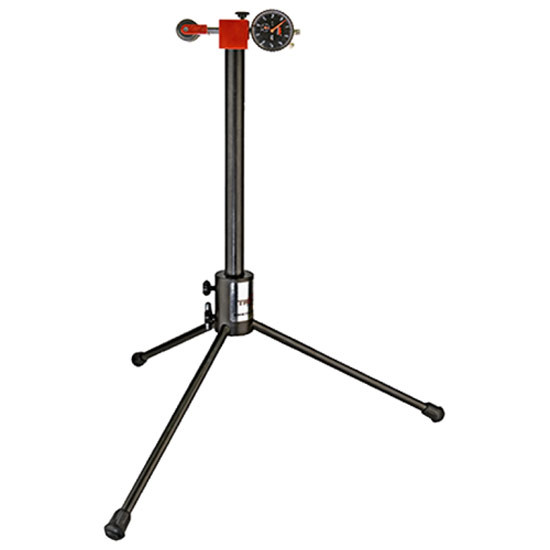
Radial Run-Out Gauge Indicator Stand
TRU-BALANCE
$490.99 - $551.99Choose Option(s) to see description.Analog Radial Run-Out GaugeRun-Out GaugeWith Analog IndicatorAn analog radial run-out gauge is a tool used to measure the out-of-round condition of a wheel or tire...PPR_301438- SKU:
- PPR_301438
- Product Type:
- Wheels
- Make:
- Universal Items
- Truck Class:
- Universal
$490.99 - $551.99Qty in Cart: 0Price:$490.99 - $551.99Subtotal: -
FREE SHIPPING OVER $249
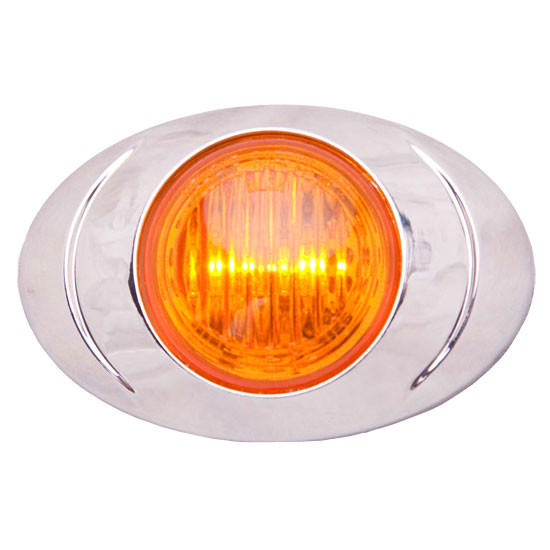
2 X 3 Inch 2 Diode Amber LED Magnum P3 Series Marker Light W/ Lens Color Options
PHOENIX DESIGN
$17.68 - $18.20Choose Option(s) to see description.Fitment** Universal - For Use With Multiple Makes & Models Of Trucks2 X 3 Inch 2 Diode Amber LED Magnum P3 Series Marker Light Amber LensMarker LightEnhance your...PPR_301436- SKU:
- PPR_301436
- Color:
- Amber
- Material Options:
- Plastic/Poly
- Shape Options:
- Oval
- Truck Class:
- Universal
- Product Type:
- Lighting
- Finish Options:
- Chrome-Plated
- Make:
- Universal Items
- Ready To Ship:
- Yes
$17.68 - $18.20Qty in Cart: 0Price:$17.68 - $18.20Subtotal: -

Hogebuilt 304 Stainless Steel Quarter Fender W/ Height Options
HOGEBUILT FENDERS
$817.99 - $845.99Choose Option(s) to see description.Fitment** Universal - Fits Multiple Makes & Models Of TrucksHogebuilt 30 Inch 304 Stainless Steel Flush Mount Quarter FendersHogebuilt Premium Quarter Fenders With...PPR_301432- SKU:
- PPR_301432
- Length Options:
- 34 Inch
- Truck Class:
- Universal
- Size Options:
- 16 Gauge
- Product Type:
- Rear Fenders
- Style Options:
- Flush Mount
- Type Options:
- Quarter
- Make:
- Universal Items
- Ready To Ship:
- Yes
$817.99 - $845.99Qty in Cart: 0Price:$817.99 - $845.99Subtotal: -
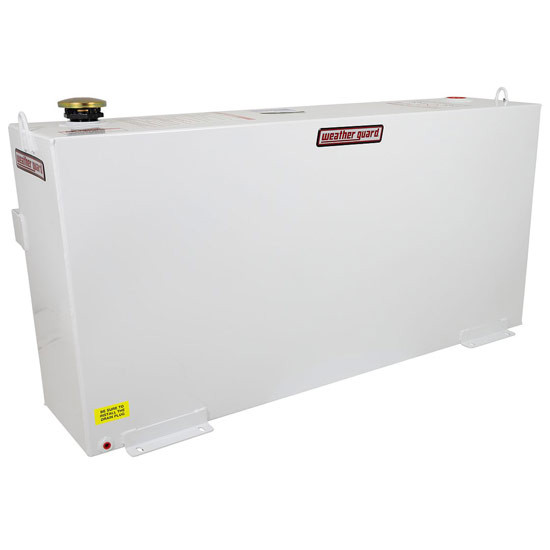
Weather Guard 75 Gallon Diesel & Hydraulic Fluid Transfer Tank Column Black/White Option For Light Duty Trucks
AFTERMARKET
$1,577.99 - $1,606.99Keep diesel fuel or hydraulic fluid close at hand with this high-quality 75-gallon WEATHER GUARD column-style transfer tank. Built from heavy-duty steel, this tank features interior baffles to reduce...PPR_301424- SKU:
- PPR_301424
- Material Options:
- Steel
- Width Options:
- 12 Inch
- Color:
- White
- Capacity:
- 50 Gallons
- Finish Options:
- Black Powder Coat
- Color:
- Black
- Height Options:
- 27 Inch
- Product Type:
- Cargo Control
- Length Options:
- 55 Inch
- Shape Options:
- Rectangular
- Truck Class:
- Light Duty
- Make:
- Universal Items
$1,577.99 - $1,606.99Qty in Cart: 0Price:$1,577.99 - $1,606.99Subtotal: -
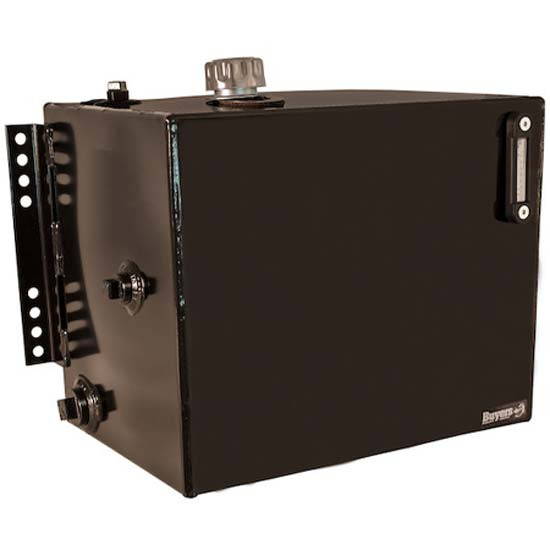
Steel 30 Gallon Reservoir W/ Welded On Bracket, Black Powder Coat Finish & Mircon Filter Options
BUYERS PRODUCTS
$851.99 - $900.99Choose Option(s) to see description.Steel 30 Gallon Reservoir W/ 25 Micron Filter & Welded On Bracket - Black Powder Coat Finish30 Gallon Steel Hydraulic Reservoir* High Quality Reservoir* Black...PPR_301417- SKU:
- PPR_301417
- Capacity:
- 13 Gallons
- Location:
- Made In USA
- Height Options:
- 22 Inch
- Width Options:
- 28 Inch
- Product Type:
- Cargo Control
- Length Options:
- 17 Inch
- Truck Class:
- Universal
- Finish Options:
- Black Powder Coat
- Material Options:
- Steel
- Make:
- Universal Items
$851.99 - $900.99Qty in Cart: 0Price:$851.99 - $900.99Subtotal: -
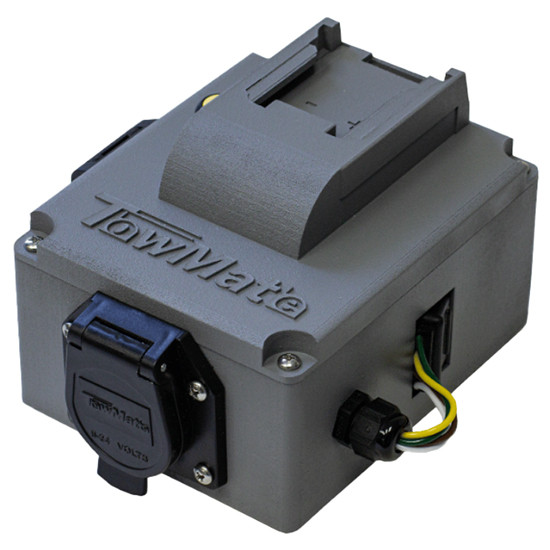
Adaptabox Trailer Light Controller W/ Antenna Color Option By TowMate
TOWMATE
$402.99Choose Option(s) to see description.Adaptabox Trailer Light Controller With Red Antenna By TowMateTowMate Wireless Trailer Light Controller AdaptaboxThe TowMate Adaptabox simplifies trailer power...PPR_301418- SKU:
- PPR_301418
- Product Type:
- Cargo Control
- Make:
- Universal Items
$402.99Qty in Cart: 0Price:$402.99Subtotal: -
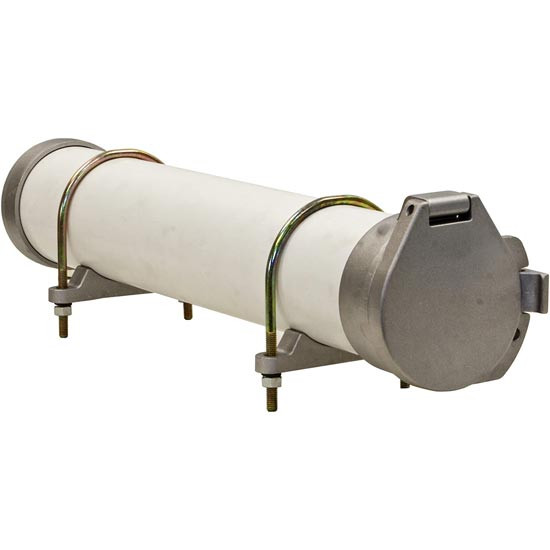
PVC Conduit Carrier Kit For Ladder Racks W/ Diameter Options
BUYERS PRODUCTS
$87.99 - $144.99Choose Option(s) to see description.8 Inch Diameter PVC Conduit Carrier Kit For Ladder RacksPVC Conduit Carrier With Spring-Loaded Mechanism Kit For Ladder RacksThe 8-inch diameter PVC conduit...PPR_301413- SKU:
- PPR_301413
- Diameter Options:
- 6 Inch
- Diameter Options:
- 8 Inch
- Height Options:
- 10 Inch
- Material Options:
- Plastic/Poly
- Product Type:
- Cargo Control
- Truck Class:
- Universal
- Height Options:
- 8 Inch
- Width Options:
- 9 Inch
- Make:
- Universal Items
$87.99 - $144.99Qty in Cart: 0Price:$87.99 - $144.99Subtotal: -
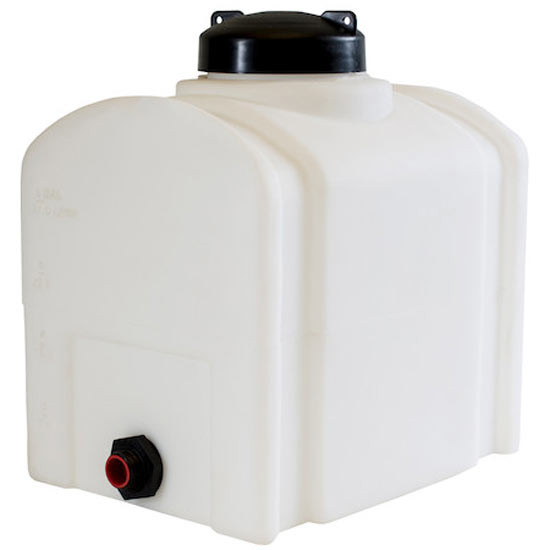
Domed Polyethylene Portable Storage Solution For Non-Flammable Liquids W/ Gallon & Dimension Options
BUYERS PRODUCTS
$158.99 - $189.99Choose Option(s) to see description.26 X 18 X 19 Inch 26-Gallon Domed Polyethylene Portable Storage Solution For Non-Flammable Liquids26 Gallon Polyethylene Storage Tank With UV-Inhibiting...PPR_301409- SKU:
- PPR_301409
- Length Options:
- 16 Inch
- Width Options:
- 12 Inch
- Material Options:
- Plastic/Poly
- Product Type:
- Cargo Control
- Height Options:
- 15 Inch
- Truck Class:
- Universal
- Make:
- Universal Items
$158.99 - $189.99Qty in Cart: 0Price:$158.99 - $189.99Subtotal: -
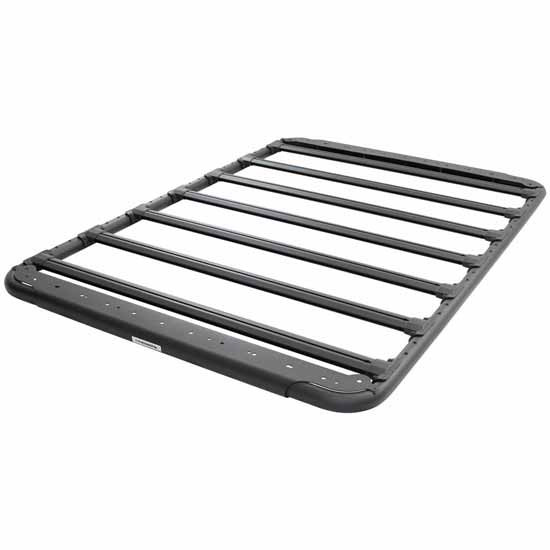
Go Rhino Flat Platform Roof Rack W/ Length Options
GO RHINO
$635.20 - $774.99Choose Option(s) to see description.Fitment** Universal - Fits Multiple Makes & Models Of TrucksGo Rhino 55 Inch Flat Platform Roof Rack55 X 52 Inch Flat Roof Rack W/ Channeled Aluminum Cross Bars*...PPR_301405- SKU:
- PPR_301405
- Material Options:
- Aluminum
- Color:
- Black
- Length Options:
- 55 Inch
- Length Options:
- 65 Inch
- Product Type:
- Cargo Control
- Truck Class:
- Light Duty
- Length Options:
- 75 Inch
- Make:
- Universal Items
$635.20 - $774.99Qty in Cart: 0Price:$635.20 - $774.99Subtotal: -

Medium Density Polyethylene Portable Storage Solution For Non-Flammable Liquids W/ Gallon & Dimension Options
BUYERS PRODUCTS
$222.99 - $481.99Choose Option(s) to see description.38 X 19 X 22 Inch 50 Gallon Medium Density Polyethylene Portable Storage Solution For Non-Flammable Liquids50 Gallon Polyethylene Storage Tank With UV-Inhibiting...PPR_301410- SKU:
- PPR_301410
- Material Options:
- Plastic/Poly
- Product Type:
- Cargo Control
- Truck Class:
- Universal
- Make:
- Universal Items
- Ready To Ship:
- Yes
$222.99 - $481.99Qty in Cart: 0Price:$222.99 - $481.99Subtotal: -

Forged C-1045 Steel D-Ring W/ Weld On Mounting Bracket, Measurement & Load Options
BUYERS PRODUCTS
$7.70 - $21.57Choose Option(s) to see description.Forged C-1045 Steel D-Ring- 1/2 Inch - W/ Weld-On Mounting Bracket, 4080 lb Working Load LimitC-1045 Steel 1/2 Inch Forged D-RingSecure your load confidently with...PPR_301412- SKU:
- PPR_301412
- Diameter Options:
- 1 Inch
- Product Type:
- Cargo Control
- Diameter Options:
- 1/2 Inch
- Rating:
- 4000 LBS
- Diameter Options:
- 3/4 Inch
- Rating:
- 9000 LBS
- Material Options:
- Steel
- Truck Class:
- Universal
- Make:
- Universal Items
$7.70 - $21.57Qty in Cart: 0Price:$7.70 - $21.57Subtotal: -

Real Wheels Plate Insert W/ Logo Options For Peterbilt Pedals
REALWHEELS
$14.98 - $17.47Choose Option(s) to see description.Fitment* Fits Peterbilt 359 1985 thru 1986* Fits Peterbilt 367 2007 thru 2024* Fits Peterbilt 378 1994 thru 2007* Fits Peterbilt 379 1994 thru 2007* Fits Peterbilt...PPR_301393- SKU:
- PPR_301393
- Material Options:
- Aluminum
- Product Type:
- Interior
- Truck Class:
- Heavy Duty
- Make:
- Peterbilt
$14.98 - $17.47Qty in Cart: 0Price:$14.98 - $17.47Subtotal: -
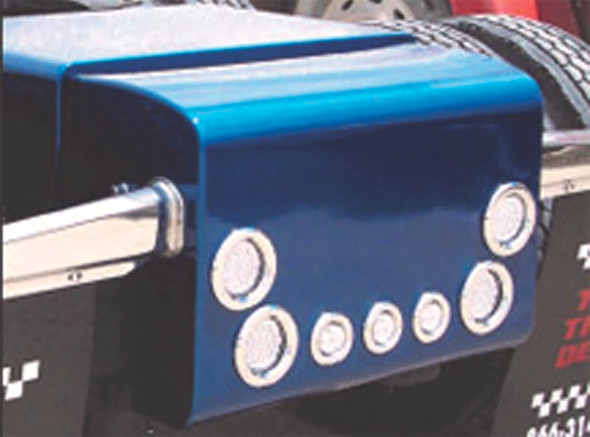
Fiberglass Rear Frame Cover W/ Light Options
FIBERTECH
$290.99 - $330.99Choose Option(s) to see description.Fitment** Universal - Fits Multiple Makes & Models Of TrucksFiberglass Blank Rear Frame CoverFiberglass Rear Frame Cover By Fibertech* High Quality Rear Frame...PPR_301402- SKU:
- PPR_301402
- Material Options:
- Fiberglass
- Product Type:
- Frame & Chassis
- Truck Class:
- Heavy Duty
- Make:
- Ford
- Make:
- Universal Items
- Ready To Ship:
- Yes
$290.99 - $330.99Qty in Cart: 0Price:$290.99 - $330.99Subtotal: -

Aluminum Truck Slide W/ Galvanized Steel Tracks For Light Duty Service Body Trucks
HIGHWAY PRODUCTS
$1,729.99 - $2,152.99Choose Option(s) to see description.Fitment** Universal - Fits Multiple Makes & Models Of Light Duty Trucks47 X 95.25 Inch Aluminum Truck Slide W/ Galvanized Steel Track System Full Size Service Body...PPR_301415- SKU:
- PPR_301415
- Length Options:
- 47 Inch
- Length Options:
- 95 Inch
- Truck Class:
- Light Duty
- Width Options:
- 5 Inch
- Finish Options:
- Galvanized
- Material Options:
- Aluminum
- Width Options:
- 95 Inch
- Height Options:
- 49 Inch
- Product Type:
- Cargo Control
- Make:
- GMC
- Make:
- Universal Items
- Make:
- Ford
- Make:
- Chevrolet
$1,729.99 - $2,152.99Qty in Cart: 0Price:$1,729.99 - $2,152.99Subtotal: -
FREE SHIPPING OVER $249

Legendary Extreme Dual Function Strobe Light W/ Clear Lens & LED Color Options
AFTERMARKET
$55.99Choose Option(s) to see description.Fitment** Universal - Fits Multiple Makes & Models Of Trucks & TrailersLegendary Extreme Dual Function Amber/Blue Strobe LED W/ Clear LensLegendary Extreme Dual...PPR_301392- SKU:
- PPR_301392
- Color:
- Amber/Red
- Color:
- Amber/Blue
- Color:
- Red/Purple
- Color:
- Amber/White
- Style Options:
- Dual Function
- Color:
- Amber/Green
- Color:
- Red/White
- Color:
- Red/Blue
- Product Type:
- Lighting
- Diameter Options:
- 3 1/2 Inch
- Color:
- Amber/Purple
- Color:
- Red/Green
- Make:
- Universal Items
$55.99Qty in Cart: 0Price:$55.99Subtotal: -
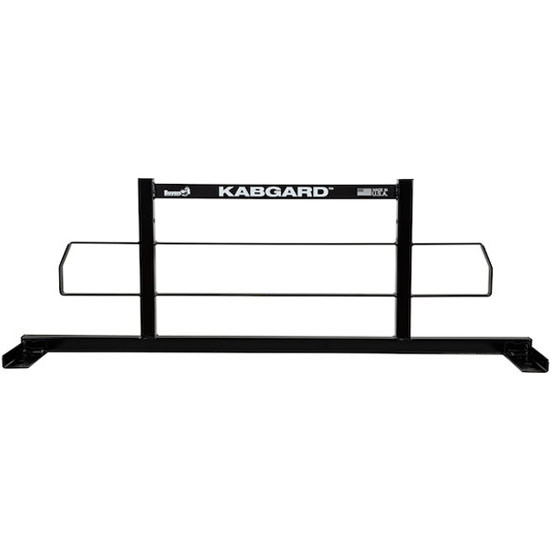
KabGard Carbon Steel Window Protector Provides Mounting Surface For Lights W/ Width & Height Options For Light Duty Trucks
BUYERS PRODUCTS
$368.99Choose Option(s) to see description.Fitment** Universal - Fits Multiple Makes & Models Of Light Duty Trucks71.6 X 26.3 Inch KabGard Carbon Steel Window Protector Provides Mounting Surface For Lights...PPR_301411- SKU:
- PPR_301411
- Color:
- Black
- Material Options:
- Steel
- Product Type:
- Cargo Control
- Truck Class:
- Light Duty
- Make:
- Universal Items
$368.99Qty in Cart: 0Price:$368.99Subtotal: -

Go Rhino SRM600 Series Aluminum Tubular Basket Style Roof Rack W/ Length Options For Light Duty Models
GO RHINO
$750.70 - $866.20Choose Option(s) to see description.Fitment** Universal - Fits Multiple Makes & Models Of Light Duty Trucks & Vans W/ Any Cross-Rail SystemGo Rhino SRM600 Series Aluminum 55 Inch Tubular Basket Style...PPR_301407- SKU:
- PPR_301407
- Length Options:
- 75 Inch
- Color:
- Black
- Length Options:
- 55 Inch
- Material Options:
- Aluminum
- Product Type:
- Cargo Control
- Length Options:
- 65 Inch
- Truck Class:
- Light Duty
- Make:
- Universal Items
$750.70 - $866.20Qty in Cart: 0Price:$750.70 - $866.20Subtotal: -
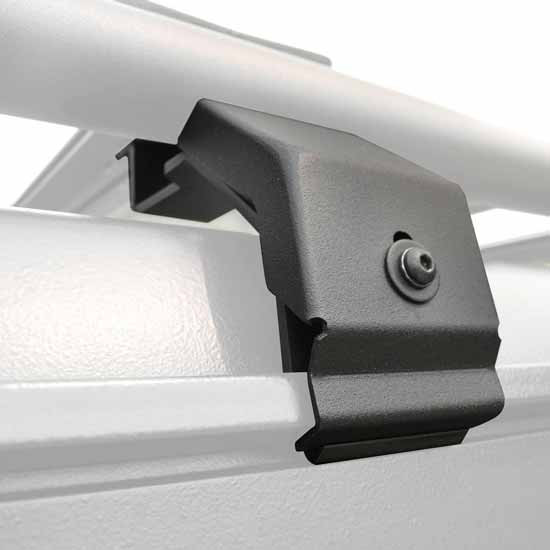
Go Rhino SRM Gutter Rack Mounting Kit 4 Or 6 Piece
GO RHINO
$127.00 - $165.11Choose Option(s) to see description.Fitment** Universal - Fits Multiple Makes & Models Of TrucksGo Rhino SRM Gutter Rack Mounting Kit - 4 PieceTextured Black Powder Coated Gutter Mount Bracket Kit*...PPR_301403- SKU:
- PPR_301403
- Color:
- Black
- Material Options:
- Steel
- Product Type:
- Cargo Control
- Truck Class:
- Light Duty
- Make:
- Universal Items
$127.00 - $165.11Qty in Cart: 0Price:$127.00 - $165.11Subtotal: -
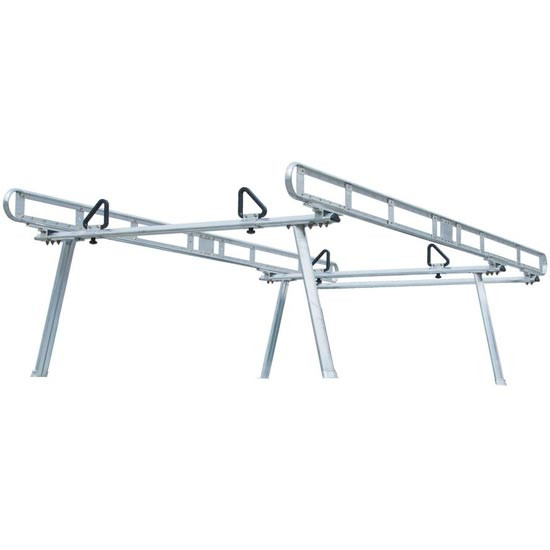
Cab-Over Truck Ladder Rack W/ Finish Options For Full-Sized Pickup Trucks - 800 Pound Capacity
BUYERS PRODUCTS
$1,285.99 - $1,305.99Choose Option(s) to see description.Fitment** Universal - Fits Multiple Makes & Models Of Light Duty TrucksAnodized Aluminum Cab-Over Truck Ladder Rack For Full-Sized Pickup Trucks - 800 Pound...PPR_301395- SKU:
- PPR_301395
- Material Options:
- Aluminum
- Color:
- Black
- Height Options:
- 35 Inch
- Product Type:
- Cargo Control
- Rating:
- 800 LBS
- Truck Class:
- Universal
- Make:
- Universal Items
$1,285.99 - $1,305.99Qty in Cart: 0Price:$1,285.99 - $1,305.99Subtotal: -

Legendary Dual Function Amber 2 Inch LED Starburst Watermelon Light W/ Dark Amber Lens 5 Pack
LEGENDARY
$134.955 Pack Legendary Dual Function Amber LED Starburst Watermelon Light W/ PC BaseCompact, durable, and highly visible, the Legendary Extreme 2-Inch Watermelon LED Light is designed to provide bright,...09-160101797K05- SKU:
- 09-160101797K05
- Position:
- Kit Full
- Product Type:
- Lighting
- Color:
- Amber
- Ready To Ship:
- Yes
- Style Options:
- Dual Function
- Make:
- Universal Items
$134.95Qty in Cart: 0Price:$134.95Subtotal: -

Daytona Grip Style Hood Ornament - 16 Inch Chrome
UNITED PACIFIC
$130.99Chrome Plated Daytona Spike Grip Hood Ornament* High Quality Hood Ornament * Chrome-Plated Finish* CNC-Machined Grip* Daytona Spike Style* Approximately 16 Inch Long* Sold Individually* Warranty On...09-126035- SKU:
- 09-126035
- Truck Class:
- Heavy Duty
- Material Options:
- Aluminum
- Product Type:
- Exterior
- Finish Options:
- Chrome-Plated
- Make:
- Universal Items
$130.99Qty in Cart: 0Price:$130.99Subtotal: -

Fiberglass Single Radius Custom Rear Fenders - Pair
FIBERTECH
$1,255.99Fiberglass Single Radius Custom Rear Fenders With 6 inch Side WallsCheck out this pair of fiberglass single radius custom rear fenders by Fibertech. These fenders have 6-inch side walls and are 1/4...09-1104069- SKU:
- 09-1104069
- Truck Class:
- Universal
- Height Options:
- 33 1/2 Inch
- Material Options:
- Fiberglass
- Make:
- Universal Items
- Product Type:
- Rear Fenders
- Light Options:
- Without Lights
- Ready To Ship:
- Yes
$1,255.99Qty in Cart: 0Price:$1,255.99Subtotal: -
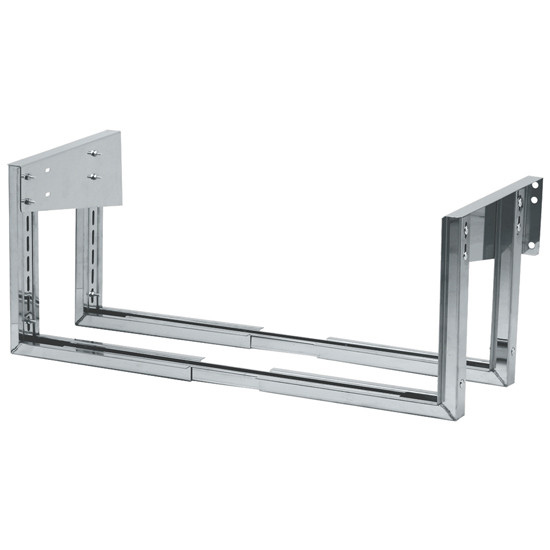
Bawer Adjustable Cradle Style Tool Box W/ Material Options
BAWER TOOL BOXES
$298.99 - $541.99Choose Option(s) to see description.Fitment** Universal - Fits Multiple Makes & Models Of TrucksBawer Black Steel Adjustable Cradle Style Tool Box BracketsBlack Steel Adustable Cradle Style Mounting...PPR_301386- SKU:
- PPR_301386
- Material Options:
- Steel
- Finish Options:
- Black Powder Coat
- Height Options:
- 29 Inch
- Position:
- Kit Full
- Material Options:
- Stainless Steel
- Truck Class:
- Heavy Duty
- Length Options:
- 64 Inch
- Product Type:
- Toolboxes
- Make:
- Universal Items
- Ready To Ship:
- Yes
$298.99 - $541.99Qty in Cart: 0Price:$298.99 - $541.99Subtotal: -
On SaleLimited Quantity Available
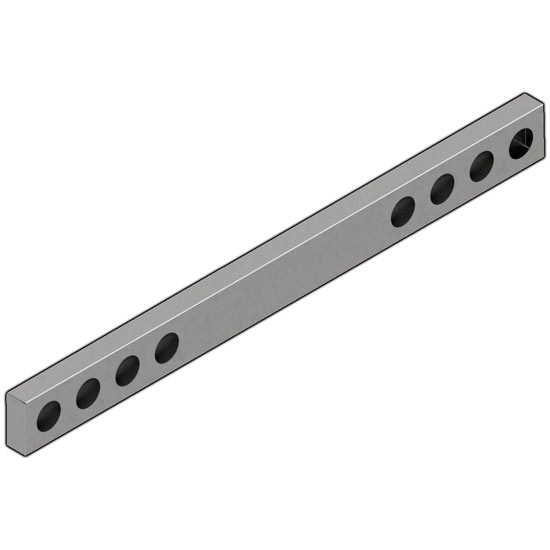
Iowa Customs 96 Inch Stainless Steel Light Bar W/ Light Hole Options
IOWA CUSTOMS
$873.59 - $911.19Choose Option(s) to see description.Fitment** Universal - Fits Multiple Makes & Models Of Trucks & TrailersIowa Customs 96 Inch 304 Stainless Steel Light Bar W/ 13 Round 4 Inch Light Holes96 Inch 304...PPR_301385- SKU:
- PPR_301385
- Length Options:
- 8 1/2 Inch
- Light Options:
- Without Lights
- Material Options:
- Stainless Steel
- Location:
- Made In USA
- Position:
- Rear
- Product Type:
- Bumpers
- Truck Class:
- Heavy Duty
- Width Options:
- 96 Inch
- Finish Options:
- Polished
- Make:
- Universal Items
$873.59 - $911.19Qty in Cart: 0Price:$873.59 - $911.19Subtotal: -

TPHD Stainless Steel 24 Inch Quarter Fender W/ Triangle Arm Mount Design & 4 Inch Top Flap
TPHD
$269.9924 Inch Quarter Fender Stainless Steel W/ Triangle Arm Mount Design & 4 Inch Top Flap* High Quality Quarter Fender* Made Of 18 Gauge 430 Stainless Steel* Mirror Shine Finish* Includes: - (2) Quarter...09-110306066- SKU:
- 09-110306066
- Material Options:
- Stainless Steel
- Finish Options:
- Polished
- Type Options:
- Post Mount
- Location:
- Made In USA
- Position:
- Kit Full
- Style Options:
- Quarter Fender
- Height Options:
- 24 Inch
- Width Options:
- 24 Inch
- Product Type:
- Rear Fenders
- Make:
- Universal Items
- Ready To Ship:
- Yes
$269.99Qty in Cart: 0Price:$269.99Subtotal: -

1157 & 570 Amber LED Front Side Turn Signal & Marker Light Super Bright
ROCKWOOD
$46.991157 & 570 Amber LED Super Bright Marker Light* High Quality LED Bulb* 1157 And 570 Style* Front Side Turn Signal/Marker* Super Bright Amber LEDs* Sold Individually* Warranty On LED Bulbs Against...UE7102- SKU:
- UE7102
- Product Type:
- Lighting
- Location:
- Made In USA
- Color:
- Amber
- Make:
- Universal Items
$46.99Qty in Cart: 0Price:$46.99Subtotal: -

1157 Amber LED Marker/Flasher Bulb W/ 2 Stage Super Bright
ROCKWOOD
$18.171157 Amber LED Marker/Flasher Bulb W/ 20 Diodes* High Quality LED Bulb* 1157 Style* 20 Diode* Marker/Flasher* 2 Stage Super Bright* Amber LEDs* Sold Individually* Warranty On LED Bulbs Against...UE7100- SKU:
- UE7100
- Product Type:
- Lighting
- Color:
- Amber
- Location:
- Made In USA
- Make:
- Universal Items
$18.17Qty in Cart: 0Price:$18.17Subtotal: -

570 Magnum Ultra Bright LED Bulb W/ Color Options
ROCKWOOD
$21.20Choose Option(s) to see description.Fitment** Universal - Fits Multiple Makes & Models Of Trucks570 Amber Magnum Ultra Bright LED Bulb570 Amber LED Bulb Magnum Ultra Bright* High Quality LED Bulb*...PPR_301382- SKU:
- PPR_301382
- Product Type:
- Lighting
- Location:
- Made In USA
- Make:
- Universal Items
- Color:
- White
- Color:
- Red
- Color:
- Blue
- Color:
- Amber
$21.20Qty in Cart: 0Price:$21.20Subtotal: -

Blind Mount Fender Bracket Kit Driver/Passenger Side W/ Bolt Kit For Peterbilt Flex Air & Kenworth AG380 Paccar Suspension
I29 TRUCK PARTS
$2,573.99Driver/Passenger Side Blind Mount Fender Bracket Kit W/ Bolt Kit* High Quality Fender Bracket Kit* Flex Air Suspension* Fits 24.5 Inch Low Pro Tires and Smaller* Includes: - (1) Standard Driver Side...XBM-FLEXSFKIT- SKU:
- XBM-FLEXSFKIT
- Type Options:
- Blind Mount
- Product Type:
- Rear Fenders
- Location:
- Made In USA
- Position:
- Kit Full
- Make:
- Kenworth
- Ready To Ship:
- Yes
$2,573.99Qty in Cart: 0Price:$2,573.99Subtotal: -
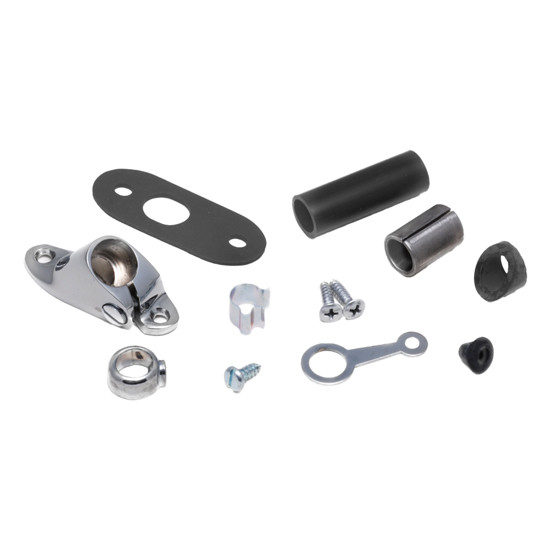
Spotlight Installation Kit W/ Driver/Passenger Side Post Mounting Kit For Unity Spotlight With An A-Shaft Length
UNITY MFG
$86.99Choose Option(s) to see description.Fitment** Universal - Fits Multiple Makes & Models Of TrucksSpotlight Installation Kit W/ Driver Side Post Mount Mounting Kit For Unity Spotlight With An A-Shaft...PPR_301365- SKU:
- PPR_301365
- Position:
- Kit Full
- Location:
- Made In USA
- Product Type:
- Lighting
- Make:
- Universal Items
- Position:
- Driver Side
- Type Options:
- Post Mount
- Position:
- Passenger Side
$86.99Qty in Cart: 0Price:$86.99Subtotal: -
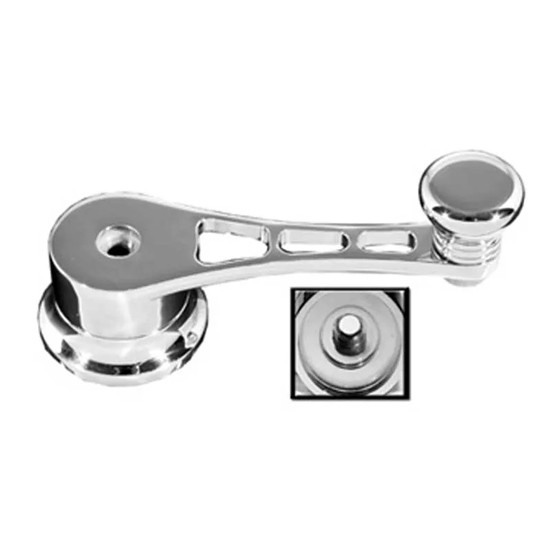
Aluminum Window Regulator Crank Handle W/ Flange & Chrome Mounting Screw For Peterbilt 1998 & Newer
ROCKWOOD
$95.99Window Regulator Crank Handle Aluminum W/ Flange & Chrome Mounting Screw Fits D Shaft* High Quality Window Regulator Crank Handle* Made Of Billet Aluminum* Chrome Plated Finish* Fits D Shaft*...UDA318- SKU:
- UDA318
- Product Type:
- Interior
- Material Options:
- Billet Aluminum
- Location:
- Made In USA
- Finish Options:
- Chrome-Plated
- Make:
- Peterbilt
$95.99Qty in Cart: 0Price:$95.99Subtotal: -
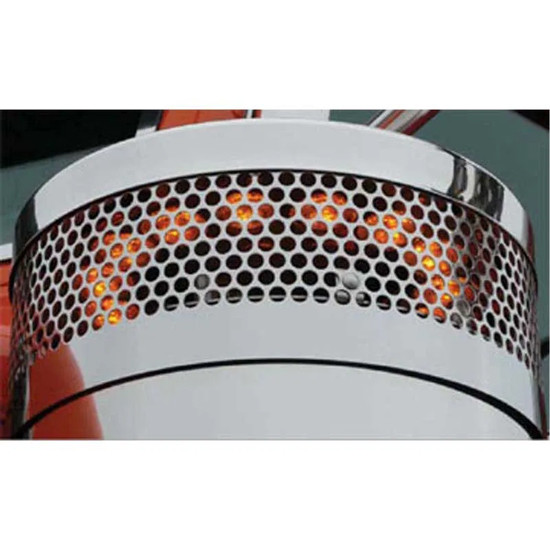
Roadworks 304 Stainless Steel Breather Screen Factory Height W/ Cutout Options For Peterbilt W/ 15 Inch Premium Donaldson
ROADWORKS
$567.99 - $569.99Choose Option(s) to see description.Fitment* Fits Peterbilt 330 1995 thru 2005* Fits Peterbilt 335 2005 thru 2010* Fits Peterbilt 337 2011 thru 2023* Fits Peterbilt 352 1972 thru 1980* Fits Peterbilt...PPR_301362- SKU:
- PPR_301362
- Finish Options:
- Polished
- Style Options:
- Donaldson Style
- Diameter Options:
- 15 Inch
- Location:
- Made In USA
- Product Type:
- Exterior
- Truck Class:
- Heavy Duty
- Material Options:
- Stainless Steel
- Make:
- Peterbilt
- Make:
- Kenworth
$567.99 - $569.99Qty in Cart: 0Price:$567.99 - $569.99Subtotal: -
On SaleLimited Quantity Available

Roadworks 430 Stainless Steel Breather Screen Chopped W/ Cutout Options For Peterbilt W/ 15 Inch Premium Donaldson
ROADWORKS
$235.61 - $451.99Choose Option(s) to see description.Fitment* Fits Peterbilt 330 1995 thru 2005* Fits Peterbilt 335 2005 thru 2010* Fits Peterbilt 337 2011 thru 2023* Fits Peterbilt 352 1972 thru 1980* Fits Peterbilt...PPR_301361- SKU:
- PPR_301361
- Shape Options:
- Oval
- Height Options:
- 15 Inch
- Product Type:
- Exterior
- Location:
- Made In USA
- Finish Options:
- Polished
- Style Options:
- Donaldson Style
- Diameter Options:
- 15 Inch
- Material Options:
- Stainless Steel
- Truck Class:
- Heavy Duty
- Make:
- Peterbilt
- Make:
- Kenworth
- Make:
- Universal Items
- Ready To Ship:
- Yes
- Style Options:
- Punched
$235.61 - $451.99Qty in Cart: 0Price:$235.61 - $451.99Subtotal: -
Limited Quantity Available
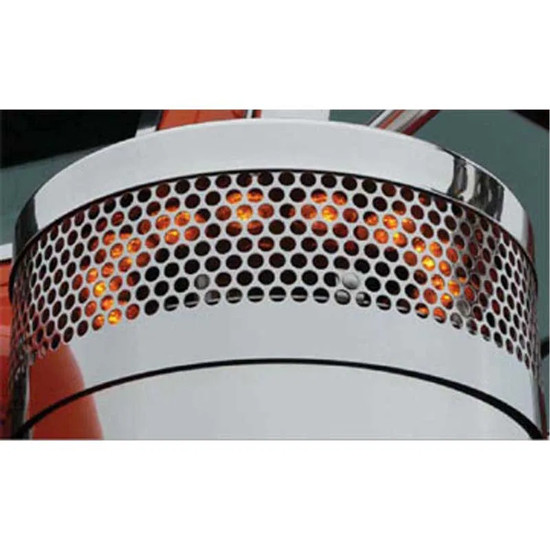
Roadworks 430 Stainless Steel Air Cleaner Punched Screens Chopped W/ Hole Shape Options For Peterbilt W/ 15 Inch Standard Donaldson
ROADWORKS
$382.99Choose Option(s) to see description.Fitment* Fits Peterbilt 330 1995 thru 2005* Fits Peterbilt 335 2005 thru 2010* Fits Peterbilt 337 2011 thru 2023* Fits Peterbilt 352 1972 thru 1980* Fits Peterbilt...PPR_301358- SKU:
- PPR_301358
- Location:
- Made In USA
- Style Options:
- Donaldson Style
- Height Options:
- 15 Inch
- Shape Options:
- Oval
- Material Options:
- Stainless Steel
- Truck Class:
- Heavy Duty
- Finish Options:
- Polished
- Product Type:
- Exterior
- Make:
- Peterbilt
- Make:
- Kenworth
- Make:
- Universal Items
- Make:
- Western Star
- Ready To Ship:
- Yes
$382.99Qty in Cart: 0Price:$382.99Subtotal: -

Roadworks Stainless Steel Rear Light Bar W/ Light Hole Options
ROADWORKS
$565.99 - $605.99Choose Option(s) to see description.Fitment** Universal - Fits Multiple Makes & Models Of TrucksRoadworks Stainless Steel Rear Light Bar W/ 10 Horizontal Oval Light HolesStainless Steel Rear Light...PPR_301357- SKU:
- PPR_301357
- Material Options:
- Stainless Steel
- Location:
- Made In USA
- Product Type:
- Bumpers
- Light Options:
- Without Lights
- Make:
- Universal Items
$565.99 - $605.99Qty in Cart: 0Price:$565.99 - $605.99Subtotal: -

Steering Creations Smart Gen 5 Kit W/ 3 Bolt Pattern & Color Options For 4 Spoke Steering Wheel
STEERING CREATIONS
$345.99 - $349.99Choose Option(s) to see description.Fitment** Universal - Fits Multiple Makes & Models Of TrucksSteering Creations Smart Gen 5 Kit White W/ 3 Bolt Pattern For 4 Spoke Steering WheelWhite Smart Gen 5...PPR_301376- SKU:
- PPR_301376
- Product Type:
- Interior
- Position:
- Kit Full
- Color:
- Red
- Material Options:
- Steel
- Make:
- Peterbilt
- Make:
- Kenworth
- Make:
- Universal Items
- Color:
- White
- Color:
- Blue
$345.99 - $349.99Qty in Cart: 0Price:$345.99 - $349.99Subtotal: -
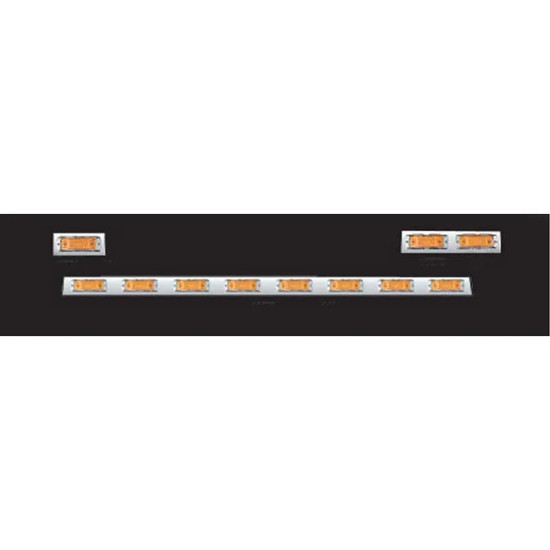
Roadworks Stainless Steel Channel W/ Length & Super 21 Light Hole Options
ROADWORKS
$20.76 - $174.99Choose Option(s) to see description.Fitment** Universal - Fits Multiple Makes & Models Of TrucksRoadworks 9 Inch Stainless Steel Channel W/ 1 Super 21 Light Hole9 Inch Stainless Steel Channel W/ 1...PPR_301354- SKU:
- PPR_301354
- Length Options:
- 86 Inch
- Length Options:
- 18 Inch
- Material Options:
- Stainless Steel
- Location:
- Made In USA
- Length Options:
- 9 Inch
- Product Type:
- Lighting
- Height Options:
- 4 Inch
- Light Options:
- Without Lights
- Make:
- Universal Items
$20.76 - $174.99Qty in Cart: 0Price:$20.76 - $174.99Subtotal: -
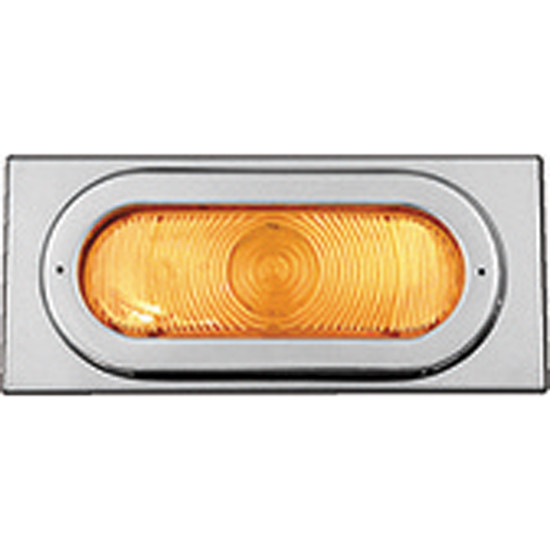
Roadworks Stainless Steel Channel W/ Length & Oval Light Hole Options
ROADWORKS
$20.76 - $190.99Choose Option(s) to see description.Fitment** Universal - Fits Multiple Makes & Models Of TrucksRoadworks 9 Inch Stainless Steel Channel W/ 1 Oval Light Hole9 Inch Stainless Steel Channel W/ 1 Oval...PPR_301353- SKU:
- PPR_301353
- Length Options:
- 30 Inch
- Length Options:
- 18 Inch
- Length Options:
- 9 Inch
- Length Options:
- 86 Inch
- Material Options:
- Stainless Steel
- Location:
- Made In USA
- Length Options:
- 36 Inch
- Length Options:
- 94 Inch
- Height Options:
- 4 Inch
- Product Type:
- Lighting
- Length Options:
- 60 Inch
- Light Options:
- Without Lights
- Make:
- Universal Items
$20.76 - $190.99Qty in Cart: 0Price:$20.76 - $190.99Subtotal: -

Roadworks 304 Stainless Steel Breather Screen Chopped W/ Cutout Options For Peterbilt W/ 15 Inch Premium Donaldson
ROADWORKS
$478.99Choose Option(s) to see description.Fitment* Fits Peterbilt 330 1995 thru 2005* Fits Peterbilt 335 2005 thru 2010* Fits Peterbilt 337 2011 thru 2023* Fits Peterbilt 352 1972 thru 1980* Fits Peterbilt...PPR_301363- SKU:
- PPR_301363
- Truck Class:
- Heavy Duty
- Finish Options:
- Polished
- Location:
- Made In USA
- Style Options:
- Donaldson Style
- Material Options:
- Stainless Steel
- Diameter Options:
- 15 Inch
- Product Type:
- Exterior
- Make:
- Kenworth
- Make:
- Peterbilt
$478.99Qty in Cart: 0Price:$478.99Subtotal: -

Roadworks Stainless Steel Channel W/ Round Light Hole & Length Options
ROADWORKS
$10.08 - $190.99Choose Option(s) to see description.Fitment** Universal - Fits Multiple Makes & Models Of TrucksRoadworks 4 Inch Stainless Steel Channel W/ 1 Round 2 Inch Light Holes4 Inch Stainless Steel Channel W/...PPR_301350- SKU:
- PPR_301350
- Length Options:
- 32 Inch
- Length Options:
- 94 Inch
- Height Options:
- 4 Inch
- Product Type:
- Lighting
- Length Options:
- 4 Inch
- Light Options:
- Without Lights
- Length Options:
- 24 Inch
- Length Options:
- 16 Inch
- Length Options:
- 86 Inch
- Length Options:
- 8 Inch
- Material Options:
- Stainless Steel
- Location:
- Made In USA
- Make:
- Universal Items
$10.08 - $190.99Qty in Cart: 0Price:$10.08 - $190.99Subtotal: -

Roadworks Stainless Steel Channel W/ Bullet Plug, Supernova Light Hole & Length Options
ROADWORKS
$31.60 - $148.99Choose Option(s) to see description.Fitment** Universal - Fits Multiple Makes & Models Of TrucksRoadworks 18 Inch Stainless Steel Channel W/ 2 Supernova Light Holes & Bullet Plugs18 Inch Stainless...PPR_301349- SKU:
- PPR_301349
- Length Options:
- 18 Inch
- Length Options:
- 60 Inch
- Light Options:
- Without Lights
- Length Options:
- 30 Inch
- Style Options:
- Supernova
- Length Options:
- 86 Inch
- Location:
- Made In USA
- Height Options:
- 3 1/2 Inch
- Length Options:
- 36 Inch
- Length Options:
- 42 Inch
- Length Options:
- 88 Inch
- Length Options:
- 94 Inch
- Product Type:
- Lighting
- Material Options:
- Stainless Steel
- Make:
- Universal Items
$31.60 - $148.99Qty in Cart: 0Price:$31.60 - $148.99Subtotal: -
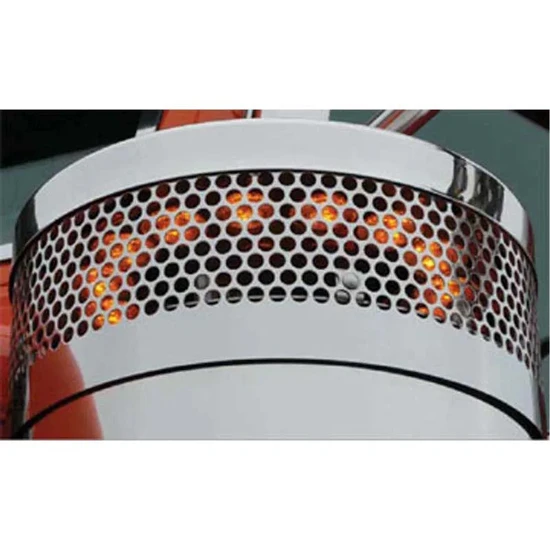
Roadworks 304 Stainless Steel Breather Screen Factory Height W/ Cutout Shape Options For Peterbilt W/ 15 Inch Standard Donaldson
ROADWORKS
$502.99Choose Option(s) to see description.Fitment* Fits Peterbilt 330 1995 thru 2005* Fits Peterbilt 335 2005 thru 2010* Fits Peterbilt 337 2011 thru 2023* Fits Peterbilt 352 1972 thru 1980* Fits Peterbilt...PPR_301359- SKU:
- PPR_301359
- Truck Class:
- Heavy Duty
- Location:
- Made In USA
- Material Options:
- Stainless Steel
- Diameter Options:
- 15 Inch
- Style Options:
- Donaldson Style
- Product Type:
- Exterior
- Make:
- Peterbilt
- Make:
- Kenworth
$502.99Qty in Cart: 0Price:$502.99Subtotal: -

Roadworks Stainless Steel License Plate Holder Gullwing Style W/ Supernova Horizontal Light Hole, Plate Quantity & Width Options
ROADWORKS
$36.53 - $230.99Choose Option(s) to see description.Fitment** Universal - Fits Multiple Makes & Models Of TrucksRoadworks 13.5 Inch Stainless Steel License Plate Holder Gull Wing Style W/ Supernova Horizontal Light...PPR_301346- SKU:
- PPR_301346
- Product Type:
- Bumpers
- Width Options:
- 56 Inch
- Light Options:
- Without Lights
- Style Options:
- Gullwing
- Material Options:
- Stainless Steel
- Width Options:
- 27 1/2 Inch
- Location:
- Made In USA
- Width Options:
- 13 1/2 Inch
- Make:
- Universal Items
$36.53 - $230.99Qty in Cart: 0Price:$36.53 - $230.99Subtotal: -

Roadworks 94 X 4 Inch Stainless Steel Full Bumper Bar W/ Oval Light Hole Options
ROADWORKS
$161.99 - $178.99Choose Option(s) to see description.Fitment** Universal - Fits Multiple Makes & Models Of TrucksRoadworks 94 X 4 Inch Stainless Steel Full Bumper Bar W/ 5 Oval Light Holes94 X 4 Inch Stainless Steel...PPR_301355- SKU:
- PPR_301355
- Length Options:
- 94 Inch
- Product Type:
- Bumpers
- Width Options:
- 94 Inch
- Light Options:
- Without Lights
- Height Options:
- 4 Inch
- Material Options:
- Stainless Steel
- Location:
- Made In USA
- Make:
- Universal Items
$161.99 - $178.99Qty in Cart: 0Price:$161.99 - $178.99Subtotal: -
On SaleLimited Quantity Available

Roadworks 304 Stainless Steel 15 Inch Vortox Breather Screen W/ Cutout Options For Peterbilt
ROADWORKS
$124.89 - $383.99Choose Option(s) to see description.Fitment* Fits Peterbilt 330 1995 thru 2005* Fits Peterbilt 335 2005 thru 2010* Fits Peterbilt 337 2011 thru 2023* Fits Peterbilt 352 1972 thru 1980* Fits Peterbilt...PPR_301364- SKU:
- PPR_301364
- Material Options:
- Stainless Steel
- Product Type:
- Exterior
- Location:
- Made In USA
- Truck Class:
- Heavy Duty
- Diameter Options:
- 15 Inch
- Style Options:
- Donaldson Style
- Make:
- Peterbilt
- Make:
- Kenworth
- Ready To Ship:
- Yes
$124.89 - $383.99Qty in Cart: 0Price:$124.89 - $383.99Subtotal: -

Roadworks Stainless Steel Channel W/ Length & Rectangular Light Hole Options
ROADWORKS
$22.73 - $41.48Choose Option(s) to see description.Fitment** Universal - Fits Multiple Makes & Models Of TrucksRoadworks 8 Inch Stainless Steel Channel W/ 1 Rectangular Light Hole8 Inch Stainless Steel Channel W/ 1...PPR_301351- SKU:
- PPR_301351
- Light Options:
- Without Lights
- Height Options:
- 6 Inch
- Location:
- Made In USA
- Length Options:
- 8 Inch
- Product Type:
- Lighting
- Length Options:
- 16 Inch
- Material Options:
- Stainless Steel
- Make:
- Universal Items
$22.73 - $41.48Qty in Cart: 0Price:$22.73 - $41.48Subtotal: -

Roadworks 304 Stainless Steel Punched Breather Screen Chopped W/ Cutout Options For Peterbilt W/ 15 Inch Standard Donaldson
ROADWORKS
$397.99Choose Option(s) to see description.Fitment* Fits Peterbilt 330 1995 thru 2005* Fits Peterbilt 335 2005 thru 2010* Fits Peterbilt 337 2011 thru 2023* Fits Peterbilt 352 1972 thru 1980* Fits Peterbilt...PPR_301360- SKU:
- PPR_301360
- Product Type:
- Exterior
- Diameter Options:
- 15 Inch
- Style Options:
- Donaldson Style
- Material Options:
- Stainless Steel
- Location:
- Made In USA
- Truck Class:
- Heavy Duty
- Make:
- Peterbilt
- Make:
- Kenworth
$397.99Qty in Cart: 0Price:$397.99Subtotal: -

Roadworks Stainless Steel Channel W/ Light Hole & Length Options
ROADWORKS
$7.11 - $138.99Choose Option(s) to see description.Fitment** Universal - Fits Multiple Makes & Models Of TrucksRoadworks 3.5 Inch Stainless Steel Channel W/ Round 2 Inch Light Hole3.5 Inch Stainless Steel Channel...PPR_301347- SKU:
- PPR_301347
- Length Options:
- 30 Inch
- Length Options:
- 60 Inch
- Location:
- Made In USA
- Material Options:
- Stainless Steel
- Height Options:
- 3 1/2 Inch
- Length Options:
- 36 Inch
- Length Options:
- 3 1/2 Inch
- Length Options:
- 86 Inch
- Length Options:
- 6 3/4 Inch
- Length Options:
- 18 Inch
- Light Options:
- Without Lights
- Length Options:
- 42 Inch
- Length Options:
- 88 Inch
- Product Type:
- Lighting
- Make:
- Universal Items
$7.11 - $138.99Qty in Cart: 0Price:$7.11 - $138.99Subtotal: -

Roadworks Stainless Steel Channel W/ Contoured Bar, Length & Oval Light Hole Options
ROADWORKS
$15.72 - $72.99Choose Option(s) to see description.Fitment** Universal - Fits Multiple Makes & Models Of TrucksRoadworks 8.25 Inch Stainless Steel Channel W/ Contoured Bar & 1 Oval Light Hole8.25 Inch Stainless...PPR_301356- SKU:
- PPR_301356
- Length Options:
- 24 1/2 Inch
- Location:
- Made In USA
- Length Options:
- 48 Inch
- Material Options:
- Stainless Steel
- Length Options:
- 16 1/2 Inch
- Height Options:
- 4 Inch
- Light Options:
- Without Lights
- Length Options:
- 8 1/4 Inch
- Product Type:
- Lighting
- Make:
- Universal Items
$15.72 - $72.99Qty in Cart: 0Price:$15.72 - $72.99Subtotal: -

Roadworks Stainless Steel Channel W/ Length & Round Light Hole Options
ROADWORKS
$20.07 - $36.54Choose Option(s) to see description.Fitment** Universal - Fits Multiple Makes & Models Of TrucksRoadworks 6.5 Inch Stainless Steel Channel W/ 1 Round 4 inch Light Hole6.5 Inch Stainless Steel Channel...PPR_301352- SKU:
- PPR_301352
- Height Options:
- 6 1/2 Inch
- Location:
- Made In USA
- Length Options:
- 13 Inch
- Material Options:
- Stainless Steel
- Product Type:
- Lighting
- Light Options:
- Without Lights
- Length Options:
- 6 1/2 Inch
- Make:
- Universal Items
$20.07 - $36.54Qty in Cart: 0Price:$20.07 - $36.54Subtotal: -
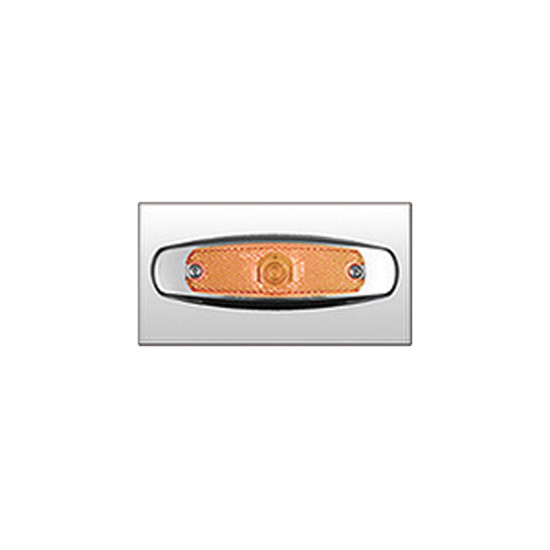
Roadwork Stainless Steel Channel W/ Supernova Light Hole & Length Options
ROADWORKS
$13.84 - $135.99Choose Option(s) to see description.Fitment** Universal - Fits Multiple Makes & Models Of TrucksRoadworks 6.75 Inch Stainless Steel Channel W/ Supernova Light Hole6.75 Inch Stainless Steel Channel W/...PPR_301348- SKU:
- PPR_301348
- Length Options:
- 18 Inch
- Length Options:
- 60 Inch
- Length Options:
- 30 Inch
- Material Options:
- Stainless Steel
- Length Options:
- 94 Inch
- Product Type:
- Lighting
- Style Options:
- Supernova
- Height Options:
- 3 1/2 Inch
- Length Options:
- 36 Inch
- Length Options:
- 6 3/4 Inch
- Light Options:
- Without Lights
- Location:
- Made In USA
- Make:
- Universal Items
$13.84 - $135.99Qty in Cart: 0Price:$13.84 - $135.99Subtotal: -
FREE SHIPPING OVER $249
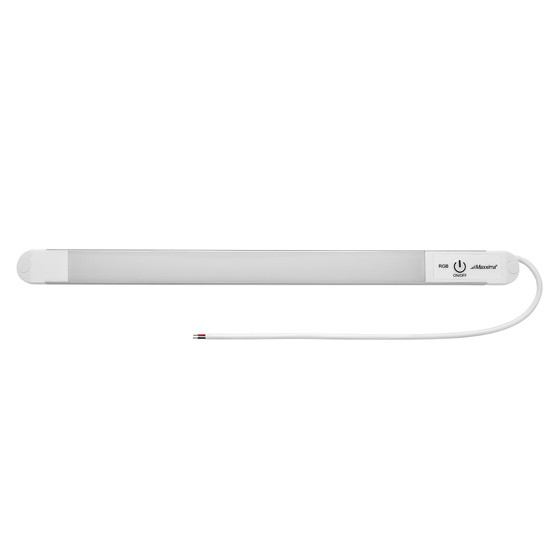
Multi Color Function Rigid Strip W/ 7 Selectable Colors & Length Options
MAXXIMA
$61.99 - $117.99Choose Option(s) to see description.Fitment** Universal - Fits Multiple Makes & Models Of TrucksMulti Color Function Rigid Strip 12 Inch W/ 7 Selectable Colors & 33 LEDs12 Inch Multi Color Function...PPR_301232- SKU:
- PPR_301232
- Height Options:
- 114 Inch
- Product Type:
- Lighting
- Make:
- Universal Items
- Ready To Ship:
- Yes
$61.99 - $117.99Qty in Cart: 0Price:$61.99 - $117.99Subtotal: -

Stainless Steel 30 Inch Mud Flap Hanger Spring Loaded W/ Optional Bolt Spacing
TRUX ACCESSORIES
$127.99 - $163.99Choose Option(s) to see description.Fitment** Universal - Fits Multiple Makes & Models Of Trucks & TrailersStainless Steel Mud Flap Hangers 30 X 5.5 Inch W/ 1.125 Inch Bolt SpacingMud Flap Hangers 30...PPR_301248- SKU:
- PPR_301248
- Finish Options:
- Mirror
- Material Options:
- Stainless Steel
- Product Type:
- Mud Flaps
- Width Options:
- 30 Inch
- Make:
- Universal Items
- Ready To Ship:
- Yes
$127.99 - $163.99Qty in Cart: 0Price:$127.99 - $163.99Subtotal: