Fuel Tank Measurements To Take Before You Replace Your Tank

If you’re thinking about upgrading your semi truck’s fuel tank for a larger gallon-size and more fuel storage capacity - or you’re just replacing an OEM diesel fuel tank with an aftermarket brand, there’s one thing you need to know: fuel tank measurements!
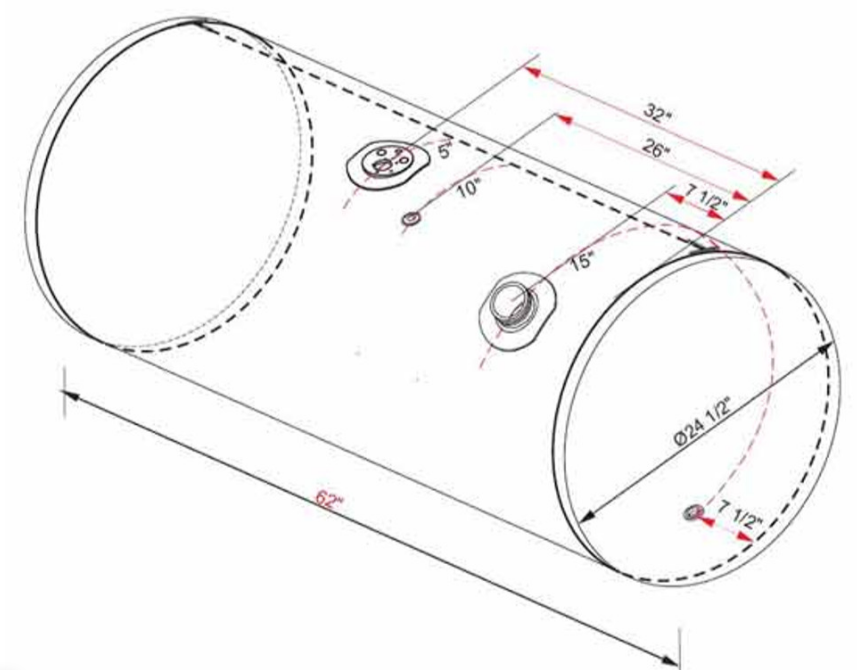
Top Fuel Tank Specs to Consider Before Upgrading:
- Type of Manifold
- Old or New Style Tank
- Diameter and Length
- Rear or Front Fill
- Inches From Filler Neck to Drain Point
Without the right size measurements, you’ll end up with nightmare scenarios like fuel line connectors that are too short or brackets and straps that do not fit your new tank.
Key Takeaways
- Measure the tank diameter, length, filler-neck position, drain location, manifold style, and gallon capacity before ordering.
- Match the brackets, straps, liners, and rubber isolators to the new tank diameter and truck model.
- Confirm fuel-line length and manifold connections, especially when installing a larger tank.
- Match the fuel sender length and type to the tank depth and dashboard gauge.
- Verify fairing cutouts and front- or rear-fill placement before installation.
- Add locking caps, anti-siphon protection, trim, or wraps during the upgrade for added security and style.
Brackets, Straps & Liners by Model
While you are installing a new tank, it is also a smart time to add tank accessories that help protect your fuel storage from theft or improve the overall look with wraps and related upgrades.
While you’re getting your new tank installed, it’s the best time to add some additional accessories and future-proof your fuel storage for anti-theft protection or aesthetic appeal (wraps).
Fuel Tank Measurements 101 — What You Must Know Before Upgrading Your Semi Truck Fuel Tank Size
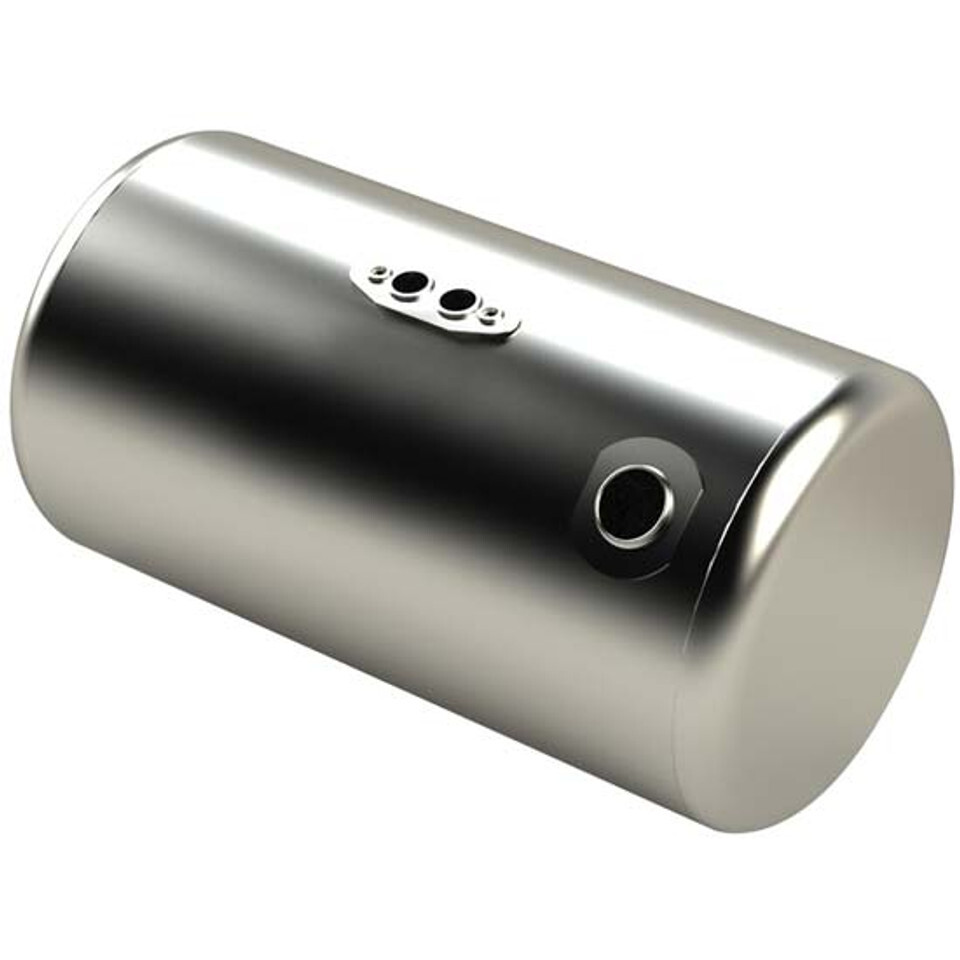
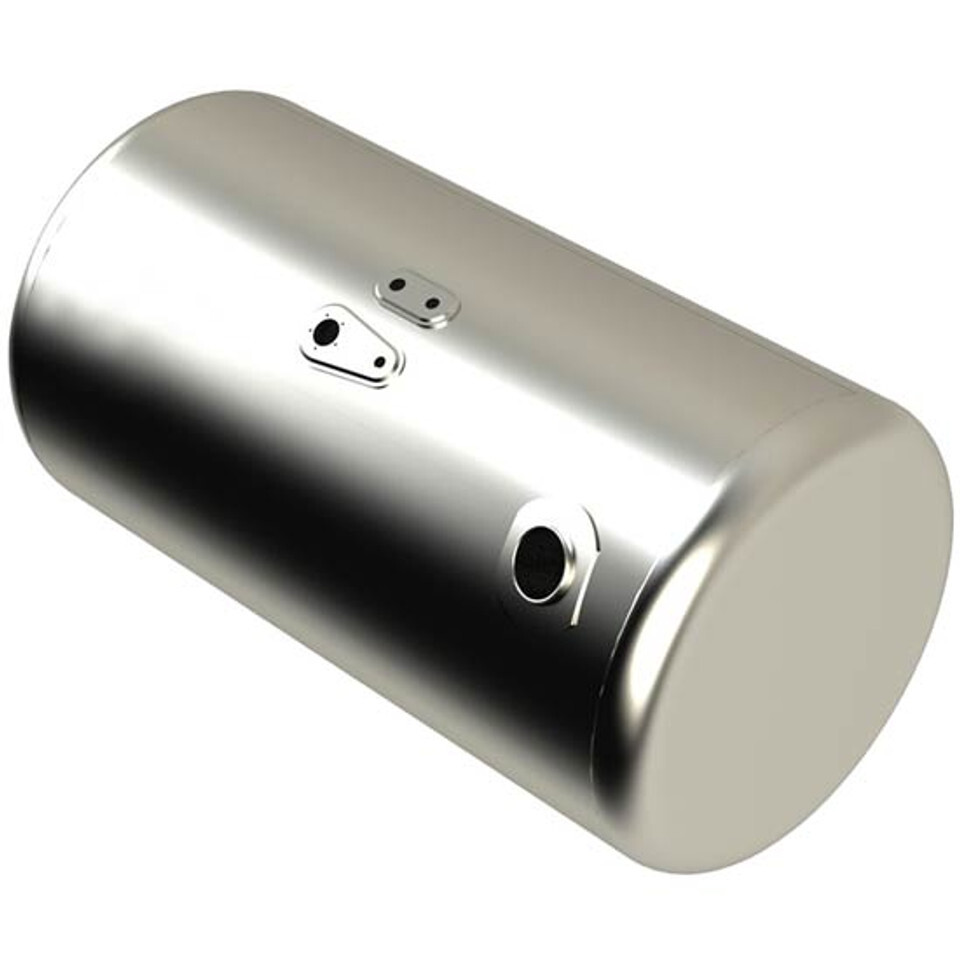
Old Style vs New Style Manifold
Front Fill vs Rear Fill Location
Easy and straightforward. You can figure this out by simply looking at where your filler neck placement is - either near the front or the back of the tank and seeing the old or new style of manifold (the fill holes are closer together on the newer style).
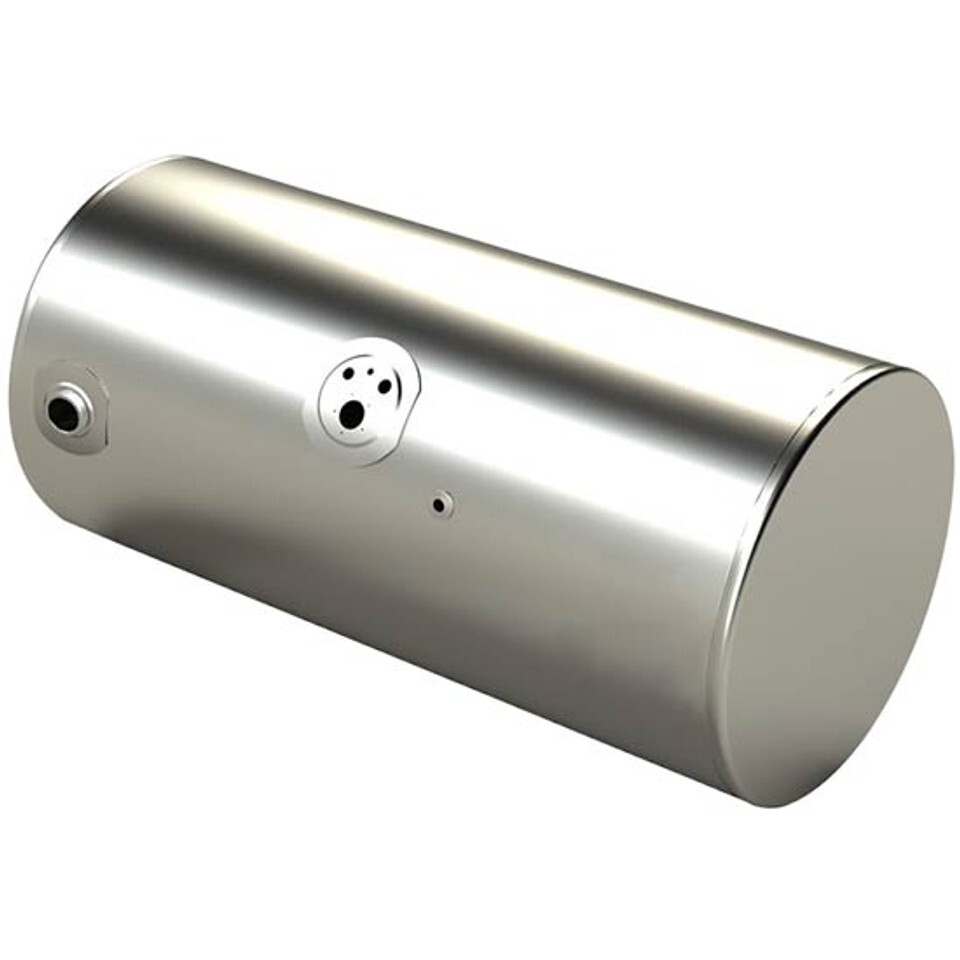
The placement of your filler neck impacts your fairing cutouts and general fueling convenience.
Inches from Tank End to Filler Neck and Drain Points
Measure from the seam to the filler neck and from the seam to the drain.
If it’s accurate, you won’t have any problems with fuel line hose lengths connecting.
Diameter and Length of the Tank
Look at the diameter (width) of your tank’s end. This will determine the bracket size and radius (arc) needed to get a secure fit.
- Standard sizes (23", 26") and how diameter affects capacity and bracket fit.
Tank Capacity (Gallons)
Get the right gallon capacity. It goes without saying, getting a gallon size that is far too big or too little for your truck can affect your route and refueling strategy on the job.
Upgrading Fuel Tank Mounts — Brackets, Straps, and Rubber Isolators
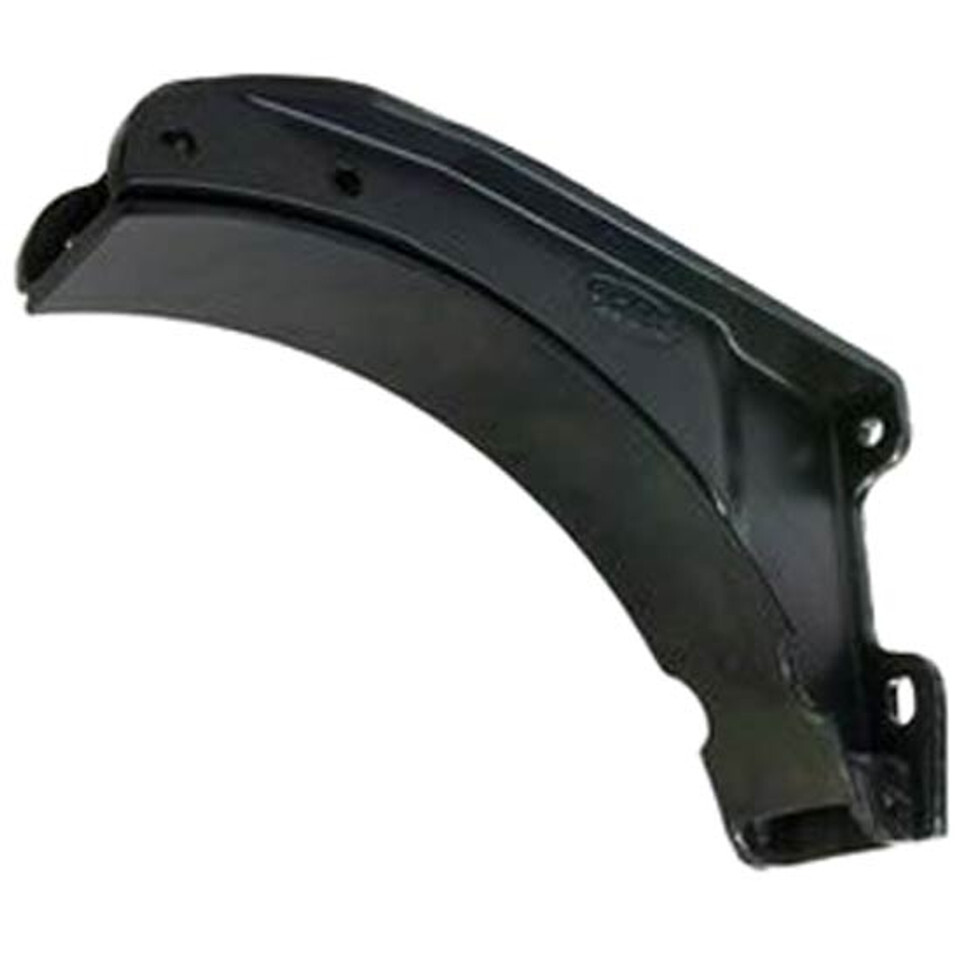
Moving and Replacing Upper and Lower Fuel Tank Brackets
When you upgrade to a larger fuel tank size, you’re going to need appropriately sized moving brackets on the frame to keep your fuel lines and diesel from experiencing excess turbulence on the road.
Matching Bracket Radius to New Tank
- Radius sizes differ between tank diameters — critical to match correctly.
Replacing Your Straps and Rubber Isolators
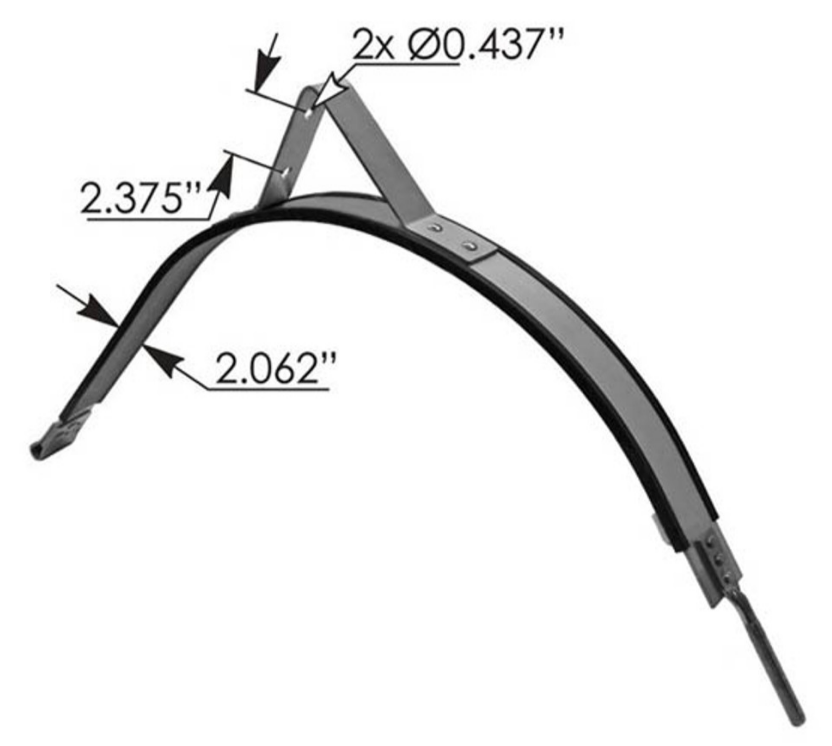
- Wider tanks = wider or longer straps.
- Always replace the isolating rubber on the J-bracket and strap for durability and vibration control.
Fuel Line Extensions and Manifold Considerations
Extending Fuel Lines (Supply and Return)
Measure from the seam to the drain point to make sure your fuel line extensions are long enough to connect!
Various tank setups will require you to buy long fuel line hoses. Sometimes your filler neck may have a fairing on it or a center fill where the fairing cut out is far away from the filler neck.
What Type of Manifold Do You Have?
This is critical to understand.
- Kenworth: multiple location options that could have a 21" or 23"
- Peterbilt: old style vs new style 22" or 26"
- Freightliner (Century, Classic, Cascadia): manifold size varies greatly.
Choosing the Right Fuel Sender Unit and Gauge Compatibility
Magnetic vs Electric Fuel Sender
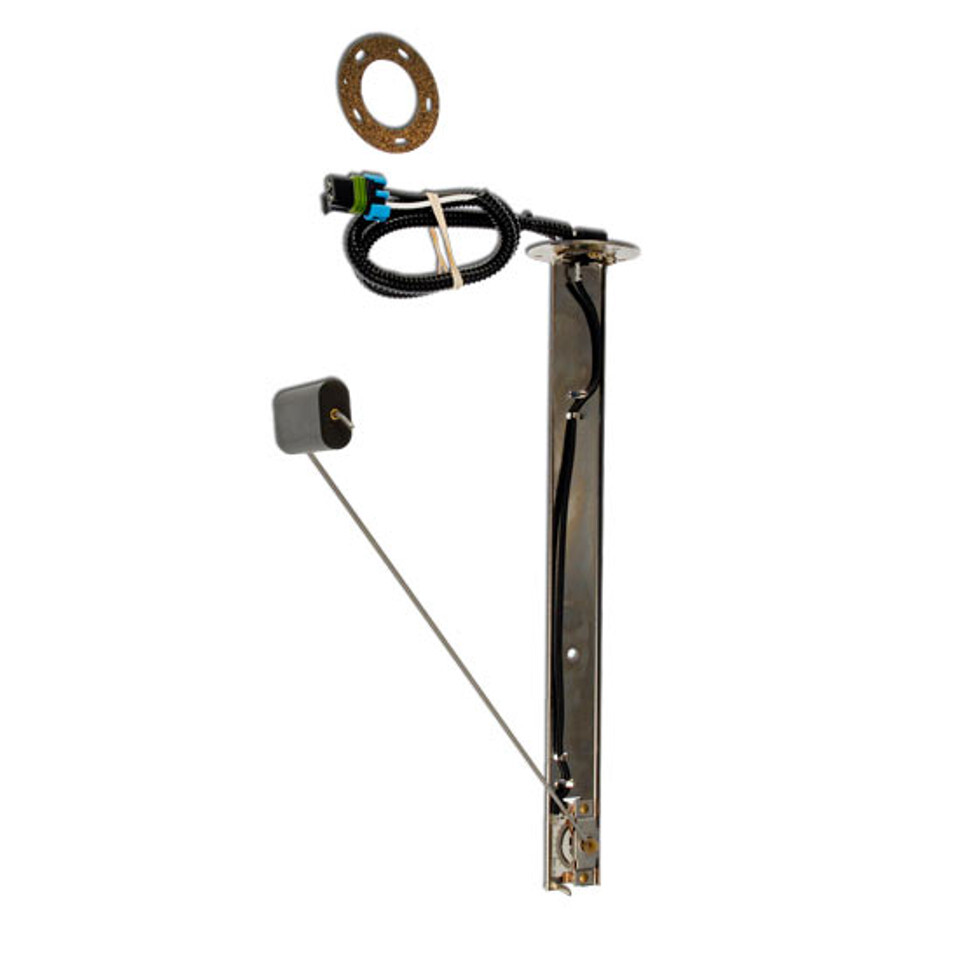
Your fuel sender unit is what measures the fuel level in your tank. The specific type of sender you need is determined by whether or not it’s compatible with your gauges.
If you have a magnetic style sender, it goes with an electric gauge. If you have a ma
If you get a larger tank with a larger diameter, you need a larger sender. Right? Otherwise it won’t dip down far enough into the tank to accurately measure the fuel level.
Must-Have Fuel Tank Accessories to Add During the Upgrade
Choosing the Right Fuel Tank Cap
If you’re adding a new tank, why not throw in a secure, anti-tamper semi truck fuel tank cap to give it some extra protection.
- Locking Cap: theft and tamper prevention mechanism that can have twist lever cap lock
- Non-Locking Cap: simple push and twist caps that are easy to use
- Vented Cap: prevents pressure build-up via vapor release
Anti-Siphon Protection Tubes
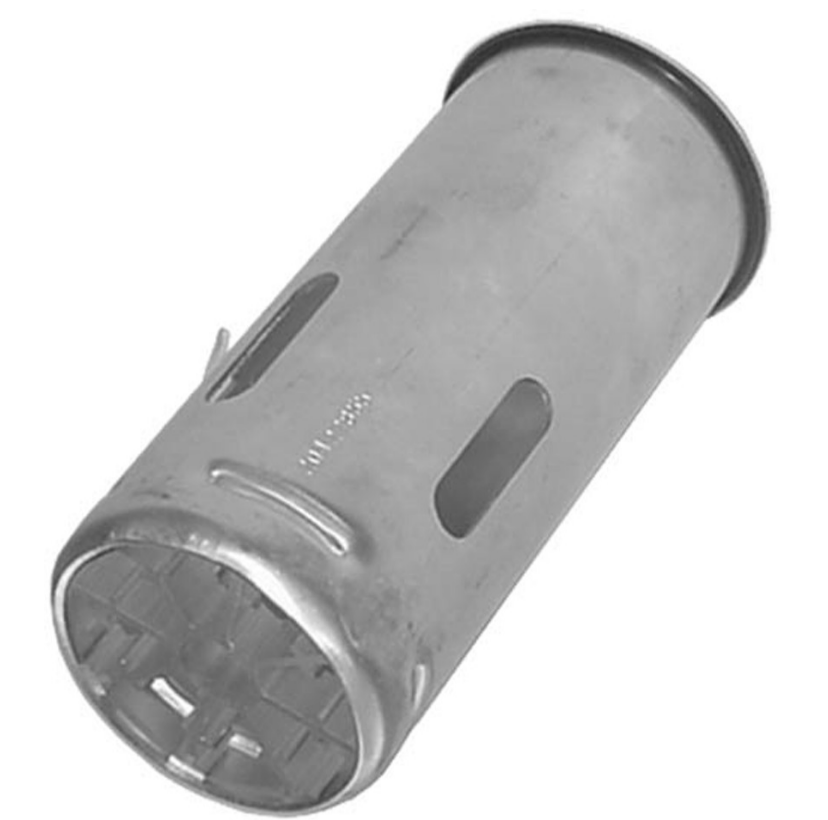
Consider installing anti-siphon tubes inside the filler neck, like the Leak Defender for Peterbilt, Freightliner, or Kenworth. These cool gadgets basically prevent anyone from stuffing a hose down into your tank. If they do, they hit a solid barrier and can’t get any fuel out.
Fuel Tank Accessories for Better Protection and Better Looks
Aluminum fuel tanks can be painted, polished for a shinier appearance, or covered with an aftermarket vinyl wrap that mimics the appearance of stainless steel for a cohesive visual theme on your truck’s exterior.
Stainless steel J-bracket covers can smoothen the rough edges of truck's protruding J-brackets underneath the tank. Or add some fuel tank cap ends to give a smooth, sleek appearance to any rough edges.
Throwing in some truck trim steps on your tank can add to the functionality and style of your truck.
Why Getting the Right Diesel Tank Measurements Matters
Upgrade your fuel tank efficiently and effectively. No more wasted time and energy. How? Get the right measurements first and foremost. When you do, it’ll save you so much headache.
Explore your options online and choose from quality aftermarket or OEM-equivalent parts that come with a warranty. Our team at 4 State Trucks can help you find the perfect fuel tank for your semi truck.
Recent Posts
-
Diesel Truck Engine Maintenance Guide
 Semi truck engines can last up to one million miles, or more, before they need to be rebuilt or repl …4th Sep 2026
 -
How to Buy the Right Peterbilt 379 Radiator
 If you want to keep your diesel engine from overheating you need a well-functioning replacement Pete …28th Aug 2026
 -
10 Essential Cost-Per-Mile Truck Upgrades that Pay for Themselves
 Small aftermarket semi truck accessories and performance upgrades save more money over time than the …21st Aug 2026
 -
Seasonal Semi Truck Maintenance Checklist
 Freezing winter weather temperatures, heavy snow, ice, and road salt take an unseen toll on your sem …14th Aug 2026
 -
Haul of Fame: Richard Bonner’s 1996 Peterbilt 379 — Bringing a Classic Trucker’s Truck Back to Life
 Every truck has a story, but some are worth taking a closer look at. Richard Bonner’s 1996 Peterbilt …14th Aug 2026
 -
Surviving the Scale: How to Pass Your DOT Inspection & Avoid Crippling Fees
 DOT semi truck inspections can make anyone nervous. There are multiple levels that start from a quic …7th Aug 2026
 -
Semi Truck Brake System Maintenance Guide
 Semi-truck brake defects account for 30% of out-of-service violations, according to CVSA’s 2025 Inte …4th Aug 2026
 -
How to Build a Semi Truck Emergency Kit (A Complete Checklist)
 Semi-truck breakdowns drain your wallet and your time, but they aren't inevitable. With the right em …30th Jul 2026
 -
How 4 State Trucks Helps Drivers Source Parts Without Costly Delays
 For an owner operator, every minute of downtime is costly, and a potentially business-ending scenari …24th Jul 2026
 -
Haul of Fame - Loud N Heavy: How Davis Brothers Designs Turned a Famous Show Truck Into a Legend of Its Own
 Davis Brothers Designs transformed a renowned Peterbilt 389 show truck into "Loud N Heavy," a functi …24th Jul 2026