



Peterbilt Clutch Parts: A No-Nonsense Guide for Owner-Operators
The clutch. As far as Peterbilt truck parts are concerned, this is a seemingly insignificant, yet critical component that connects the engine power to the transmission.
Without it working right, you'll have trouble stopping, idling, or shifting. Although most new Peterbilt models don't operate on a clutch - a lot of older models do.
Peterbilt Models: 379, 389, 589, 567, 579.
And if you're looking for tips on replacing clutch parts or learning more about what they do, this post is for you.
Here’s What a Semi Truck Clutch Does
By pressing the foot pedal, it releases clamping force so you can stop, idle, or shift.
In most heavy duty, commercial Class 8 setups, that’s a big twin-disc clutch with a release bearing, clutch brake, linkage, and a fork that does the pushing. AMT trucks still have a clutch inside but no pedal.
This article focuses on pedal-equipped Peterbilt setups.
The pedal-side parts (and why they matter)
1) Clutch Pedal
Job: Transfers your foot force into the clutch linkage.
Why you care: Pedal feel tells you a lot—free play, height, and engagement point all indicate wear or need of adjustment.
What to check:
- Free play at top of pedal travel.
- Smooth return (no binding).
- Pedal bushings not sloppy.
- Pedal return spring intact (more below).
Upgrade/replace cues: Wacky pedal height, side-to-side slop, or a pedal that doesn’t return cleanly. Bushings and the return spring are cheap insurance during a clutch job.
2) Clutch Rod (Linkage Rod)
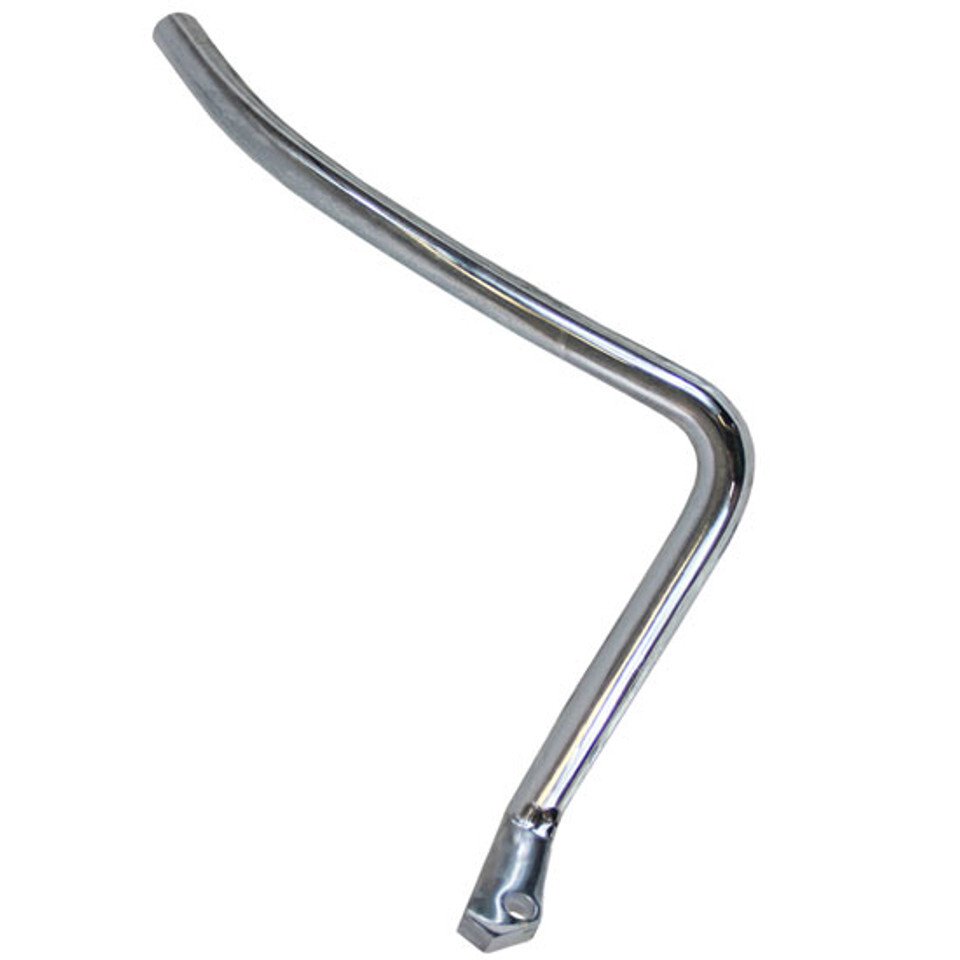
Job: Connects the pedal to the clutch release mechanism in order to disengage the engine from the transmission.
Why you care: Length and adjustability set your release bearing position and pedal free play.
Symptoms that you need adjustment or replacement: Inconsistent engagement, grinding into 1st at a stop, or the pedal feels “all or nothing.”
Popular aftermarket pick:
- BestFit Chrome Clutch Rod – adds corrosion resistance and looks sharp behind the kick panel. Adjustable to dial in spec.
https://www.4statetrucks.com/bestfit-chrome-clutch-rod-01-1511060
Buying tips:
- Match year/model linkage style.
- Confirm adjuster thread type and overall length range.
- Consider locking hardware to keep your setting.
3) Clutch Pedal Return Spring (often called an “extension” in some catalogs)
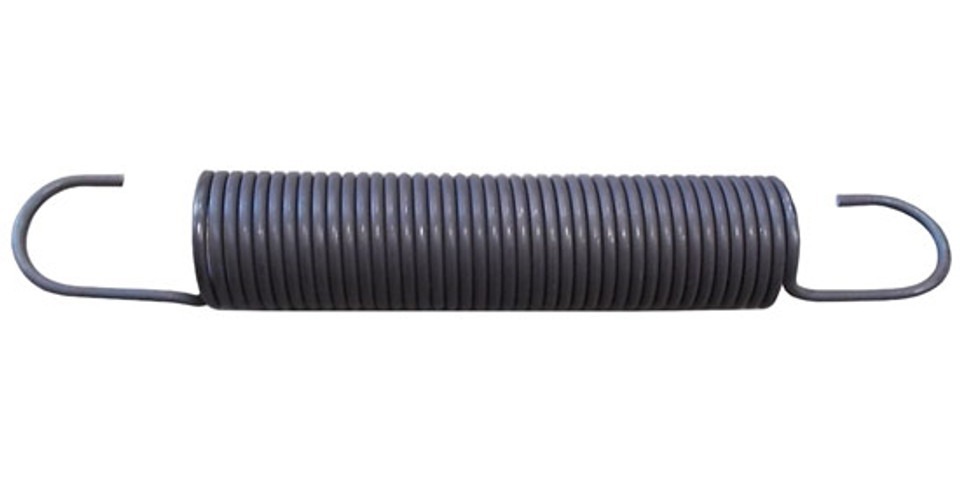
Job: Pulls the pedal back to the rest position and helps maintain consistent free play.
Why you care: A weak or broken spring makes the pedal slow, heavy, or inconsistent. That masks real clutch wear and can accelerate linkage wear.
Solid replacement:
- BestFit Clutch Pedal Spring, 14" – stout tension, simple swap.
https://www.4statetrucks.com/bestfit-clutch-pedal-spring-14-inch-01-0705005
Tech tip: Replace the spring any time you do a clutch replacement. Cheap part. Big difference in feel.
4) Clutch Fork (Release Fork / Yoke)
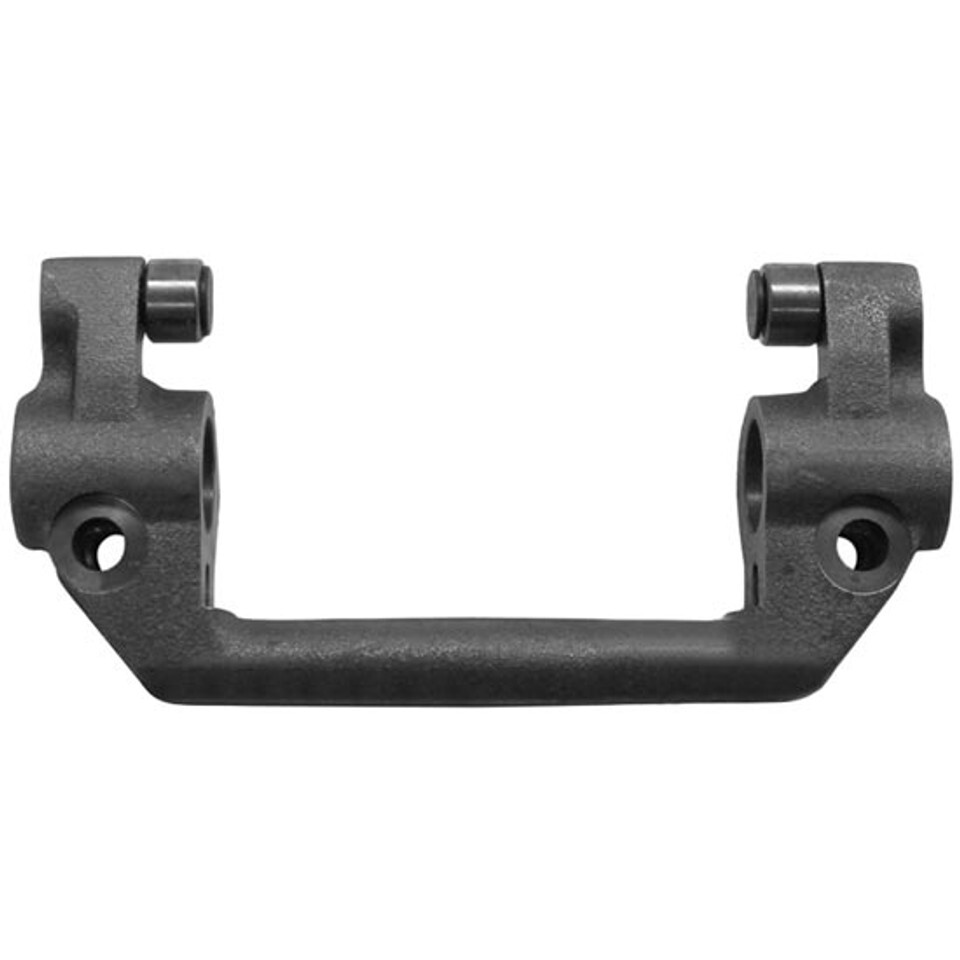
Job: Converts linkage motion into straight push or pull motion on the release (throwout) bearing. That bearing then releases the clutch.
Why you care: If the fork is worn at the contact pads, pivot, or roller, you’ll waste pedal travel. That kills release bearing life and messes up clutch-brake gap.
Buying tips:
- Match your transmission family (Eaton FR/RT/RTLO/Endurant, etc.).
- Confirm pivot/ball style and release bearing type (standard vs self-aligning).
- Inspect the pivot ball and clip—replace if pitted or loose.
Job: The clutch brake is a small friction disc that stops the transmission's input shaft from spinning when the pedal is pressed to the floor.
Why you care: This allows you to shift into 1st or Reverse from a dead stop without grinding. If your truck "grinds" into gear at a stoplight even with the pedal buried, your clutch brake is likely worn out or the linkage is out of adjustment.
How these parts work together (simple flow)
Foot on the pedal = system is disengaged.
Foot off the pedal = system is engaged (power is moving from engine to transmission).
The clutch fork pulls the release bearing, which expands the diaphragm spring. This expansion adds force on the pressure plate which squeezes the clutch disc firmly against the flywheel, causing friction.
This friction between the pressure plate, flywheel, and clutch disc makes all three parts rotate simultaneously, sending engine power to the transmission's input shaft.
Common Symptoms & Quick Diagnosis — Peterbilt Clutch
Fitment checklist for Peterbilt clutch work
Use this list before you order aftermarket parts for your commercial semi truck:
- Peterbilt model + year (e.g., 379/389/589, 567, 579).
- Transmission model (Eaton Fuller FR/RT/RTLO, etc.).
- Linkage type (mechanical vs hydraulic/air-assist).
- Fork type (roller vs solid) and pivot style.
- Rod length range and thread type.
- Pedal bushings and 14" return spring on your cart.
- If replacing the clutch too: diameter (often 15.5" for heavy duty applications), number of splines on input shaft, torque rating, manual vs self-adjust. It’s best to get an install kit with new clutch.
Installation notes that save time (and knuckles)
- Chock wheels. Disconnect batteries. Use a rated trans jack.
- Replace the return spring, pilot bearing, and clutch brake during a clutch job.
- Set correct release bearing to clutch-brake gap and pedal free play.
- Lube the fork pivot points and pedal bushings lightly.
- Re-check linkage adjustment after first 500–1,000 miles.
- Break-in: avoid abusive launches the first week. Heat kills new facings.
Frequently Asked Peterbilt Clutch Questions
Recent Posts
-
8 Signs Your Peterbilt 379 Steering Shaft Needs Replacement
 Steering issues on a Class 8 heavy-duty truck are a critical safety concern, and recognizing the bad …10th Jun 2026
 -
Most Common Replacement Parts for Freightliner FL70
 Freightliner FL70/FL80 Business Class trucks see a lot of wear and tear while running job sites. The …9th Jun 2026
 -
Factory Peterbilt 379 Exhaust Mufflers vs Straight Pipes
 When it comes to Peterbilt 379 factory-style exhaust muffler setups versus performance straight pipe …5th Jun 2026
 -
9 Costly Peterbilt 379 Exhaust Stack Replacement Mistakes to Avoid
 Although replacing exhaust stacks on a Peterbilt 379 is a bit easier than some other models, it can …3rd Jun 2026
 -
How to Measure a Kenworth T880 Visor Before You Buy
 Here's a quick reference guide on how to measure a Kenworth T880 visor. To avoid ordering the wrong …1st Jun 2026
 -
T880 Exterior Upgrades for Highway Trucks
 The Kenworth T880 (2013 - present) is a popular vocational truck with a set-back axle that is design …29th May 2026
 -
T880 Visor Ultimate Buyer's Guide
 There are countless Kenworth T880 visor options to choose from depending on the theme and style you’ …27th May 2026
 -
W990 Drop Visor Installation Guide
 How to Install a W990 Visor Installing a Kenworth W990 visor requires careful measuring, test-fittin …26th May 2026
 -
Factory vs Custom W990 Visors (The Glaring Differences)
 What are some of the biggest differences between a factory OE visor and custom truck visor for the W …22nd May 2026
 -
The Best Lights to Pair with a W990 Visor
 Aftermarket visor and lighting style options are endless - seriously. If you're building a custom sh …21st May 2026