
Spring Semi-Truck Maintenance: 5 Checks to Prevent Expensive Repairs
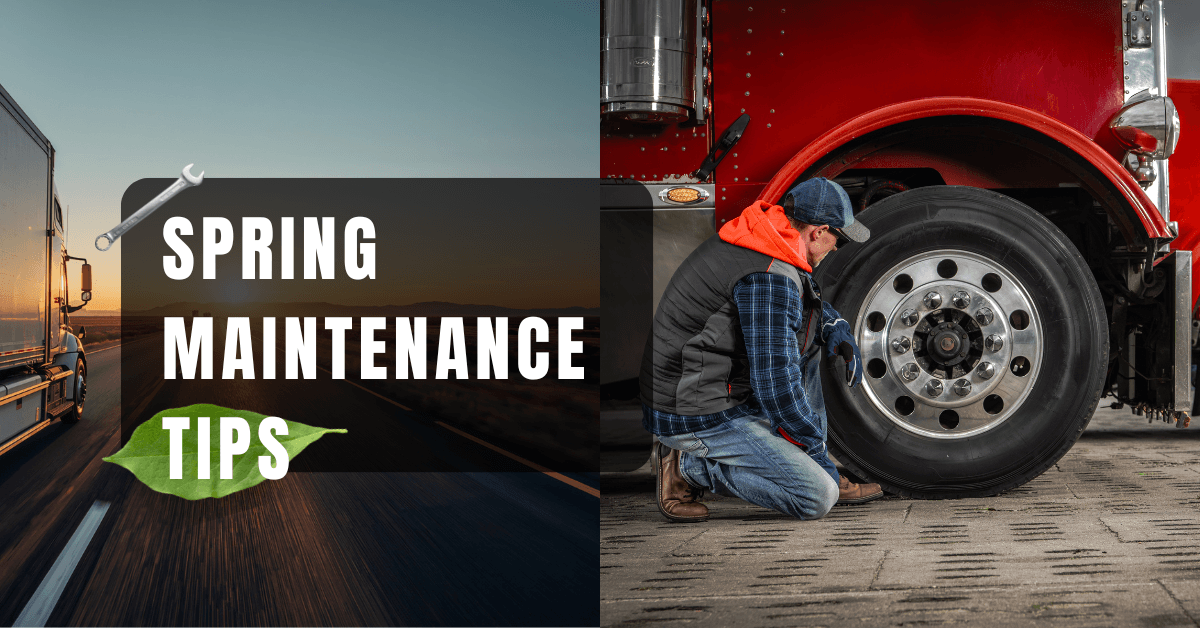
Cold winter weather can take its toll on semi truck parts, from the exhaust hardware and bolts (these can become brittle and snap off) to the air filter pleads getting clogged with debris and salts from melted ice crystals.
Winter trucking is a battle; spring is the recovery period.
It's the perfect time to deep-clean and inspect your truck.
After talking to a few owner-operators, here are the top five expense-saving tips for maintaining and cleaning your semi truck.
Top 3 Key Takeaways
- Clean away winter damage: Replace worn wipers, wash salt and chemical residue from the truck, inspect seals and lights for moisture, and clean electrical connections, battery terminals, and ground straps.
- Service high-wear systems: Strip old grease from the fifth wheel, inspect alignment and wear, then apply fresh grease. Check brake linings, drums, S-cams, slack adjusters, air dryer components, tires, wheel seals, and lug nuts.
- Protect the engine with fluid checks: Test coolant condition and pH, inspect the fuel separator and cabin air filter, and avoid contaminating coolant with tap water. Small preventive checks help prevent corrosion, overheating, engine damage, downtime, and costly repairs.
#1. Replace the Windshield Wipers
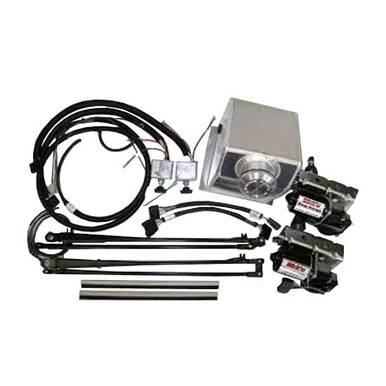
Rainy season is coming.
Now is the best time to swap out worn wipers. Ice and snow tear down the rubber edges of the wiper blades.
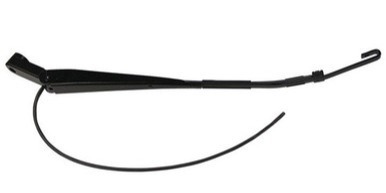
While you’re swapping out windshield wiper blades, check on the roof-mounted cab lights and marker lights for any potential moisture intrusion, and inspect the rubber weather seals around the windows for any cracks that might have appeared during winter.
RELATED: Seasonal Semi Truck Maintenance Guide
#2. Deep Clean Your Truck to Remove Chemical Additives
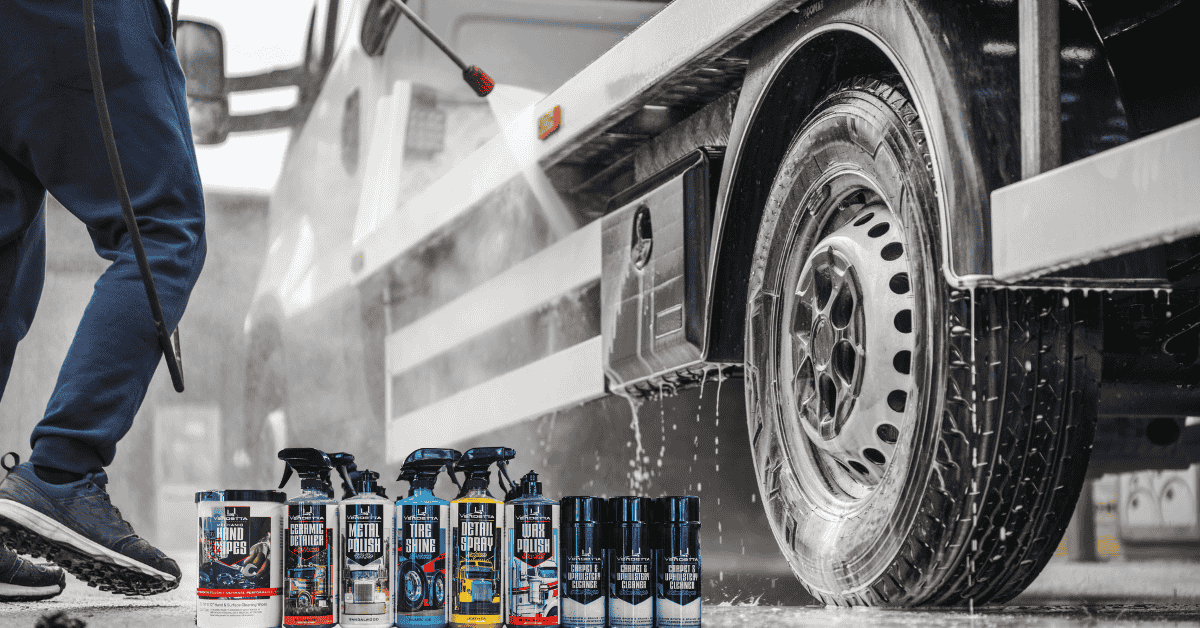
Deep cleaning your truck means doing more than just power-washing corrosive street salt and grime off of your body paint, undercarriage, and frame rails.
The water on highways contains toxic chemical compounds and harmful contaminants like calcium chloride and magnesium chloride.
These chemicals don't just stay on the paint's surface; they work their way into the truck's electrical connections.
If you don't regularly power wash your truck, the toxins travel deep into your ECG system.
We've even seen residual crud reach all the way into the driver's front dashboard!
Over time, they reach the truck's electrical connection points and hookups- causing wire corrosion.
That's when ghost symptoms show up.
You won't know exactly where the issue is coming from, but it'll keep happening.
It could be a flickering light, a warning light on the dashboard, or certain dash icons not turning on when you flip a switch from your front dash.
The Solution:
Disconnect everything and degrease it, including dual-function light wiring.
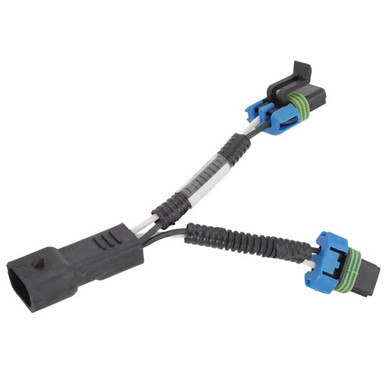
Then, you put it all back together.
Is this time consuming? Absolutely.
But in the long run, it's worth it.
Final Tip: While it's disassembled, check your battery terminals and braided ground straps for any more "ghost issues" in the truck's electrical system.
#3. Full 5th Wheel Cleaning and Inspection
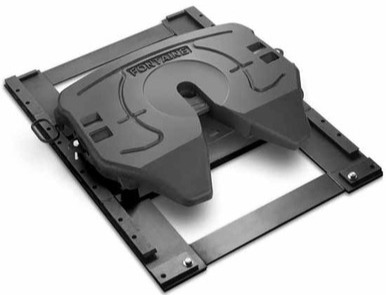
Cleaning the fifth wheel is a dirty, greasy, and time-consuming job.
While most truckers would rather pay a mechanic shop to do the work, that can quickly become expensive.
Spring is probably the best time of year to roll up your sleeves and get this job done yourself.
To properly inspect the tilt, alignment, and overall adjustment of your semi-truck fifth wheel, you first need to remove the grease from the top plate.
You can use degreaser, high-powered steam, or a power washer to strip it clean.
Old, stuck grease doesn't adheve well. Fresh grease performs much better.
Every so often, no matter the season, you need to remove the old crud and add a fresh new layer of grease to it. This will keep it functioning well.
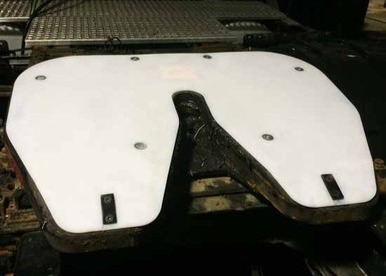
Here's an alternative option: Add a No-Lube Fifth Wheel. This material feels a lot like a plastic cutting board. Once it's on, you can't add grease to it. This will ruin the material. The upside? You never need to grease the fifth wheel ever again.
Once you've gone through the painstaking trouble of removing the grease, you can inspect it thoroughly for any structural issues.
Once done, apply the fresh grease to it.
#4. Check the PH Levels on Your Antifreeze Coolant
Spring is the best time to begin checking your fuel separator, cabin air filter, and, of course, the anti-freeze.
Test your pH levels: 8.0 to 11.0 is ideal. If they're below 7.0 or 8.0, it's acidic. You need to replace it.
This simple checkup can save you thousands of dollars and avoid potentially business-ending, nightmare scenarios.
We knew one customer who had spent 3 days stranded roadside after his diesel engine suddenly hydrolocked. It wouldn't move.
Several weeks prior, he had mixed tap water with the engine coolant. Tap water and well water often contains corrosive compounds that will not blend with the anti-freeze solution.
Improper pH levels destroyed the protective inhibitors that lead to an acidic fluid. This led to corrosion and cavitation of the engine's cylinder liners.
While the truck was down, had to stay in a hotel while mechanics inspected the damage.
Coolant had leaked past the cylinder liners into the combustion chamber, and the entire engine needed replacement.
The bill reached at least $25,000. The truck was also idle for several weeks - generating zero income for his business!
The failure wasn't something obvious - like a broken hose or coolant leak - it happened quietly over time, as the acidic coolant tore a hole in the liners and destroyed the engine.
A pack of coolant test strips often costs around $50 to $60. Compared to a $25,000 engine replacement, hotel expenses, towing, and weeks of lost income, it's well worth the cost.
Test the engine's coolant and spot the red flags before it becomes an expensive problem. Do this every so often, especially in the spring.
#5. Brake & Air System Check
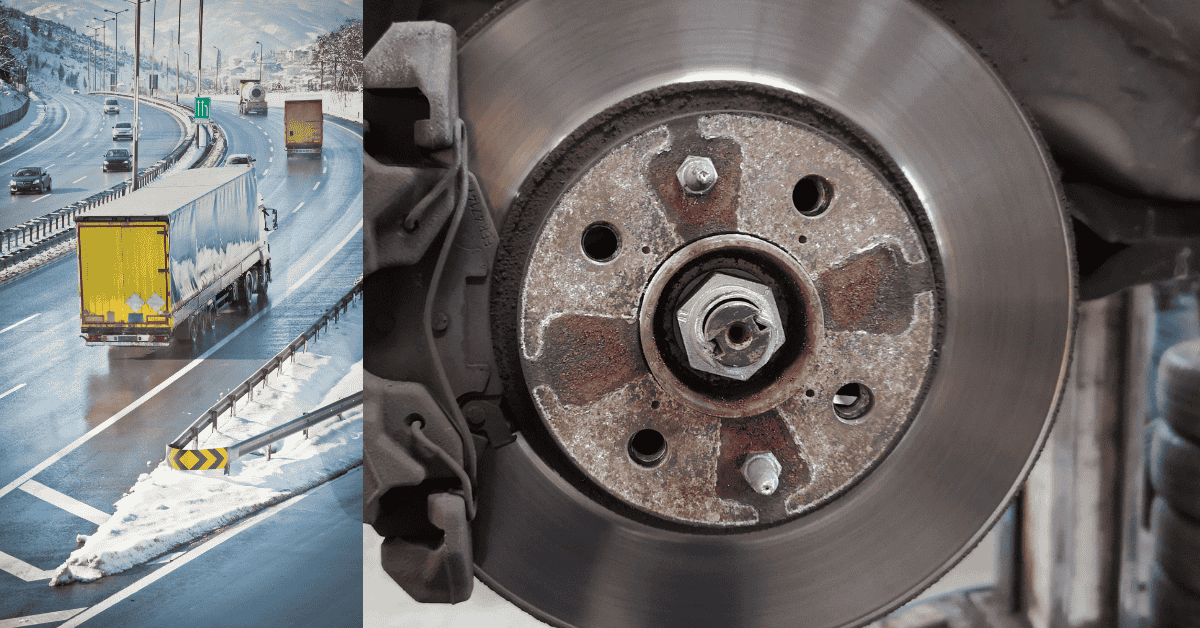
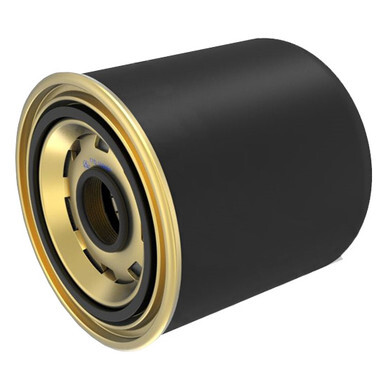
Inspect and replace the air dryer cartridge. If you haven’t replaced the air dryer cartridge recently, now is the best time. As usual, check your tire pressure, wheel seals, and check for loose lug nuts and inspect the nut covers more missing or damaged pieces.
Review your brake linings and brake drums. Look for cracks or “heat checking” in the brake linings that might have occurred during winter. Make sure the S-cams and slack adjusters are properly lubricated and move freely.
The Importance of Preventative Maintenance All Year Round
When it comes to trucking, the little things add up. Don’t sweat the “small” preventative maintenance expenses.
Spending some dough on little things will often end up saving you enormous amounts of time, headache, and money.
Whether it’s changing your engine oil, brake fluid, testing wire connections, or getting the right psi tire pressure, good preventative maintenance protects you from encountering massive amounts of downtime and hefty repair costs.
Shop for Spring Cleaning Accessories & Gear at 4 State Trucks
Find high-quality aftermarket accessories, replacement parts, and cleaning kits to get your big rig ready for action. Shop at 4 State Trucks.
Recent Posts
-
Haul of Fame: J&L Contracting's Award-Winning Truck
 Kenworths: Never Satisfied & Devilish Ways When you talk about Midwest trucking, heavy hauling, and …17th Sep 2026
 -
Semi Truck Exhaust Systems: Parts, Materials, Fitment & Repair Guide
 How a Semi Truck Exhaust System Works A heavy-duty exhaust system has three main jobs: route burned …16th Sep 2026
 -
Diesel Truck Engine Maintenance Guide
 Semi truck engines can last up to one million miles, or more, before they need to be rebuilt or repl …4th Sep 2026
 -
How to Buy the Right Peterbilt 379 Radiator
 If you want to keep your diesel engine from overheating you need a well-functioning replacement Pete …28th Aug 2026
 -
10 Essential Cost-Per-Mile Truck Upgrades that Pay for Themselves
 Small aftermarket semi truck accessories and performance upgrades save more money over time than the …21st Aug 2026
 -
Seasonal Semi Truck Maintenance Checklist
 Freezing winter weather temperatures, heavy snow, ice, and road salt take an unseen toll on your sem …14th Aug 2026
 -
Haul of Fame: Richard Bonner’s 1996 Peterbilt 379 — Bringing a Classic Trucker’s Truck Back to Life
 Every truck has a story, but some are worth taking a closer look at. Richard Bonner’s 1996 Peterbilt …14th Aug 2026
 -
Surviving the Scale: How to Pass Your DOT Inspection & Avoid Crippling Fees
 DOT semi truck inspections can make anyone nervous. There are multiple levels that start from a quic …7th Aug 2026
 -
Semi Truck Brake System Maintenance Guide
 Semi-truck brake defects account for 30% of out-of-service violations, according to CVSA’s 2025 Inte …4th Aug 2026
 -
How to Build a Semi Truck Emergency Kit (A Complete Checklist)
 Semi-truck breakdowns cost money and time; but they aren't inevitable. With the right emergency acce …30th Jul 2026