
The Best Aerodynamic Semi Upgrades to Boost MPG & Save on Fuel Costs
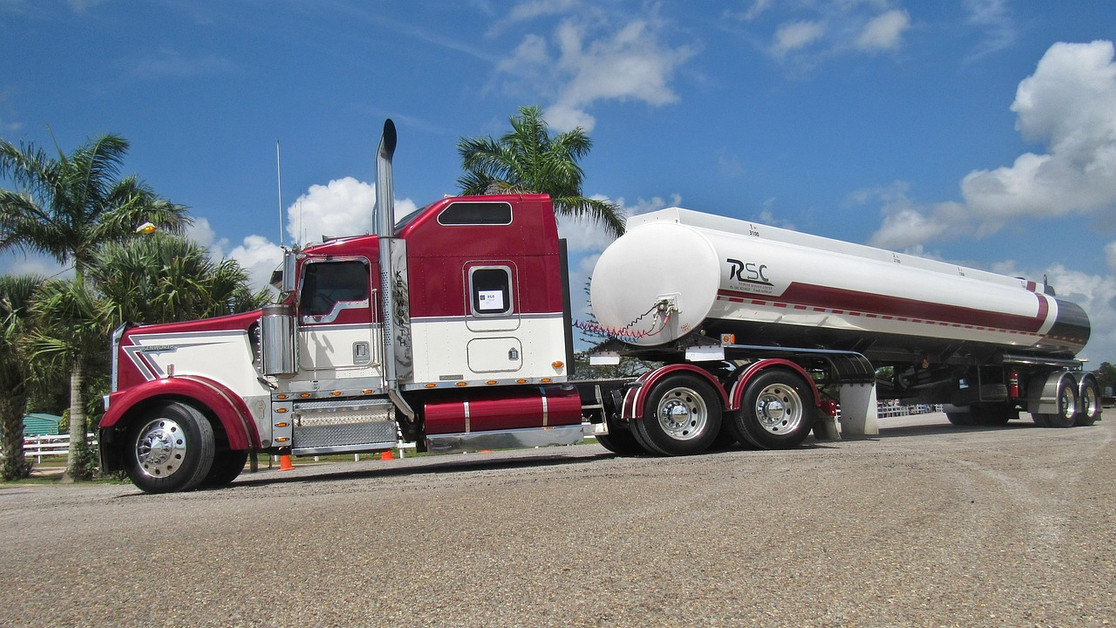
Investing in fuel-efficient aftermarket parts is a great way to start saving some money at the gas pump.
Whether it's a wheel cover kit or a fairing, getting the right parts can make a big difference on the road.
How to Choose Fuel Efficiency Upgrades for Long-Haul Semi Trucks
But before you get the right parts, let's quickly go over spec'ing your truck (if it's a new buy) for fuel efficiency.
There's a lot of factors to consider: performance, fuel efficiency, serviceability, and life expectancy. Spec’ing a truck for fuel efficiency can mean sacrificing higher payloads or getting a lower horsepower.
Upgrading to a high-performance turbocharger, exhaust manifold, intake manifold, or fuel injector can deliver a boost in fuel economy.
With that said, if you’re well past the spec’ing stage (and you probably are), start investing your earnings into some of these components.
Tire Size Directly Affects Your Fuel Economy

The wrong tire size can lead to decreased fuel efficiency.
Revolution per mile (RPM) is the number of times the tire rotates in one mile of driving. A smaller tire will rotate more times, whereas a larger tire will rotate fewer times.
Simple.
Why does it matter?
The road speed that you'll normally drive will require an optimal RPM.
Wide-based single tires (AKA "super singles" or WBST) are the best commercial tire for fuel economy. WBST achieves 2-5% fuel savings, only 5% of truckers use them.
Why?
- Single tire is prone to under/over-inflation
- Roadside breakdown risk
- Tread life varies
Standard dual tires, on the other hand, aren’t the best for fuel economy. They offer better traction than single tire setups.
Not only that...but if one tire blows out, you've got a spare.
Consider Buying Low Rolling Resistance (LRR) Tires
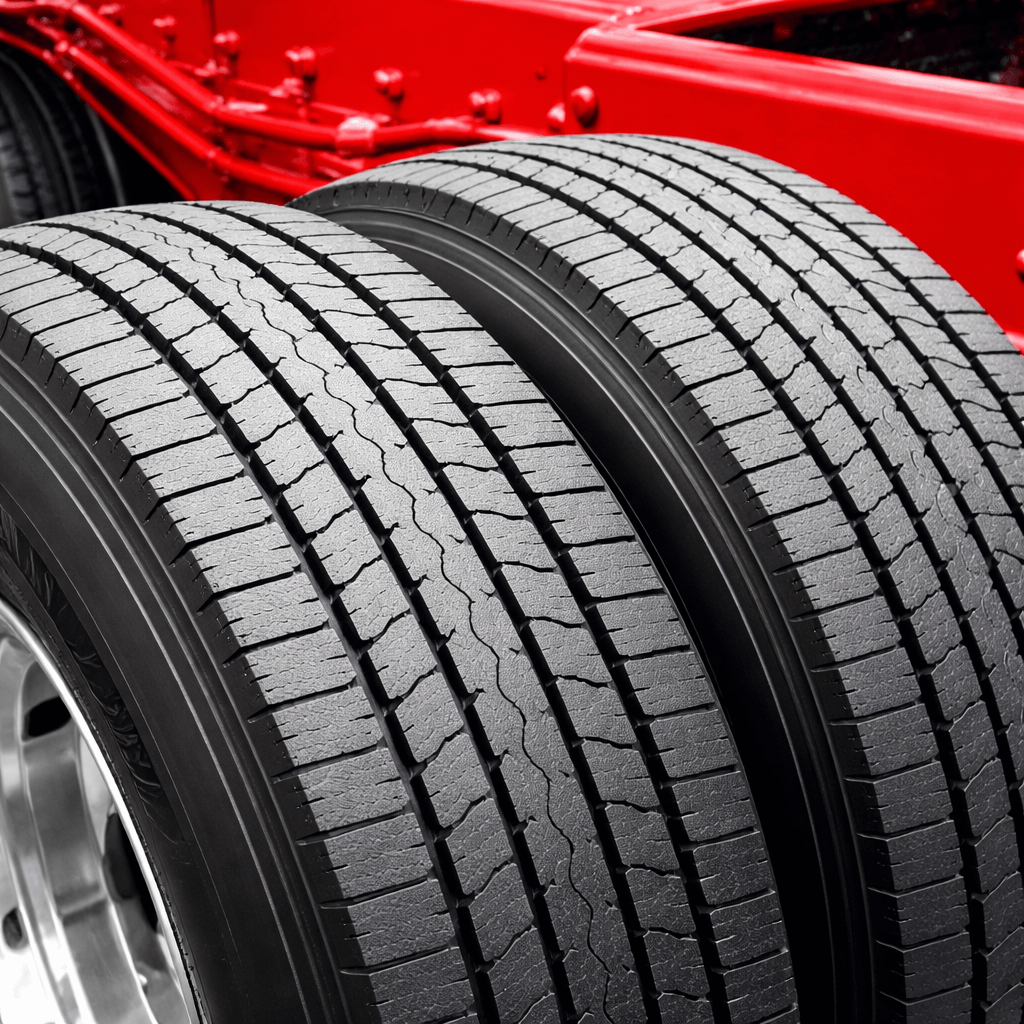
Reduced rolling resistance means your truck requires less energy to keep moving. The engine doesn’t have to work as hard, so you consume less fuel.
Low-rolling resistance tires are designed with:
- Optimized tread patterns and casing materials
- Specialized rubber compounds
- Thinner sidewalls for minimum deformation and heat generation
According to SmartWay, LRR tires get 15% rolling resistance reduction (AKA 3% fuel savings) versus the baseline. Top-tier LRR tires can achieve a 30% reduction.
The Quick and Easy Win for Fuel Savings: Tire Pressure
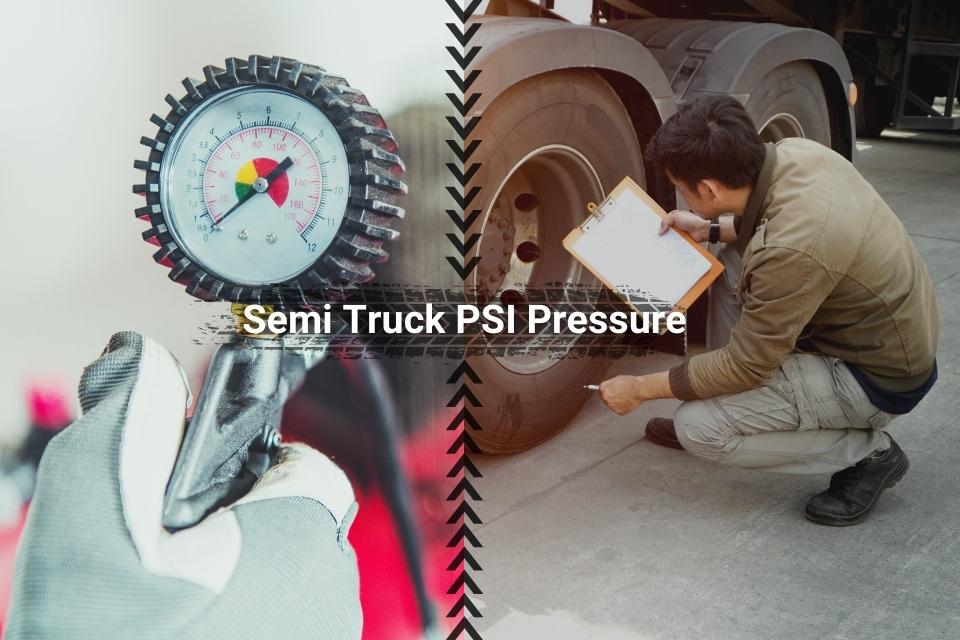
Inflate your tires to the recommended level!
DOT study found that 0.6% of fuel economy loss happened due to improper inflation. Only 44% of tire pressure systems were within the 5 psi of the target range.
It's a great way to save some money on fuel costs - and it doesn't cost you a thing.
Add Aerodynamic Mirrors and Bumpers
According to Neural Concept, even a small reduction in wind drag will deliver fuel savings.
Add mirrors, bumpers, and fairings to your rig.

Whether it’s a standard dual-vision aerodynamic head mirror, or a more advanced heated aerodynamic mirror with electro-chrome glass that minimizes glare, truck mirrors with curved contour allow for slightly less wind resistance on the road.
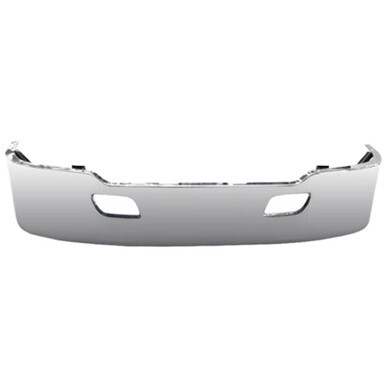
The contour and curvature of a front bumper contributes to its capacity to be aerodynamic. Square-edge and rolled designs are stylish, popular options. They're just not aerodynamic.
The material also plays a role, fiberglass being the lightest, chrome-polished aluminum in the middle, and stainless steel being the heaviest option.
Some bumper designs, like the Aero Clad, are made with stainless steel that is bonded to an aluminum core, making it both lightweight and durable. These are ONLY used on trucks with set back front axles.
Aero Clad bumpers offer the most aerodynamic efficiency for Freightliner, Volvo, and Kenworth models.
The Importance of Fairings
Wind drag occurs mostly near the sides of the trailer, underneath the trailer, in front of the truck, at the tail-end of the trailer, and in the gap between the truck and trailer hookup.
Fairings help to combat the wind drag in these areas.
Aerodynamic Mud Flaps
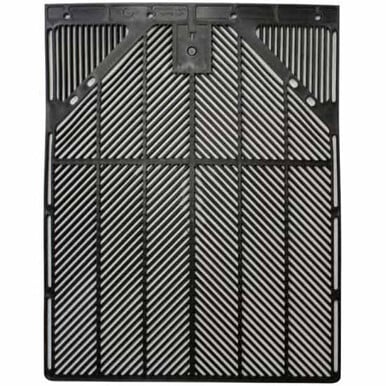
The effect is minimal. But every little bit helps.
Mud flaps with slotted vent holes help air to pass through and decrease drag.
Cab High Roof Fairings
Aside from mirrors and bumpers, fairings are the best way to reduce wind drag on your semi truck.
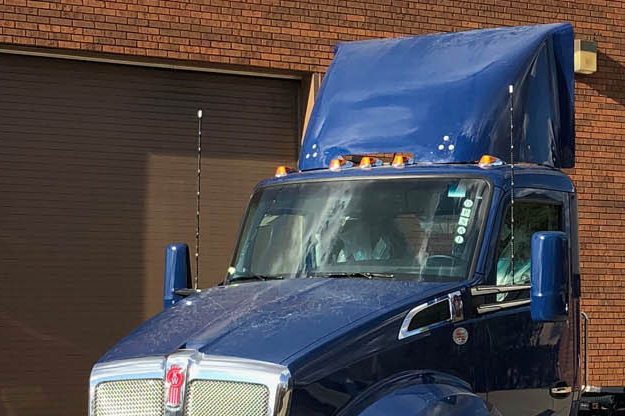
Cab-high or mid-sized roof fairings (cap fairings) help to reduce wind drag near the cab space resulting in improved fuel efficiency.
Fuel Tank Side Fairings
Fuel tank side fairings, otherwise known as a "fuel tank skirt" or "chassis side fairing," add some visual appeal to the truck while improving the aerodynamic efficiency thanks to reduced wind drag.

Essentially, this fairing improves airflow and minimizes the formation of low-pressure zones (the gap between the tractor and trailer).
Rear Side Fairing
Designed to reduce the drag caused by the vacuum air pocket. These parts are made from fiberglass-reinforced composite material.

Sleeper Fairings
This fairing sits near the back of the sleeper. The sleeper cab can create a pocket of high-pressure air that increases drag. A sleeper fairing guides airflow more smoothly between the cab and trailer.

Side Skirts
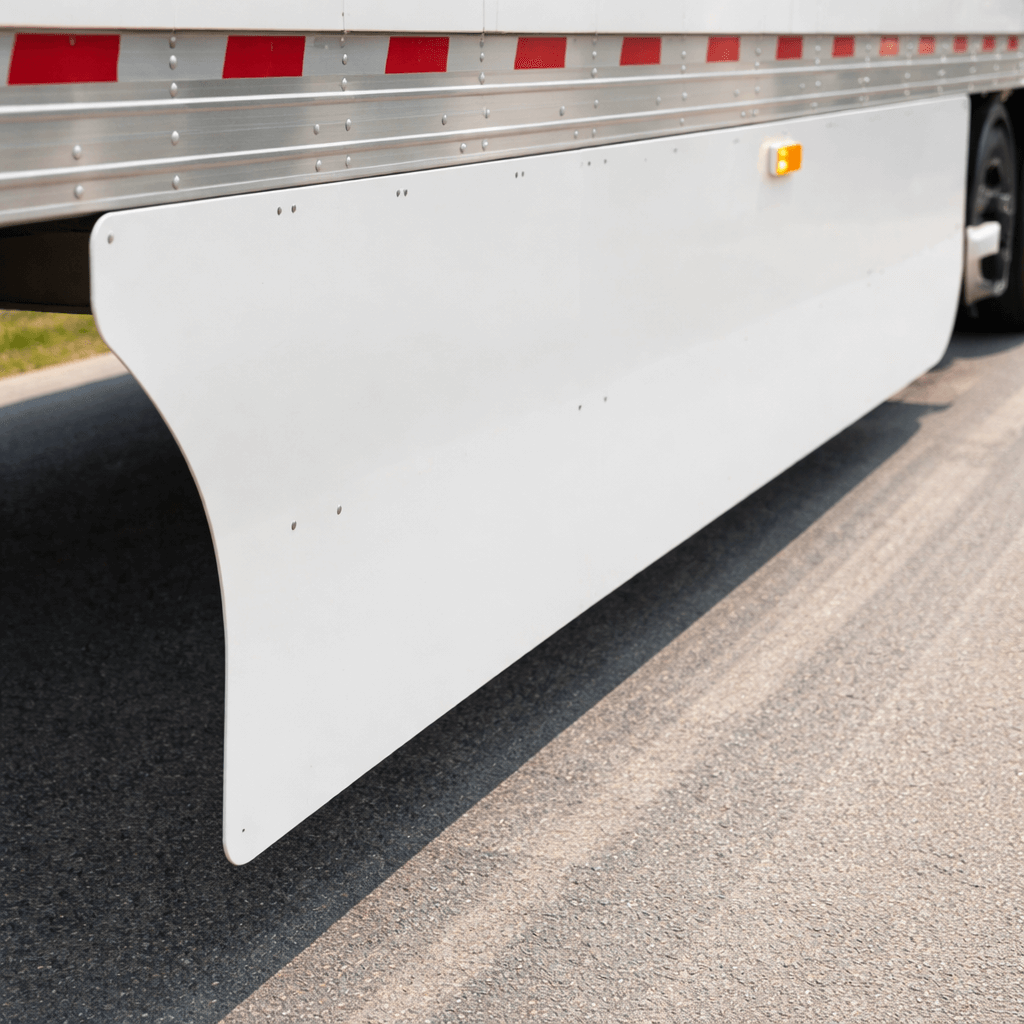
Side skirts minimize airflow under the truck's trailer, reducing drag. These parts hang from the trailer’s landing gear to the rear wheels.
Estimated Fuel Efficiency Savings: 1% to 5%.
Although fuel savings from aerodynamic components seem minimal, they compound with each lightweight add-on part.
Adding the right fairings, along with smart truck spec’ing on new builds, can save a lot of dollars at the pump.
Final Tip: Good Maintenance + Driving Habits
Don’t just get fuel-efficient parts, start practicing good driving habits for maximum cost savings at the pump.
Here are a few tips to consider:
- Avoid excess idling (get a RigMaster APU)
- Use route planning on GPS to avoid traffic and optimize miles driven
- Gear usage and coasting as much as possible
- Proper tire maintenance and engine maintenance
Semi Truck Fuel Economy FAQs
Shop for Aerodynamic Truck-Trailer Parts at 4 State Trucks
Start customizing your rig for better fuel economy with aerodynamic parts that fit your specific truck make and model. If you need help locating the right part, call our sales team at 888-875-7787 during work hours.
Recent Posts
-
5 Semi Truck Spring Cleaning & Maintenance Tips for Owner-Operators
 Cold winter weather can take its toll on semi truck parts. The spring season offers the perfect oppo …13th Mar 2026
 -
I-65 Chrome Shop Becomes an Authorized Dealer of 4 State Trucks: Expanding Access to Semi Truck Parts in Indiana
 Owner-operators, fleets, and repair shops across the Midwest now have expanded access to one of the …10th Mar 2026
 -
A Handshake Across the Border: 4 State Trucks Expands into Canada with Soaring Eagle
 In trucking, growth doesn’t just happen in boardrooms. It happens in shops. On backroads. In early-m …9th Mar 2026
 -
Two Family Businesses, One Goal: Taking Care of Truckers
 In trucking, reputation isn’t built overnight. It’s built mile after mile, handshake after handshake …6th Mar 2026
 -
Ultimate Guide to Semi Truck Fifth Wheels
 The reality is, a truly comprehensive semi truck fifth wheel guide would be volumes, novellas even. …6th Mar 2026
 -
7 Chrome Mud Flap Weight Styles that Add Personality to Your Rig
 Chrome mud flap weights are an affordable way to add a light touch of style to the rear of your big …27th Feb 2026
 -
Haul of Fame: The Story Behind Mies & Sons’ “Mooving Violation"
 His childhood was on a dairy farm. His adulthood was behind the wheel of a semi. Jerry Mies’ “Moovin …20th Feb 2026
 -
Signs of a Failing Heater Box & What to Do About It
 Experiencing refreshing cool air in the summer and warm air in the winter is nearly priceless when b …20th Feb 2026
 -
13 Must-Have Kenworth Chrome Accessories (For Any Budget)
 If you're looking for the perfect aftermarket chrome upgrades to give your Kenworth a polished, slee …13th Feb 2026
 -
What Makes This Joplin Semi Truck Show the Most Unique in America?
 What makes a semi truck show truly unique? The events? The custom truck builds? The general vibes? T …6th Feb 2026