Peterbilt 362 Fuel Tanks: The Essential Component for Reliable Semi-Truck Performance
Peterbilt's 362 model is known for its rugged dependability and impressive fuel efficiency. At the heart of this workhorse semi-truck lies the fuel tank system, a critical component that ensures consistent power and extended driving ranges. These heavy-duty fuel tanks are designed to keep your Peterbilt 362 running strong, no matter the job or terrain.
Featuring durable construction and a range of capacity options, the Peterbilt 362 fuel tanks provide the reliable fuel supply your truck demands. Easily accessible fill points, secure mounting, and corrosion-resistant materials make them an essential part of maintaining optimal performance. Whether you need a replacement tank or are upgrading your 362's fuel system, these fuel tanks are engineered to meet the demands of the road.
Complement your Peterbilt 362 with other premium solutions like
to maximize your ride.
Frequently Asked Questions About Peterbilt 362 Fuel Tanks
What size fuel tanks are available for my Peterbilt 362, and how do I determine the right capacity?
Peterbilt 362 fuel tanks typically range from 50 to 150 gallons per tank, with 100-gallon and 120-gallon options being the most common. To determine the right capacity, consider your typical route distances and fuel economy. Most 362 models can accommodate dual tank setups for extended range. Check your frame rail spacing and existing tank strap locations - standard spacing is 26 inches for most 362s manufactured between 1980-1995. Remember that larger tanks add weight, which affects payload capacity.
Will these fuel tanks fit my specific year Peterbilt 362, and what about COE models?
Our fuel tanks are compatible with Peterbilt 362 models from 1980 through 1995, including both conventional and COE (Cab Over Engine) variants. However, COE models often require different mounting brackets due to their unique frame configuration. Early 1980s models may have different strap spacing than mid-1990s trucks. Always verify your truck's specific measurements: frame rail width, existing bracket locations, and clearance from exhaust components. If you're unsure, provide us with your OEM and we can confirm exact fitment.
What's the difference between aluminum and steel fuel tanks, and which should I choose?
Aluminum tanks are 60-70% lighter than steel equivalents, resist corrosion better, and are ideal for weight-sensitive applications. They typically cost 20-30% more upfront but last longer in harsh conditions. Steel tanks are more affordable, extremely durable against impacts, and easier to repair if damaged. For trucks operating in northern states with heavy road salt use, aluminum is recommended. Steel tanks work well for local operations where weight isn't critical. Both materials meet DOT requirements when properly maintained.
Can I install these fuel tanks myself, and what tools or modifications are required?
Installation typically takes 3-4 hours per tank for experienced mechanics. You'll need basic hand tools, a floor jack or transmission jack for positioning, and potentially a drill for new mounting holes. Most installations use existing frame brackets, but some year models may require bracket relocation. Critical considerations include proper grounding (especially for aluminum tanks), maintaining 1.5-inch minimum clearance from exhaust components, and ensuring fuel line routing prevents chafing. Professional installation is recommended if you need to relocate crossmembers or modify existing fuel system plumbing.
Do these tanks come with mounting straps, sending units, and other necessary hardware?
Tank packages vary by manufacturer. Most tanks come as bare units requiring separate purchase of mounting straps, sending units, and fuel fittings. Standard D-ring style straps fit most 362 applications and are sold separately. Sending units must match your gauge type - mechanical float-style for older trucks or electric for newer models. You'll also need fuel line fittings (typically 1/2" NPT), venting components, and anti-siphon devices to meet current regulations. Complete installation kits are available that include all necessary hardware matched to your specific tank size and truck configuration.




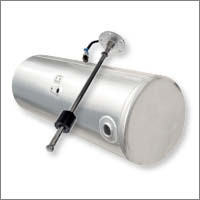
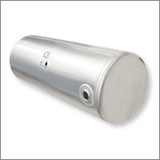 Peterbilt 362 Diesel Fuel Tanks
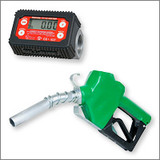 Peterbilt 362 Fuel Tank Acc.
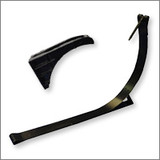 Peterbilt 362 Fuel Tank Brackets & Straps
 Peterbilt 362 Fuel Tank Caps
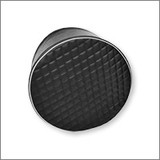 Peterbilt 362 Fuel Tank Covers & Bras
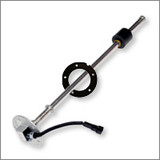 Peterbilt 362 Fuel Tank Senders