



Signs of a Failing Heater Box & What to Do About It
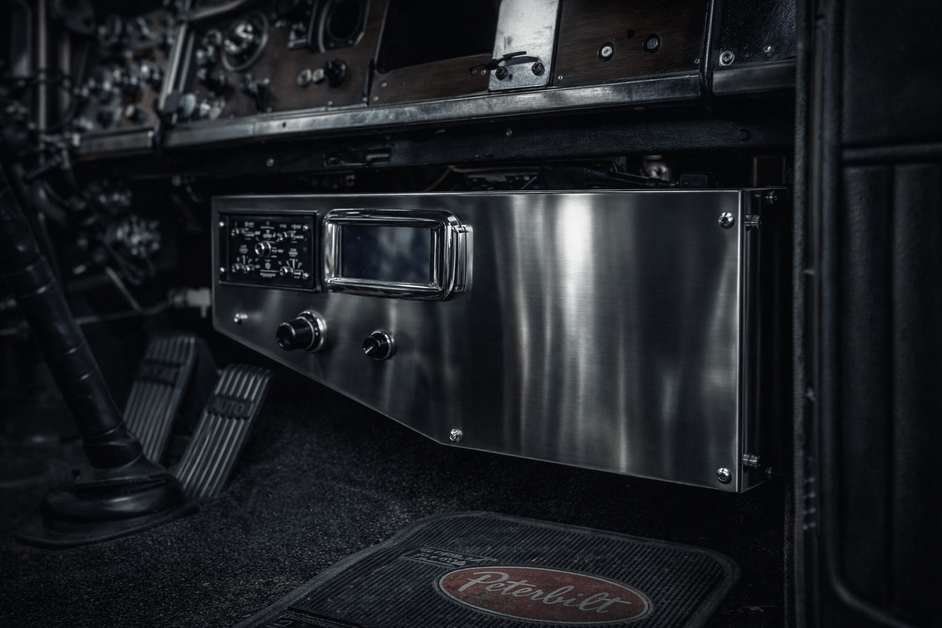
Experiencing refreshing cool air in the summer and warm air in the winter is nearly priceless when behind the wheel of a big rig for 11 hours a day.
However, if your A/C heater box isn’t working, your truck cab quickly becomes a walk-in freezer or sauna.
A Quick Look at How Your Truck Heater Works
As a seasoned driver, you already know this. But here is a quick recap.
Your diesel semi truck’s cab heat comes from the engine cooling system. As the engine warms up, the thermostat closes until operating temperature is reached, then hot engine coolant circulates through the heater supply hose into the heater core (a small radiator) inside the heater box/HVAC housing mounted near the firewall and dash area.
At the same time, a high-output blower motor pulls fresh or recirculated air through the HVAC assembly and pushes it across the heater core fins, where the air absorbs heat before it’s routed through the blend door (controls temperature mix) and mode doors (direct air to defrost, dash vents, or floor).
The warmed air then travels through the truck’s ducting to the cab and defroster outlets—so if you’re not getting heat, the root cause is usually either coolant temperature/flow to the heater core or airflow control and sealing inside the heater box and ducts.
Components Found Inside the Heater Box
- Heater core (coolant-based heat exchanger)
- A/C evaporator core
- Blend door (temperature control door)
- Mode door (floor/dash/defrost routing)
- Recirculation door
- Seals and foam gaskets
- Drain provisions for condensation
- Mounting flanges to firewall and ductwork
If the heater box housing is damaged:
- Air escapes before reaching vents
- Water intrusion can occur
- Core alignment may shift
- Blend doors may not seal correctly
What Parts Fail in a Semi Truck Heater Box?
- Housing corrosion or seam separation
- Core mounting bracket fatigue
- Blend door hinge breakage
- Foam seal deterioration (major airflow loss)
- Drain tube clogging (water intrusion)
- Firewall gasket failure
- Hose bulkhead fitting corrosion
- Blower mounting flange warping
Common Signs of a Faulty Heater Box
- Clicking or knocking sounds behind the dash
- Heat works on defrost mode but not dash vents (or vice versa)
- Cold air from vents after the engine should be warm (beyond the normal warm-up period).
- Weak, intermittent, or no airflow (points to blower motor/resistor/filter/duct issues).
- Foggy windows / poor defrost (often heater core leak or airflow/blend-door issues).
- Sweet/syrup-like smell in the cab (coolant leaking—often heater core).
- Wet passenger carpet / coolant in cab (can be the A/C evaporator drain overflow)
- Overheating engine or high temp gauge (coolant loss/restriction can become severe fast).
- Heat only at highway speeds / takes forever to warm (often thermostat or coolant flow issue).
- Coolant puddles under truck (leak somewhere in the cooling/heating circuit).
Solution: Replace it with a Stainless Steel or Aluminum AC Heater Box
Installing an aluminum heater box means it won’t’ rust. The stainless-steel heater box is stronger, but heavier.
Why swap out the factory heater box?
It just depends on whether you’re having issues with it or not.
For example…
Many Kenworth trucks were notorious for having issues with weak AC/heat blowing power and quick-to-rust heater box components like the evaporator core, heater core, and blower motors, namely KW models like the W900B, W900L, and T300.
Thankfully, aftermarket brands like Soaring Eagle and Shore Line Trucks created made-to-fit Kenworth heater box replacements that are proven to push 50% more air than OEM factory models. With an ergonomic design, it’s easy to hookup the air hoses and wiring to a Soaring Eagle heater box. And it is just easy to mount onto the firewall (5 fasteners).
Why the Heater Stops Working (Especially in Winter)
Low Coolant or Loss of Coolant
Low coolant means weak heat or no heat. The loss of coolant might be due to a leak in the hoses, radiator, water pump, heater core (the small heat exchanger in the HVAC unit), or coolant lines.
In winter this shows up fast as lukewarm air, heat that fades at idle, or no heat at all, because the heater core is often one of the first places to “starve” when the system is low or pulling air.
Coolant loss usually comes from seeping heater hoses at the firewall, hose clamps, radiator/end tanks, surge tank fittings, water pump weep hole, heater control valve leaks, or the heater core itself.
What to do: when the engine is cool and safe, verify coolant level in the surge tank, look for crusty residue at fittings, and pressure-test if the leak isn’t obvious.
Heater Core Issues
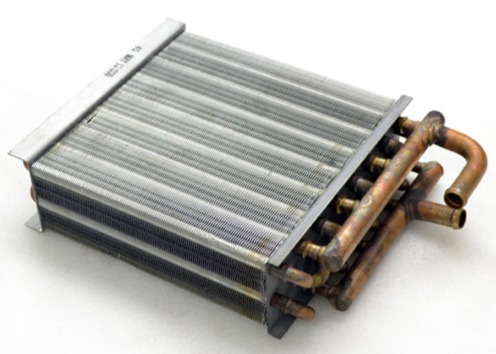
A restricted or clogged heater core means the coolant won’t circulate, giving you weak heat. The causes might come down to scale/corrosion, debris from neglected coolant, silicate dropout, stop-leak use, or sludge after mixed coolant types.
If the heater core is leaking, the coolant enters the cab and fogs the windows, wets the carpet, and gives off a sweet smelling odor. To solve it, you have to stop the leak source by replacing the heater and cleaning the HVAC case/ducts.
Busted Thermostat
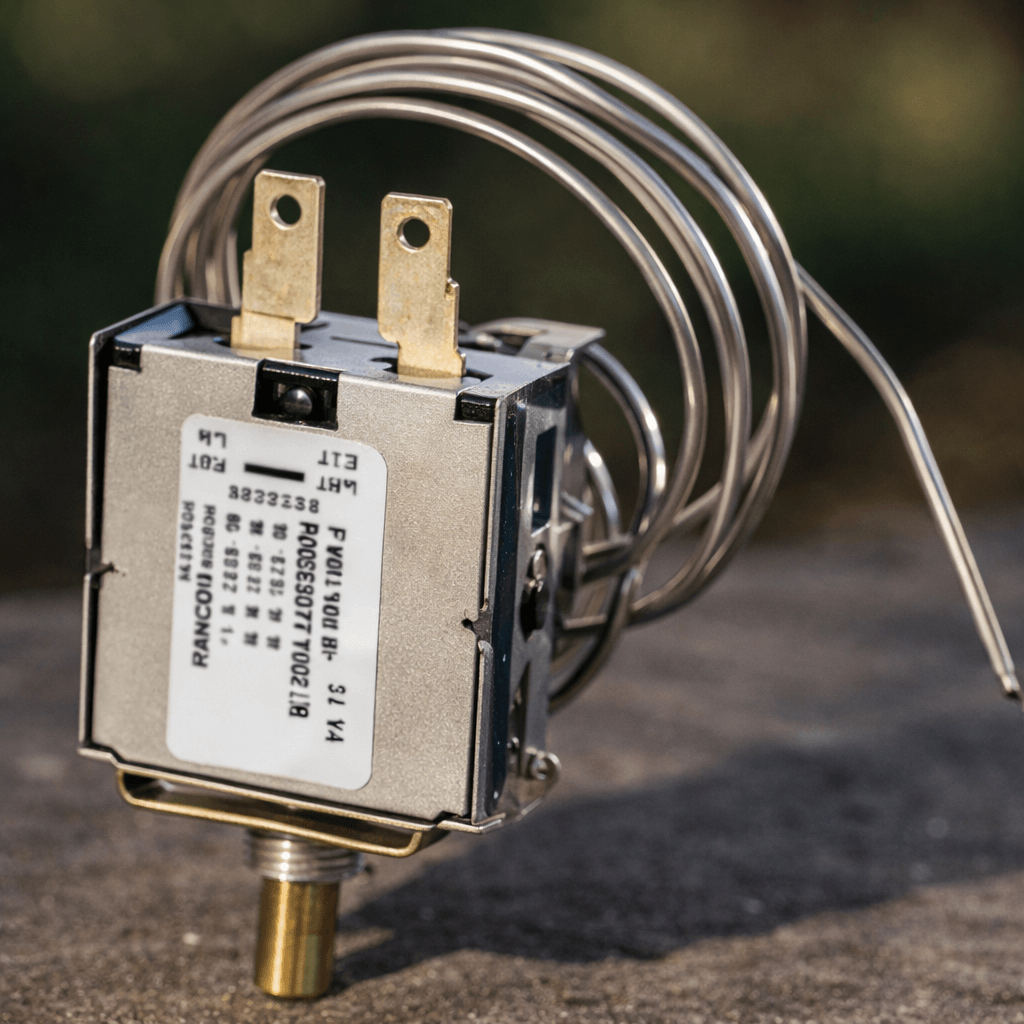
A stuck thermostat means the engine will run cool and so will the heater. If it’s a closed thermostat, you run the risk of overheating.
If it’s stuck open, you won’t get heat. You’ll notice cool temp gauge readings, heat that improves only when pulling a grade, and heat that disappears in stop-and-go.
Weak Blower Motor
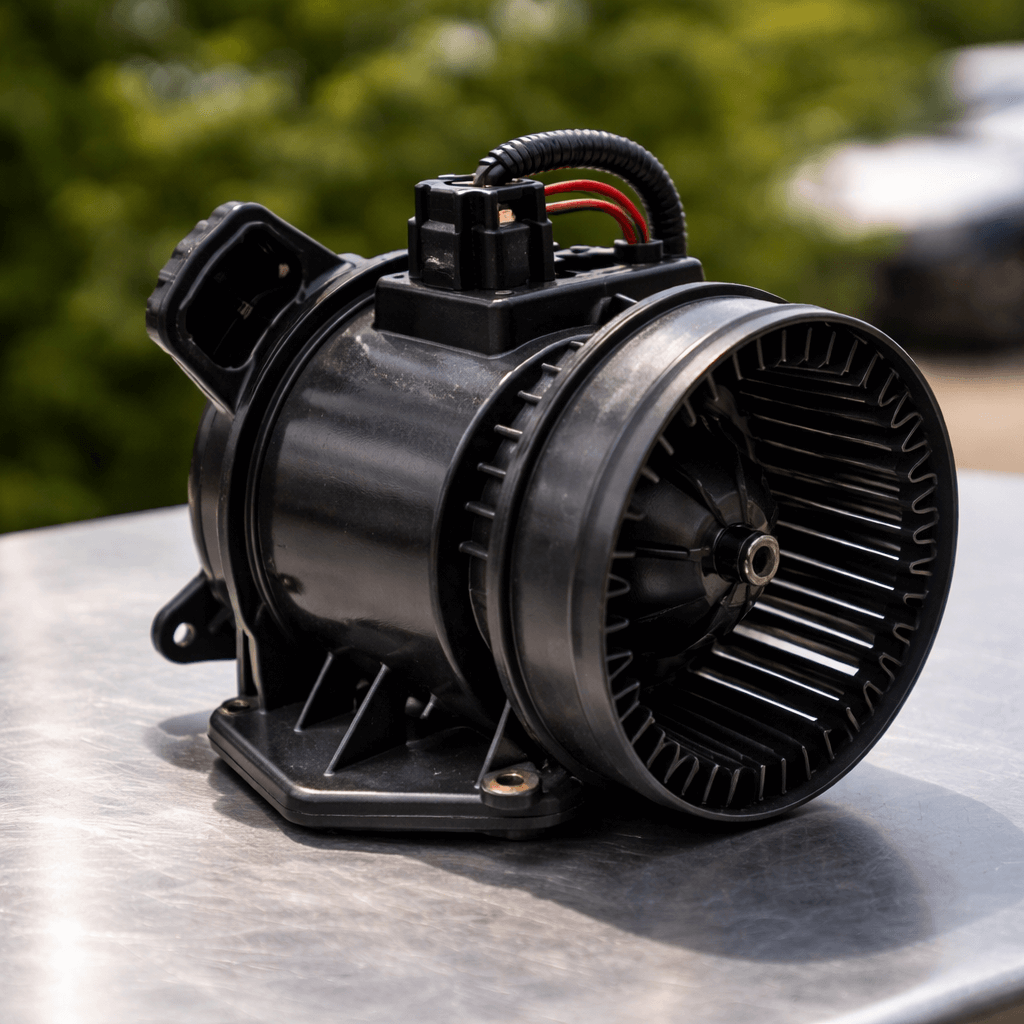
The blower is a high-output motor that can fail due to worn bearings (squealing sound), weak motor torque (low CFM), broken squirrel-cage fins, or debris buildup on the motor wheel.
If the blower fan motor or the fan blades fail, you won’t get any airflow, or very weak airflow at all speeds.
Heater Control/Actuation Problem
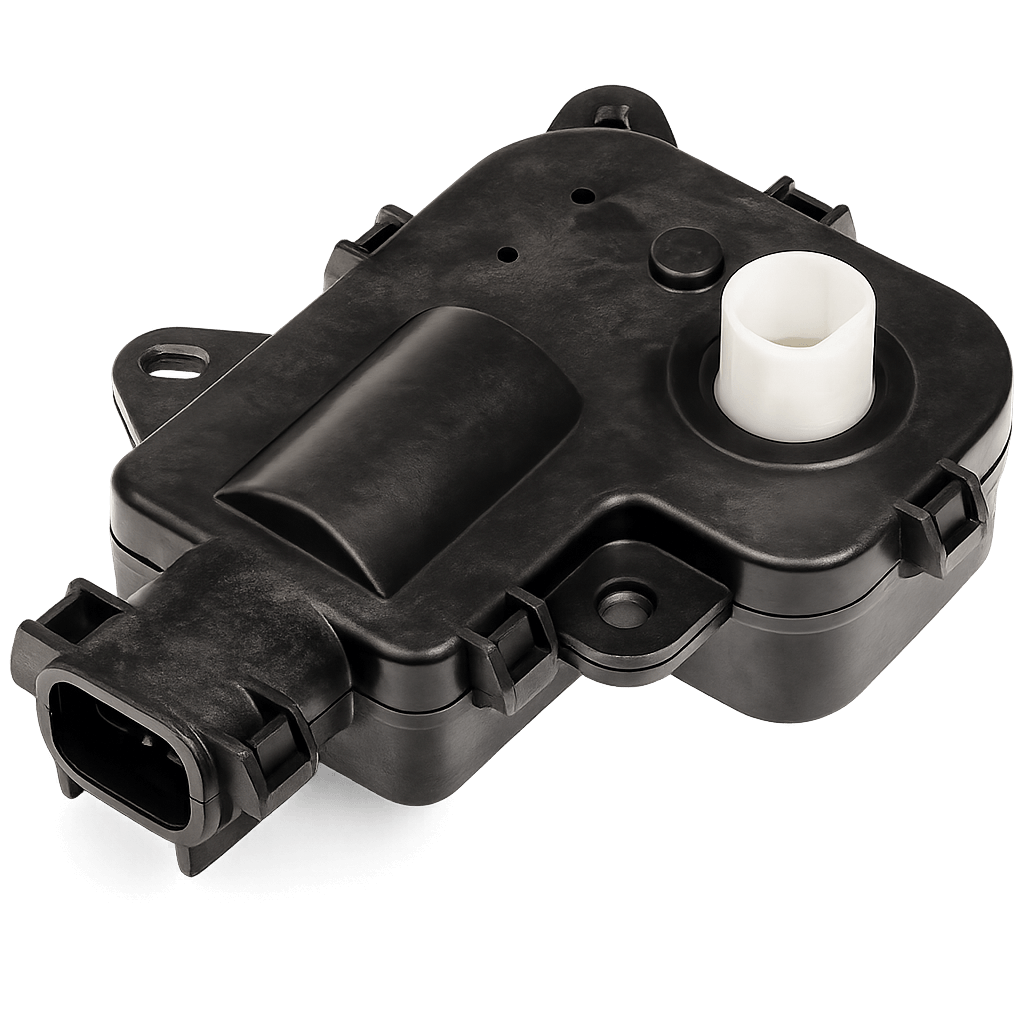
This is where the heater box becomes the suspect—not because “the box” fails. This is NOT because the parts that control airflow and coolant flow are faulty.
The common culprits can be the blend door not moving or sealing, mode door issues, actuator failure, and control head/module faults (the system won’t obey commands).
Airlocks in the Cooling System
Trapped air creates a bubble that can block coolant flow. This results in intermittent heating or big swings in temperature until the system gets “burped” (AKA, flush out the air bubble). Here’s what you can do when air gets trapped in the heater circuit.
Oftentimes, you need to fill correctly, run at elevated idle, command heat to full hot, and purge air from high points/bleed ports if equipped. If air returns repeatedly, you likely still have a leak or a cap/surge tank issue pulling air into the system.
Electrical Failures
Faulty fuses, wiring, or sensors can stop the blower motor and the controls from functioning.
This can come down to:
- Blown HVAC/blower fuse, failed relay
- Corroded connectors at the blower motor, resistor/module, control head, or firewall pass-through
- Bad grounds (a classic cause of weak blower speed)
- Damaged harness from chafing behind the dash or at the firewall
- On newer trucks, body control/HVAC modules or multiplexed control issues can prevent commands from reaching actuators
Practical Troubleshooting
- Check coolant level (when safe/cool). If low, top off correctly and look for leaks.
- Confirm airflow: is the blower running strongly? Check fan speeds and the cabin air filter.
- Watch engine temperature: abnormal readings point to thermostat/cooling issues.
- Assess temperature control behavior: if settings don’t change output, suspect controls, blend doors, or valves.
- Consider heater core restriction: reduced heat over time often points to clogging; flushing may help, replacement may be required.
Preventative Maintenance Tips
- Replace cabin air filters regularly (especially in dusty routes)
- Keep coolant at the correct level and service it on schedule (flushes help protect heater core passages)
- Run the HVAC system routinely to keep components moving and seals healthy
- Inspect hoses, clamps, and connections for early signs of wear or seepage
- Address small coolant leaks early to prevent heater failure and overheating
Pairing Replacement HVAC Parts Together
If you’re swapping out your heater box, and damaged HVAC components contained within it, you can pair your upgrades together to save some money and time.
Look at bundling the blower motor, resistor, seals, and hose lines together.
Shop for Heating & AC Parts at 4 State Trucks
Browse our wide selection of semi truck HVAC components, including replacement heater box units. Shop by popular makes and models:
Tip: Check the fitment under the product details tab before ordering.
Shop on the Mobile AppRecent Posts
-
Haul of Fame: The Story Behind Mies & Sons’ “Mooving Violation"
 His childhood was on a dairy farm. His adulthood was behind the wheel of a semi. Jerry Mies’ “Moovin …20th Feb 2026
 -
13 Must-Have Kenworth Chrome Accessories (For Any Budget)
 If you're looking for the perfect aftermarket chrome upgrades to give your Kenworth a polished, slee …13th Feb 2026
 -
Why is GBATS the Most Unique Truck Show in America?
 What makes a semi truck show truly unique? The events? The custom truck builds? The general vibes? T …6th Feb 2026
 -
Peterbilt vs Freightliner: Which Semi Truck Is the Right Truck for Owner Operators?
 Looking to buy your next highway truck? If you’re choosing between Freightliner and Peterbilt to be …30th Jan 2026
 -
7 Best Trux Accessories LED Lighting Upgrades to Customize Your Rig
 In the world of aftermarket truck parts brands, the competition is fierce. With hundreds of manufact …23rd Jan 2026
 -
Fiberglass Fenders vs Aluminum & Poly Fenders: Which Material Wins?
 A stylish semi truck fender is among the best way to personalize and cusotmize your big rig. But whe …16th Jan 2026
 -
Haul of Fame: The Rat Rod (Custom-Built Peterbilt 359)
 Bryan Martin. A Peterbilt 359. Over a decade of scars, stories, and soul. Some trucks come and go …16th Jan 2026
 -
How Fibertech's Fiberglass Truck Parts Improve Airflow & Aesthetics
 Fibertech truck parts, known for their Fibertech fenders, whale tales, and sleeper roof caps, delive …9th Jan 2026
 -
Peterbilt vs Mack: Choosing Between Rugged or Classic Styles
 Let’s do a quick breakdown of Mack trucks vs Peterbilt trucks. Mack is naturally the cheaper, more a …2nd Jan 2026