

Wet Line Kits for Semi Trucks 101: The Basics Explained
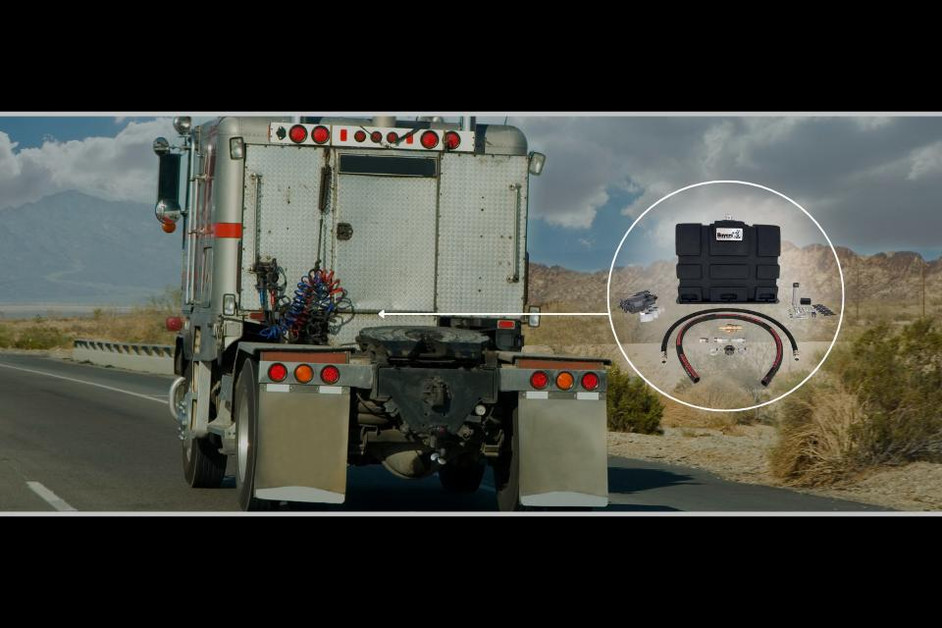
Ready to transform your rig into a hydraulic powerhouse? A semi-truck wet line kit can do the trick. One of these will turn your truck from a normal highway hauler into a workhorse capable of handling tasks in agriculture, construction, bulk hauling, or other industries.
For those already running dump trailers, walking floors, or tankers, a precision-installed wetline kit is the difference between seamless performance and thousands of dollars in avoidable repair costs.
In this post, we'll break down what a wet line kit is, its purpose, and where you can buy one.
What Is a Wet Line Kit and What Does It Do?
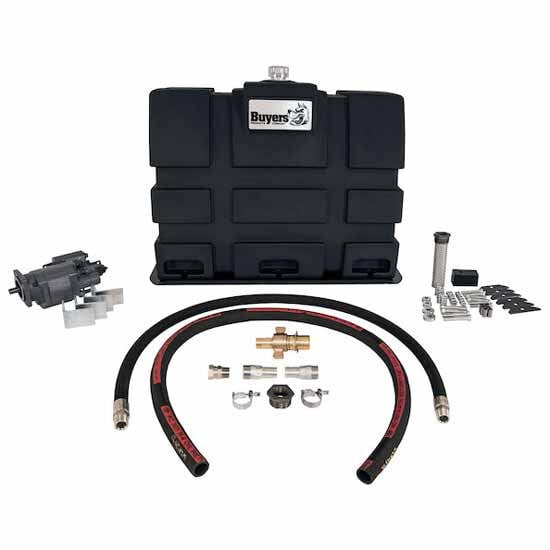
A wet kit is a type of hydraulic system that transfers engine power from the PTO (power take-off) to trailer-mounted equipment using hoses, a pump, and oil. Common uses include operating end dumps, belt trailers, or walking floor systems.
Without a wet kit, your semi truck is limited to standard hauling. With one, it can perform complex tasks like lifting, pushing, or unloading—making it crucial equipment for specialized haulers.
Core Components of a wet line kit:
PTO: The Power Take-Off switch connects to the truck’s transmission and drives the hydraulic pump using rotational energy from the shaft.
Pump: Pressurizes the oil to move cylinders and activate trailer equipment.
Reservoir: Stores hydraulic fluid; may be frame-mounted or mounted behind the cab.
Control Valves: Available in manual, air-operated, or electric options to manage flow; the “tower” is the cab-mounted control component that houses the PTO switch, hydraulic function switches, and pressure gauges or lights. Air-operated towers are the most common setup for modern dump trucks to prevent hydraulic oil from entering the cab.
Filters and Return Lines: Keep the system clean and reduce heat and wear on internal components.
Quick-Connect Fittings: Allow fast installation and trailer swaps without tools.
Wet Kit Types by Trailer Application
Choosing the right wet line kit for a dump trailer or other application depends on your equipment’s flow rate, PSI, and duty cycle.
End Dump Kits
- Flow: 20–25 GPM
- Pressure: 2,000–3,000 PSI
- Cycle: Intermittent
- Ideal for construction haulers and contractors
Walking Floor Kits
- Flow: 30 GPM
- Pressure: ~2,000 PSI
- Cycle: Long
- Moves grain, mulch, or recyclables
Belt Trailer Kits
- Flow: 25 GPM
- Pressure: 2,500 PSI
- Duty cycle: Medium
- Used for ag and feed hauling
Blower/Wet Combo Kits
- Flow: 30–35 GPM
- Pressure: 2,500 PSI
- Dual function—powers both blower and hydraulics
Lowboy Hydraulic Neck Kits
- Flow: 15–20 GPM
- Pressure: 2,500–3,000 PSI
- Used to raise/lower detachable trailer necks
Each kit type requires proper sizing to prevent cavitation or overheating of the system during operation.
Can I Run a Wet Kit on an Automatic Transmission?
Yes—you can install a wet kit on trucks with automatic transmissions, but you’ll need a PTO model specifically designed for the gearbox.
Automatic-compatible PTOs are available for most semi trucks, but certified technicians are strongly recommended for this level of installation expertise.
Signs of a Failing Wet Kit
A malfunctioning wet kit can shut down your operation fast. Look for:
- Hydraulic oil leaks around hoses or fittings
- Abnormally slow or jerky trailer response
- Overheating of fluid and increased system heat
- Cavitation or whining from the pump
- PTO not engaging properly with the transmission
If you notice any of these signs, schedule service with a qualified shop or team of technicians immediately.
How to Choose the Right Wet Kit for Your Trailer Type
When selecting a wet line kit, consider:
- Trailer application: Dump, floor, or combo
- Flow and pressure needs
- Duty cycle and cooling capacity
- PTO and pump compatibility with your truck's transmission
- Your business location, weather, and operating week load
The right type of kit boosts efficiency, minimizes downtime, and supports long-term growth for your business.
Are Wet Kits Standardized?
Not fully. While many parts like hoses, filters, and fittings are interchangeable, trailer brands often require different:
- Flow ratings
- Connection sizes
- Hydraulic valve specs
Avoid surprises—always check your trailer’s equipment manual before purchasing.
What’s the ROI of Installing a Wet Kit?
A wet line kit typically pays for itself in 3–6 months. It unlocks new hauling opportunities, reduces load time, and increases trailer compatibility. You'll experience:
- Higher contract value
- Lower reliance on third-party unloading tools
- Improved system efficiency
With financing options available at many shops, you can upgrade your capabilities without straining your liquid capital.
Can I Finance a Wet Kit Through a Shop?
Yes! Many parts dealers and certified technicians offer:
- Install + payment plans
- Lease-to-own arrangements
- Deferred payments for fleets
Ask about wet kits financing when you contact your local installation center.
Are Quick Couplers Universal?
Quick couplers are not universal. You must match:
- Thread size (NPT, JIC, ORB)
- Pressure rating
- Flow capacity
ALWAYS verify compatibility between truck and trailer couplers. Use standardized fittings only when you're sure they meet your equipment specs.
What’s the Lifespan of a Properly Maintained Wet Kit?
With regular maintenance and regular inspections, wet kits can last:
- Pump: 5–10 years
- PTO: 5–8 years
- Reservoir/hoses/fittings: 10+ years
Key to longevity is:
- Clean fluid via inline filters
- Early detection of leaks or heat buildup
- Scheduled certified technician checks
Maintenance Tips for Optimal Performance
Routine care prevents expensive downtime:
- Inspect hoses, valves, and fittings weekly
- Monitor oil reservoir levels
- Change filters and fluid per manufacturer guidelines
- Watch for unusual noises or high system temperatures
PRO TIP: Keep a log of service intervals by location or week to help you stay organized.
Why Get a Wet Line Kit for Your Semi Truck
A wet line kit is an upgrade that can deliver a bit more flexibility, speed, and power to your vocational heavy duty rig. From end dump trailers to walking floors, regular maintenance and correct installation by certified technicians are key to a long, efficient lifespan.
Recent Posts
-
Are BESTfit Fuel Tanks the Most Durable Budget Diesel Tank?
 BESTfit crash repair replacement parts are known for their affordability and exceptional build quali …31st Mar 2026
 -
19 Places to Put Watermelon Lights on Your Truck
 There hundreds of ways to customize your big rig with watermelon lights. These cab/marker lights can …27th Mar 2026
 -
Semi Truck Steering Wheel Style Guide for Owner-Operators
 Looking for the perfect steering wheel design to accentuate your cab’s theme? Here’s everything you …20th Mar 2026
 -
Haul of Fame: Workin’ Man Blues — Bryan Martin’s 1987 Peterbilt 359 Reborn
 In the world of classic trucking, some rigs simply haul freight—while others become legends on the r …20th Mar 2026
 -
Vendetta Cleaning Products (Why Truck Owners Should Use Them)
 Vendetta’s lineup of cleaning products offers drivers an affordable and accessible way to clean thei …19th Mar 2026
 -
5 Semi Truck Spring Cleaning & Maintenance Tips for Owner-Operators
 Cold winter weather can take its toll on semi truck parts. The spring season offers the perfect oppo …13th Mar 2026
 -
I-65 Chrome Shop Becomes an Authorized Dealer of 4 State Trucks: Expanding Access to Semi Truck Parts in Indiana
 Owner-operators, fleets, and repair shops across the Midwest now have expanded access to one of the …10th Mar 2026
 -
A Handshake Across the Border: 4 State Trucks Expands into Canada with Soaring Eagle
 In trucking, growth doesn’t just happen in boardrooms. It happens in shops. On backroads. In early-m …9th Mar 2026
 -
Two Family Businesses, One Goal: Taking Care of Truckers
 In trucking, reputation isn’t built overnight. It’s built mile after mile, handshake after handshake …6th Mar 2026
 -
Ultimate Guide to Semi Truck Fifth Wheels
 The reality is, a truly comprehensive semi truck fifth wheel guide would be volumes, novellas even. …6th Mar 2026