The Volvo VNL Gen II Fuel Tanks product line offers a comprehensive selection of replacement and aftermarket fuel tanks, accessories, and components for Volvo VNL semi-truck models. Whether you need a full replacement fuel tank or just a few minor parts, this product line has everything you need to keep your Volvo VNL running smoothly. Highlights include durable aluminum fuel tanks, secure locking fuel caps, and handy mounting brackets and straps to simplify installation. The wide variety of fuel tank options ensures you can find the perfect fit for your specific Volvo VNL generation and configuration. Elevate the performance of your semi with our high-quality product line, like drivetrain, engine cooling parts and frame pieces.
Frequently Asked Questions About Volvo VNL Gen II Fuel Tanks
What size fuel tanks are available for my Volvo VNL Gen II, and how do I determine the right capacity?
Volvo VNL Gen II fuel tanks typically come in 100, 120, and 150-gallon capacities. To determine the right size, check your truck's door jamb sticker or OEM plate for the original tank specifications. Consider your typical route distances and weight restrictions when upgrading. Most long-haul drivers prefer dual 150-gallon setups for maximum range, while regional haulers often find 120-gallon tanks provide the best balance of capacity and weight savings.
Will these fuel tanks fit my specific year model VNL, and what about the new Gen II versus older models?
These fuel tanks are specifically designed for Volvo VNL Gen II models (2017-present). They will NOT fit pre-2017 VNL models due to significant frame and mounting differences. Within the Gen II range, tanks are compatible across all years from 2017 onward, including VNL 760, 860, and 740 models. Always verify your truck's build date on the driver's door jamb to ensure you have a Gen II model before ordering.
What material options are available, and which holds up best against road salt and corrosion?
Fuel tanks for VNL Gen II trucks come in aluminum and steel options. Aluminum tanks are 40-50% lighter and naturally resist corrosion without coating, making them ideal for winter operations and coastal regions. Steel tanks cost less upfront but require powder coating or paint protection and regular maintenance to prevent rust. Most operators in salt-heavy states choose aluminum for longevity, while those in dry climates may opt for steel to save on initial costs.
Do I need special brackets or hardware to install these tanks, or can I reuse my existing mounting equipment?
New fuel tanks typically require new mounting straps and hardware due to wear on existing components. Most quality replacement tanks include new steel mounting straps, but you'll need to purchase fuel sending units, shut-off valves, and fuel lines separately. Installation takes 3-4 hours per tank for experienced technicians. Critical items needed include: new rubber isolators, grade 8 mounting bolts, fuel-resistant sealant for sending units, and proper grounding straps for static electricity prevention.
What's the difference between polished, brushed, and painted finishes in terms of maintenance and appearance longevity?
Polished aluminum provides a mirror-like finish but requires monthly polishing to maintain appearance. Brushed aluminum offers a satin finish that hides minor scratches and needs polishing only 2-3 times yearly. Painted steel tanks (usually black or white) are most affordable but may chip or fade after 2-3 years of highway use. For easiest maintenance, brushed aluminum is recommended. Polished looks best for show trucks but demands significant upkeep. Painted finishes work well for vocational trucks where appearance is less critical.


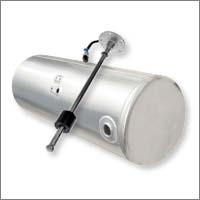
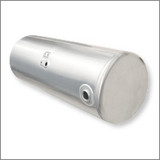 Volvo VNL Gen II Diesel Fuel Tanks
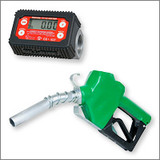 Volvo VNL Gen II Fuel Tank Acc.
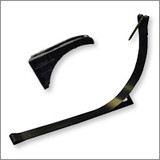 Volvo VNL Gen II Fuel Tank Brackets & Straps
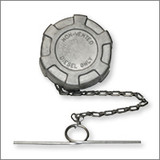 Volvo VNL Gen II Fuel Tank Caps
 Volvo VNL Gen II Fuel Tank Covers & Bras
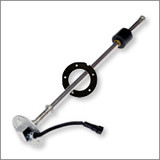 Volvo VNL Gen II Fuel Tank Senders