

null
Shop by Make, Model & Year
Volvo VNL Gen II Engine Parts & Cooling

Volvo VNL Gen II Engine Parts & Cooling

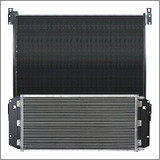
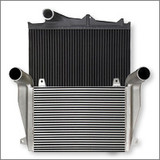
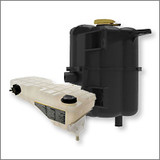
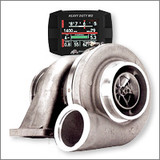
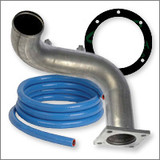
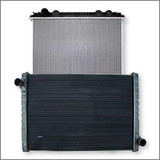
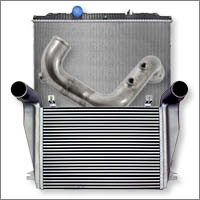
Elevate your truck's functionality with top-of-the-line Volvo VNL Gen II engine cooling parts available at 4 State Trucks. Explore our selection of Radiators, Charge Air Coolers, Fan Shrouds, Filters, and Transmission Coolers to boost your truck's efficiency. Rely on 4 State Trucks for premium solutions to keep your vehicle running smoothly.

Volvo VNL Gen II Engine Parts & Cooling

The Volvo VNL Gen II Engine Parts & Cooling product line offers a comprehensive selection of high-quality engine, cooling, and related parts and accessories for Volvo's popular VNL series of semi-trucks. From radiators and coolant reservoirs to air compressors and exhaust components, this product line has everything Volvo owners need to maintain and upgrade their truck's essential systems. Key features include durable construction, direct OEM fit, and easy installation - ensuring optimal performance and reliability for your Volvo VNL. Whether you're in need of routine maintenance parts or seeking to enhance your truck's capabilities, the Volvo VNL Gen II Engine Parts & Cooling product line has you covered.

Frequently Asked Questions About Volvo VNL Gen II Engine Parts & Cooling

What model years are compatible with VNL Gen II engine cooling parts?

VNL Gen II engine cooling parts are specifically designed for Volvo VNL trucks manufactured from 2018 to present. These parts are not compatible with the previous generation VNL models (2003-2017). Always verify your truck's OEM and production date before ordering, as some transitional models in late 2017 may have different requirements. Key differences include redesigned radiator mounting points, updated coolant capacity, and revised hose routing configurations.

How difficult is it to replace the radiator on a VNL Gen II, and what tools are required?

Radiator replacement on a VNL Gen II typically takes 3-4 hours for experienced technicians and requires specific tools including a coolant recovery system, torque wrench, and specialized Volvo radiator support bracket tools. The process involves removing the charge air cooler first, disconnecting multiple coolant lines, and carefully maneuvering the radiator assembly past the fan shroud. Common challenges include accessing lower mounting bolts and properly bleeding the cooling system afterward. Professional installation is recommended if you lack experience with heavy-duty cooling systems.

What are the differences between OEM and aftermarket cooling components for the VNL Gen II?

OEM Volvo cooling parts feature exact-fit designs with factory warranties but come at premium prices. Quality aftermarket options from manufacturers like Dorman, TYC, and Spectra Premium offer 30-50% cost savings while maintaining proper fit and cooling capacity. Key differences include core thickness (OEM typically uses 2-row cores while some aftermarket use 3-row), warranty periods (OEM offers 2 years vs. 1 year for most aftermarket), and material grades. Aftermarket water pumps may use cast iron housings instead of OEM aluminum, adding weight but improving durability.

Why is my VNL Gen II running hot even after replacing cooling components?

Overheating issues after component replacement often stem from improper system bleeding, incorrect coolant mixture (VNL Gen II requires Volvo VCS-2 specification coolant at 50/50 ratio), or overlooked related components. Common culprits include failing thermostats stuck partially closed, degraded radiator caps not holding proper pressure (should maintain 15-20 PSI), blocked EGR coolers restricting flow, or faulty engine ECM temperature sensors providing incorrect readings. Always perform a complete cooling system pressure test and verify proper fan clutch engagement before assuming component failure.

What preventive maintenance schedule should I follow for VNL Gen II cooling systems?

Volvo recommends coolant replacement every 300,000 miles or 4 years using VCS-2 specification coolant. However, severe-duty applications should follow a 150,000-mile interval. Monthly inspections should include checking coolant levels, examining hoses for soft spots or cracks, and verifying belt tension. Replace thermostats every 200,000 miles as preventive maintenance, clean radiator fins quarterly to prevent debris buildup, and test coolant freeze point annually. Water pump replacement is typically needed between 400,000-500,000 miles, though seal leakage may occur earlier in high-idle applications.


Introducing the Official 4 State Trucks Mobile App – Gear Up On the Go!