The Peterbilt 389 Glider Exhaust product line offers high-quality exhaust components for the Peterbilt 389 Glider. Investing in the right set of stainless steel exhaust stacks can pair exceptionally well with upgraded aftermarket
engine components for the Pete 389 Glider. You might even consider getting some new-and-improved replacement parts for your
Peterbilt 389 Glider drivetrain system.Whether upgrading your truck's look with chrome stacks or replacing worn exhaust parts, this line includes exhaust kits, mufflers, elbows, clamps, and more, all designed for reliable performance and a bold, custom look. Enhance your rig's style and functionality with these exceptional exhaust products.
Frequently Asked Questions About Peterbilt 389 Glider Exhaust Parts
What exhaust parts are compatible with my Peterbilt 389 glider kit truck?
Peterbilt 389 glider kits typically accept standard 5-inch or 6-inch diameter exhaust systems, depending on your engine configuration. Most glider kits from 2007-2021 use the same mounting brackets and frame rails, making exhaust components universally compatible across these years. However, you'll need to verify your specific engine placement and frame rail spacing, as some glider builds may have custom modifications. Pre-2007 EPA engines often require different exhaust configurations than newer setups.
Do I need special exhaust components for a glider kit versus a standard 389?
Yes, glider kits often require different exhaust configurations because they typically use pre-emission engines that don't need DPF (Diesel Particulate Filter) or DEF (Diesel Exhaust Fluid) systems. This means you'll need straight-through mufflers and pipes without emission control provisions. Many customers opt for single or dual straight stacks, which provide better flow for these older engines. The main difference is ensuring your exhaust diameter matches your turbo outlet size, which can vary between engine models.
What are the most common installation challenges with 389 glider exhaust systems?
The primary installation challenge is achieving proper alignment between the turbo outlet and exhaust system, especially with engine swaps common in glider builds. Many installers report needing to modify or fabricate custom Y-pipes or elbows to match non-standard engine positions. Frame rail clearance can also be tight, particularly with 6-inch systems. We recommend having flexible connectors on hand and planning for 4-6 hours of installation time if you're doing it yourself. Professional installation typically takes 2-3 hours.
Which exhaust finish holds up best for long-term use?
Chrome stacks look great initially but require regular polishing and can develop pitting in harsh climates. Most commercial operators prefer 304 stainless steel for durability, as it resists corrosion without constant maintenance. For the best longevity, choose mill-finish stainless steel, which develops a protective patina over time. If appearance is crucial, polished stainless offers a good compromise between looks and durability. Powder-coated black finishes work well for heat shields and brackets but may fade on high-temperature components like stacks.
What size exhaust system provides the best performance for my glider?
For most pre-emission engines (Cat C15, Detroit 60 Series, Cummins N14), a 5-inch system provides optimal backpressure and performance. Larger 6-inch systems are typically recommended only for engines producing over 550 horsepower or those with significant performance modifications. Running too large of an exhaust can actually reduce low-end torque and fuel efficiency. Single 5-inch stacks are sufficient for engines up to 500hp, while dual 5-inch or single 6-inch configurations work better for higher-output applications.




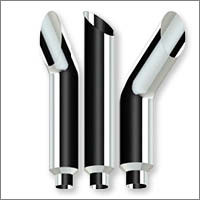
 Peterbilt 389 Glider Chrome Stacks & Tops
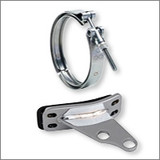 Peterbilt 389 Glider Clamps, Brackets & Mounting
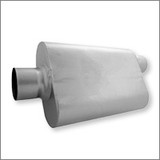 Peterbilt 389 Glider DPF & Mufflers
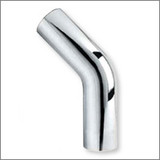 Peterbilt 389 Glider Elbows, Piping & Comp.
 Peterbilt 389 Glider Exhaust Kits