The Peterbilt 386 Fuel Tanks product lineup offers a wide range of fuel tank options and accessories for this popular semi-truck model. Whether you need a replacement diesel fuel tank, tank brackets and straps, or fuel tank covers and fairings, this product lineup has it all. Featuring top-quality Peterbilt 386 fuel system parts from trusted brands, this collection ensures you can keep your truck's fuel system in top condition. With a focus on durability, functionality, and easy installation, the Peterbilt 386 Fuel Tanks product lineup is a one-stop-shop for all your fuel tank needs. Also enhance the look and performance of your Peterbilt 386 with our other options, including
solutions.
Frequently Asked Questions About Peterbilt 386 Fuel Tanks
What size fuel tanks fit the Peterbilt 386, and how do I determine capacity needs?
The Peterbilt 386 typically accommodates fuel tanks ranging from 60 to 150 gallons per side. Most drivers opt for 100-120 gallon tanks for optimal range without sacrificing ground clearance. To determine your needs, calculate your average daily mileage and fuel consumption. Long-haul drivers generally prefer dual 120-gallon setups, while regional haulers often find 80-100 gallon tanks sufficient. Remember that larger tanks add weight and may impact payload capacity.
Are these fuel tanks compatible with all Peterbilt 386 model years?
Fuel tanks for the Peterbilt 386 are generally compatible with model years 2006-2015, but mounting brackets and strap configurations can vary. Models from 2006-2010 use a different bracket spacing than 2011-2015 models. Always verify your specific OEM and model year before ordering. Extended hood models may require different tank lengths than day cab configurations. We recommend checking your current tank measurements and mounting point locations to ensure proper fitment.
What's the difference between aluminum and steel fuel tanks for my 386?
Aluminum tanks are 40-50% lighter than steel equivalents, improving fuel economy and payload capacity. They resist corrosion better but cost 20-30% more upfront. Steel tanks are more impact-resistant and economical but require regular inspection for rust, especially in winter climates with road salt. Aluminum tanks typically last 15-20 years with minimal maintenance, while steel tanks may need replacement after 8-12 years depending on conditions. Most owner-operators prefer aluminum for the long-term savings.
Can I install replacement fuel tanks myself, or do I need professional installation?
While experienced mechanics can install fuel tanks themselves, we recommend professional installation for safety and warranty reasons. Installation requires draining existing fuel, disconnecting fuel lines and sending units, and properly torquing mounting straps to manufacturer specifications (typically 35-45 ft-lbs). You'll need a transmission jack or tank jack for safe positioning. The job takes 3-4 hours per tank with proper equipment. Many customers report that dealer installation costs ($200-400 per tank) are worth avoiding potential fuel system issues.
How do I match the finish of new fuel tanks to my existing Peterbilt 386?
Most Peterbilt 386 fuel tanks come in polished aluminum, brushed aluminum, or painted finishes. Polished tanks require regular maintenance to maintain shine but offer the classic look. Brushed finishes hide minor scratches better and need less upkeep. For painted tanks, use your OEM to identify the exact Peterbilt paint code for color matching. Many customers choose to replace both tanks simultaneously to ensure uniform appearance. Aftermarket tanks typically match OEM dimensions but may have slightly different end cap designs.




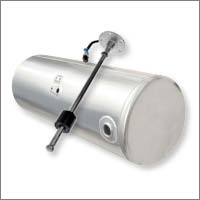
 Peterbilt 386 Diesel Fuel Tanks
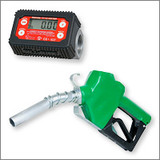 Peterbilt 386 Fuel Tank Acc.
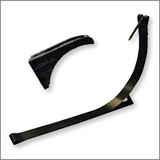 Peterbilt 386 Fuel Tank Brackets & Straps
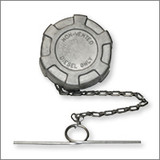 Peterbilt 386 Fuel Tank Caps
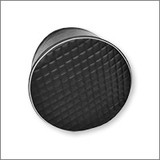 Peterbilt 386 Fuel Tank Covers & Bras
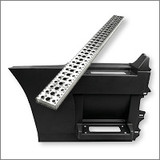 Peterbilt 386 Fuel Tank Fairings
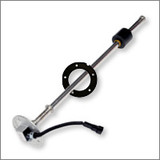 Peterbilt 386 Fuel Tank Senders
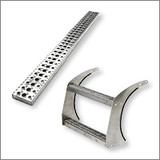 Peterbilt 386 Fuel Tank Steps