Peterbilt 375/377 Fuel Tanks: Versatile and Durable Solutions for Your Semi-Truck
This product lineup encompasses a wide range of high-quality fuel tank solutions for Peterbilt 375 and 377 semi-trucks. Whether you're looking to replace an aging tank, upgrade to a larger capacity, or add auxiliary fuel storage, you'll find a variety of options to meet your needs. These tanks are built tough to withstand the rigors of heavy-duty hauling, with features like anti-siphon devices, lockable caps, and corrosion-resistant materials. With a focus on both form and function, the Peterbilt 375/377 Fuel Tanks product lineup offers a seamless blend of reliable performance and sleek styling to enhance the look and capability of your rig. From standard replacement tanks to custom-designed solutions, this product lineup has everything you need to keep your Peterbilt 375 or 377 fueled up and ready to roll.
We have much more than fuel tanks! Discover our other assortments including
Frequently Asked Questions About Peterbilt 375/377 Fuel Tanks
What size fuel tanks fit the Peterbilt 375 and 377, and how do I determine capacity for my truck?
Peterbilt 375 and 377 models typically accommodate fuel tanks ranging from 50 to 150 gallons, with 100-gallon and 120-gallon tanks being the most common sizes. To determine the right capacity, check your door jamb sticker or original build sheet for factory specifications. Tank diameter is crucial - most 375/377 models use 25-inch or 26-inch diameter tanks. Measure from the bottom of your existing tank bracket to the top mounting point to ensure proper fitment, as frame rail spacing can vary between model years.
Are aftermarket aluminum fuel tanks compatible with my 2000-2007 Peterbilt 377, and what about sending unit compatibility?
Yes, quality aftermarket aluminum fuel tanks are fully compatible with 2000-2007 Peterbilt 377 models. However, sending unit compatibility is critical - most aftermarket tanks require a 5-bolt pattern sending unit with either 0-90 ohm or 240-33 ohm resistance ranges. Check your dash gauge specifications before ordering. Some tanks come with universal sending units that may require gauge recalibration. For 2005 and newer models with electronic fuel level sensors, ensure the tank accommodates the correct SAE 5-bolt mounting pattern.
What mounting hardware and straps do I need for installation, and are they included?
Most replacement fuel tanks do not include mounting straps or hardware. You'll need heavy-duty steel straps rated for your tank capacity (typically 1.5-inch or 2-inch wide), J-bolts or T-bolts depending on your frame design, rubber isolator strips to prevent metal-to-metal contact, and grade 8 mounting hardware. For Peterbilt 375/377 models, strap length varies from 90 to 110 inches depending on tank size and step configuration. Always replace rubber isolators during installation to prevent premature wear and tank damage.
What's the difference between polished and brushed aluminum finishes, and how do they hold up?
Polished aluminum tanks feature a mirror-like finish that requires regular maintenance with aluminum polish to prevent oxidation and water spotting. Brushed aluminum has a satin finish with visible grain patterns that hides minor scratches and requires less maintenance - simply wash with soap and water. Both finishes use the same grade of aluminum (typically 5052-H32), so durability is identical. Polished tanks show wear more readily but can be restored, while brushed finishes maintain their appearance longer but cannot achieve a mirror shine.
Can I install a larger capacity tank than factory, and what modifications are required?
You can typically increase tank capacity by 20-30 gallons without major modifications. Going larger requires checking clearance between the tank and exhaust system (minimum 2 inches), cab steps, and battery boxes. Longer tanks may require relocating crossmembers or modifying strap mounting points. Verify your state's regulations - some states limit tank size or require specific mounting positions. Remember that larger tanks affect weight distribution and may require suspension adjustments for optimal handling.




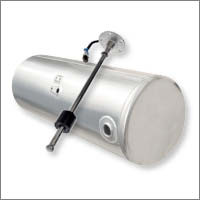
 Peterbilt 375/377 Diesel Fuel Tanks
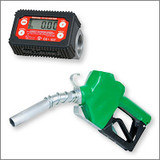 Peterbilt 375/377 Fuel Tank Acc.
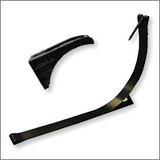 Peterbilt 375/377 Fuel Tank Brackets & Straps
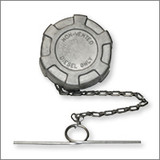 Peterbilt 375/377 Fuel Tank Caps
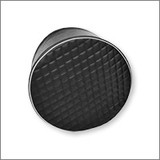 Peterbilt 375/377 Fuel Tank Covers & Bras
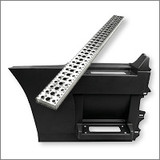 Peterbilt 375/377 Fuel Tank Fairings
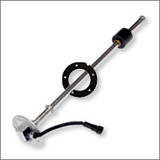 Peterbilt 375/377 Fuel Tank Senders
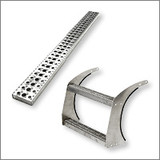 Peterbilt 375/377 Fuel Tank Steps