Find high-quality, aftermarket Peterbilt 359 Fuel Tanks to take your rig farther on long hauls.
You can keep your truck running for years to come with durable fuel tanks from reputable vendors. Built tough with sturdy aluminum and advanced features, these tanks ensure efficient fuel storage and delivery for even the hardest hauls. Whether you need a replacement tank,
upgrade, we have an option to fit your needs. Count on Peterbilt-quality to keep your rig performing at its best and reduce downtime!
Frequently Asked Questions About Peterbilt 359 Fuel Tanks
What size fuel tanks fit the Peterbilt 359, and how do I determine the right capacity for my truck?
Peterbilt 359 trucks typically accommodate fuel tanks ranging from 50 to 150 gallons per side. The most common sizes are 100-gallon and 120-gallon tanks. To determine the right size, measure your existing tank mounting brackets (standard spacing is 26 inches) and consider your typical haul distances. Long-haul drivers often prefer dual 120-gallon or 150-gallon setups, while regional drivers find 100-gallon tanks sufficient. Check your frame rails for clearance - you'll need at least 24 inches of vertical space for most aftermarket tanks.
Are these fuel tanks compatible with all Peterbilt 359 model years, and what about 379 models?
Our fuel tanks fit Peterbilt 359 models from 1967 through 1987. While the mounting brackets remained consistent throughout production, tanks from 1980-1987 models may have different fuel sender configurations. Many 359 tanks are also compatible with early 379 models (1987-1990), but the strap spacing and step configurations differ. Always verify your truck's specific bracket measurements and fuel system type (mechanical vs. electronic sending unit) before ordering.
What's the difference between aluminum and steel fuel tanks, and which material lasts longer?
Aluminum tanks are 40-50% lighter than steel, resist corrosion better, and typically last 15-20 years with proper maintenance. They cost more upfront but won't rust from water contamination in diesel fuel. Steel tanks are more affordable and resistant to impact damage but require regular inspection for rust, especially around the bottom seams and mounting straps. In salt-heavy regions, aluminum tanks often outlast steel by 5-10 years. Both materials meet DOT requirements when properly maintained.
What installation hardware comes with the tanks, and what additional parts might I need?
Most fuel tanks include mounting straps and basic hardware, but you'll typically need to purchase fuel sending units, crossover lines, and venting components separately. Plan on buying new rubber strap isolators, anti-siphon devices, and fuel cap gaskets. For a complete installation, budget for fuel line fittings (usually 1/2" NPT), shut-off valves, and new hose clamps. Professional installation typically takes 3-4 hours per tank and may require frame drilling for some configurations.
How do I match the finish on my existing tank, and what polishing options are available?
Aluminum tanks come in mill finish, brushed, or polished options. Mill finish has a dull gray appearance and requires polishing to match chrome accessories. Brushed finish provides a satin look that hides minor scratches well. Mirror-polished tanks match chrome bumpers but require regular maintenance with aluminum polish to prevent oxidation. For painted steel tanks, we offer primer-ready surfaces that accept standard automotive paints. Most customers choose polished aluminum for show trucks or brushed aluminum for working trucks due to easier maintenance.



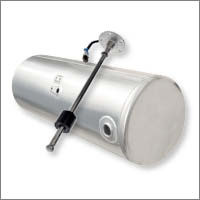
 Peterbilt 359 Diesel Fuel Tanks
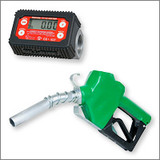 Peterbilt 359 Fuel Tank Acc.
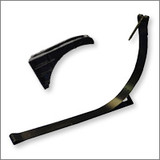 Peterbilt 359 Fuel Tank Brackets & Straps
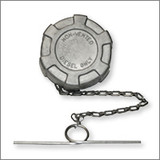 Peterbilt 359 Fuel Tank Caps
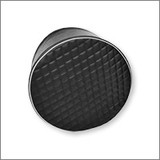 Peterbilt 359 Fuel Tank Covers & Bras
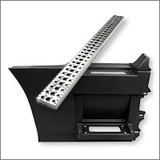 Peterbilt 359 Fuel Tank Fairings
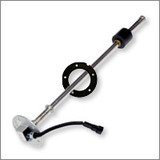 Peterbilt 359 Fuel Tank Senders