Aftermarket Peterbilt 389 Exhaust Parts & Components
Upgrading your
Peterbilt 389 exhaust system is a proven way to achieve stronger driving performance and reduce exhaust backpressure.
Enhance Your Exhaust Flow & Performance
Stock exhaust systems get the job done, but aftermarket upgrades can take your PACCAR or Cummins engine to the next level. Swap out a restrictive factory muffler for a high-flow muffler, or find full chrome stack conversion kits and replacement flex pipes.
Experience the benefits:
- Reduce backpressure and increase engine efficiency
- Improve exhaust sound and mitigate cab drone
- Customize your rig with chrome, stainless steel, or high-heat black finishes
- Accommodate 6-inch, 7-inch, and 8-inch diameter pipe configurations
Replace Worn or Broken Exhaust Parts
Exhaust parts take a massive beating from road grime, intense heat cycles, and winter salt. If you are dealing with rusted brackets, exhaust leaks from loose clamps, or a failing emissions system, we stock reliable, heavy-duty replacement parts.
Choose from:
- High-flow mufflers, heat shields, flex pipes, and replacement elbows
- Heavy-duty exhaust clamps, gaskets, and cab mounting brackets
- DOC & DPF system components for strict emissions compliance
- Direct-fit, OEM-alternative solutions for hassle-free installation
Why Choose Aftermarket Exhaust Parts for Your Peterbilt 389?
- Extend the life of your truck with corrosion-resistant materials
- Maintain DOT compliance with reliable DPF replacements
- Fix common exhaust leaks and vibration issues instantly
Whether you are replacing a single flex pipe or supporting a massive custom build with
Peterbilt 389 suspension frames,
high-capacity fuel tanks, or
engine cooling components, our extensive lineup of aftermarket solutions will help you keep your 389 running at peak performance. Looking for a complete visual overhaul? Check out our
Peterbilt 389 Chrome Exhaust Kits.
Frequently Asked Questions About Peterbilt 389 Exhaust Parts
Will these exhaust parts fit my specific year Peterbilt 389, and are there differences between model years?
Most exhaust components are compatible with Peterbilt 389 models from 2008 to present, but there are important variations. Pre-2013 models typically use 5-inch diameter systems, while 2013 and newer models may have different mounting brackets and heat shield configurations. Always verify your truck's build date and check for any fleet-specific modifications. Key differences include the DEF system integration on 2011+ models and changes to the exhaust mounting brackets in 2016+ trucks.
What's the difference between aluminized and stainless steel exhaust components, and which should I choose?
Aluminized steel parts cost 30-40% less and work well for moderate use, lasting 3-5 years in normal conditions. However, they're prone to rust in salt-heavy regions or with frequent washing. 304 stainless steel components resist corrosion better and typically last 7-10 years, making them ideal for coastal areas or heavy-duty applications. 409 stainless offers a middle ground with good durability at a lower price than 304. Consider your operating environment and how long you plan to keep the truck when choosing.
Can I install these exhaust parts myself, and what tools or expertise do I need?
Basic exhaust stack and tip replacements can be DIY projects requiring standard hand tools, jack stands, and about 2-3 hours. However, full system replacements involving the turbo downpipe, flex pipes, or emissions components often require specialty tools like exhaust hangers, torque wrenches, and possibly welding equipment. Common challenges include seized bolts on older trucks, alignment issues with aftermarket parts, and ensuring proper clearances. Professional installation typically runs $200-400 for complex jobs.
What exhaust tip styles and finishes are available, and how do they affect performance?
Popular styles include straight cut, curve cut, turn-down, and miter cut tips, available in chrome, polished stainless, or powder-coated black finishes. While tip style has minimal impact on performance, the exhaust stack diameter and length do matter. 5-inch stacks are standard, with 6-inch options providing a deeper tone but potentially requiring bracket modifications. Chrome requires regular polishing to maintain appearance, while polished stainless needs less maintenance. Black powder-coated options hide soot better but may show wear faster in high-heat applications.
Why are my new exhaust parts not fitting properly, and how can I ensure compatibility?
Fitment issues commonly stem from aftermarket frame modifications, non-standard exhaust routing from previous repairs, or mixing OEM and aftermarket components. Measure your current system's diameter, bracket spacing, and overall length before ordering. Pay special attention to cab-to-sleeper gaps, as extended and custom sleepers may require different stack lengths. Some aftermarket parts may need minor adjustments like drilling new bracket holes or using adapter clamps. When in doubt, provide your OEM to ensure you receive the correct OEM-specification parts.




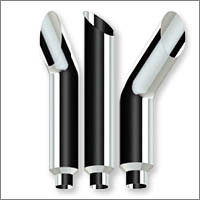
 Peterbilt 389 Chrome Stacks & Tops
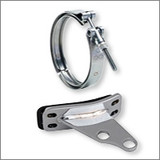 Peterbilt 389 Clamps, Brackets & Mounting
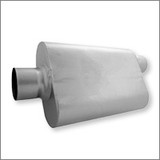 Peterbilt 389 DPF & Mufflers
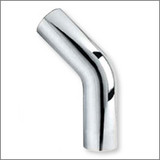 Peterbilt 389 Elbows, Piping & Comp.
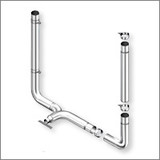 Peterbilt 389 Exhaust Kits