The Peterbilt 386 Frame & Chassis product lineup covers a wide range of essential components for this popular semi-truck model. From air suspension parts and leaf springs to steering components and brake systems, this product lineup provides the durable and high-quality parts needed to keep the Peterbilt 386's foundation in peak condition. Drivers and fleet owners can find everything from frame crossmembers and covers to hub adapters and fuel tank accessories, ensuring their truck is outfitted with the robust parts required for the demands of the open road. With a focus on reliability and longevity, our Peterbilt 386 product lineup, including
, is a must-shop destination for anyone maintaining or upgrading this rig.
Frequently Asked Questions About Peterbilt 386 Frame & Chassis
What years does the Peterbilt 386 frame and chassis parts fit?
Our Peterbilt 386 frame and chassis components are designed to fit model years 2006-2015. However, some parts may have specific year restrictions. For example, certain bumper brackets changed design in 2011, so always verify the exact year range listed on each product page. If you're unsure about compatibility with your specific truck, our team can help verify fitment using your OEM number.
Are aftermarket bumpers as durable as OEM Peterbilt bumpers?
Quality aftermarket bumpers can match or exceed OEM specifications when sourced from reputable manufacturers. Look for bumpers made from 16-gauge steel or heavier, with proper chrome plating or powder coating. Many of our aftermarket options use the same steel thickness and manufacturing processes as OEM parts but at a more competitive price point. Check product descriptions for material specifications and warranty coverage to ensure you're getting commercial-grade quality.
What tools and hardware do I need to install a replacement bumper?
Most bumper installations require basic hand tools including 3/4" and 7/8" wrenches, a socket set, and a torque wrench. You'll typically need grade 8 bolts (usually 5/8" x 2" for mounting brackets). Some installations may require drilling if you're adding accessories. Many bumpers come with mounting hardware, but bracket-to-frame bolts are often sold separately. Plan for 2-4 hours of installation time, or less if you have air tools and a helper.
What's the difference between 16", 18", and 20" bumper options?
The measurement refers to the bumper's front-to-back depth. A 16" bumper sits closer to the grille and provides a streamlined look, ideal for highway applications. An 18" bumper offers moderate protection and is the most common choice. A 20" bumper extends further forward, providing maximum protection for vocational trucks or those frequently in loading dock situations. Deeper bumpers also accommodate larger fog light options and may require extended brackets on some model years.
Will aftermarket frame rails and crossmembers affect my truck's warranty or DOT compliance?
Properly manufactured frame components that meet or exceed OEM specifications should not affect DOT compliance when installed correctly. Look for parts that specify compliance with SAE J1903 standards. For warranty concerns, modifications to frame components can potentially affect frame-related warranty claims, so consult your dealer if your truck is still under warranty. Always ensure any frame work is performed by a qualified technician and properly documented, as improper installation can create safety issues during DOT inspections.




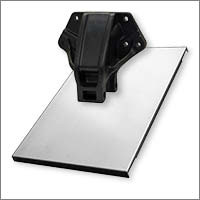
 Peterbilt 386 Air Springs & Level Valves
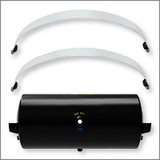 Peterbilt 386 Air Tanks, Wraps & Mounting
 Peterbilt 386 Brake Parts & Acc.
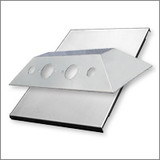 Peterbilt 386 Deck Plates & Air Line Boxes
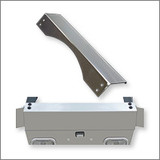 Peterbilt 386 Frame Crossmembers & Covers
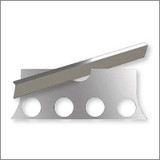 Peterbilt 386 Frame Light Bars & Filler Panels
 Peterbilt 386 Frame Nut Covers
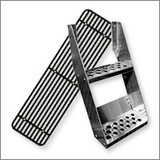 Peterbilt 386 Frame Steps & Acc.
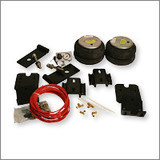 Peterbilt 386 Front Axle Air Ride Kits
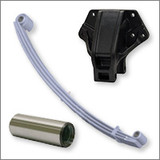 Peterbilt 386 Leaf Springs, Hangers & Acc.
 Peterbilt 386 Shock Absorbers
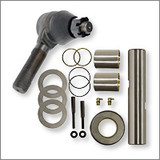 Peterbilt 386 Steering Parts & Acc.
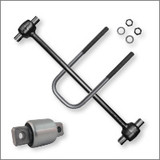 Peterbilt 386 Torque Rods & U-Bolts