Enhance your Volvo VNR experience with the expansive selection of Volvo VNR Fuel Tanks. From essential fuel tank accessories to specialized components, this product line covers all your fuel system needs. Whether you're seeking replacement parts, upgrades, or comprehensive solutions, you'll find a wide array of options to keep your Volvo VNR running at its best. Explore fuel tank caps, brackets, senders, and more to optimize your truck's fuel efficiency and performance. With a focus on quality and durability, our Volvo VNR product line, including frame pieces, drivetrain parts and engine cooling options, is the one-stop-shop for maintaining and improving your Volvo.
Frequently Asked Questions About Volvo VNR Fuel Tanks
What size fuel tank options are available for my Volvo VNR, and how do I determine which fits my truck?
Volvo VNR fuel tanks typically come in 60, 80, 100, and 120-gallon capacities. To determine the correct size for your truck, check the driver's side door jamb sticker for your original tank specifications, or measure your existing tank's dimensions (length x diameter). Most 2018-2024 VNR models can accommodate multiple tank sizes, but frame rail spacing and wheelbase configuration may limit options. Single tanks mount on the driver's side, while dual tank setups split capacity between both sides.
Are aftermarket fuel tanks compatible with my VNR's DEF system and fuel gauge?
Quality aftermarket tanks designed for VNR models include proper mounting points for DEF headers and fuel sending units that work with your factory gauge system. Look for tanks with pre-drilled holes matching OEM specifications - typically 5-bolt patterns for sending units and SAE standard fittings. Always verify the tank includes provisions for your specific year's emissions equipment before purchasing.
What's involved in installing a replacement fuel tank on my VNR?
Installation typically takes 3-4 hours and requires draining the existing tank, disconnecting fuel lines, electrical connections, and removing mounting straps. You'll need basic hand tools, a transmission jack or tank jack for safe handling, and new fuel line if yours shows wear. Critical steps include transferring your fuel pump module, ensuring proper strap torque (typically 35-45 ft-lbs), and checking all connections for leaks. Many drivers recommend replacing fuel filters and strap bushings during installation to prevent future issues.
What's the difference between aluminum and steel fuel tanks for my VNR?
Aluminum tanks weigh 40-50% less than steel equivalents, improving fuel economy and payload capacity. They resist corrosion better in salt-prone regions but cost 20-30% more upfront. Steel tanks offer better impact resistance and are easier to repair if damaged, making them popular for severe-duty applications. Aluminum tanks typically come polished or brushed, while steel tanks require powder coating or painting to prevent rust. Both materials meet DOT standards when properly manufactured.
How do I know if I need round or D-shaped fuel tanks for my VNR?
D-shaped (rectangular) tanks are standard on most VNR models from 2018 onward, maximizing capacity while maintaining ground clearance. Round tanks typically fit older configurations or custom applications where frame modifications exist. Check your current tank profile or measure the mounting strap span - D-tanks usually have 19-23 inch strap centers, while round tanks vary by diameter. Your VNR's wheelbase and side fairing configuration also influence which shape provides optimal fit and fuel capacity.


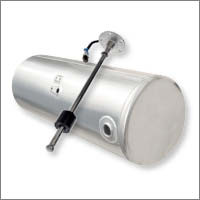
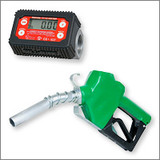 Volvo VNR Fuel Tank Acc.
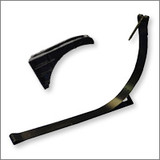 Volvo VNR Fuel Tank Brackets & Straps
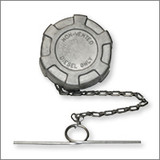 Volvo VNR Fuel Tank Caps
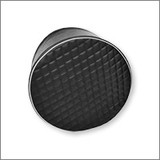 Volvo VNR Fuel Tank Covers & Bras
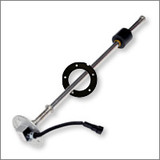 Volvo VNR Fuel Tank Senders