The frame and chassis is the backbone of your Peterbilt 388, supporting everything from the drivetrain to exterior parts like rear and front-end bumpers and even the. engine cooling system. See how important it is? That's why you need to invest in high-quality, durable aftermarket frame and chassis components which can dramatically improve your driving performance on the road. These parts can help to reduce the wear and tear on your suspension, tires, and drivetrain components. Our product lineup offers a wide range of replacement parts to choose from, whether you want to maintain adequate ride height and stability with new air springs and level valves, store compressed air for your brake and suspension systems with a quality air tank, or get organized with air line boxes and deck plates. Investing in reputable aftermarket components is a great way to start saving some cash while you maintain or enhance the performance of your Peterbilt 388. Easily replace your worn out frame parts,
with our range of solutions. If you need help finding the right part, give our team a call.
Frequently Asked Questions About Peterbilt 388 Frame & Chassis
Will aftermarket bumpers fit my Peterbilt 388, and what years are compatible?
Most aftermarket bumpers are designed to fit Peterbilt 388 models from 2006-2015. However, compatibility can vary based on your specific configuration. Key factors include whether you have a set-forward or set-back front axle, hood length (127" or 131"), and any factory-installed options like collision mitigation systems. We recommend checking your OEM and confirming your truck's specifications before ordering. If you're unsure, our customer service team can help verify fitment with your truck's details.
What's the difference between chrome, stainless steel, and aluminum bumpers?
Chrome-plated steel bumpers offer a classic mirror finish but require regular maintenance to prevent rust and pitting. They're typically the most affordable option. Stainless steel bumpers (usually 304-grade) resist corrosion better and maintain their appearance longer with minimal care, though they cost more upfront. Aluminum bumpers are the lightest option, reducing front-end weight by 40-60 pounds compared to steel, which can improve fuel economy and payload capacity. They won't rust but may show scratches more easily and typically come polished or powder-coated.
How difficult is bumper installation, and what tools do I need?
Installing a replacement bumper typically takes 2-4 hours for someone with basic mechanical skills. You'll need standard hand tools including socket sets (typically 3/4" and 7/8"), wrenches, and potentially a drill for accessories. The main challenges include aligning mounting brackets properly and handling the weight (steel bumpers can weigh 80-120 pounds). Many drivers report needing a second person for lifting and positioning. Some bumpers may require trimming or drilling for fog lights, tow hooks, or sensor brackets. Professional installation usually runs $200-400 if you prefer to have it done at a shop.
Do aftermarket bumpers affect my truck's warranty or insurance?
Aftermarket bumpers themselves don't void your Peterbilt warranty, but improper installation that causes damage might affect warranty claims. For insurance, most carriers treat DOT-approved aftermarket bumpers the same as OEM parts. However, you should notify your insurance company of any modifications, especially if you're adding expensive chrome or custom features that increase your truck's value. Some fleets have specific requirements about bumper specifications for their insurance policies, so check your company's guidelines if you're an owner-operator.
What should I look for to ensure I'm getting a quality bumper that will last?
Quality indicators include material thickness (look for 14-gauge steel minimum for durability), proper drainage holes to prevent water accumulation, reinforced mounting points, and smooth welds without gaps or rough spots. For chrome bumpers, triple-plating (copper, nickel, then chrome) provides the best longevity. Check if mounting hardware is included and whether it's stainless steel to prevent corrosion. Reputable manufacturers typically offer at least a 1-year warranty against defects. Avoid bumpers that seem unusually light or have visible imperfections in the finish, as these often indicate inferior materials or manufacturing processes.




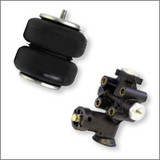 Peterbilt 388 Air Springs & Level Valves
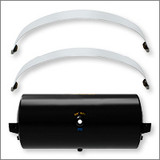 Peterbilt 388 Air Tanks, Wraps & Mounting
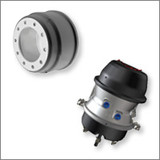 Peterbilt 388 Brake Parts & Acc.
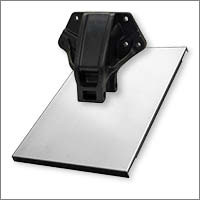
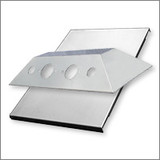 Peterbilt 388 Deck Plates & Air Line Boxes
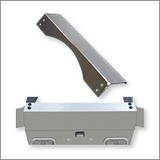 Peterbilt 388 Frame Crossmembers & Covers
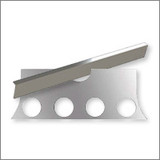 Peterbilt 388 Frame Light Bars & Filler Panels
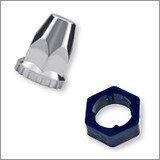 Peterbilt 388 Frame Nut Covers
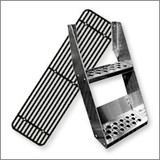 Peterbilt 388 Frame Steps & Acc.
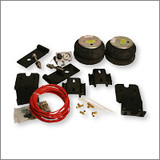 Peterbilt 388 Front Axle Air Ride Kits
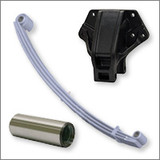 Peterbilt 388 Leaf Springs, Hangers & Acc.
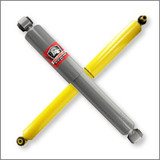 Peterbilt 388 Shock Absorbers
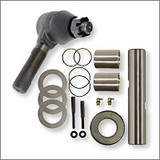 Peterbilt 388 Steering Parts & Acc.
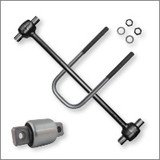 Peterbilt 388 Torque Rods & U-Bolts