Aftermarket engine cooling parts for the Peterbilt 388 help to prevent engine overheating, avoid downtime, improve fuel efficiency, and protect vital components from wear. This product lineup is perfect for replacing worn-out AC condensers, radiators, or turbo-related cooling parts.
Investing in durable engine and transmission cooling parts, ensures your Peterbilt 388 drivetrain keeps power flowing smoothly and stops undeserved heat-related wear-n-tear!
Heavy-duty gaskets, hoses, and coolant reservoirs maintain cooling pressure while ensuring your Pete 388 exhaust system parts can boost fuel efficiency and heat dissipation.
Not only that, a well-cooled engine reduces the stress on your frame and chassis components, guaranteeing more structural integrity for your big rig. Lastly, your engine cooling system helps regulate your cabin temp via Pete 388 heating and AC parts So, if you're not getting proper airflow from a worn-out fan blade or shroud, your heating and AC system won't perform consistently.
Here's How Durable Engine Cooling Parts Support Your Peterbilt 388 Truck
AC Condensers, Driers, and Compressors – A strong HVAC system keeps your cab comfortable and prevents your engine from working harder in extreme conditions. Faulty components strain the cooling system, reducing efficiency.
Charge Air Coolers & CAC Clamps – Your turbocharged engine relies on cool, dense air for maximum power. Charge air coolers (CACs) and secure clamps help lower intake temperatures, increasing efficiency and prolonging turbo life.
Coolant Reservoirs & Hoses – A properly functioning cooling system relies on leak-free reservoirs and durable hoses to circulate coolant effectively. Old, cracked hoses or a damaged reservoir can lead to overheating and costly repairs.
Fan Blades & Shrouds – These components improve airflow through the radiator, preventing engine temperatures from rising too high. A failing fan blade or shroud reduces cooling efficiency, leading to excessive wear on your engine.
Radiator Tubes, Gaskets, & Hoses – Proper sealing and flow ensure optimal cooling performance. Worn-out gaskets, cracked hoses, or clogged radiator tubes can cause overheating and engine damage.
Radiators & Transmission Coolers – A high-quality radiator keeps your engine at the right temperature, while a transmission cooler prevents overheating in heavy-haul conditions. Both help extend the life of your powertrain.
Keep your Peterbilt 388 operating with cool efficiency for years to come with reputable aftermarket parts.
Frequently Asked Questions About Peterbilt 388 Engine Parts & Cooling
What years and engine models are compatible with Peterbilt 388 cooling parts?
Peterbilt 388 cooling parts are designed for models manufactured from 2005 to 2015. Most cooling components are compatible with Caterpillar C13, C15, Cummins ISX, and Detroit DD15 engines. However, radiator configurations can vary based on whether your truck has a standard or extended hood. Always verify your specific engine serial number and truck OEM when ordering critical cooling components like water pumps or thermostats to ensure proper fitment.
How difficult is it to replace a radiator on a Peterbilt 388, and what tools do I need?
Replacing a Peterbilt 388 radiator typically takes 3-4 hours for experienced mechanics and 5-6 hours for DIY installers. You'll need basic hand tools, a coolant drain pan (minimum 8-gallon capacity), and ideally a helper for lifting. The main challenges include disconnecting the charge air cooler lines, removing the upper radiator support bracket, and properly aligning the new radiator with mounting points. Most customers report the hardest part is accessing the lower radiator hose clamp, which often requires removing the lower splash shield.
What's the difference between OEM and aftermarket cooling parts for my Peterbilt 388?
OEM cooling parts are manufactured to Peterbilt's exact specifications and typically carry a 1-2 year warranty. Aftermarket options from reputable brands like Dorman, Gates, and Spectra Premium often cost 30-50% less while maintaining similar quality standards. The main differences are in materials - OEM radiators use thicker aluminum cores (1.5 inches vs 1.25 inches typical aftermarket), and OEM water pumps feature cast iron impellers versus composite in many aftermarket versions. For critical applications or extreme conditions, OEM is recommended; for standard highway use, quality aftermarket parts perform comparably.
Why is my Peterbilt 388 running hot even after replacing the thermostat?
Overheating issues after thermostat replacement usually indicate additional cooling system problems. Common culprits include a clogged radiator (check for bent fins or internal blockage), a failing water pump (look for coolant leaks at the weep hole), air pockets in the cooling system from improper bleeding, or a degraded radiator cap not holding proper pressure (should maintain 15-16 PSI). Also verify your fan clutch engagement - it should lock up when engine temperature reaches 200-210?F. Many 388 owners overlook checking the charge air cooler, which can restrict airflow to the radiator when clogged.
What coolant type should I use in my Peterbilt 388, and how often should I change it?
Peterbilt 388 trucks require heavy-duty extended life coolant (ELC) meeting CAT EC-1 or Cummins CES 14603 specifications. Popular options include CAT ELC, Fleetguard ES Compleat, or Shell Rotella Ultra ELC. These coolants provide 600,000-mile or 6-year protection with proper maintenance. Never mix conventional green coolant with red ELC formulations. Coolant should be tested annually for freeze point, pH levels (7.5-9.5 range), and nitrite levels. Complete coolant changes are recommended every 3 years for severe service applications or when contamination is detected through testing.




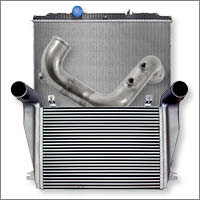
 Peterbilt 388 AC Condensers
 Peterbilt 388 AC Driers & Compressors
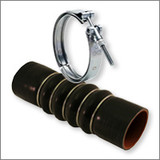 Peterbilt 388 CAC Clamps, Boots & Hoses
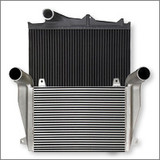 Peterbilt 388 Charge Air Coolers
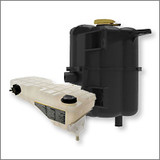 Peterbilt 388 Coolant Reservoirs
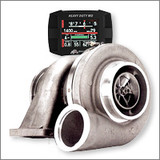 Peterbilt 388 Engine & Performance Parts
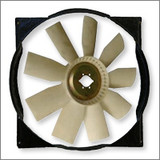 Peterbilt 388 Fan Blades & Shrouds
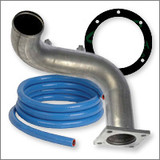 Peterbilt 388 Radiator Tubes, Gaskets & Hoses
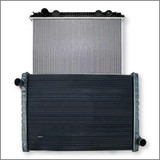 Peterbilt 388 Radiators
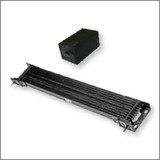 Peterbilt 388 Transmission Coolers