


null
Shop by Make, Model & Year
Peterbilt 386 Engine Parts & Cooling

Peterbilt 386 Engine Parts & Cooling

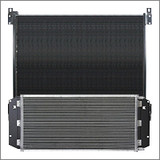
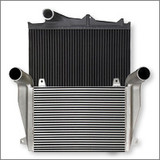
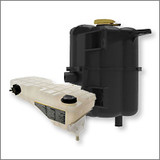
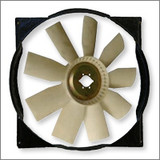
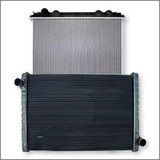
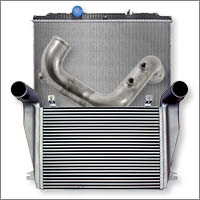
Elevate your truck's performance with top-quality Peterbilt 386 engine cooling parts from 4 State Trucks. Find essential components including Radiators, Charge Air Coolers, Fan Shrouds, Filters, and Transmission Coolers to optimize your truck's efficiency. Trust 4 State Trucks to provide the highest quality products to ensure your truck's longevity and performance.

Peterbilt 386 Engine Parts & Cooling

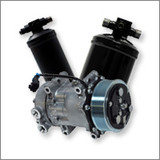
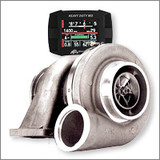
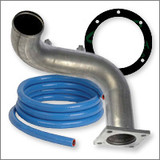
Find aftermarket Peterbilt 386 Engine & Cooling Parts: It's easy to keep your Peterbilt truck engine running cool with top-quality engine parts and cooling accessories. From radiators and air conditioning components to charge air coolers and more, we've got everything you need to maintain peak performance. Whether it's essential repairs or specialty upgrades, you'll find the perfect fit for your truck!

Frequently Asked Questions About Peterbilt 386 Engine Parts & Cooling

What coolant type should I use in my Peterbilt 386, and how often should I change it?

For Peterbilt 386 models from 2005-2015, use extended life coolant (ELC) that meets ASTM D6210 specifications. Most 386s require approximately 12-14 gallons for a complete system fill. Change intervals depend on your coolant type: conventional green coolant needs changing every 2 years or 250,000 miles, while ELC red coolant can last up to 6 years or 600,000 miles with proper SCA additive maintenance. Always verify your specific engine requirements (Caterpillar, Cummins ISX, or PACCAR MX) as coolant specifications can vary.

Are aftermarket radiators compatible with my Peterbilt 386, and what should I look for?

Yes, quality aftermarket radiators are fully compatible with Peterbilt 386 trucks. When selecting a replacement, match these key specifications: core dimensions (typically 42" x 38" for standard models), inlet/outlet sizes (usually 2" diameter), and mounting bracket configuration. Ensure the radiator matches your engine type - CAT C15 models often require different cooling capacity than ISX engines. Look for radiators with at least 2-row cores for standard applications or 4-row cores for heavy-duty use. Aluminum core with plastic tank designs offer good performance at lower cost, while all-aluminum units provide superior durability.

How do I diagnose cooling system problems before they cause engine damage?

Monitor these warning signs: coolant temperature consistently above 195-210°F during normal operation, frequent low coolant warnings, white residue around hose connections, or coolant in the oil (milky appearance). Check your surge tank daily - rapid coolant loss indicates external leaks, while slow loss may signal internal issues. Pressure test the system at 15 PSI when cold - it should hold pressure for 10 minutes. Common failure points include the water pump (typically lasting 300,000-500,000 miles), EGR cooler (especially on 2008-2010 models), and charge air cooler connections.

What are the torque specifications for critical engine components on my Peterbilt 386?

Torque specifications vary by engine model and year. For common components: thermostat housing bolts require 15-20 ft-lbs, water pump mounting bolts need 30-35 ft-lbs, and radiator mounting brackets should be torqued to 45-50 ft-lbs. Head bolts, rod bolts, and main bearing caps require specific sequences and values unique to each engine - CAT C15 head bolts follow a 3-step process up to 350 ft-lbs, while ISX engines use a different pattern reaching 335 ft-lbs. Always consult your engine-specific service manual for exact specifications and tightening sequences to prevent damage.

Can I upgrade my cooling system for better performance in hot climates or heavy hauling?

Yes, several upgrades can improve cooling capacity. Installing a high-flow water pump increases coolant circulation by 15-20%. Upgrading to a heavy-duty fan clutch engages at lower temperatures for better heat dissipation. Consider a larger capacity radiator (4-row vs standard 2-row) or adding an auxiliary transmission cooler if you frequently haul heavy loads. For extreme conditions, install a coolant filter kit to remove contaminants and extend component life. These modifications are especially beneficial for trucks operating in temperatures above 95°F or consistently pulling loads over 70,000 lbs.


Introducing the Official 4 State Trucks Mobile App – Gear Up On the Go!